

Climate finance, adaptation and the transition away from fossil fuels will dominate negotiations at COP31 in Türkiye, as developing countries demand greater access to funding and technology to confront worsening climate impacts.
More than 190 countries will gather in Antalya from 09 to 20 November for the United Nations climate summit, amid warnings that the world is on track to temporarily exceed the 1.5°C global warming threshold set under the Paris Agreement.
The summit comes after a year of devastating floods, heatwaves and prolonged droughts, with an expected El Niño threatening to intensify climate impacts further.
However, despite rapid advances in solar power, electric vehicles and battery storage, developing countries continue to face major barriers in accessing the technology and financing needed to reduce emissions and strengthen climate resilience.
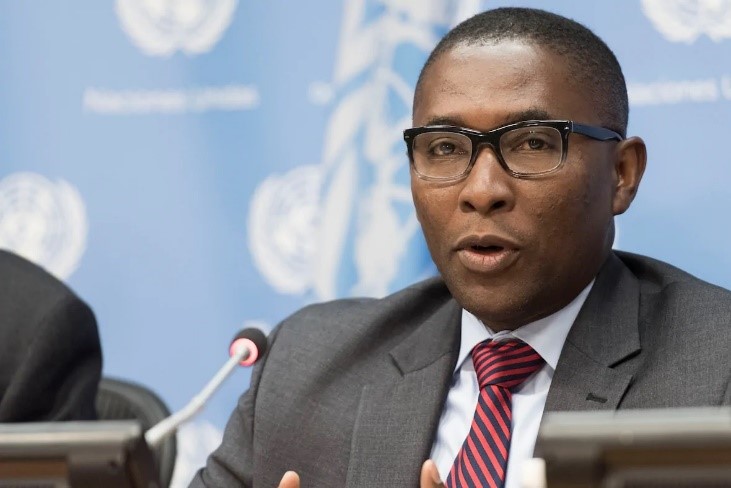
UN Special Adviser on Climate Action and Just Transition Selwin Hart says the challenge is no longer simply developing solutions but ensuring countries can afford and implement them.
“There’s now a clear recognition that addressing the climate crisis requires all hands on deck,” Hart said.
COP31 will be hosted and presided over by Türkiye, while Australia will lead the negotiations in close cooperation with Pacific Island countries.
The annual Conference of the Parties brings together governments that are members of the UN Framework Convention on Climate Change (UNFCCC) to assess progress and negotiate collective action on climate change.
The process produced the 2015 Paris Agreement, under which countries committed to keeping global warming well below 2°C and pursuing efforts to limit it to 1.5°C above pre-industrial levels.
Hart said the outcome of a COP should not be measured only by the final negotiated agreement, as the conferences also drive practical action and national commitments.
“There’s sometimes this expectation that COPs will always have this big grand deal that will solve the climate crisis. That’s not realistic,” he said.
He identified three areas of action: negotiated agreements on climate finance, emissions reduction and adaptation; partnerships involving governments, development banks and businesses; and national commitments to strengthen climate policies and investment.
Türkiye is placing particular emphasis on implementation, with initiatives covering clean energy, food security, resilient cities, greener industries, oceans and waste reduction.
“I’m running a personal campaign to rename the Action Agenda, the Implementation Agenda,” Hart said, highlighting the need to move from promises to practical results.
Climate finance is expected to be one of the major points of disagreement at COP31, with developing countries pressing wealthier nations to meet their financial commitments under the Paris Agreement.
Negotiators will also address access to funding, responsibility for financing and ways to direct global financial flows towards climate action.
Another priority is the proposed just transition mechanism, which countries agreed to establish last year to support workers and communities as economies move towards cleaner energy and industries.
Negotiations will focus on how the mechanism will operate.
Adaptation will also remain high on the agenda, including how to measure progress and increase financial support for vulnerable developing countries.
Governments will also face pressure to strengthen emissions reduction commitments and implement existing pledges.
COP31 will launch the second global stocktake, the Paris Agreement’s formal process for assessing collective progress towards its long-term climate goals.
Hart said exceeding the 1.5°C threshold should not be treated as a reason to abandon climate action.
“Overshoot is not surrender. Overshoot should really lead to a much greater degree of urgency,” he said.
He called for faster emissions reductions and increased investment to protect communities already experiencing the effects of climate change.
Despite the warning, Hart said the world had more technological options to address the crisis than ever before.
“The good news in this horrible situation of overshoot is that the world has never been better equipped to solve this challenge,” he said.
Global electric vehicle sales, solar power generation and battery storage have expanded rapidly.
Electric vehicles accounted for one in four new cars sold globally in 2025, with the share expected to reach 28percent in 2026.
The world added more than 600 gigawatts of solar power capacity in 2025, accounting for more than three-quarters of new renewable energy capacity.
Global battery storage capacity is now 11 times higher than in 2021. An additional 108 gigawatts was installed in 2025, a 40 percent increase from the previous year.
Despite the growth in clean energy investment, developing economies continue to receive a disproportionately small share of global financing.
Emerging and developing economies outside China, which are home to nearly two-thirds of the world’s population, received only 18percent of global clean energy investment in 2025.
Africa illustrates the gap, attracting a small share of global investment despite its renewable energy potential, while about 600 million people still lack access to electricity.
Hart said the cost of capital was one of the biggest barriers, with renewable energy projects in developing countries often costing several times more to finance than similar projects in wealthier economies.
“So, our task now, in this second decade of the Paris Agreement, is to ensure that we remove the barriers to implementation, the barriers to faster action in these economies,” he said.
He said countries already carrying heavy debt burdens faced additional difficulties in financing climate protection while meeting spending needs in health, education and other development priorities.
“We need solutions on finance that will not increase debt,” Hart said.
For Pacific Island countries, which face rising seas, coastal erosion, extreme weather and growing adaptation costs, access to affordable and predictable climate finance remains a central concern.
COP31 is expected to test whether governments can move beyond existing commitments and address the financial and practical barriers preventing developing countries from implementing climate solutions.
The summit will not resolve the climate crisis, but decisions on finance, adaptation and the just transition could determine how quickly vulnerable countries gain access to the resources needed to respond.