


The Asian Development Bank (ADB) has approved an US$11.7 million grant for the Marshall Islands, including US$6.7 million in additional funding to help the government respond to rising fuel and food costs caused by the conflict in the Middle East.
The grant will also support reforms to improve tax collection, government spending, and essential public services.
“Across the Marshall Islands, imported fuel keeps the lights on and boats moving between communities,” said ADB President Masato Kanda.
“When its price rises, households and public services pay the cost. This grant will help the government meet that challenge while giving it greater control over its financial future.”
The Marshall Islands declared a state of economic emergency in March 2026 and adopted a fuel crisis response plan in April.
The additional US$6.7 million, provided under ADB’s broader response to the economic effects of the Middle East conflict, will help meet the government’s increased financing needs. The country depends heavily on imported fuel for electricity and transport, making it particularly vulnerable to disruptions in global energy supplies.
The grant supports the first phase of the government’s Public Sector Reform Programme, which aims to help the Marshall Islands raise more of its own revenue and make better use of public funds.
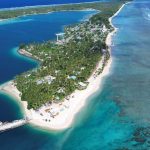
The reforms are particularly important for a country with more than 1,000 islands spread across 750,000 square miles of ocean, where providing basic services is costly and difficult.
The programme supports major changes to the tax system. Parliament has approved legislation to replace cascading sales taxes with a VAT-like tax on consumption and a tax on business profits. Changes to income taxes, accompanied by planned annual increases in the minimum wage, aim to make the system fairer.
The government has also begun moving customs processing online to make importing goods easier and faster, with a goal of cutting customs clearance times in half by 2028.
Other reforms will help the government plan its spending more carefully, improve competition for public contracts, and hold government-owned companies accountable for the money they receive. New performance agreements will set clearer requirements for companies providing services such as electricity, water, and transport. The program aims to reduce government subsidies and transfers to these companies from an average of 6.2 percent of gross domestic product in 2020–2024 to 3 percent by 2028.