

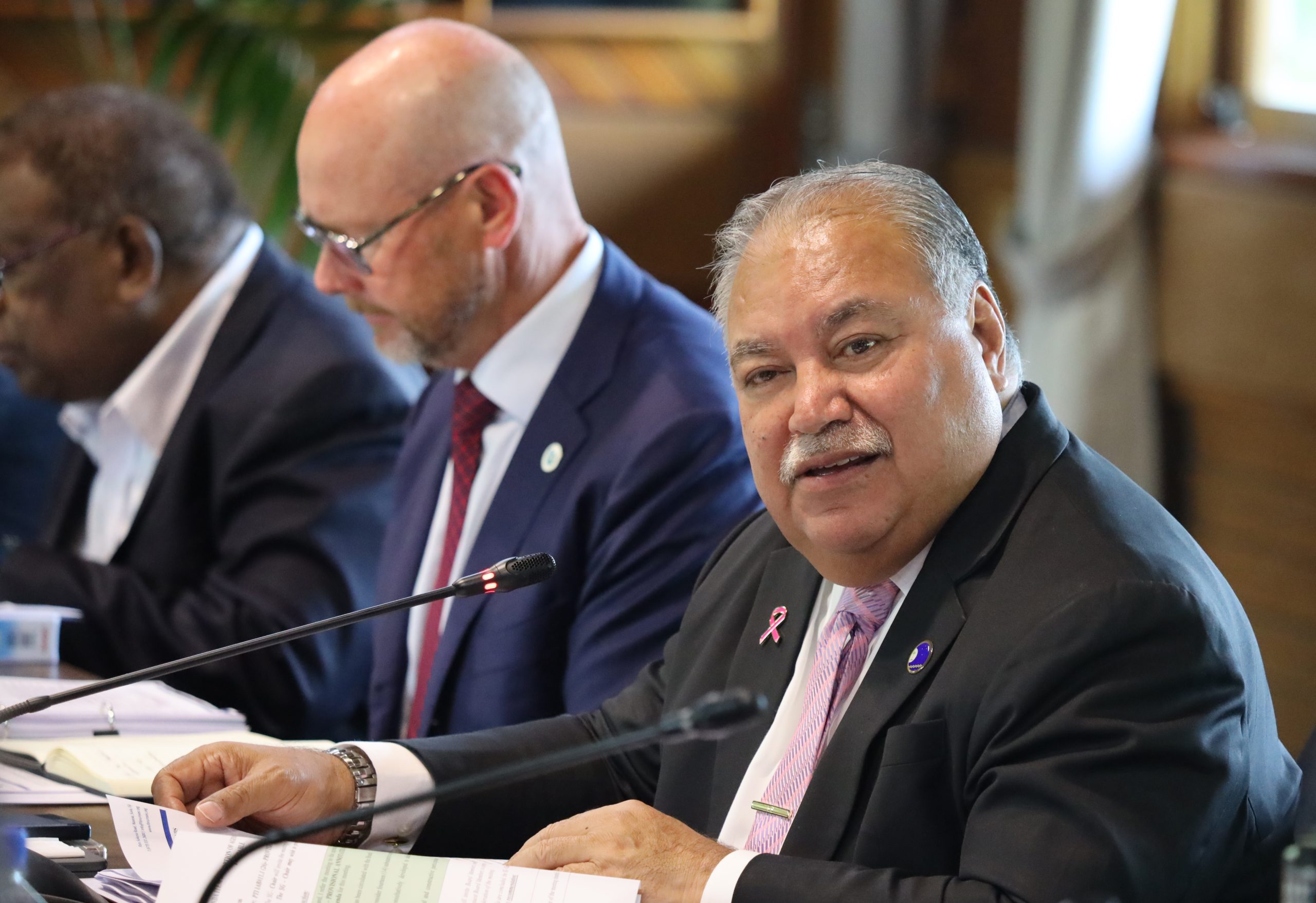
Pacific Trade Invest (PTI) must turn regional economic commitments into practical trade, investment and market access opportunities for Pacific businesses as it prepares its next five-year strategic plan, Forum Secretary General Baron Waqa says.
Waqa said PTI’s 2027–2031 Strategic Plan must respond to global economic uncertainty, geopolitical shifts and mounting pressures on Pacific economies while delivering measurable results for businesses across the region.
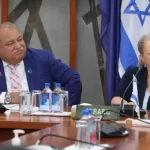
“Regional policy commitments must translate into practical opportunities for Pacific businesses in trade, investment and market access,” Waqa said in his remarks at the 11th PTI Independent Advisory Board meeting in Suva.
He said the new strategic plan, which had completed its final draft following consultations across the PTI Network, provided an opportunity to strengthen coordination across PTI offices and align the organisation’s work with the Pacific Islands Forum Secretariat’s priorities.
The plan is expected to undergo further consultation within the Secretariat before guiding PTI’s next strategic cycle.
Waqa said PTI’s work must remain anchored in the 2050 Strategy for the Blue Pacific Continent and reflect priorities identified by Pacific leaders at the 55th Pacific Islands Forum Leaders Meeting in Palau.
These include strengthening economic resilience, regional cooperation and private-sector development, as well as accelerating implementation of the 2050 Strategy.
“A shifting global economy, evolving geopolitical dynamics and mounting pressures on Pacific economies require PTI to remain agile, commercially responsive, and resolutely focused on delivering tangible outcomes for Pacific businesses,” he said.
Waqa also highlighted the Pacific Pre-COP31 meeting held in Nadi from 05 to 08 October, saying its focus on climate resilience, sustainable development and access to finance had implications for regional trade and investment.
He said PTI could complement wider regional efforts by helping mobilise investment and supporting businesses to respond to economic and climate challenges.
The future direction of PTI must also take account of the ongoing PIFS organisational review, which aims to ensure the Secretariat remains effective and responsive to the needs of its member countries.
Waqa said PTI’s operating arrangements, institutional capacity and resource requirements needed to align with its regional mandate and changing economic conditions.
He also raised the future of PTI China, which supports Pacific countries’ engagement with one of their significant economic partners.
“The present circumstances provide an opportunity for PIFS working with PTI’s leadership and relevant partners to consider how PTI’s engagement in China can be sustained and strategically positioned to advance Members’ trade and investment priorities,” Waqa said.
He said PTI’s future operating model needed sustainable financing, sound governance and the institutional capacity to deliver its regional responsibilities.
The Independent Advisory Board meeting is the second since the Board was reconstituted, providing an opportunity for members to strengthen their understanding of PTI’s role within the wider Pacific regional architecture.
Waqa said the Board’s independent expertise and guidance would be important in determining PTI’s strategic direction and institutional strength for 2027–2031.
He urged members to focus on decisions that would strengthen the organisation’s ability to create economic opportunities for Pacific businesses and deliver lasting benefits for Forum members.