


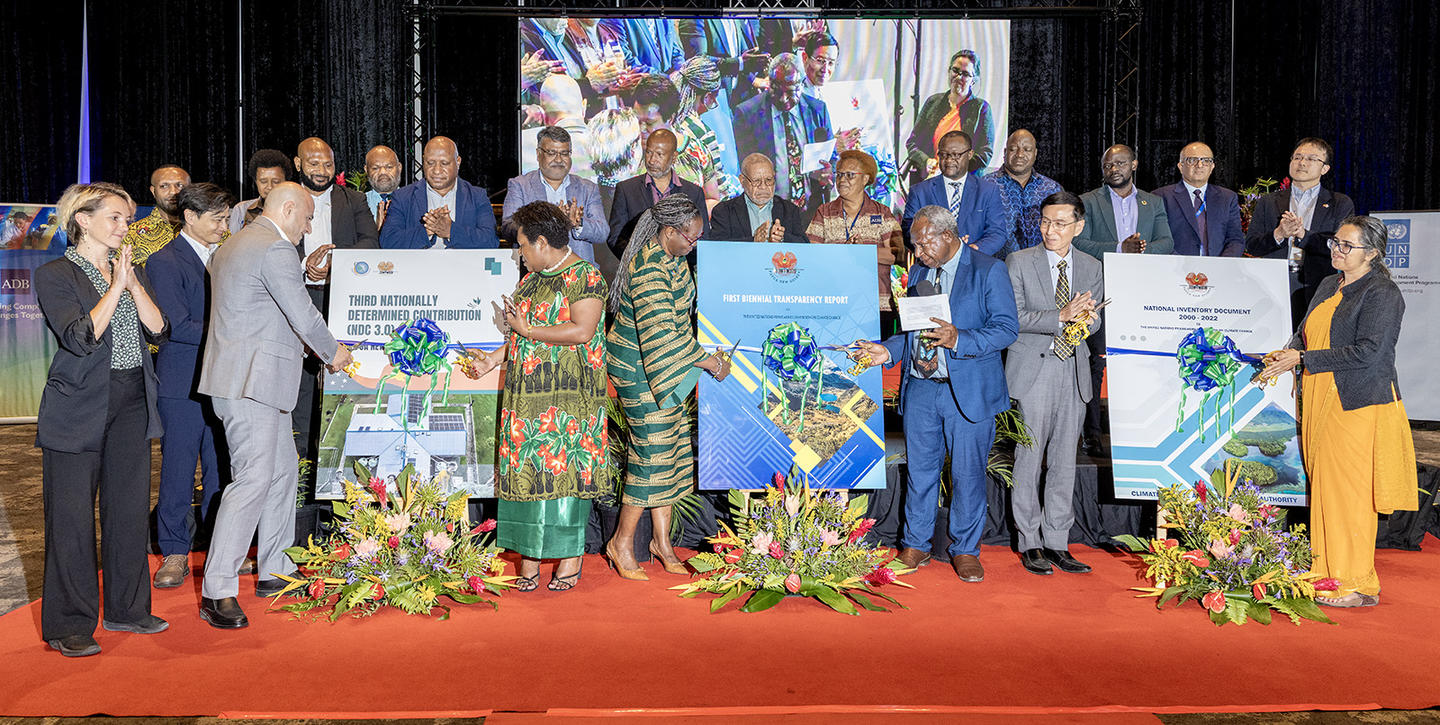
Papua New Guinea has set new climate targets to increase renewable energy, reduce deforestation and strengthen climate resilience, while aiming for net-negative emissions by 2035.
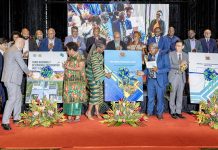
The Government launched its Third Nationally Determined Contribution (NDC 3.0) for 2025–2035, alongside its first Biennial Transparency Report, National Inventory Report and REDD+ Technical Annex in Port Moresby on Monday.
The package sets out PNG’s climate commitments under the Paris Agreement and establishes a framework for tracking emissions, protecting forests and directing investment towards national climate priorities.
Minister for Environment, Conservation and Climate Change John Kaupa said the commitments must be translated into action through sustained effort and cooperation across government and society.
“We can’t launch this important agenda and keep shying away.
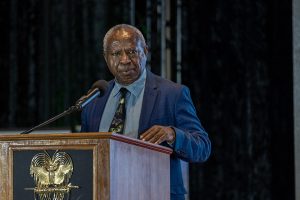
We must work hard with all stakeholders to ensure that we continue to achieve our target so that we can create a better world for our children and their children to come,” Kaupa said.
Under NDC 3.0, PNG has committed to reducing annual greenhouse gas emissions from the energy sector by 29 percent by 2035, compared with 2022 levels.
The plan also targets increasing renewable energy to 80 percent of on-grid electricity generation by 2035, from about 60 percent in 2022, and expanding electricity access to 70 percent of the population by 2030.
PNG aims to reduce deforestation and forest degradation by 20 percent by 2035, compared with 2022 levels, while strengthening climate resilience in agriculture, infrastructure, transport, health and vulnerable communities.
The commitments include a pathway towards net-zero emissions by 2030 and net-negative emissions by 2035, supported by measures across energy, transport, forestry and land use.
For the first time, PNG’s national climate contribution includes a dedicated Loss and Damage framework addressing climate-related disasters, displacement and economic and non-economic losses.
Climate Change and Development Authority acting managing director Debra Sungi said the commitments must deliver practical benefits for communities.
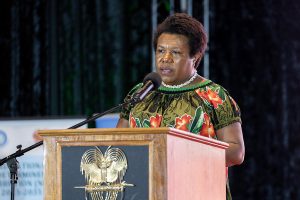
“Our climate commitments must go beyond policy documents and translate into meaningful action that benefits our people and communities,” Sungi said.
She said strong institutions, transparent reporting and inclusive partnerships would be essential to implementing the targets.
The accompanying transparency reports provide technical information to track greenhouse gas emissions and removals, assess progress towards climate targets and support evidence-based policymaking.
The REDD+ Technical Annex outlines measures to reduce emissions from deforestation and forest degradation, improve forest management and strengthen the participation of customary landowners and fair benefit-sharing.
United Nations Resident Coordinator in PNG, Shalini Bahuguna said NDC 3.0 was both a climate commitment and a national development and investment agenda.

“The United Nations family stands united behind the Government’s leadership and the aspirations of its people. Our collective responsibility is to turn these commitments into action that protects lives, strengthens livelihoods, preserves nature and creates opportunities for present and future generations.,” Bahuguna said.
She reaffirmed the UN’s support for government-led implementation through its Climate Promise: Forward initiative and partnerships.
UNDP Deputy Resident Representative Aadil Mansoor said success would depend on whether the commitments produced practical results for communities.
“The real measure of success will be the translation of NDC’s ambition into practical action, its implementation and making sure that communities see and feel its benefits,” Mansoor said.
The Government said implementation would require stronger coordination between agencies, the integration of climate priorities into sectoral development plans, and improved monitoring and reporting systems.
However, PNG’s NDC 3.0 commitments remain conditional on adequate, predictable and accessible international climate finance, technology transfer and capacity-building support.
Development partners supporting the process include the United Nations Development Programme, the NDC Partnership, Asian Development Bank, UN Economic and Social Commission for Asia and the Pacific, Food and Agriculture Organisation, Expertise France and UNICEF.
The Government said national leadership and responsibility for implementation would remain with PNG, despite the support provided by international partners.
The launch marks a shift from preparing climate policies and reporting commitments towards implementation, investment mobilisation and measuring results over the coming years.