
A severe environmental crisis.
Those were the words used by Papua New Guinea’s First Secretary for the Ministry of Transport, Coffee and Meteorology, Nos Werao Itox, to describe what the country is currently facing due to the ongoing super El Niño, and to send a warning to the rest of the Pacific on what’s to come.
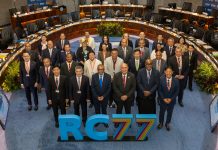
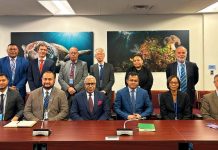
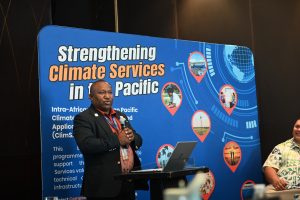
He was speaking at the official opening of the 19th Pacific Islands Climate and Oceans Forum (PICOF-19), which brings together Directors of Pacific National Meteorological and Hydrological Services (NMHSs), climate officers and technical experts from the World Meteorological Organisation’s (WMO) Pacific Regional Climate Centre-Network (RCC) and partners from various regional and international organisations.
The PICOF-19 in Port Moresby comes at a timely juncture, as the country declared a National Humanitarian Crisis this month due to the impacts of what has been described as one of the strongest El Niño events ever recorded on its population of 3 million citizens nationwide.
“In Papua New Guinea, the impacts have been swift, severe, and widespread.”
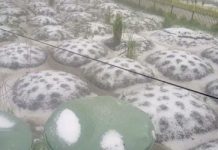
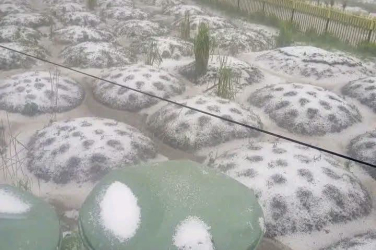
“In high-altitude areas, including Tambul in the Western Highlands, Kundiawa-Gembogl in Chimbu, and parts of Southern Highlands and Hela, unseasonal and destructive frosts have scorched food gardens, wiping out vital staple crops such as sweet potatoes, taro, and banana,” he added.
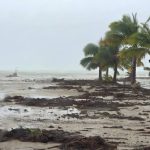
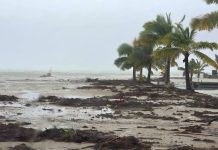
Itox shared that major river systems, including the Sepik River, have experienced extreme water level drops, shrinking waterways and cutting off clean drinking water and modes of transportation to remote communities.
He also emphasised that ‘some boats are sitting on dry land’.
Itox also explained that the Western Province, Gulf, and the National Capital District have reached critical drought threshold, while 12 additional provinces remain under prolonged drought watch.
The Government of Papua New Guinea have responded to the crisis since the declaration of the El Niño event in June this year by putting plans in place to deal with prolonged droughts and its impacts on agriculture, through the El Niño Plan of Action for Agricultural Drought 2026 – 2027, and approving a historic PNGK 1.65 billion (US$370 million) national El Niño support package, which will be disbursed to District Development Authorities and Provincial Administrations to implement local water and food relief operations, and contributing to new emergency national funding.
As Pacific climate experts listened on, the message shared by Papua New Guinea was clear – this El Niño is like nothing any of them has experienced in their careers, and the time to act is now.
Director of the Secretariat of the Pacific Regional Environment Programme’s (SPREP) Climate Science and Information Programme, Salesa Nihmei, issued a challenge to climate officers from Pacific NMHSs gathered at the PICOF to use the next two days as best as they can to ensure they are equipped with all they need, from the science to messaging, when they go back to prepare their countries and advise their governments on the upcoming impacts of El Niño.
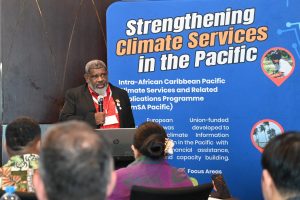
“By the end of this El Niño, I don’t want us to reflect back and wonder what we could have done better. If there is anything that we need to do better, if there is anything that we need our governments to be informed of, this forum and the next two days is where we need to ask these questions and get those answers,” he added.
“In a year’s time, when we convene this forum again, and you will be sitting here as climate scientists that had faced the biggest El Niño that has happened in centuries, I want you to be able to say ‘I have done my best and I gave all I could to my country and my government to ensure that our people are safe, their properties are safeguarded, and information for preparedness was provided.”
Over the next two days, experts from agencies under the Pacific Meteorological Council and the World Meteorological Organisation Regional Climate Centre-Network will be presenting the climate science and information behind what the Pacific can expect over the next six months, and Laitia Fifita, Chair of the Pacific Meteorological Council and President of the World Meteorological Organisation’s Regional Area V (WMO RA-V) reiterated a simple but important point – that climate information delivers its greatest value when it informs decisions at the right time and at the right scale.
“Since 2015, PICOF has demonstrated what effective climate services look like in practice. By translating science into timely and actionable guidance for the dry and wet season, PICOF provides a foundation for resilience across the Pacific,” Fifita said.
But in order to meet the challenges of tomorrow,Fifita said, the forum must continue to evolve.
“I encourage PICOF to remain open to new and sustainable approaches to developing climate services, supported by advances in science and technology to support expansion into sub-seasonal and multi-annual timescales, which are essential for climate adaptation with the people of our countries at the heart of it all.”
“Science remains foundational. PICOF produces critical insights, now we must ensure they are used to their full potential. They must inform decisions, reduce risks, and strengthen resilience across all sectors,” he concluded.
PICOF-19 is being hosted in Port Moresby from 20 – 21 October.