


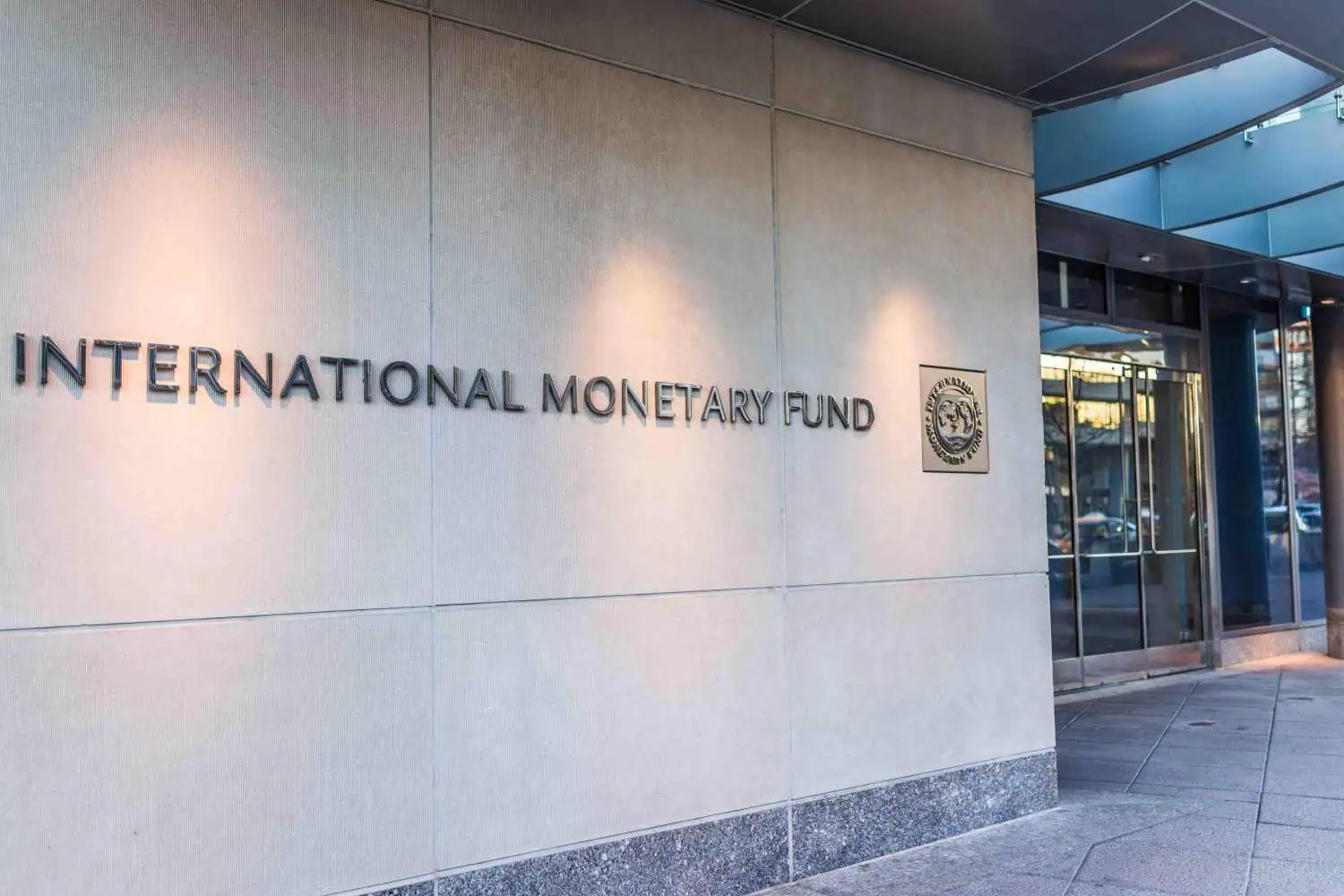
Kiribati’s economic growth is expected to slow to 3 percent this year, down from 4.3 percent in 2025, as high operating costs, global uncertainty and pressure on state-owned enterprises weigh on the economy, according to the International Monetary Fund (IMF).
Following a staff visit published on 16 October, the IMF said Kiribati had remained resilient despite a challenging external environment, but warned that fiscal pressures and exposure to global financial markets posed risks to the country’s economic outlook.
Growth in 2026 is expected to be supported by public spending and construction, although businesses continue to face high operating costs and shortages of skilled workers.
Inflation has eased significantly, with average inflation projected to fall to 2.5 percent this year from 5.9 percent in 2025. End-year inflation is estimated at 3.7 percent.
The IMF attributed the decline to the fading effects of fuel and electricity price increases in 2025, lower international prices, a stronger Australian dollar and reductions in administered prices for selected food items.
However, the Fund said fiscal policy was expected to be expansionary this year, with the overall deficit projected to widen by 2.8 percentage points of gross domestic product (GDP).
The increase reflects supplementary government spending, including a land rent subsidy and additional funding for government operations, as well as continued financing pressures on state-owned enterprises amid elevated international oil prices.
Development expenditure is estimated at 52 percent of GDP, largely financed by external grants equivalent to 40 percent of GDP.
The IMF said fishing revenues remained volatile, while profitability in the sector had declined because of higher intermediate costs.
Despite the fiscal pressures, Kiribati’s financial buffers remain substantial.
The Revenue Equalisation Reserve Fund (RERF) is projected to reach AUD$1.72 billion (US$1.19 billion) by the end of 2026, equivalent to 302.3 percent of GDP.
However, equities now account for more than 60 percent of the fund’s portfolio, increasing its exposure to potential global market corrections.
Public external debt is estimated at 7.7 percent of GDP at the end of this year, although the IMF expects it to rise substantially over the medium term.
The Fund warned that prolonged geopolitical tensions, higher commodity and shipping costs, weaker fishing revenues and reduced development assistance could further strain the country’s fiscal and external balances.
It also cautioned that adverse global market movements could reduce returns on the RERF and limit financing available for public investment.
To address these risks, the IMF called for gradual, growth-friendly fiscal consolidation over the medium term, supported by credible revenue and expenditure measures while protecting priority development and climate spending.
If international oil prices remain high, domestic fuel prices should be adjusted gradually towards cost recovery, with temporary and targeted assistance provided to vulnerable households.
The IMF also recommended strengthening revenue collection, reducing tax expenditures and improving the efficiency of recurrent government spending when economic conditions permit.
It said a rules-based approach to withdrawals from the RERF, integrated into a medium-term fiscal framework, would help preserve the fund’s long-term value while allowing the Government to respond to economic shocks.
Beyond fiscal policy, the IMF highlighted the need for better reporting and oversight of fisheries joint ventures to improve economic statistics and assess government revenue, tax concessions and potential fiscal risks.
Although some joint ventures submit financial statements to the tax authority, confidentiality restrictions limit wider access to the information needed to assess production, pricing, profits and payments to the Government.
The Fund said stronger reporting arrangements and appropriate information-sharing between government agencies would improve transparency while protecting legally confidential information.
It also noted progress in infrastructure development, including an operational desalination plant, ongoing sanitation and road projects, and solar power facilities with a combined capacity of 7.5 megawatts moving towards full operation.
These investments are expected to strengthen water security and improve electricity supply reliability.
The IMF said access to financial services was also expanding through direct payment of social benefits into bank accounts and wider use of digital payments. However, lending remained constrained by gaps in land-title records and borrower information, while limited supervisory resources continued to hamper comprehensive monitoring of financial risks.
The Fund emphasised that continued investment in public financial management, revenue administration, debt management, financial supervision and economic statistics would be important to strengthen resilience.
The IMF’s findings are preliminary and will inform a report to be prepared by staff, subject to management approval, for consideration by the Fund’s Executive Board.