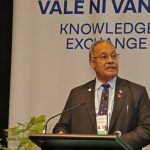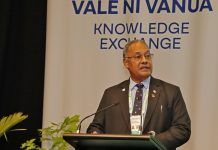

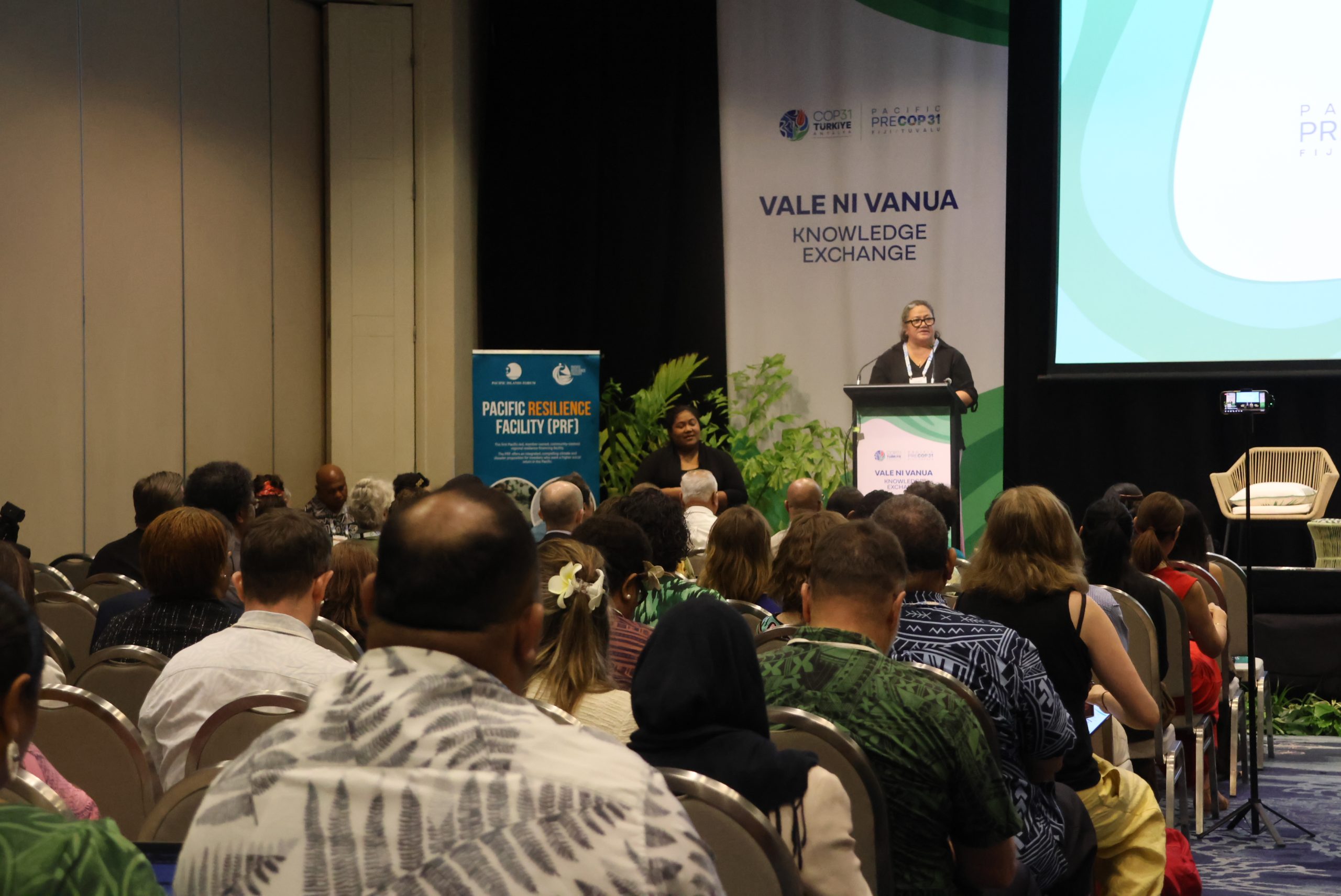
Pacific Islands Forum Deputy Secretary General Desna Solofa says the Pacific Resilience Facility (PRF) is moving climate finance directly to communities on the frontline of climate change, without adding to national debt.
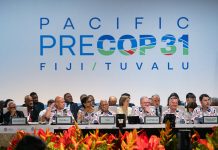
Speaking at a Pacific Pre-COP31 side event on the PRF, Solofa said the first Community Impact Demonstration Grants marked a key step in delivering one of the Pacific Islands Forum Leaders’ priorities.
“Today, we are here to bear witness to one of the significant visions of our Pacific Islands Forum Leaders in action, through the very first PRF Community Impact Demonstration Grants,” Solofa said.
She said the grants were designed to ensure communities could access funding for disaster preparedness and climate adaptation projects without increasing sovereign debt.
“Ensuring that our communities have access to resources to build disaster preparedness and climate adaptation projects without adding to national sovereign debt is the reason why the Pacific Resilience Facility was established,” she said.
The first grant package is being rolled out five months after the PRF Treaty entered into force, with Solofa saying the accelerated deployment responds to the urgent needs of communities facing worsening climate pressures, including adverse El Niño conditions.
“This is the first of three grant packages that the Pacific Resilience Facility will be rolling out, just five months after the PRF Treaty entered into force,” she said.
“The accelerated deployment of PRF grants directly responds to the call for urgent action from our communities, many of whom are facing the brunt of adverse El Niño conditions.”
The current community projects cover several Pacific countries and focus on practical measures to strengthen climate resilience.
They include community-based water quality monitoring in remote atolls in the Marshall Islands, household rainwater harvesting in Nauru, restoration of native coastal trees in Tonga, household garden beds for food security and nutrition in Niue, and sanitation, waste management and climate resilience initiatives in Solomon Islands.
Solofa said the projects demonstrated how the PRF could support locally driven responses to climate impacts.
“This is just the beginning, and we look forward to your continued support,” she said.
The PRF is a regional climate finance mechanism established by Pacific Island countries to improve access to grant-based financing for community-level resilience and adaptation.
Solofa said Pacific leaders had reaffirmed the PRF as the region’s leading climate finance investment priority and called for stronger advocacy to increase its capitalisation.
“Forum Leaders have reaffirmed the PRF as the Pacific region’s pre-eminent climate finance investment priority, and have also called for enhanced regional advocacy to support the capitalisation of the PRF,” she said.
She acknowledged the contributions of Pacific Islands Forum members, development partners, funders, implementation partners and Pacific communities involved in the programme.
The Community Impact Demonstration Grants are being presented at the Pacific Pre-COP31 meeting as an example of implementation ahead of COP31.
Solofa said the Forum would continue working with partners to expand the initiative.
“We look forward to taking this work further with all of you in the coming months,” she said.