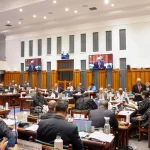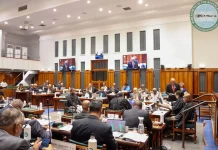
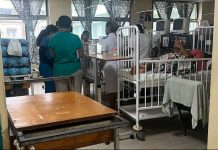
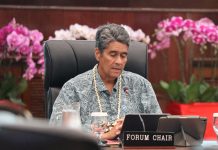
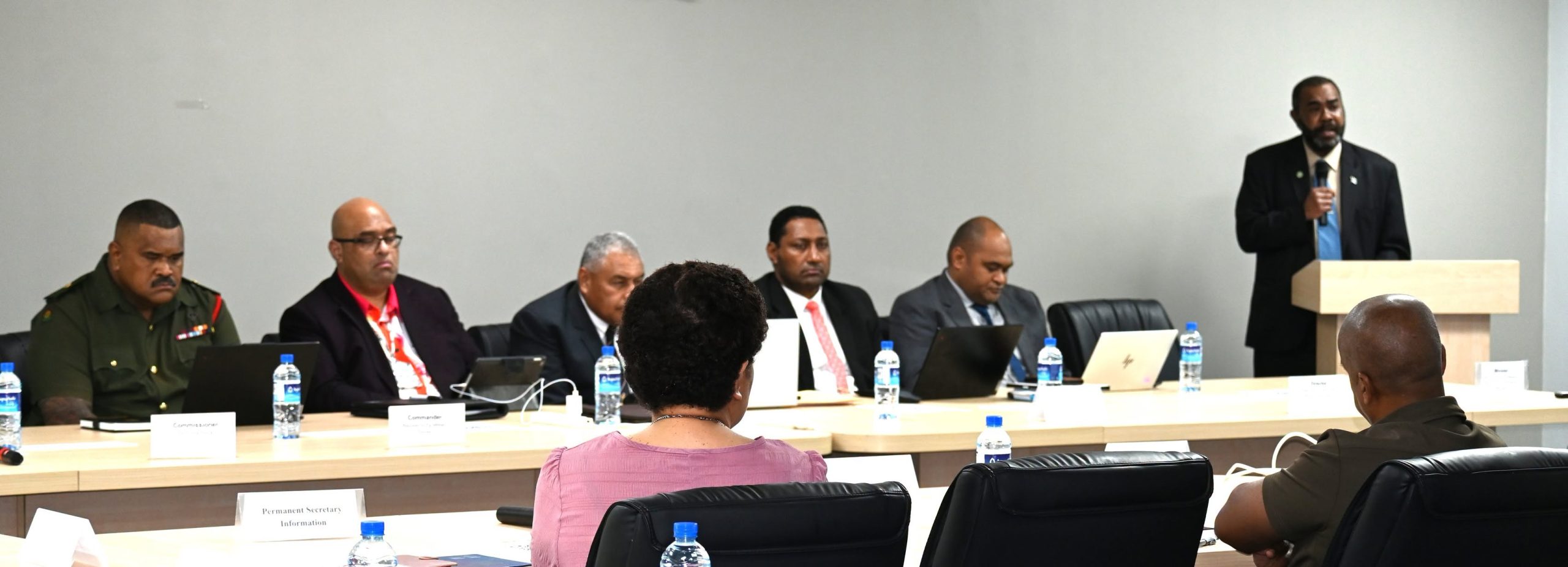
Fiji is stepping up national preparedness and coordination as El Niño conditions continue, with the National Disaster Risk Management Council meeting in Suva to assess risks and response measures.
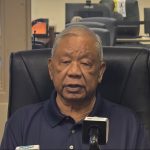
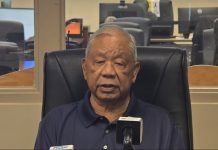
The meeting was chaired by Minister for Rural and Maritime Development and Disaster Management Mosese Bulitavu, who called for early action rather than waiting for impacts to worsen.
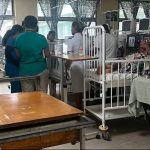
Bulitavu said the Government needed a coordinated approach to risks affecting water security, agriculture, health, food supplies, livelihoods, critical services and vulnerable communities.
A key focus was the latest climate outlook from the Fiji Meteorological Service, which will guide the Council’s assessment of national preparedness and response arrangements.
The Council also reviewed the National El Niño Preparedness and Response Plan, which sets out risks, priorities and actions for government agencies and other stakeholders as conditions develop.
Bulitavu said disaster risk management must focus on anticipating hazards and strengthening preparedness before emergencies occur.
“Disaster risk management must extend beyond response when disasters occur,” he said, stressing the need for coordinated action before, during and after emergencies.
The Council also considered broader measures to strengthen Fiji’s disaster management system.
These included proposed amendments to the National Disaster Relief and Rehabilitation Fund Guidelines, the National Emergency Telecommunications Plan for Fiji, and the Disaster Risk Management Competency Framework and Capacity Building Roadmap 2026–2030.
Members also discussed a revised Climate Smart Community-Based Disaster Risk Management Training Manual aimed at strengthening preparedness and disaster risk management knowledge at community level.
Preparations for National Disaster Risk Management Awareness Week 2026 were also discussed.
Bulitavu called on Council members to provide practical and strategic guidance and ensure decisions were translated into clear, coordinated and measurable actions.
The meeting comes as Fiji continues to monitor El Niño conditions and their potential effects on communities, essential services and key sectors of the economy.