
How one observer transformed electronic reporting in the Pacific?
The success story of a longline fisheries observer.
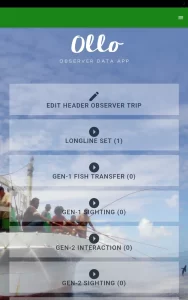
OLLO, the Observer Data App
Out on the open central Pacific Ocean, far from land and beyond standard communication networks, Pacific Islands Regional Fisheries Observers (PIRFO) carry a critical responsibility: collecting the data that underpins the sustainable management of the world’s largest tuna fisheries.
For decades, this vital work has been done in isolation. But a pioneering trip in 2026 by an observer on a tuna longline vessel has officially changed the game.
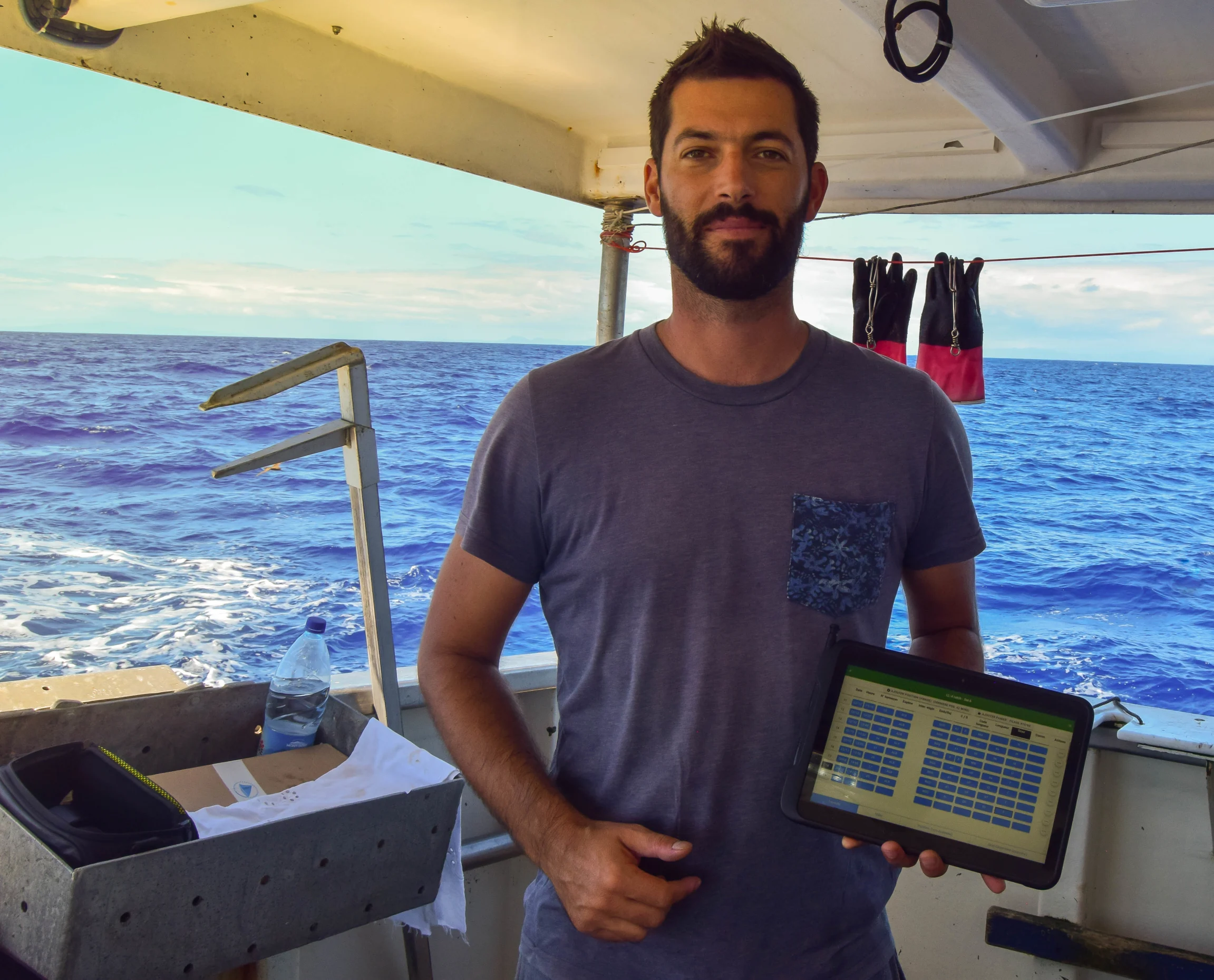
When Iowane Varani Koroi, working for the Cook Islands Observer Programme, stepped on board for his latest assignment, he noticed the fishing company had recently installed a low earth orbit satellite communication system. There was no formal directive for the observer to use it; just a network, a password, and a massive opportunity. He took it!
Using the Offline LongLine Observer (OLLO) app on his tablet, Iowane recorded his observations as usual. But instead of waiting until the vessel returned to port months later, he began uploading his data directly from the fishing grounds. Week after week, his data flowed directly into the regional Tufman2 database — the Tuna Fisheries Data Management System that is a web database developed for Pacific Island Countries to manage their tuna fishery data.
The power of near real-time feedback
With each weekly upload, the traditional lag in fisheries data management vanished, unlocking immediate benefits:
*Instant quality control: Data quality checks were performed while the trip was still underway. Minor anomalies were flagged early and corrected by Iowane while events were fresh in his mind.
*Live software support: When a minor bug was identified within the OLLO app, the Pacific Community team fixed and redeployed the update mid-trip, benefiting not only Iowane, but the entire regional network of observers.
*Biological verification: Iowane utilized online Tufman2 reporting tools to cross-check his physical biological samples against his electronic records in real time, adding an extra layer of scientific integrity.
“With a low earth orbit satellite communication system, I was able to upload my data while still at sea and get feedback straight away. If there were any issues with OLLO, I could contact SPC and we would fix it during the trip. It also meant my data was already backed and verified up in Tufman2, so I knew it was safe. It really helped me because I wasn’t waiting until the end I was supported the whole time.”
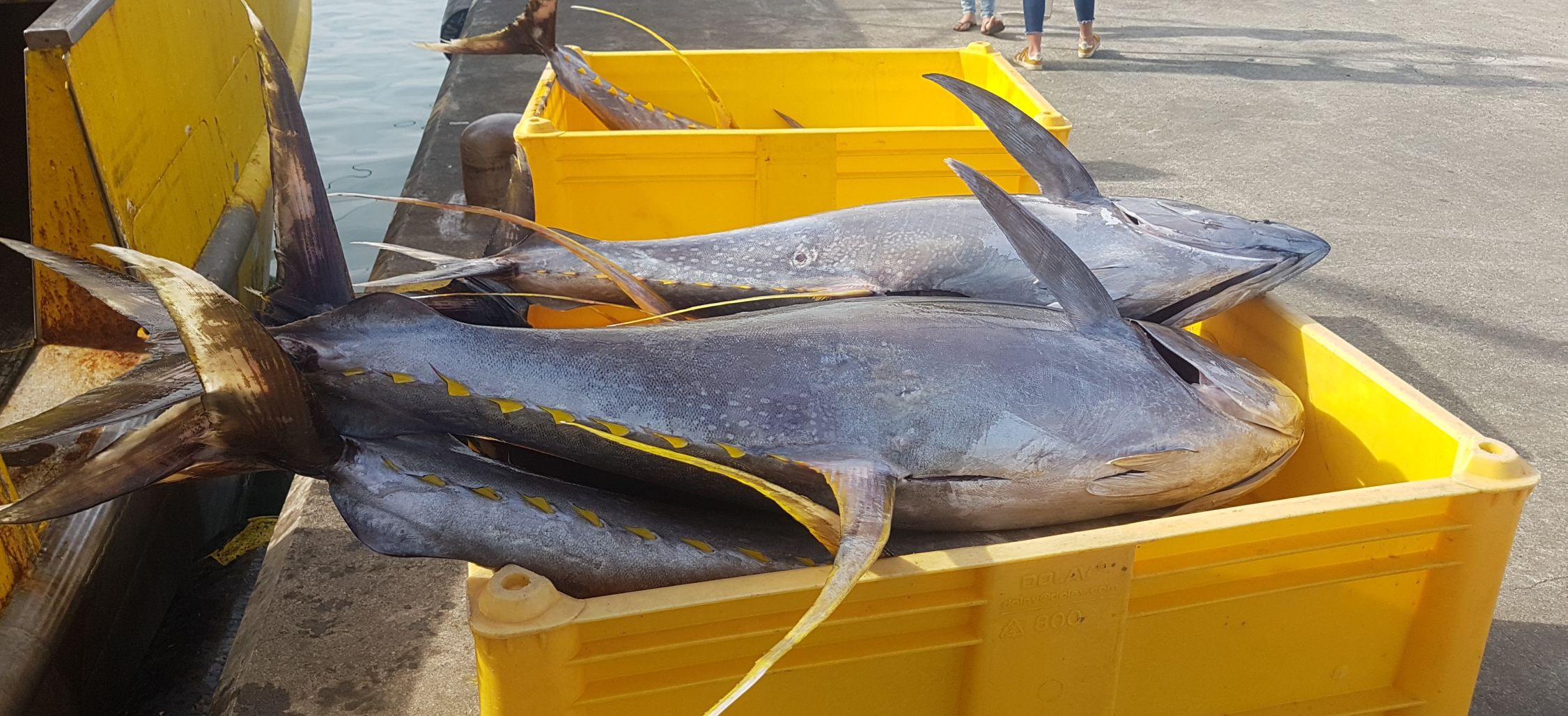
By the time the vessel returned to port, 71 days after departure, Iowane had meticulously recorded all 58 fishing sets. Because his dataset was already securely uploaded, completed, and largely verified, the post-trip workflow was transformed.
Instead of a gruelling process of reconstructing events from memory weeks after the fact, the official debriefing became an efficient confirmation step. Just a few days after disembarking, Iowane’s data was fully debriefed and available to support critical scientific analyses.
“Receiving Iowane’s observer data on a weekly basis was a significant improvement for our programme. It allowed us to carry out early data quality checks while the trip was still underway, identify and resolve minor issues promptly, and ensure data was securely uploaded and monitored in Tufman2. Having this level of visibility in near real time also reduced pressure on the end-of-trip debriefing. Overall, this approach improved data reliability, streamlined workflows on return to port, and strengthened our ability to support observers while they are at sea,” said Bermy Ariihee, Observer Coordinator – Cook Islands Ministry of Marine Resources.
Industry cooperation and perspective
This digital leap was enabled by the vessel operator’s decision to share their connectivity. Providing the observer with Wi-Fi access proved to be a practical, zero-disruption decision that yielded massive returns for data integrity.
“We are happy to support this initiative. Providing stable Wi-Fi access to the observer had no significant impact on our operations or data usage. We are pleased that it helped improve data transmission and observer support at sea,” said Fishing Company Base Manager.
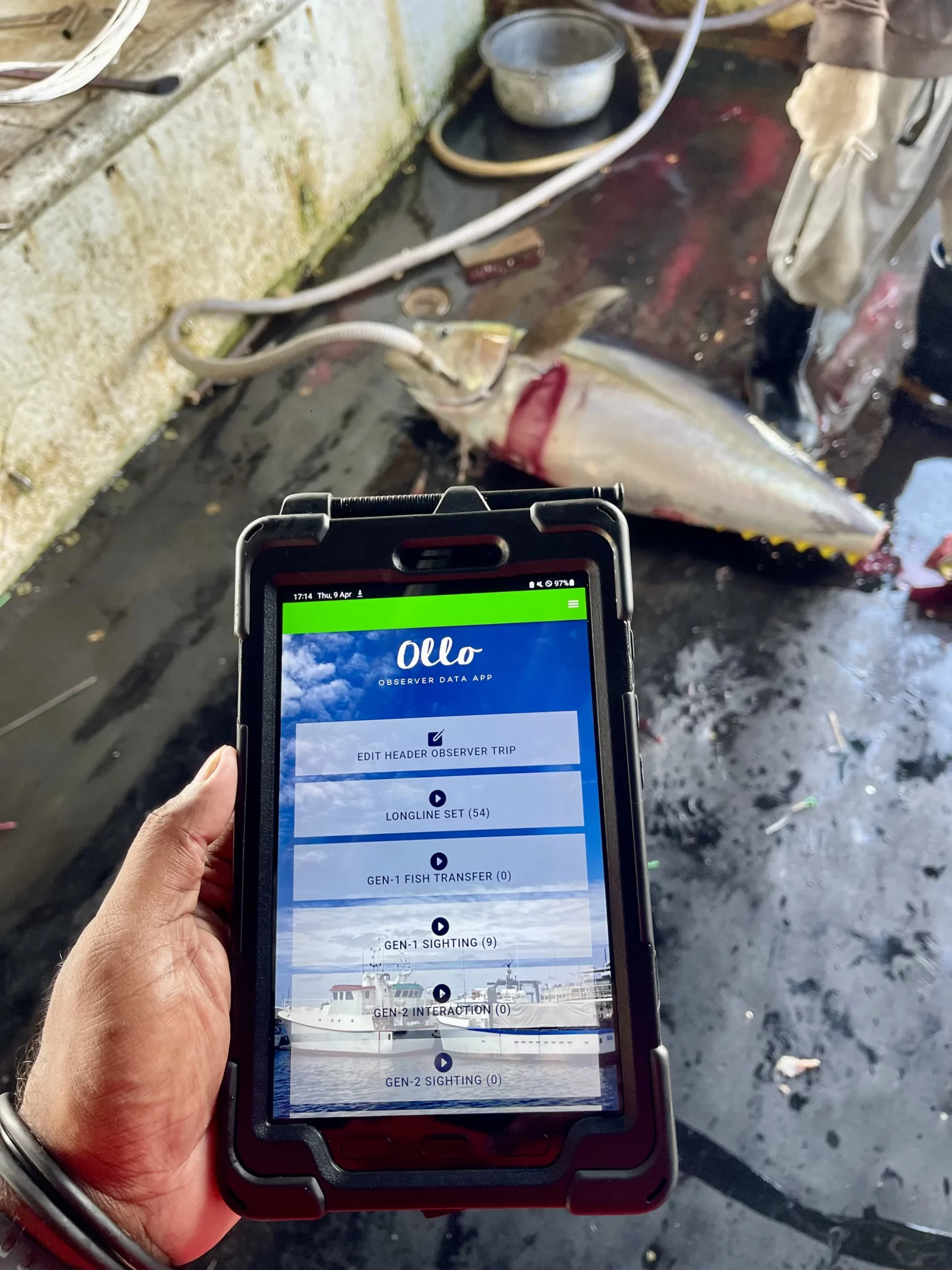
Behind the Tech, a framework of support
This real-time success is backed by a collaborative, user-focused ecosystem. The OLLO app is developed internally at the Pacific Community in close partnership with regional fisheries observers, ensuring the app directly responds to their needs on deck. To make these transitions seamless, SPC provides dedicated online and in-person training alongside direct implementation support to national observer programmes. There are dedicated social media communication channels for OLLO technical support; observers can therefore contact Pacific Community staff directly, on a one-to-one basis, ensuring they receive personalised and immediate help and support simply by sending a message.
The human impact beyond data
Connectivity at sea changes what it means to be a fisheries observer. For Iowane, being connected meant he could easily coordinate with his managers, receive live technical support, and, crucially, maintain regular contact with family and friends.
“Being connected at sea makes a big difference for an observer. You can talk to your family, contact your coordinator, and ask for help when something comes up. It helps you feel less isolated, even though you’re far from home, and that gives you a clearer mind to focus on your work,” said Iowane Varani Koroi, Fisheries Observer for the Cook Islands Observer Programme.
A glimpse into a connected future
It all started with one observer, one connection, and the willingness to try something new. This is more than a single success story, it is a living blueprint of what Pacific longline observer programmes can achieve at scale.
By combining a connected vessel, a capable observer, and robust tools like OLLO and Tufman2, the region is stepping into an era of near real-time data integrity, streamlined port workflows, and significantly safer, better-supported observers.
For more information: Malo Hosken, Regional E -Reporting Coordinator, Pacific Community | maloh@spc.int
Véronique Waneisi, Communication Assistant – Digital Content, Pacific Community | veroniquew@spc.int