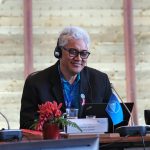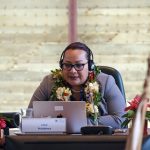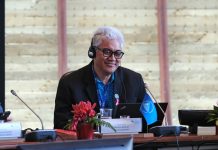
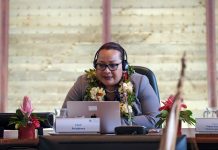


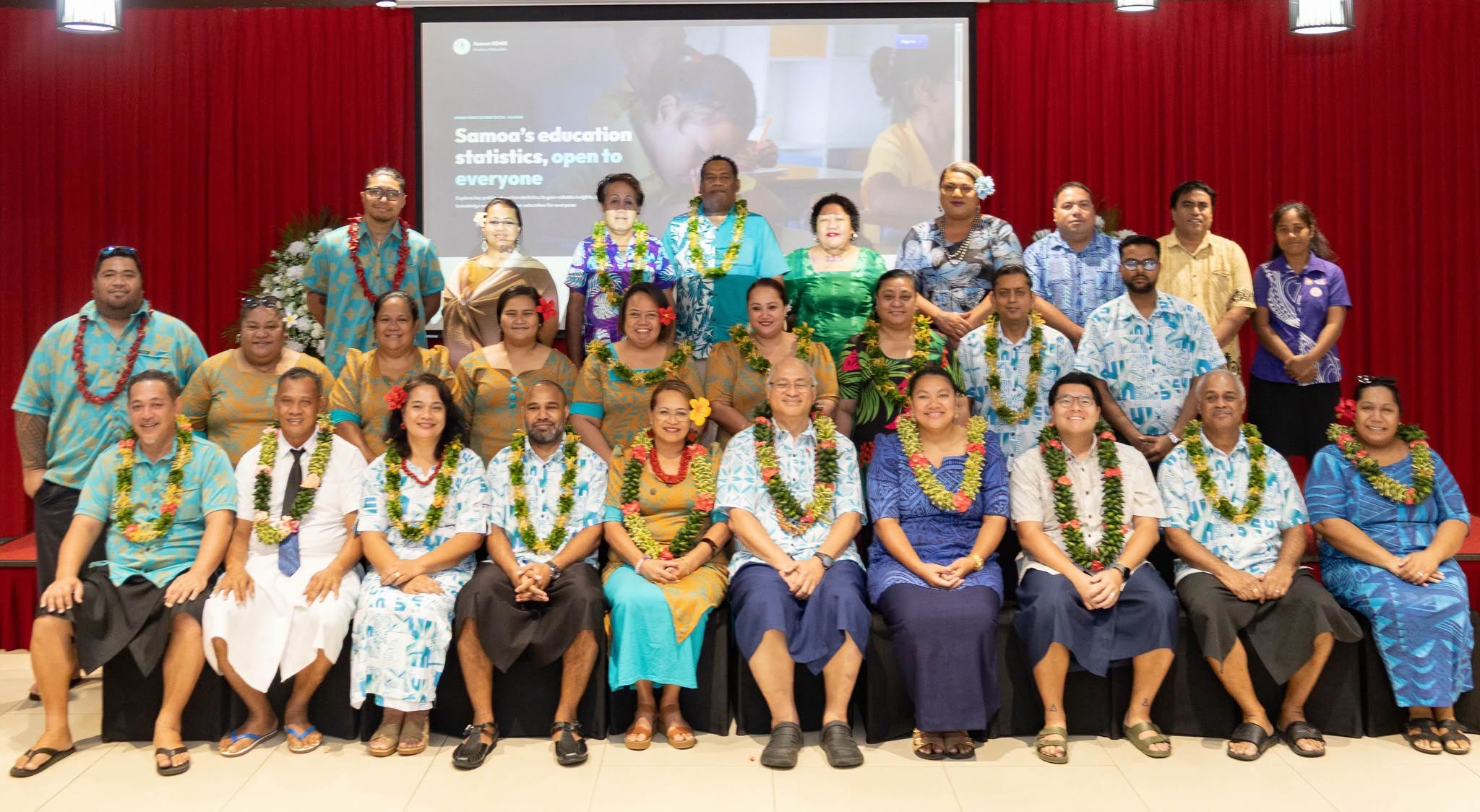
The Pacific Community (SPC) says the launch of the Samoa Education Management Information System (SEMIS) marks a major step in strengthening education planning, management and decision-making in Samoa.
Speaking at the launch, SPC Team Leader for Information Technology in Education, Senitiki Rokocakau, said the system forms part of SPC’s work on Education Management Information Systems (EMIS) through its Educational Quality and Assessment Programme (EQAP).
“Today is more than the launch of a digital platform. It represents a significant step in strengthening the foundations of education planning, management and decision-making in Samoa and across the Pacific region,” he said.
Rokocakau thanked the Government of Samoa, the Ministry of Education, Sports and Culture, development partners and others who contributed to the project.
He said reliable and timely data is essential for education systems to respond to challenges, including improving learning outcomes, addressing teacher shortages, building resilience to climate change and ensuring equitable access to education.
“Data is the compass of modern education systems. It tells us where we are, where we need to go and whether we are on the right course.”
Rokocakau said consultations with Pacific countries and partners, including the Global Partnership for Education (GPE), found many countries faced difficulties collecting, managing, analysing and reporting education data.
“Too often, valuable information remained fragmented across schools, districts, and ministries hence, education leaders were required to make important decisions without access to complete or current information.”
He said this led Pacific countries to identify stronger education information systems as a regional priority under the Pacific Regional Education Framework (PacREF).
Through support from the GPE’s System Capacity Grant, SPC developed the Pacific Schools Information Management System (PacSIMS-EMIS), a regional platform.
“SEMIS is Samoa’s version of PacSIMS-EMIS, tailored to the country’s education system and local context.”
“PacSIMS-EMIS is therefore not simply a technical solution. It is a capacity-building initiative. It is an investment in stronger education systems and in the future of Pacific learners,” he said.
Rokocakau said one of the platform’s key strengths is that it is a regionally owned Pacific solution designed to strengthen national ownership and regional collaboration.
“The Samoa EMIS has been developed in collaboration with Samoa Ministry, for Samoa”
He said the system integrates information on students, teachers and schools to support planning and decision-making, while also strengthening national reporting and monitoring of progress towards Sustainable Development Goal 4.
“The Samoa EMIS is part of a growing regional movement committed to strengthening education through better data and stronger systems,” said Rokocakau.
Rokocakau said the launch reflected the ministry’s commitment to innovation, accountability and continuous improvement, as well as the work of ministry staff, school leaders, teachers, technical teams and development partners.
He said the launch marked the beginning of the next phase of the system.
“The launch of the Samoa EMIS is not the end of a journey. Rather, it is the beginning of a new voyage.
“Like a trusted compass, the true value of the Samoa EMIS lies in how it is used. Its effectiveness will be shaped by the quality of the data collected, the insights drawn from analysis and the evidence-based decisions it supports,” Rokocakau said.
Rokocakau said SPC remains committed to working with Samoa and other Pacific Island countries to strengthen education systems and improve learning outcomes across the region.