


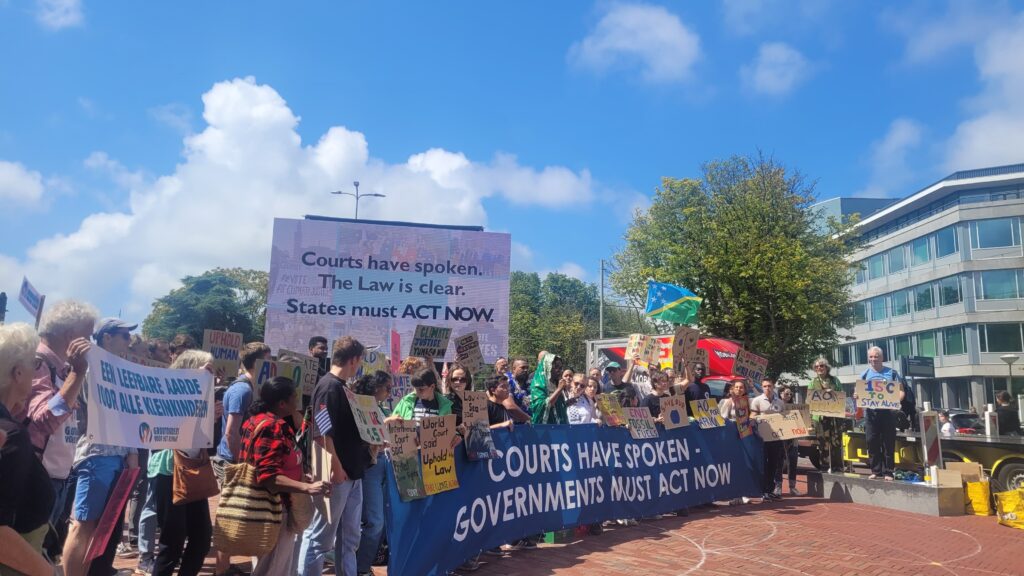
One year after the International Court of Justice’s landmark climate advisory opinion, Pacific leaders and the student campaigners behind the case are calling for governments to translate the historic legal victory into meaningful climate action.
Marking the first anniversary of the court’s unanimous ruling during a commemorative webinar, speakers said the Pacific-led campaign had reshaped international climate law by affirming countries’ legal obligations to protect the climate system.
But they warned the real test now lies in turning that legal clarity into action ahead of pre-COP discussions and COP31 later this year.
The advisory opinion, delivered on 23 July 2025, confirmed that states have obligations under international law to protect the climate system from greenhouse gas emissions and that failure to meet those obligations could carry legal consequences.
For Pacific Islands Students Fighting Climate Change (PISFCC) director Vishal Prasad, the anniversary was a reminder of how an idea conceived by students in a University of the South Pacific classroom grew into one of the most significant climate rulings in history.
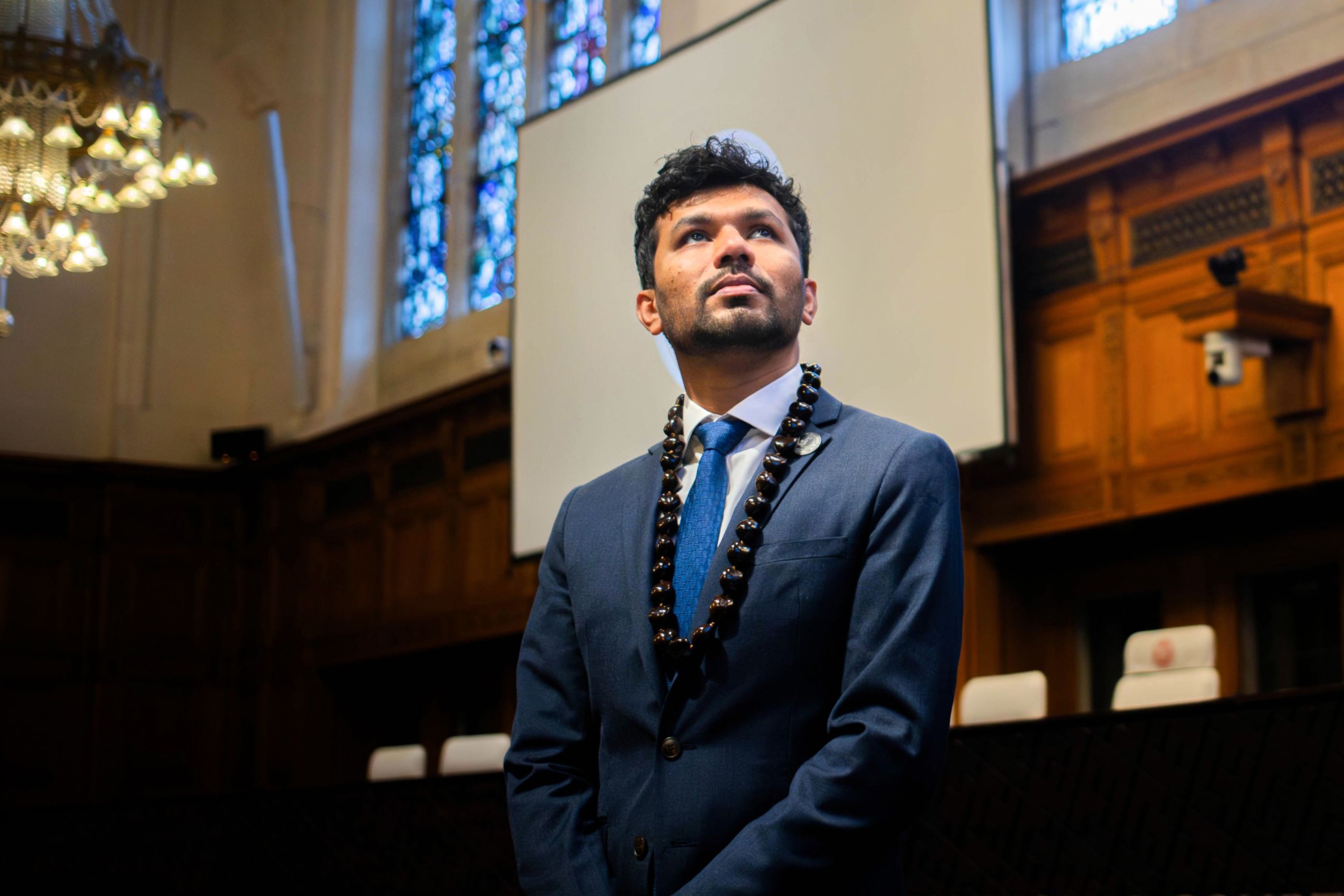
“One year ago, today, exactly to this day, we stood… at the Peace Palace in The Hague, and we listened as the world’s highest court read out unanimously what our region had been campaigning for six years.”
Prasad said the achievement belonged not only to those who led the campaign, but to the Pacific region.
“From a classroom to the bench of the world court, and then back to the floor of the General Assembly in six years. No region has done this before.”
Vanuatu High Commissioner to Fiji Viranria Brown said the campaign had demonstrated what Pacific nations could achieve when they worked together.
“The ICJ advisory opinion represents one of the most significant examples of Pacific leadership in international diplomacy in recent decades.”
She said the movement’s origins reflected what made it unique.
“The journey began not in government, as we know, but with our students, our youth from the USP campus in Vanuatu, whose vision was embraced by the Government of Vanuatu.”
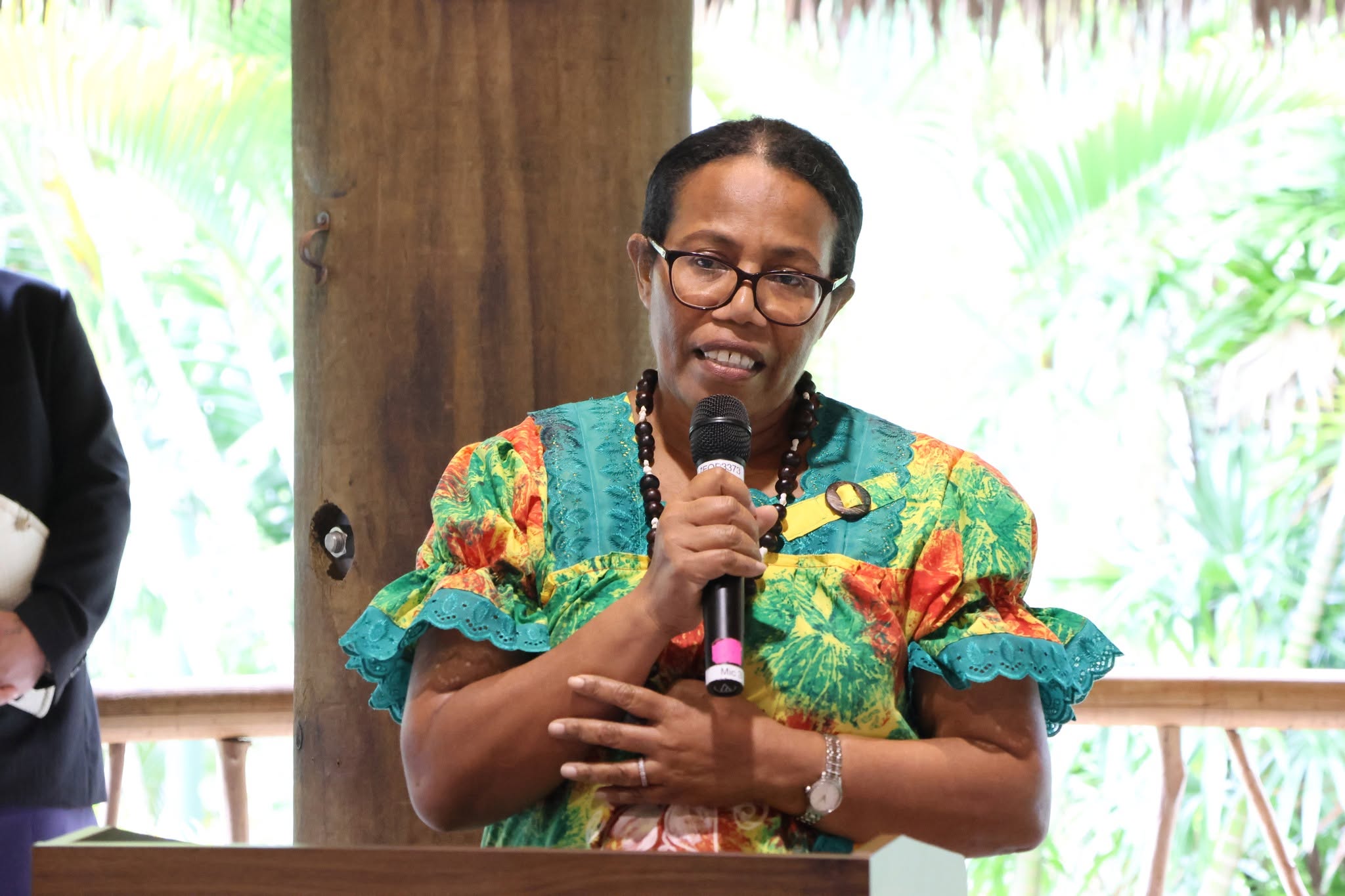
Brown said the campaign proved “that even the smallest and the most vulnerable climate states like ours and the Pacific can shape international law when they combine principled leadership, strategic diplomacy and broad partnership.”
While speakers celebrated the legal victory, they agreed the next phase would be defined not by the ruling itself, but by how governments use it.
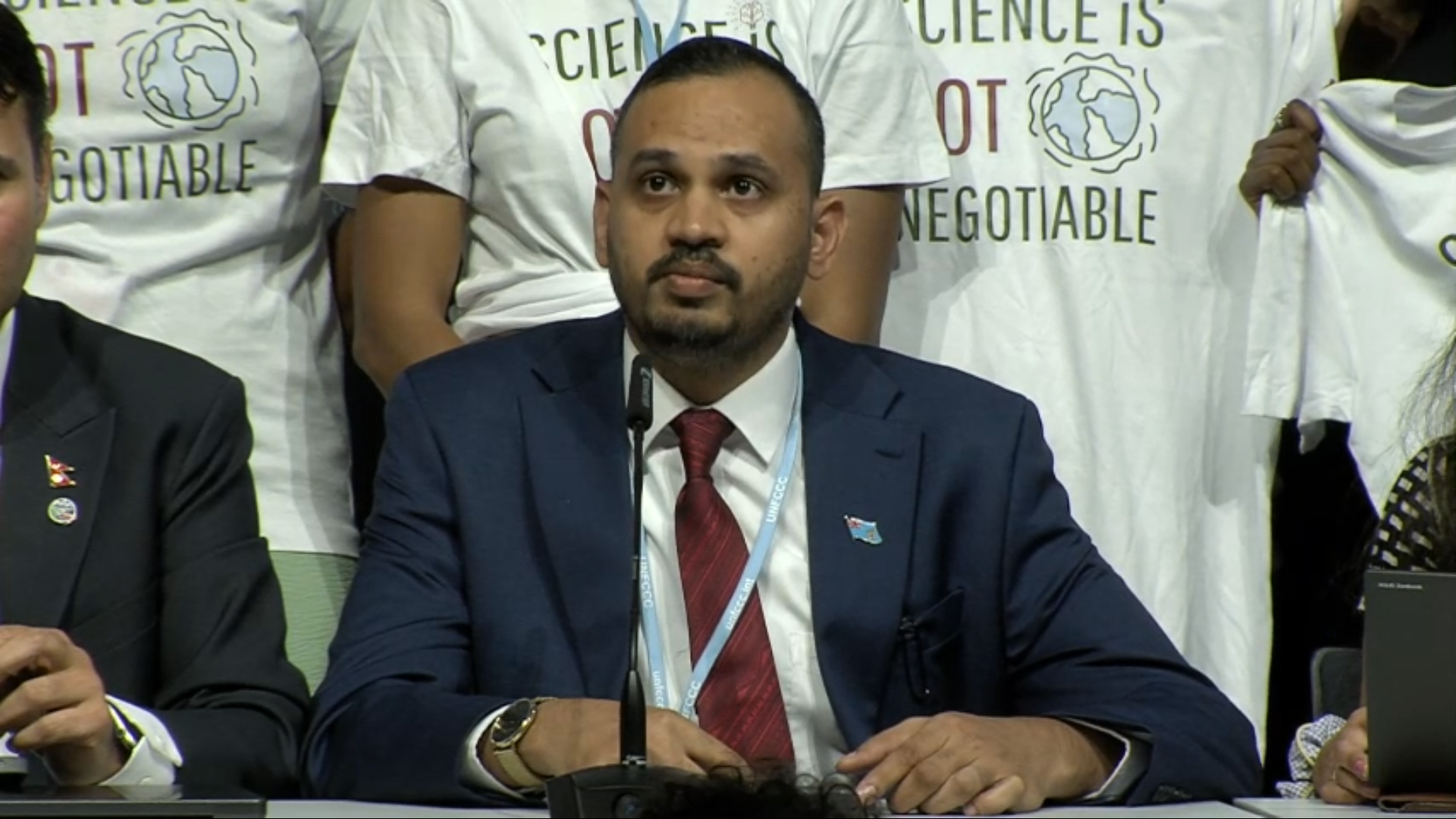
Fiji’s Permanent Secretary for Environment and Climate Change, Dr Sivendra Michael, said the advisory opinion had fundamentally changed the basis of global climate negotiations.
“The Pacific no longer negotiates on the basis of a moral appeal, vulnerability or charity. We negotiate on the basis of the law.”
He said the ruling should underpin every Pacific negotiating position heading into COP31.
“The advisory opinion is the foundation the Pacific must stand on at COP31.”
Dr Michael said the court had also settled one of the most contested issues in climate negotiations.
“The 1.5-degree temperature guardrail is the legal threshold. It is not an aspiration.”
He warned countries seeking to weaken climate science that the Pacific would continue to defend it.
“Those that choose to question the science… they are not the friends of the Pacific, and definitely they are not friends of Fiji.”
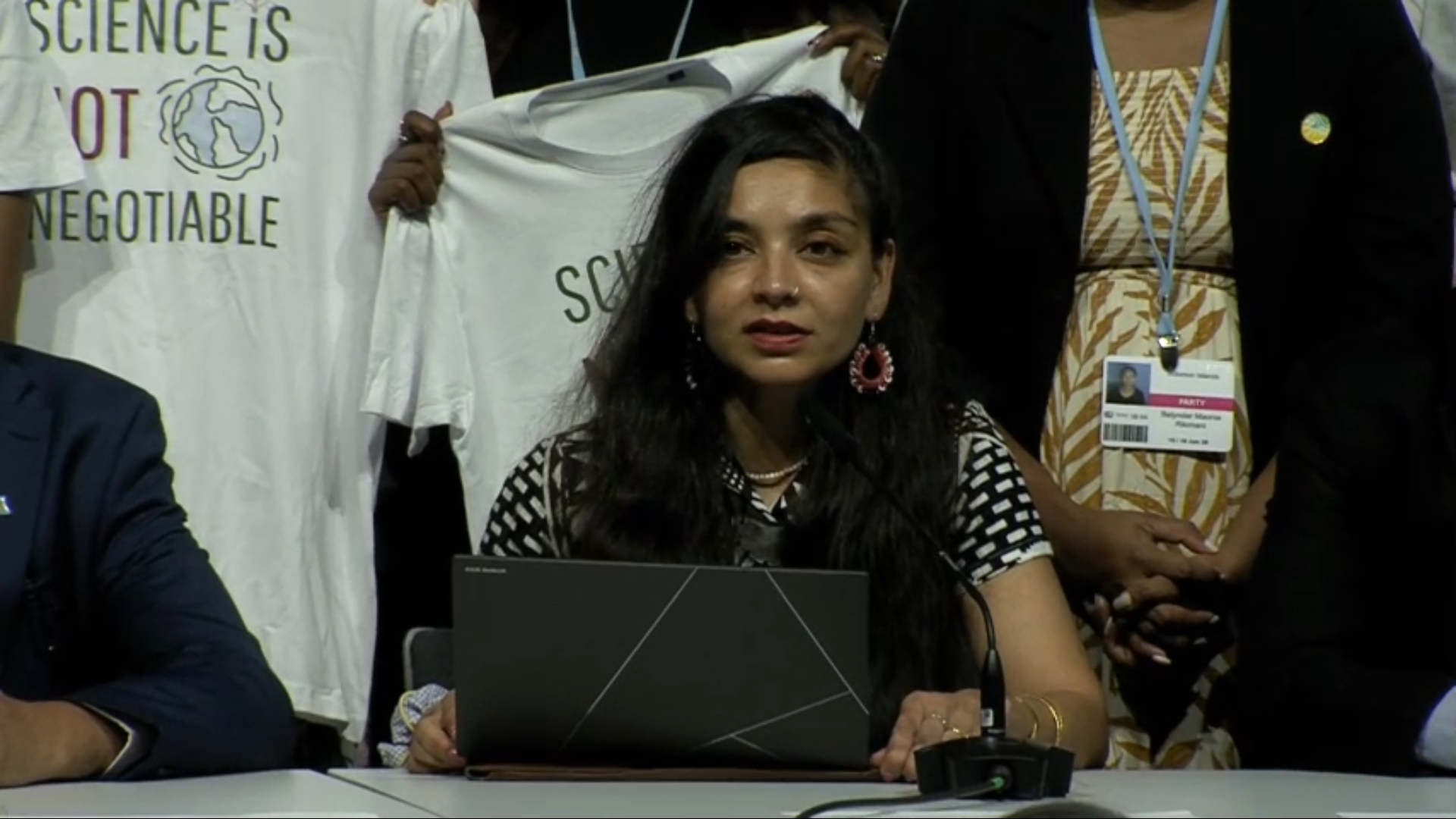
Pacific Islands Climate Action Network International Policy Lead Dr Sindra Sharma said the advisory opinion had strengthened the legal position of vulnerable countries, even as resistance to its implementation had intensified.
“One year after that landmark victory, the climate policy world is characterised by a stark divide between unprecedented legal clarity and now severe political obstruction.”
Despite the pushback, she said the resistance reflected the scale of the change the advisory opinion had created.
“This is expected when you are actively changing systems, when you are world-making.”
She said Pacific negotiators were already seeing the difference the ruling had made.
“When the Pacific shows up… they show up with a different kind of strength behind them now.”
She added that “the legal clarity provided by the ICJ has consistently outpaced the procedural readiness to enforce it.”
Brown said the advisory opinion had shifted the international conversation from political ambition to legal responsibility.
“The ICJ opinion now changes the conversation from what states should do to what international law requires them to do.”
Greenpeace Australia Pacific Head of the Pacific Shiva Gounden said the movement succeeded because it united students, governments, lawyers, scientists, Indigenous communities and civil society around a common purpose.
“Monumental initiatives of justice usually starts with one person and becomes a movement. In this case, in the true Pacific way, it started off as a small collective.”
He said the coalition demonstrated “that when a movement is anchored in unity, humility, and shared survival, no tide can turn it back.”

Gounden said the court’s ruling finally brought international law into line with what climate science had been saying for decades.
“Science, which has been loudly telling us for decades, but today the law has finally caught up.”
But he cautioned that the advisory opinion alone would not protect communities already living with the impacts of climate change.
“A legal ruling alone does not hold back the sea. A piece of paper in The Hague will not rebuild communities after a Category 5 cyclone.”
As governments prepare for another round of international climate negotiations, Gounden said the responsibility now lies with leaders to ensure the advisory opinion delivers meaningful change.
“The opinion is our new map but we are the ones who must navigate that ship,” he said.