Tackling the transboundary plastic pollution problem remains on the agenda this year with the global community uniting next week in Nairobi.
Living in the world’s largest ocean, plastic pollution is a critical issue for our Pacific islands, they will be meeting in person with over 190 countries to find a way forward.
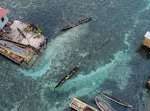
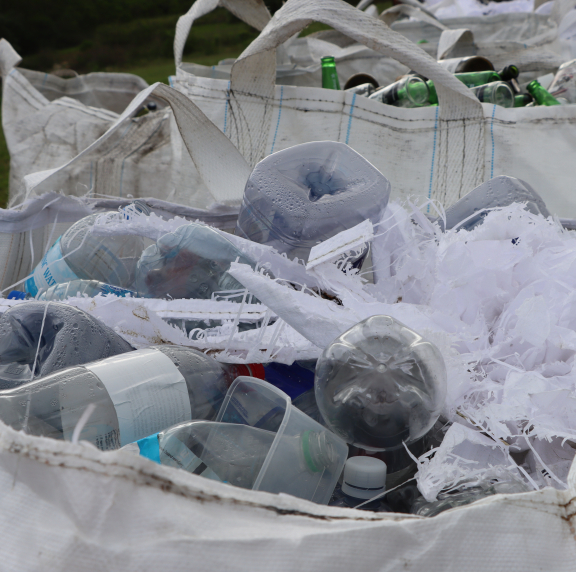
Every year over 19 million tonnes of plastic waste leaks into aquatic ecosystems, polluting lakes, rivers and seas with over 75 million tonnes of plastic now estimated to be in the ocean.
In March 2022 a historic resolution was adopted to develop an international legally binding instrument to end plastic pollution including in the marine environment. This work has been conducted through an Intergovernmental Negotiating Committee (INC) consisting of representatives from over 190 countries to develop text for this instrument.
Across the period of four years from 2022 to 2026, seven sessions have been held leading to the Heads of Delegation meeting to be held in Nairobi next week. These are known as INC’s with INC 1 to 4 having taken place as well as three sessions of INC 5, those being INC 5.1, 5.2 and 5.3.
“As a Pacific Islands region we tackle this issue at all levels, we are working towards a global treaty that will help end plastic pollution and that’s significant for us given our large ocean and limited land space,” said Anthony Talouli, Director of Waste Management and Pollution Control of the Secretariat of the Pacific Regional Environment Programme (SPREP).
“While we work to have this happen, we’re also taken steps nationally as well as regionally – our Pacific islands are passing legislation to end single-use plastics, some have banned single-use plastic items, others are putting value to recycling plastics such as collecting fees to manage plastic at its end of life, whilst continuing to collect data through marine litter surveys and coastal clean ups. Our Pacific leadership is being demonstrated in so many ways as we work to tackle this huge problem,” he said.
Partnerships play a key role in advancing Pacific Islands voices in the international legally binding instrument to end plastic pollution.
SPREP has worked with Pacific Islands as they negotiate, including coordination of a range of webinars supported by partners, and holding Pacific Islands meetings to strategise a way forward.
The range of issues covered in the negotiations includes plastic products and design, releases and leakages, plastic waste management, existing and legacy plastic pollution, amongst many other areas of concern.
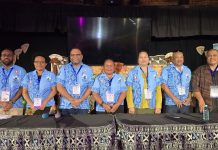
From 30 June to 03 July at the United Nations Environment Programme Office in Nairobi, 12 Pacific Heads of Delegations are confirmed to engage in the ongoing discussions as the world prepares for the fourth part of the resumed session of the INC (INC5.4).
“We understand that these types of negotiations feel so far removed from the everyday happenings in our lives as Pacific islands people, yet the reality is that what is agreed to at this global level will impact us all on the ground eventually,” said Talouli.
“Plastic pollution is a very real, visible problem – where do we put plastic when we no longer have any use for it? How do we address the chemicals within plastic which may have harmful effects on human health? How do we protect our ocean backyards from transboundary plastic pollution? Just this week our team whilst carrying our coastal surveys in Wallis and Futuna found plastic PET water bottles from Samoa. All of these can be addressed in this global treaty – it’s imperative that we are heard in these spaces,” he said.
The Informal in-person meeting of Heads of Delegation to the Intergovernmental Negotiating Committee on Plastic Pollution will take place from 30 June to 03 July 2026 in Nairobi.
The Cook Islands, Federated States of Micronesia, Fiji, Kiribati, Niue, Palau, Papua New Guinea, Republic of the Marshall Islands, Samoa, Tonga, Tuvalu and Vanuatu have confirmed attendance to the Heads of Delegation meeting and will be supported by SPREP..