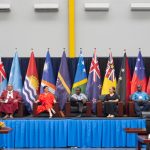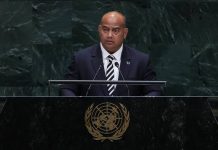

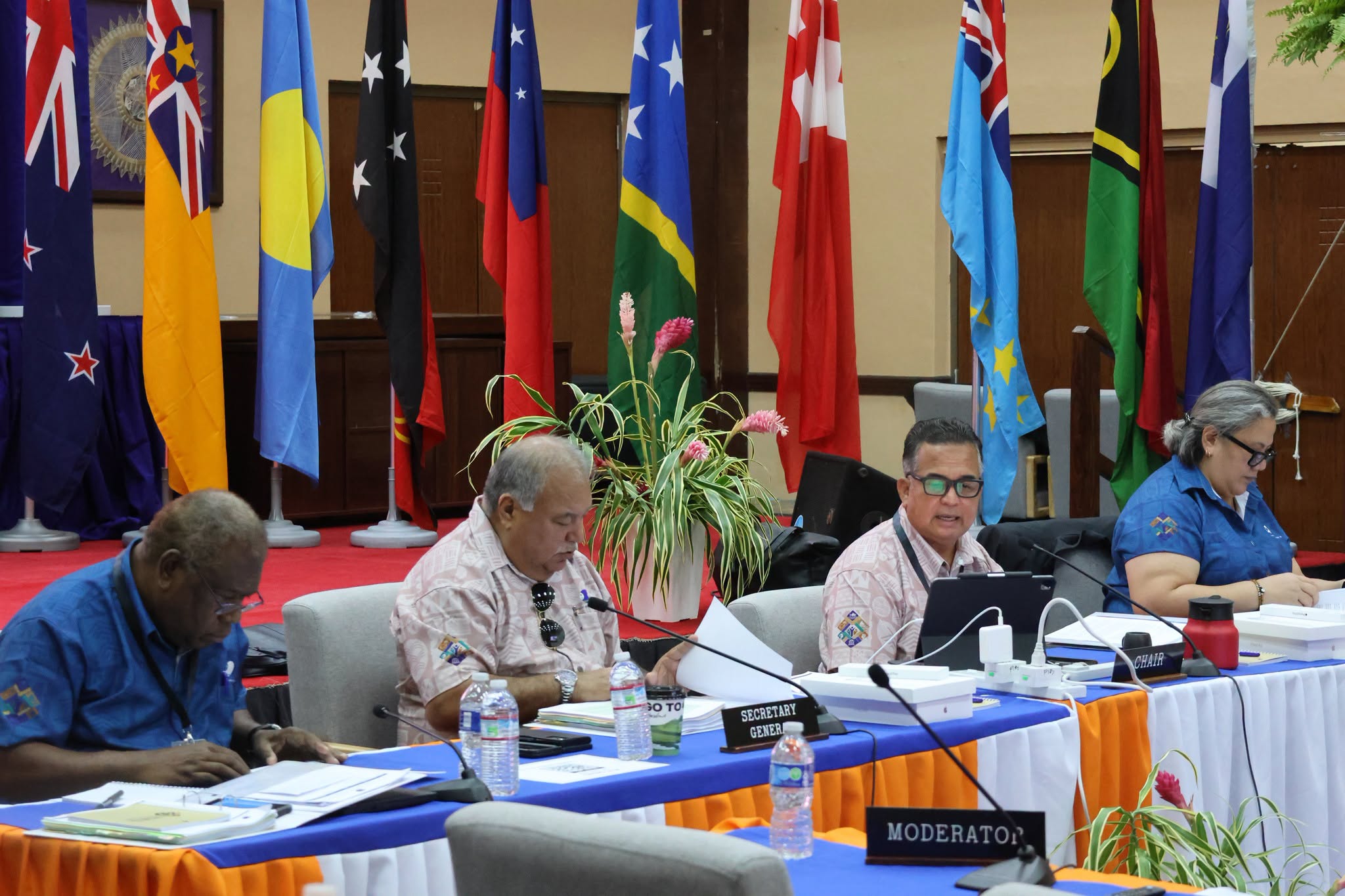
Rising energy costs and the impact of the Middle East fuel crisis dominated discussions between Pacific finance ministers and private sector leaders during a Ministerial Talanoa at the Forum Economic Ministers Meeting(FEMM), according to Marshall Islands Finance Minister David Paul.
Responding to a question on concerns raised by private sector representatives and the response from ministers, Paul said the discussions focused heavily on the challenges businesses are facing as costs continue to rise across the region.
“There was a Ministerial Talanoa with the private sector, and the subject that was very much relevant and prevalent throughout the discussion is the energy crisis and the challenges that the private sector face in line with all these rising costs,” he explained.
Paul said ministers were not surprised by the concerns raised because the challenges are being experienced across the Pacific.
“There were no surprises to any of us because not only does it affect the private sector here, but it also affects the private sector throughout the Pacific,” he said.
The FEMM Chair said ministers also discussed opportunities that could emerge from the crisis and ways to respond to the challenges facing businesses.
“We try to always look for what are the possibilities and the opportunities, because whether it’s an energy crisis, whether it’s a climate crisis, what is important is what kind of mechanism and response we do in order to absorb and try to ease those challenges,” he said.
Paul highlightedo the Marshall Islands ‘LomaLo Wallet’ initiative and the country’s digital sovereign bond project as examples of efforts to address barriers to business and financial transactions.
“With our partnership, as the Secretary General mentioned, with the invention of the LomaLo Wallet, which is the Marshall Islands doing what we call the digital sovereign bond.”
“With that digital sovereign bond, it allows us to be able to transact and move money beyond borders using blockchain technology and working with a U.S-regulated bank, which is Bank of Guam,” he said.
Paul said the initiative could help reduce barriers that continue to affect private sector growth.
“So we can eliminate that cost barrier that continues to contribute to the impediment of private sector growth and development in our Pacific Island countries.”
He said Pacific economies continue to face the challenge of geographic isolation.
“One of the challenges that we face as economies that are fragmented because of the geographical setting of each of our countries is the tyranny of distance.”
Paul said the government had recently announced a partnership with Bank of Guam to support the digital sovereign bond platform.
“We just made the announcement during the week that the Marshall Islands government announced a partnership with the Bank of Guam in order for them to onboard the digital sovereign bond that is operating on the blockchain that is FATF and CDF compliance,” he said.
He said the initiative demonstrated how governments and businesses can work together to address common challenges.
“That shows the opportunities that both the private sector and the public sector, which is the government, work together to try to overcome all these challenges we face.”
However, Paul said the central issue remained unchanged.
“At the end of the day, the elephant in the room is always the energy crisis,” he stressed.
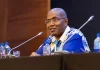
Forum Secretary General Baron Divavesi Waqa said ministers and private sector representatives also discussed fuel supply and processing options within the region, including opportunities involving Papua New Guinea.
“During the discussion, ministers and private sector discussed fuel processing in the region as well, with Papua New Guinea, to further explore that,” he said.
Waqa said access to capital was another key concern raised by businesses.
“Most of the discussion we’ve had with the private sector, I heard a bit about the capital issue, gaining enough capital for reinvestment during this very important and critical moment in time,” the Forum SG said.
He said the wider backdrop to the discussions remained the fuel crisis linked to events in the Middle East.
“The backdrop here clearly is the fuel crisis, the Middle Eastern crisis causing all these issues to dawn on us and affect our economies in what are, if I may, the most vulnerable economies in our region,” said Waqa.