


EL-Nino may affect tuna migration patterns, impacting local fish farming and export opportunities, and the economy, according to Papua New Guinea Fisheries and Marine Resources Minister Jelta Wong.
Wong said that the phenomena would also disrupt nutrient surges, affecting the overall marine ecosystem and potentially leading to reduced tuna catches that were critical for the economy and food security.
He warned the industry to expect potential drought across the country, affecting river and lake levels which were essential for fish farming.
He said this would result in lower fish stocks and increased operational costs.
Wong also urged that the suppliers align with global sustainability standards in order to keep export levels up.
“El-Nino significantly affect marine resources, particularly the tuna industry and inland fish farming activities,” he said.
“While El-Nino poses challenges to our tuna industry and inland fish farming, it underscores the need for adaptive management.
“Stricter European Union (EU) standards on tuna trade presented both challenges and opportunities for Papua New Guinea and the Pacific region.
“The EU standards provide an opportunity for our suppliers to align with global sustainability goals, ensuring that our fisheries remain productive for future generations.
“Suppliers will need to invest in meeting these stringent standards, which could lead to higher operational costs, especially for smaller suppliers.”
Wong added that compliance may also open doors to lucrative markets, increasing exports and benefiting PNG’s economy as these standards encourage sustainable fishing practices, essential for the long-term viability of tuna resources.
He added that the fluctuations in climate could impact the agriculture sector, affecting the availability of fish feed and raising production costs for farmers.
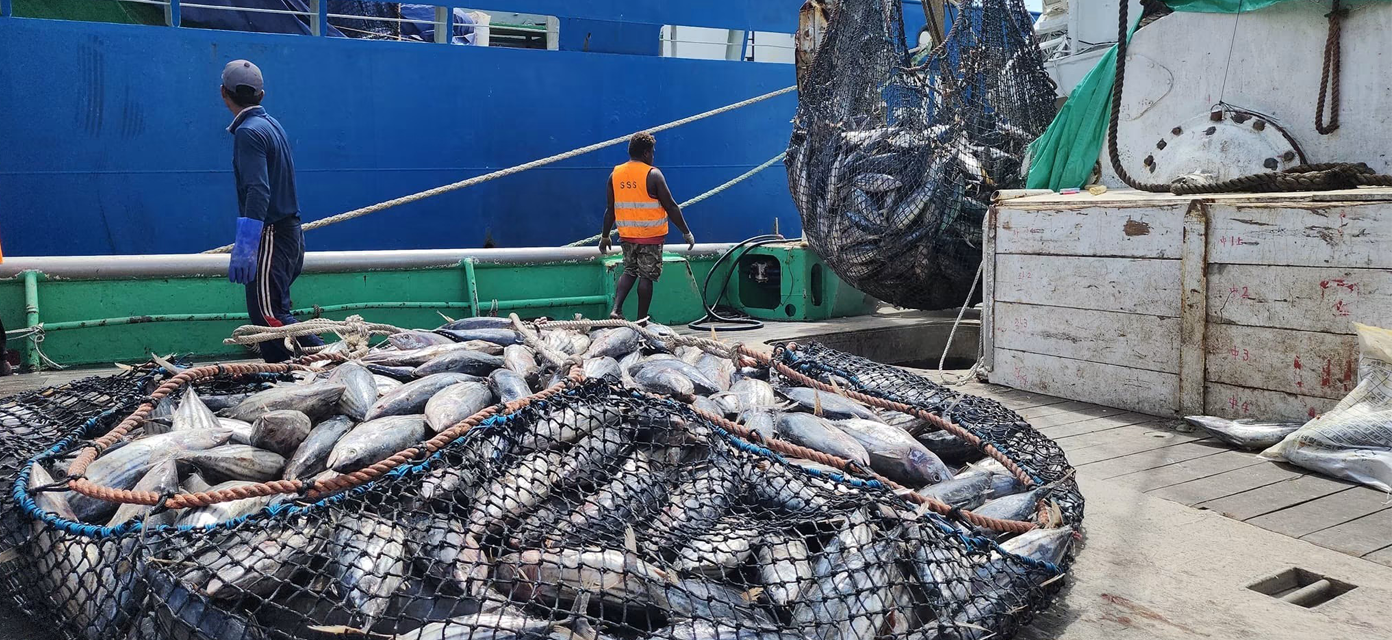
Tuna industry is one of the country’s economic cornerstone, accounting for 12 to 27 percent of the global percent.
And more than 500,000 metric tonnes are caught annually in PNG’s exclusive economic zone in which the National Fisheries Authority generates revenue for the State through licensing access fees for foreign fleets.
The country also has six canneries with the EU market being the largest importer of PNG’s tuna.