


Pacific leaders are raising fresh concerns about whether the United States will stay fully committed to the region’s key tuna agreement, as pressure builds across the region to secure more value from the world’s richest tuna fishery.
At the centre of the issue is a simple question for Pacific countries: who really benefits from the billions earned each year from tuna in their waters?
The treaty gives American fishing vessels access to Pacific waters in return for economic support and access payments shared among Pacific nations. But some leaders say the balance still isn’t right.
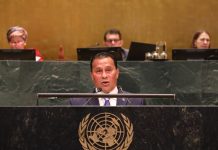
Speaking on Pacific Mornings, the director of the Marshall Islands Marine Resource Authority, Glen Joseph, said Pacific nations are still watching how steady U.S support will be in the long term.
“The U.S is now getting it right but there are still some issues to be worked out,” Joseph says.
The treaty, formally known as the South Pacific Tuna Treaty, allows US vessels access to Pacific fisheries in exchange for economic assistance and access payments shared among Pacific countries.
The United States has recently provided US$60 million in economic assistance to Pacific parties to the treaty even as its tuna fleet has shrunk.
But Joseph says Pacific nations are still thinking about the future, not just the present. “I think they’ll rebound in the future, it’s just a matter of time.”
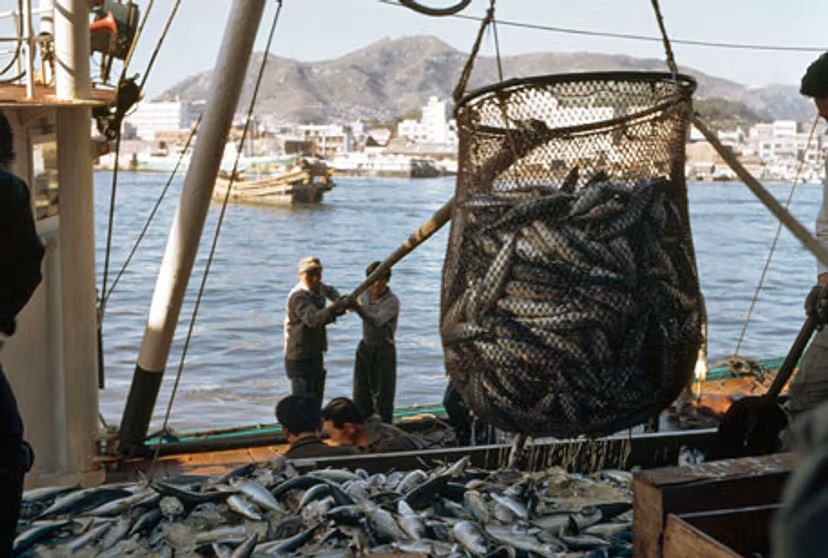
Tuna is a major part of Pacific economies with the Western and Central Pacific Ocean producing around 60 percent of the world’s supply.
The total value of the catch is estimated at between US$5 billion and nearly US$7 billion each year.
But Pacific leaders say too much of that money still leaves the region.
Under the work of the Forum Fisheries Agency, Pacific countries have improved their share of returns from about five percent in the past to just under 20 percent today.
Joseph says the goal is to go much further. “We’ve been able to increase it from five percent to a little or under 20 percent but 80 percent would be the target now and looking beyond just selling licenses to distant water fishing nations.”
He said tuna money is critical for small island nations like the Marshall Islands, helping fund basic services such as roads, hospitals and schools.
The issue is now coming into sharper focus as Pacific countries prepare for talks with the United States in New Zealand in July, following a regional fisheries meeting in Wellington last week.
At the same time, regional politics are also shifting.
New Zealand’s Minister for Oceans and Fisheries, Shane Jones, has described China as now being a “profound player” in Pacific fisheries.
He told PMN News that it now replaces the historical dominance once held by the United States, Japan, and Taiwan.
Jones says the Pacific tuna fishery is the most valuable pelagic fishery in the world, with countries sitting within 10 degrees north and south of the equator sitting in the “strike zone” of the global tuna industry.
But both Jones and Joseph agree the key issue remains the same – that most of the wealth is still not staying in the region.
Joseph says Pacific countries have improved returns from tuna resources significantly through collective management under the Forum Fisheries Agency, including zone-based fisheries management systems.
“We’ve been able to increase it from five percent to a little or under 20 percent but 80 percent would be the target now and looking beyond just selling licenses to distant water fishing nations.”
Tuna fisheries in the Western and Central Pacific Ocean is a multi-billion-dollar industry with a total annual catch value estimated at over US$5 billion to nearly US$7 billion as the area is responsible for roughly 60 percent of the global tuna supply.