Fiji has minerals on its ocean floor, but not enough to make deep-sea mining commercially viable, and the Government will not proceed until international regulations are finalised.
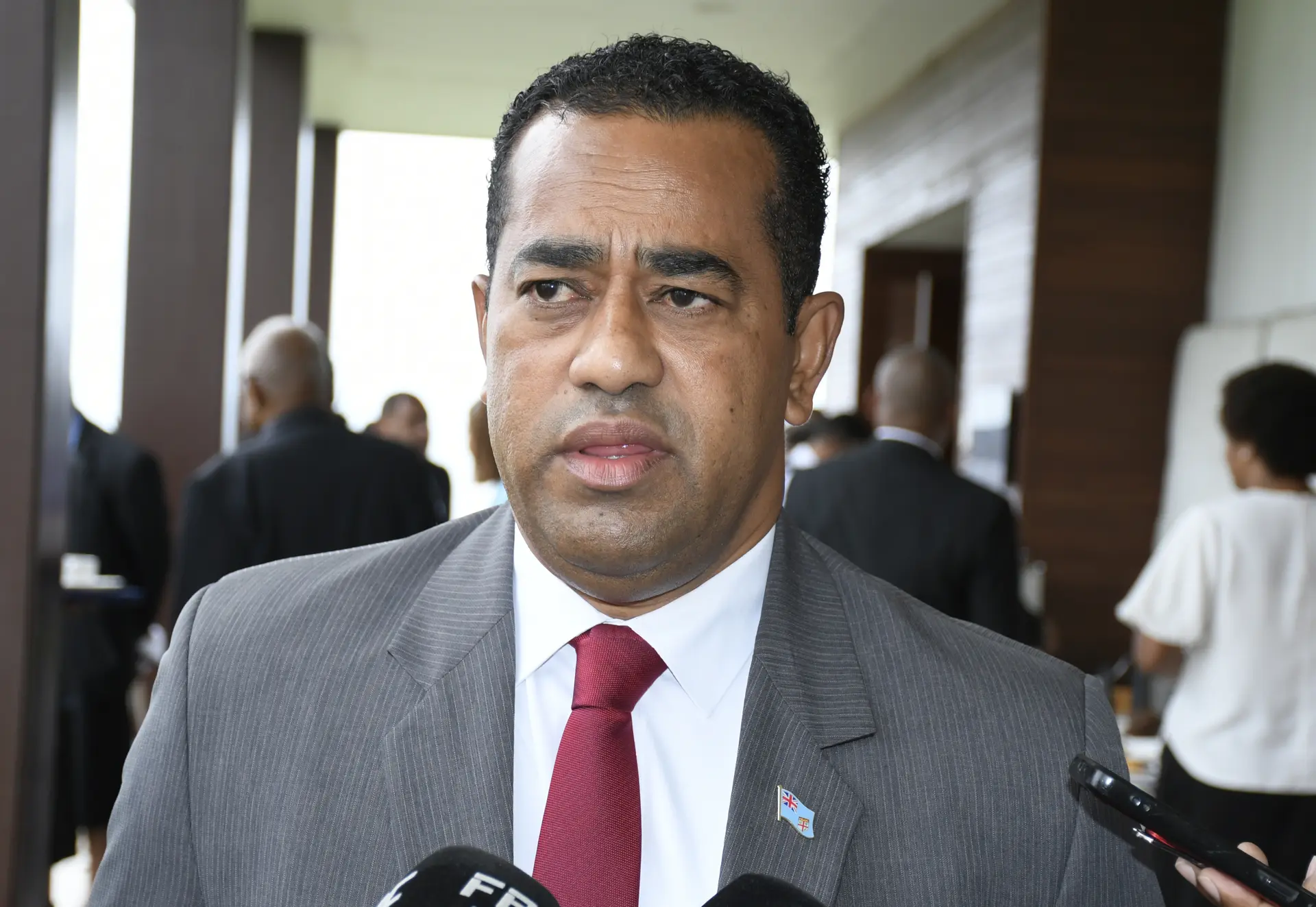
Minister for Lands and Mineral Resources Filimoni Vosarogo said Fiji’s position on deep-sea mining had always been cautious.
“We want more scientific information before decisions are taken on whether deep-sea mining should happen in our territorial waters,” Vosarogo told the Fiji Sun.
He confirmed Fiji has minerals within its Exclusive Economic Zone (EEZ), but said the quantity was insufficient to justify commercial mining.
Vosarogo said Fiji would not operationalise its International Seabed Minerals Management Act 2013 until the International Seabed Authority (ISA) finalised its mining code and regulations.
“Because Fiji is closely aligned with the ISA, we do not want our domestic law to move ahead of international instruments and guidance,” he said.
He said the ISA had resolved 29 of 33 outstanding issues, with four remaining before the mining code could be passed.
Vosarogo also said Fiji was in discussions with France, whose research capabilities could help the country make evidence-based decisions on whether to pursue seabed exploration in the future.
The Cook Islands remains the only Pacific nation to have conducted significant seabed exploration within its own waters and has the legal framework in place to mine if it chooses.
Meanwhile, the head of the International Seabed Authority (ISA) has called on Fiji and Pacific nations to help shape a responsible deep-sea mining code, pledging the organisation will remain a neutral, credible, transparent and science-based institution serving all humanity.
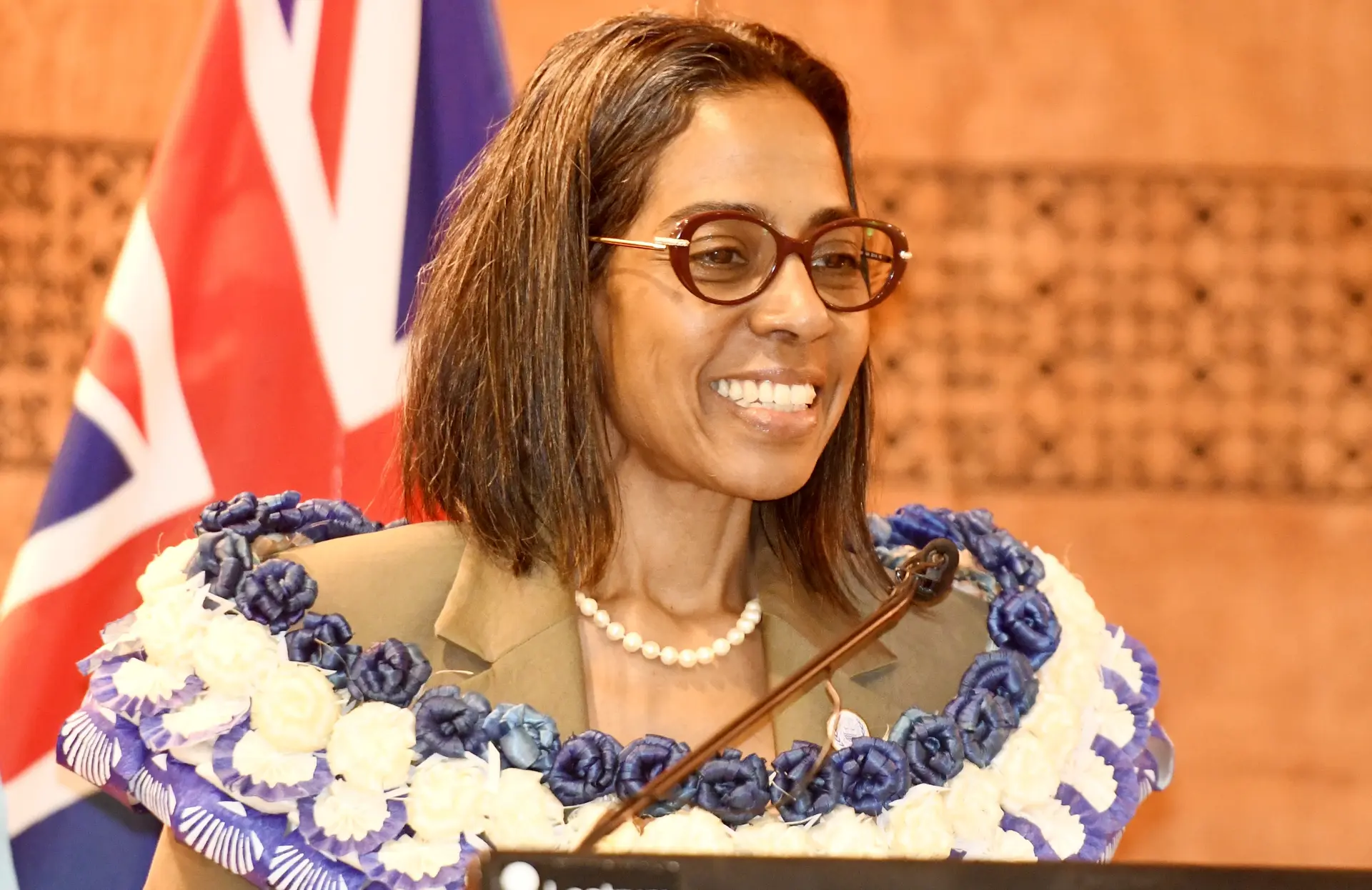
ISA Secretary-General Leticia Carvalho made the call during a traditional welcome ceremony hosted by the Fiji Governmentin Suva Monday.
“I wish to personally invite Fiji and indeed all constructive and positive partners of the Authority in the Pacific region to continue working closely with us in bringing the development of the mining code to a careful and responsible conclusion,” Carvalho said.
The ISA is the United Nations body responsible for regulating mineral-related activities in international seabed areas — the ocean floor beyond national jurisdictions.
Its members are currently debating rules that would govern deep-sea mining, an industry that has drawn strong opposition from Pacific leaders concerned about potential damage to marine ecosystems.
Carvalho acknowledged Fiji’s longstanding contribution to international ocean law, including through the late Ambassador Satya Nandan and Ambassador Peter Thompson, the United Nations Secretary-General’s Special Envoy for the Ocean.
Carvalho said Pacific perspectives were essential to ensuring deep-sea governance was carried out “responsibly, inclusively and in accordance with international law”.
She is in Suva this week for the Pacific Small Island Developing States Regional Workshop on Deep-Sea-Bed Sustainable Blue Growth Initiative.
The workshop aims to strengthen Pacific nations’ legal, technical and scientific understanding of deep-sea activities and improve governance capacity across the region.