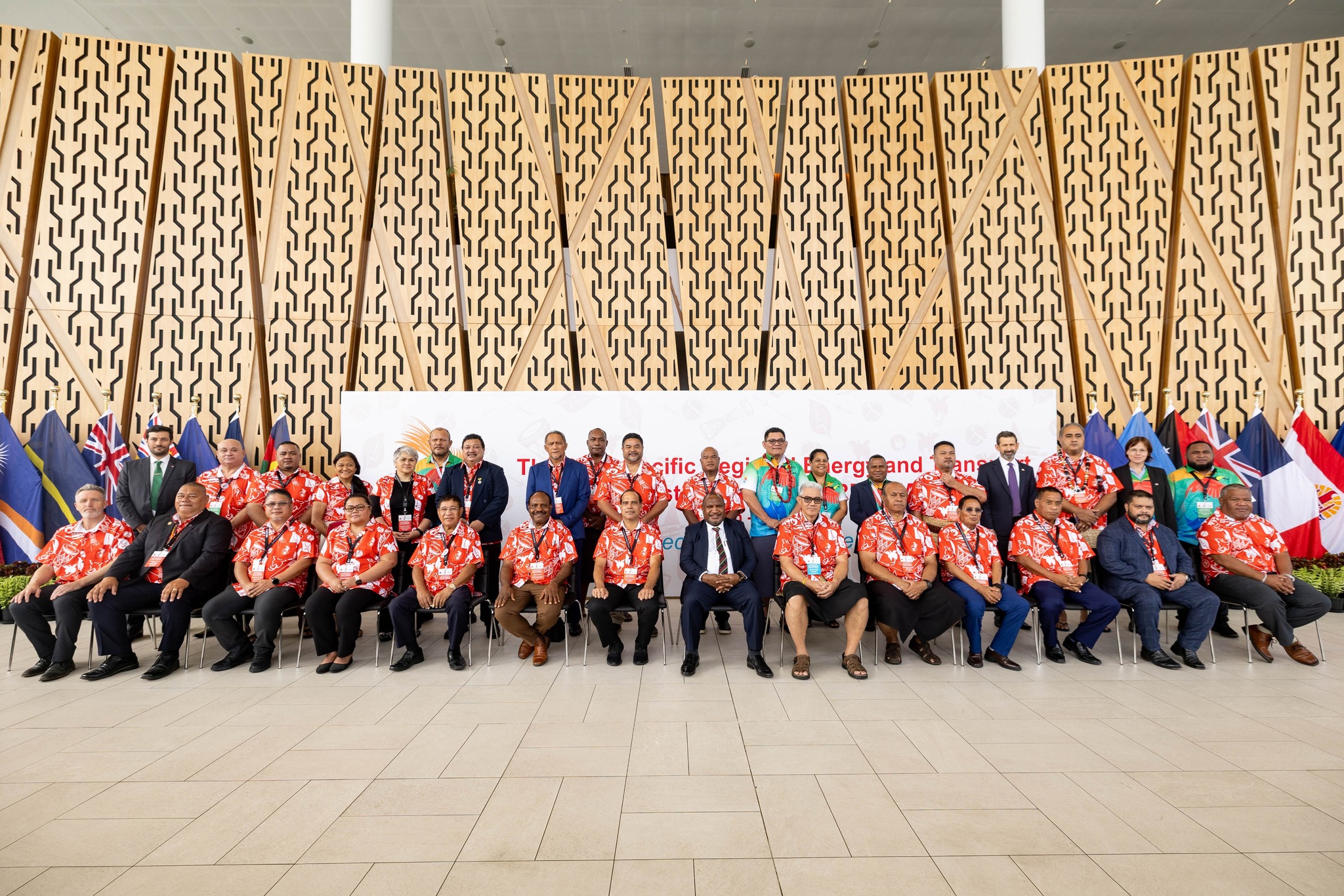
Pacific Energy and Transport Ministers have concluded the Sixth Pacific Regional Energy and Transport Ministers’ Meeting (PRETMM6), issuing the Manubada Call to Action to accelerate access to energy and scale maritime transport for Pacific people.
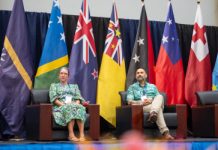
Hosted by the Government of Papua New Guinea under the theme “Scaling Connectivity for a Prosperous Blue Pacific,” the meeting brought together Ministers and senior officials from across the Pacific, alongside regional organisations, development partners, academia, industry, private sector representatives, and civil society.
From Commitments to Implementation
Ministers emphasised the region has robust policy frameworks and commitments in place, and the priority must shift decisively toward implementation and delivery of tangible results for energy security and maritime connectivity.
Advancing an Integrated and Just Transition
Ministers reaffirmed their collective ambition to achieve a 100% renewable energy future for the Blue Pacific, alongside a just and equitable transition toward a fossil fuel-free region, ensuring no country is left behind.
They also welcomed progress toward establishing a Regional Energy Commissioner for a Just Transition, to be taken to the 55th Pacific Island Forum Leaders Meeting later this year.
Strengthening Partnerships and Coordination
A key outcome of the meeting was a strong call for enhanced coordination and transparency across development partners, with Ministers highlighting persistent fragmentation and limited visibility of financing flows.
Ministers tasked the Pacific Community (SPC) to lead the coordination and development of a comprehensive regional mapping of partner initiatives, financing and support mechanisms to improve alignment, reduce duplication, and better support targeted priority gaps.
They also emphasised that all partnerships must remain anchored in Pacific leadership and aligned with regional frameworks and national priorities.
Unlocking Finance for Scaled Impact
Ministers called for predictable and accessible financing to scale access to energy and maritime transport.
Ministers called for:
• Increased grant-based and concessional financing
• A shift toward programmatic, long-term investment approaches.
• Stronger support for grid readiness, data systems and regulatory frames
• Investment in productive energy use and sustainable operations.
Endorsement of Key Regional Frameworks
Ministers endorsed regional initiatives, including:
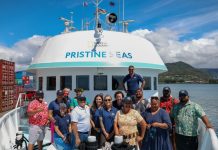
• The Pacific One-Maritime Framework (POMF) 2026–2050, as the guiding blueprint for a safe, secure,
resilient and sustainable maritime transport sector.
• The Regional Strategy for Pacific Women in Maritime 2026–2031, promoting gender inclusion and workforce development.
• The transition to FESRIP 2.0 – The Framework for Energy Security and Resilience in the Pacific with a focus
on implementation, system readiness, and measurable delivery of renewable energy targets
Ministers also reaffirmed the importance of protecting seafarer welfare, maritime safety, and regional connectivity, recognising maritime transport as a lifeline for Pacific communities.
Delivering for Pacific Peoples
Ministers concluded the meeting by reaffirming their collective commitment to ensure that the outcomes of PRETMM6 translate into real, measurable benefits for Pacific peoples, including improved energy access, strengthened connectivity, and increased resilience to economic and climate shocks.
Looking Ahead
Ministers noted that outcomes from PRETMM6 will feed into upcoming regional and global engagements, including the 55th Pacific Islands Forum Leaders Meeting in Palau, to sustain momentum and mobilise greater international support for Pacific-led priorities.
Ministers endorsed and welcomed Solomon Islands as incoming Chair and host of the 7th Pacific Energy and Transport Ministers Meeting in 2029.
Sir Ano Pala, Papua New Guinea Minister for National Planning – Chair of the 6th Pacific Regional Transport and Energy Meeting said: “The Pacific Ministers have called for an accelerated push for 100% renewable energy across the region and we have called for stronger coordination for financing arrangements to unlock investment in energy and maritime transport.
Ministers have also officially endorsed the Pacific One Maritime Framework to bring cohesion and coordination to the efforts of maritime and transport for safety and access issues.
The final point is around stronger coordination and financing arrangements called for by the Pacific Energy and Transport Ministers Meeting.
This outcome has been called the Manubada Call to Action because of the location and the recognition of Manubada as an important site in this vicinity”
Ralph Regenvanu is Vanuatu’s Minister for Climate Change Adaptation, Energy, Environment, Meteorology, Geo-Hazards and Disaster Management said: “It’s really timely that the Ministers of Energy and the Ministers of Transport from Pacific Island countries can come here and talk about these issues and emphasise how important it is that we are energy independent. We no longer depend on fossil fuels coming from Iran or the Middle East, but we have our own energy sources. This is one of the key things of this meeting: the transition to not only energy security, but energy sovereignty. Also considering the pacific is on the frontlines of climate change, we really need to transition to a fossil fuel free future,” he said.
Dr Paula Vivili Director General of the Pacific Community said: “This joint ministerial reflects something our members have understood for many years: energy and transport matter because they touch every part of people’s lives. For a family in a remote village, or a fisherman waiting on weather and fuel prices, or a health worker trying to reach a patient by boat, these are not policy questions. They are daily realities. And that is exactly why they matter so much to us. PRETMM exists because our members chose to look at these sectors together and to focus on connectivity as a driver of prosperity for the Blue Pacific.”