


Efforts to revive a historic climate deal for the global shipping industry are foundering on U.S and Saudi opposition, with negotiators gearing up for a “real fight” in talks this week.
Discussions starting on Monday at the International Maritime Organisation (IMO) in London mark the first time countries have come together since the U.S was accused in October of using “bully-boy tactics” to sink the UN-backed net zero framework for shipping.
China and European countries have backed the plan to impose a carbon price on emissions for ships bigger than 5,000 tons. Provisionally agreed in April last year, it was expected to generate revenues of up to US$15bn per year from 2030, with the aim of incentivising a shift to greener fuels.
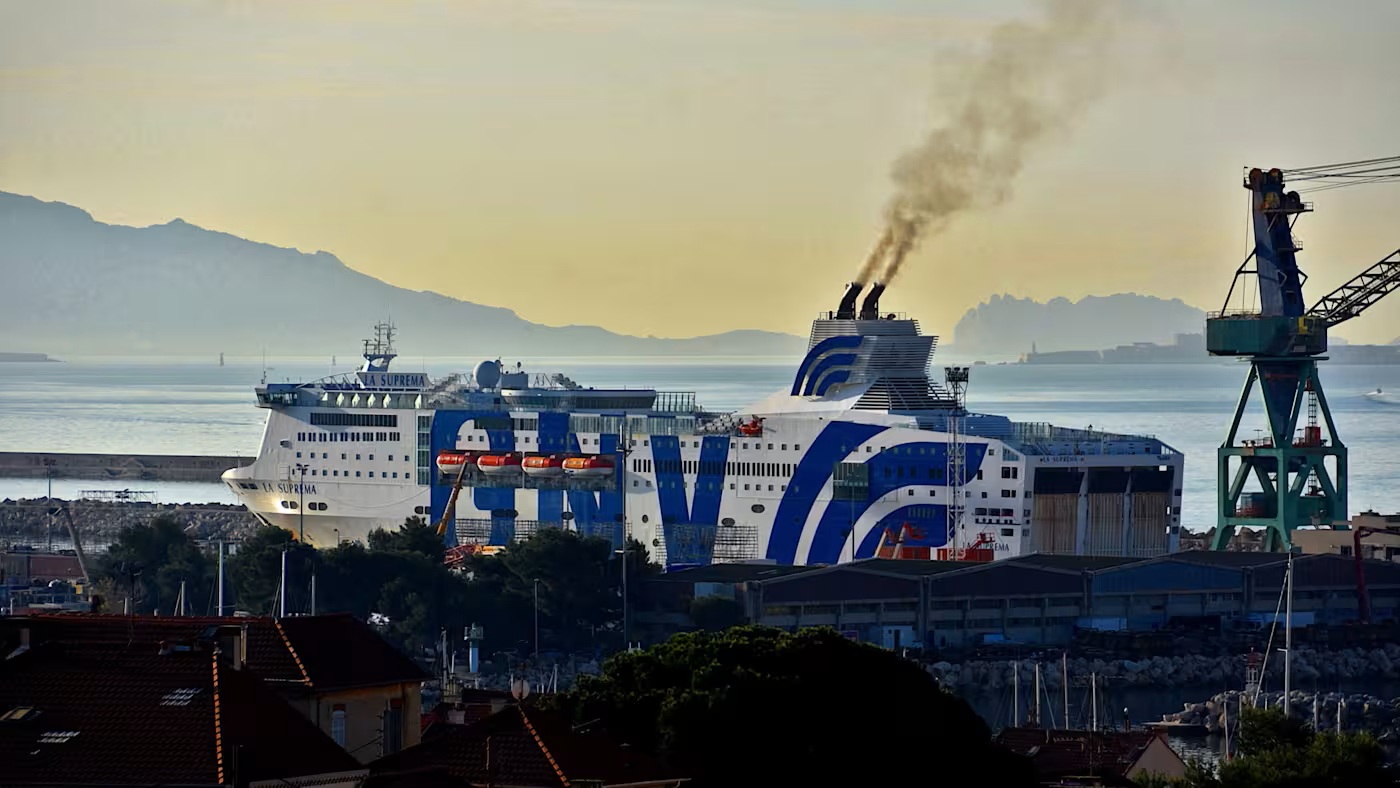
The industry delivers about 80 per cent of global trade and contributes an estimated 3 percent to the emissions driving climate change.
But during preliminary talks held last week, negotiators said that countries including the U.S and Saudi Arabia remain opposed to the framework and argued against restrictions on traditional fuels.
Opponents also argued that the UN does not have the authority to administer an international fund into which carbon revenues would be paid, negotiators said.
The U.S state department confirmed that Donald Trump’s administration remained opposed to the net zero framework, calling it a “dead end” and “a fundamentally flawed proposal that would not work”.
The U.S is backed in its opposition by a “clear, strong” and sizeable bloc of other countries, a department spokesperson said, adding: “Our efforts must be redirected toward more pragmatic, flexible, and incentive-based approaches that protect our industries and workers, rather than imposing a global tax on American consumers and our shipping and energy industries.”
The Saudi government declined to comment.
Many delegates at the IMO have been fearful to speak publicly about the talks following the unusually aggressive approach of the U.S last year. The Financial Times reported in November that Trump administration officials made personal threats against negotiators from other countries to block the framework. When approached for comment at the time, a state department official did not address the personal threats to delegates from other countries.
Recalling October’s talks, Simon Bergulf, vice-president for environment and climate at the World Shipping Council, said he “had not witnessed that before and I don’t think many people had”, adding: “It is a really important piece of legislation… with some strong ramifications and impacts, so it is important to get it right from the start.”
The World Shipping Council represents container shipping lines.
One country delegate at the IMO said he expected a “real fight” this week between nations over the future of the framework, pointing out that Panama and Liberia, two of the world’s biggest states for ship registrations, appeared to be backing the U.S position.
Flag states are critical to the implementation of any agreement.
“There is definitely going to be a divide in the room,” the delegate said, but there “will be a robust defence” against any weakening of the framework.
Ralph Regenvanu, Vanuatu’s environment minister, said: “If anyone tries to reopen the agreement to weaken the ambition, Vanuatu stands ready to push for higher ambition, as science and international law demands.”
The tiny nation of Pacific islands is under threat from rising sea levels driven by climate change.
Countries including the UK, Brazil, Norway, Mexico and Kenya have also signalled their support for the framework, including a carbon price.
The maritime industry has been lobbying for a global approach to decarbonisation to avoid a patchwork of emissions trading systems.
Shipping has been covered under the EU’s flagship emissions trading system since 2024 and will be included in the UK ETS from 01 July.
The IMO talks are taking place at the same time as more than 50 countries meet in Colombia to discuss how to phase out fossil fuels across wider economies.