
Funding for fighting climate change across the Pacific is not keeping up pace with the urgency of the crisis amid complex systems, slow approvals and further risks that block access to its vital finance.
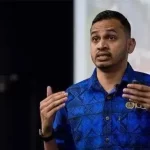
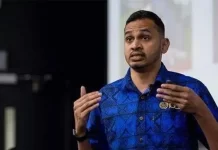
Climate Finance and Resilience Programme Adviser at the Pacific Islands Forum Secretariat – the principal political and policy organisation for the inter-governmental cooperative – Karlos Moresi said that strict requirements, a lengthy approval process and limited national representation frequently delays the flow of funds to the region.
“Global climate finance systems are not designed with small-island developing states in mind, creating barriers that prevent timely and effective support for vulnerable (Pacific) nations,” he told the recent Climate Talk: Navigating Climate Risks Talanoa Dialogue conference in Suva.
Moresi stressed that Pacific Island nation-states were also making efforts to mobilise their own resources, including through individual national budgets, but international systems must better align with these efforts to maximise the positive impact for some of the communities most greatly affected by climate change.
“There really is a need to simplify processes to create dedicated funding windows for our Pacific countries,” he said.
Participants in the conference discussed the role of the Fiji Development Bank – the strongest of the financial institutions in the Pacific region – and the Green Climate Fund (GCF) in addressing what was termed “financial bottlenecks” by a noted delegate, according to Moresi.
For the fiscal backers to fund climate change measures, the risk of foreign exchange is commonly passed down the line to the Pasifika communities through various local organisations.
Minor currency fluctuations can add millions of dollars extra to project costs just from an expected five to 10 basis-point movement in foreign exchange, Moresi explained.
Moresi noted that the Pacific Islands Forum has been raising concerns in discussions with the Green Climate Fund (GCF), which addresses the issues of quicker and simpler fiscal access for developing nations.
“We are trying to push for solutions that reduce currency-related risks and make funding more accessible to the countries that need it most,” he said.
The challenges of translating regional decisions into implementing national actions for Pasifika communities was also key on the agenda.
He emphasised that climate change finance is not just about funding national projects, but also over building trust and ensuring international funds are channelled effectively through national systems.
“It is critical that resources reach local communities where they are most needed to strengthen resilience and support preparedness,” Moresi said.
Moresi highlighted the importance of engagement ahead of the 2026 United Nations Climate Change Conference (COP31) to be held in November, noting the important role of civil society organisations from the Pacific in shaping outcomes on the world stage in Turkey.
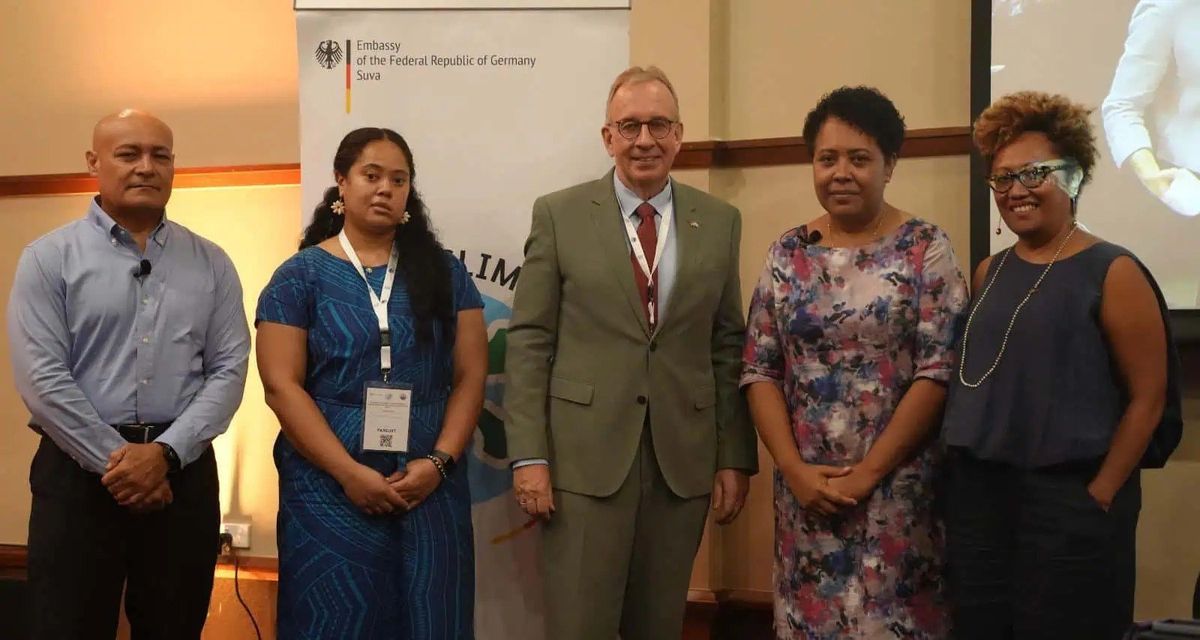
This had strong support from one of the world’s most powerful voices during the discussions in the Fijian capital. Germany’s Ambassador to Fiji and the Pacific, Dr Andreas Prothmann, said climate change is no longer solely an environmental concern, but also a growing threat to security, stability and development throughout the region.
Dr Prothmann said Pacific Island states are already experiencing the harshest realities of global warming with impacts being felt by communities, their livelihoods and the economy.
He emphasised the region has long recognised the seriousness of the crisis, pointing to the Pacific Islands Forum Boe Declaration on regional security, which first identified climate change as the single greatest threat to the well-being of Pasifika people.
“Across the Pacific, climate change is not a distant scenario – it is a lived reality,” Dr Prothmann said.
“In many ways, the Pacific has long understood what the international community is only now fully grasping – that climate risk is inseparable from economic resilience, social stability and long-term security.”
Dr Prothmann said Germany values its partnership with Fiji and other Pacific Island nation-states, noting that cooperation is grounded in “its mutual respect and shared priorities”.
He highlighted that addressing climate change is central not only to environmental protection, but also to sustainable development and human security.
The Climate Talk: Navigating Climate Risks Talanoa Dialogue conference was timely, which provided an important platform for governments, development partners and agencies, and civil society to deepen their understanding of the link between climate change, security and finance.
“Our goal is not only to exchange views, but to identify practical pathways forward,” Dr Prothmann said.