Fiji risks losing an entire generation to drugs if urgent action is delayed, church leaders and partners have warned, calling the growing crisis a threat to the nation’s survival.
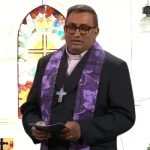
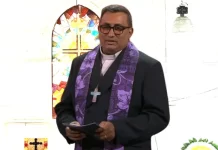
Faith Harvest Centre Senior Pastor Manasa Kolivuso described the situation as a “matter of national survival,” saying the scale and spread of drug use now demanded immediate and decisive action.
“This demands a national response in a bigger and faster way,” he said.
His comments were made as national organisations, churches and international partners strengthened a coordinated response to Fiji’s escalating drug crisis, amid increasing pressure from international drug syndicates using the Pacific as a transit route.
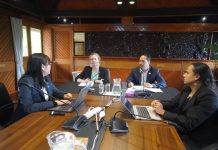
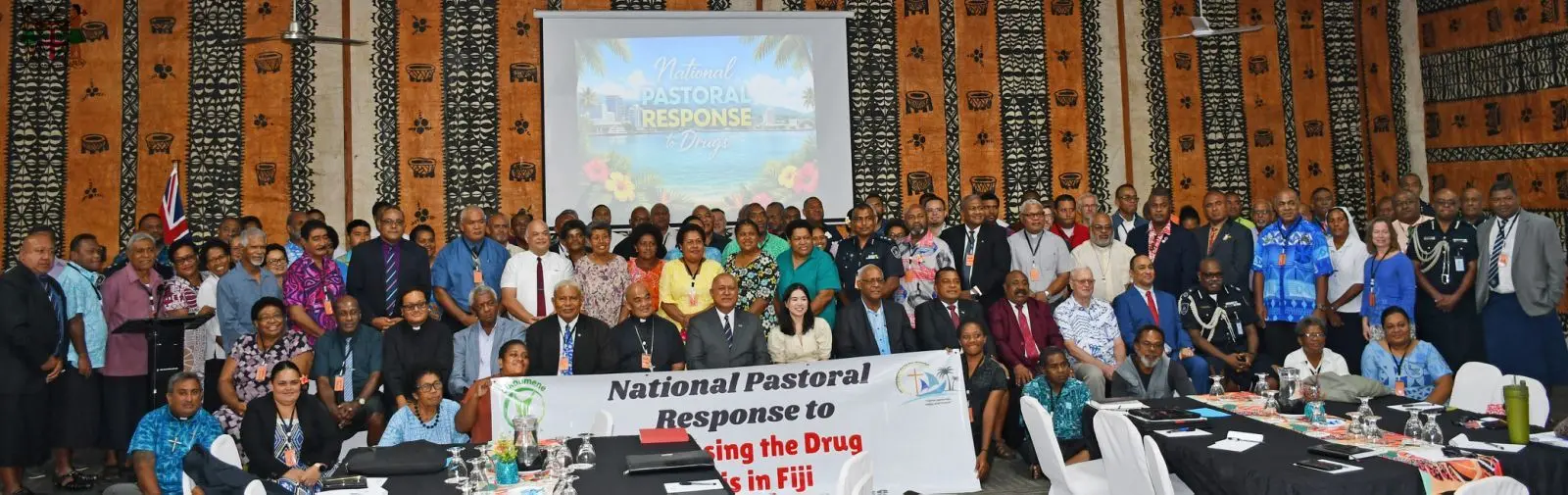
The renewed alliance was reinforced during the National Pastoral Response to Drugs workshop in Suva yesterday, where leaders agreed the drug problem could no longer be left to police alone.
Participants at the workshop said drugs were no longer confined to urban centres, but were spreading rapidly into villages and communities, deepening social and health risks across the country.
The coordinated response forms part of Fiji’s National Counter Narcotics Strategy 2023–2028, which promotes a balanced approach combining enforcement, prevention, treatment and rehabilitation.
United Nations representative Megumi Hara confirmed that methamphetamine remains the primary drug threat in the Pacific. She warned that organised crime groups continue to exploit the region’s geographic isolation and limited maritime surveillance.
Hara also highlighted the growing health impact of drug use, noting that in 2024 nearly half of those starting HIV treatment in Fiji reported injecting drug use.
Leaders agreed that without urgent, collective action involving families, communities, churches and state institutions, the drug crisis would continue to worsen, placing Fiji’s young people — and its future — at serious risk.
Meanwhile, the Government should deploy the military and introduce the death penalty to win the war on drugs, an investment consultant says.
Sandeep Singh told a counter-narcotics consultation in Suva that public consultations were wasting time while the country faced what he described as a drug pandemic.
“Why are you scared to put the military on the ground? I don’t care if somebody is killed to save hundreds of our younger generations,” Singh said at the forum at the Suva Civic Centre.
“The death penalty should be part of the law. Put the military on the ground and start the drug war.”
However, Republic of Fiji Military Forces Commander Major-General Ro Jone Kalouniwai confirmed last week that the military would not use firearms while supporting police drug operations.
He said the RFMF’s role was limited to logistical support, including transport, equipment and planning assistance for remote and maritime operations.
Singh questioned how Fiji, with a $4 billion (US$2 billion) national budget, could have between $2 billion (US$1 billion) and $3 billion (US$1.5 billion) worth of drugs seized in the country.
“A country that is budgeted annually at $4 billion (US$2 billion), but we have $2 billion (US$1 billion) to $3 billion (US$1.5 billion) worth of drugs being taken into custody — who is financing it?” he asked.
Singh claimed nearly 45 percent of Fiji’s population was affected by drugs and HIV.
“This is not the time for public consultation anymore,” he said. “You have law enforcement agencies, a bloated Parliament with 55 members and a civil service of almost 40,000.”
“You should make a decision to eliminate the drug issue in the country.”
Singh also called for the establishment of a specialised drug court, a no-bail policy for anyone caught with drugs valued at more than $5,000, and the immediate destruction of seized drugs after evidence is recorded.