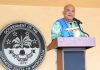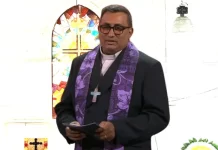
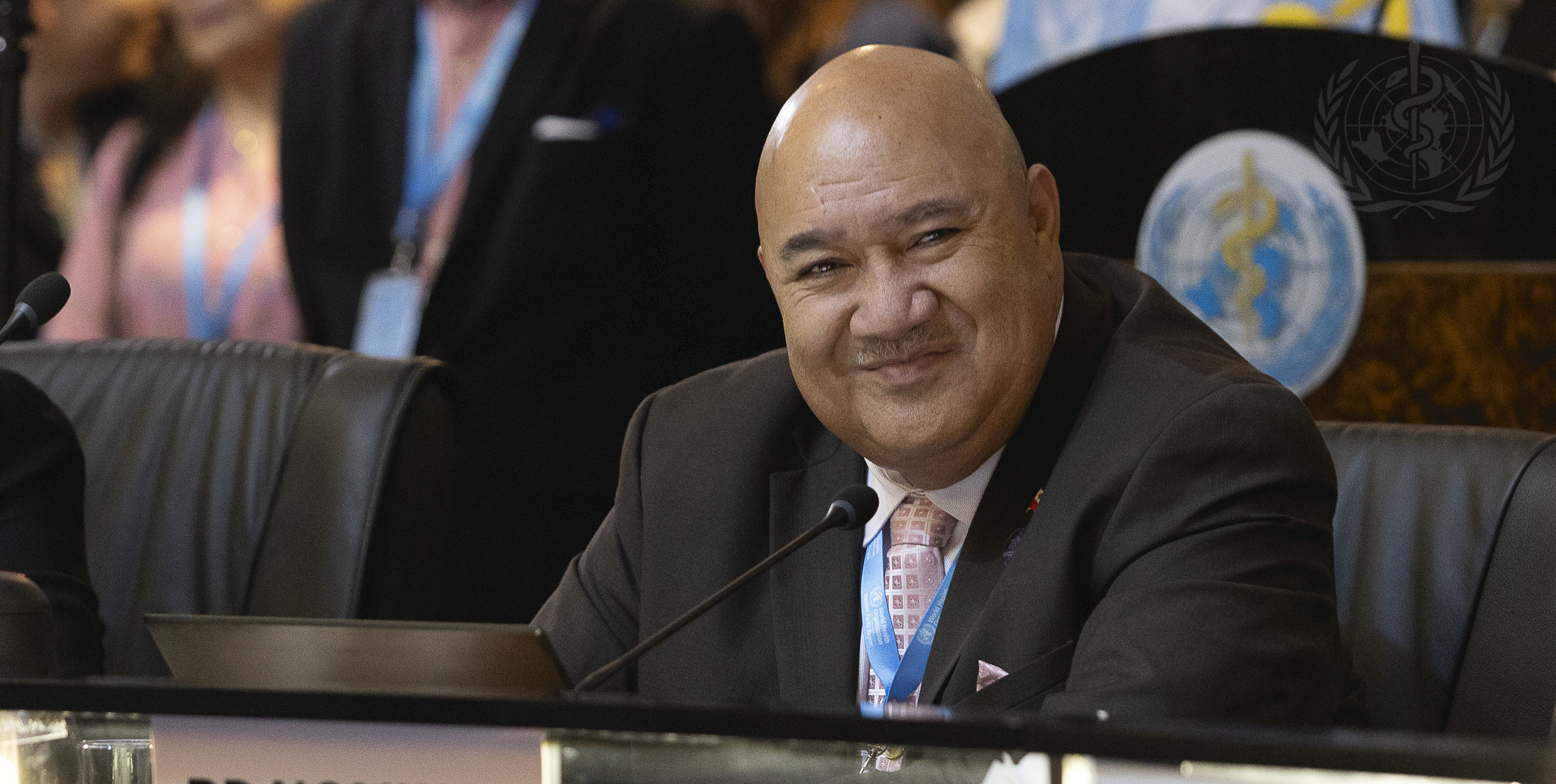
WHO Regional Director for the Western Pacific Dr Saia Ma’u Piukala has warned that global health systems are fundamentally out of balance, despite major medical and scientific advances.
In a statement on X following the first plenary session of the WHO Global Traditional Medicine Summit in Delhi, which he chaired, Dr Piukala said the central message was clear.
“Balance within the body, balance within societies, and balance between people and the planet.”
Drawing on traditional medicine systems, including those in the Pacific, Dr Piukala said health and wellbeing have long been understood as depending on balance between mind and body, humanity and nature, and the individual and community.
“Yet today, ironically in an age of medical and scientific advances our ancestors could scarcely have dreamed of, imbalance has become the global norm.”
He pointed to multiple forms of imbalance shaping global health outcomes.
“We see imbalance in who has access to health and who does not. Imbalance in which type of knowledge is valued, and which type of knowledge is dismissed. In how biodiversity is preserved even as it is rapidly depleted. And in how communities, especially indigenous peoples, often benefit least from the knowledge they have safeguarded for generations.”
Dr Piukala said these inequities are rooted in history and power.
“These imbalances are not accidental. They are the result of structural and historical forces that have shaped the world we live in.”
He cited colonisation, industrialisation and extractive economic systems as drivers of lasting inequity.
“Centuries of colonization, industrialisation, and extractive – and often exploitative – economic systems have altered our ecosystems and reshaped our knowledge systems, producing inequities that persist today.”
Dr Piukala said restoring balance requires confronting those foundations.
“To restore balance, we must acknowledge and address these deep roots of imbalance—in governance, in access, in knowledge, and in power.”
He called for a shift towards a more inclusive vision of health.
“This calls for a renewed vision of health that is holistic, interconnected, and grounded in equity and respect.”
Dr Piukala said traditional medicine, science and modern health systems must work together.
“A vision where traditional medicine, scientific innovation, and modern health systems are partners for a shared purpose.”
He challenged global leaders to rethink how health systems are designed and governed.
“What would global health look like if our systems—scientific, economic and ecological—were truly in balance with people, knowledge and nature?”
“Restoring that balance is both the challenge and the opportunity before us.”
“For, as the saying goes, ‘If you restore balance in your own self, you will be contributing immensely to the healing of the world.’” said Dr Piukala.