By Mele Tuuakitau, USP Journalism Student
Tonga’s Support for decolonisation in the Pacific: Can we do more?
As a small island state in the Pacific, Tonga is the only remaining Kingdom that has never been colonized in the region, valuing sovereignty and self-determination which are principles that could shape a moral stance forWest Papuan.
Unified under King George Tupou I in the mid-19th century, the Kingdom of Tonga has been governed by a constitution that was established in 1875. This legacy has been prolonged over centuries and it is a source of Tongan pride. This Tongan expression of sovereignty and self determination is a key link that could support Pacific struggles such as West Papua.
Akilisi Pohiva: A Pacific Voice for Justice
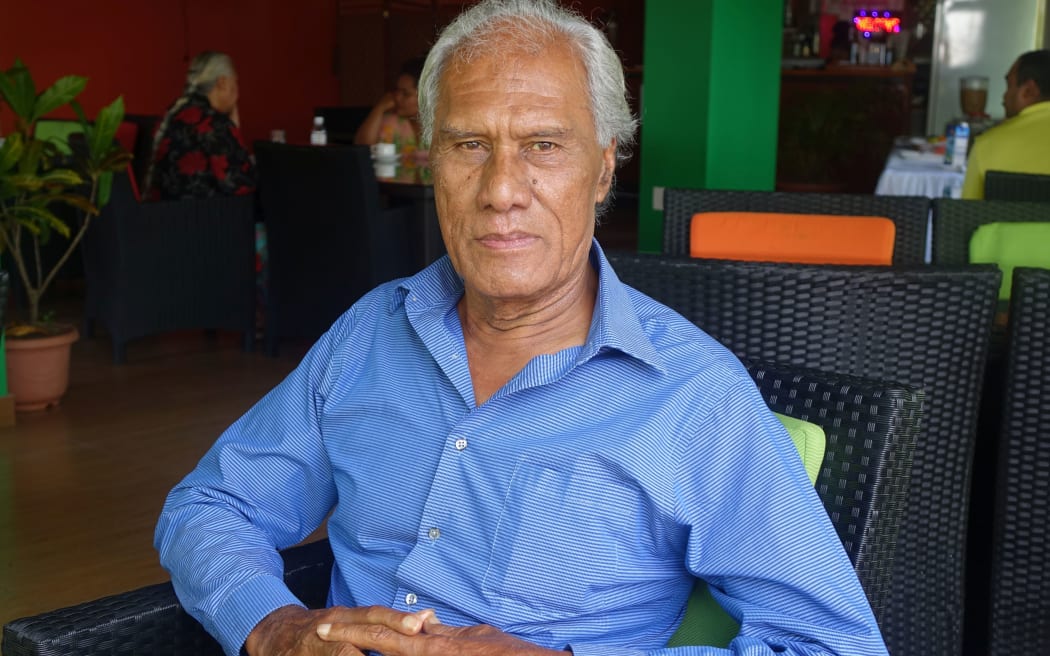
The Late Samiuela ʻAkilisi Pōhiva (1941–2019) rose from a modest upbringing to become the defining figure of Tonga’s pro-democracy movement and one of the Pacific’s most influential political voices. A former teacher turned activist, he used radio and his newspaper Keleʻa in the 1980s to expose corruption, challenge entrenched power, and champion transparency and accountability, values he argued were rooted in Tonga’s own moral traditions. Despite being dismissed from his job and even jailed for his activism, Pōhiva remained unwavering. His decades-long struggle culminated in 2014 when he became Tonga’s first commoner elected Prime Minister, marking a historic victory for the people’s movement over hereditary privilege.
As Prime Minister, he extended his moral leadership across the region, urging unity grounded in compassion, justice, and moral courage. He championed human rights across Oceania, most notably the plight of West Papua, insisting that Pacific leaders uphold the principle of leaving no one behind.
West Papua’s long-standing cry for help has echoed across Pacific regional meetings and spaces for years, yet the issue remains unresolved. Among the strongest voices was that of the late Prime Minister Pōhiva, who consistently used his platform to highlight the suffering of the West Papuan people. “Tonga does not condone the injustice, cruel violation of human rights, dignity and brutal treatments around the world especially in West Papua in the Pacific,” he declared at the UN General Assembly in 2015. Throughout Forum meetings, he stood firm, unafraid to speak when others remained silent, earning him the reputation of a “true leader.” Even as Indonesia’s political and economic influence in the region grew, Pōhiva never wavered. During the 2016 Pacific Islands Forum, he urged regional leaders, “We should not let others control us. We should stand together in solidarity in support of the people of West Papua.” He called for UN investigations into human rights abuses and backed the United Liberation Movement for West Papua (ULMWP)’s bid for recognition.
Pōhiva refused to abandon what he saw as his moral duty to his “brothers and sisters” in West Papua, grounding his stance in principle rather than politics. Since his passing in 2019, questions have lingered over whether Tonga or its future leaders will continue his firm stand for Pacific solidarity on this issue. While an equally vocal advocate has yet to emerge, Pōhiva’s legacy continues to inspire Tongan youth and civil society. As youth leader Vika Taufa reflected, “Pohiva taught us that even a small nation can have a loud voice when it speaks the truth.”
A Pacific Future Built on Justice
A just and peaceful Pacific cannot be built on silence and selected solidarity, instead we must make an effort to stand up for those who cannot, and be the voice for the voiceless. While Pohiva remained an advocate for West Papua, he also reminded us that true leadership means standing up for those who cannot speak freely, especially if it is within your capabilities. He assured us that the problems that West Papua struggled with is not a distant issue but a Pacific wound.
If we consider the future of the Pacific, justice must remain as the foundation of our vision, the challenges we face, whether it is climate change or our culture slowly fading, we must consider those, who are around us. This future also requires the empowerment of our fellow Pacific Youths, so that they can continue the legacies of leaders like Pohiva. They must be filled with history and knowledge of issues that are happening around them and not just limit them to their own countries.
For Akilisi, justice was not something to be negotiated or to turn a blind eye to, it was a moral imperative. His constant stance for West Papua was noticeable. He also urged the other leaders to put truth over diplomacy even if that put him in a difficult position. In standing with West Papua, we are not merely defending the rights of certain people or that particular land but we are standing together with them to support the people of the Pacific, our very own people.
Pacific youth, churches, civil societies and regional leaders now have to carry Pohiva’s legacy and his responsibilities forward. They must continue this advocacy through actions rather than words, by ensuring that the Pacific is aware of the struggles of West Papua and that they lend a helping hand if they are able to. In the future, there are hopes of a better life built on justice where West Papua is free of their struggles.
Pacific Solidarity
Most of the Pacific especially the younger generation are not aware of the struggles that the West Papuans face. Ronny Kareni is a musician and activist for West Papua and even though he was born in West Papua he states that you don’t have to be from West Papua to be able to speak on their situation. He claims that “Growing up in exile has taught me that identity is about memory, connection, and purpose. It began when I witnessed the strengths of the elders, the songs of longing and hope, and the communal spirit that refused to be broken in refugee camps.
Ronny believes that identity is one of the things that shape them as West Papuans and that it has allowed him to share the West Papuan stories through a personal lens with the world. That way the world can view what they are dealing with through his experiences. He also confirms that there are ongoing human rights violations and brutal military occupations that have effectively rendered West Papua as a non-international armed conflict zone, under humanitarian law. “This silence is both political and historical avoidance”. Ronny believes that being silent about these issues are politically related but are also historical. Although West Papua is a land of many tribes and rich biodiversity, we must be able to look beyond the headlines and listen closely to what the people need. “It is a fight for the right to exist fully: to sing our songs, to speak our languages, and celebrate who we are”, he adds.
It is quite important that the Pacific Islanders are well informed of these situations, so that we are able to make sure that we are helping the right people rather than encouraging what is currently happening or turning a blind eye to the people who are our brothers and sisters. Neomai Pohiva, Akilisi Pohiva’s granddaughter said “West Papua’s cry for freedom is the unfinished struggle of our Pacific, their voices, long silenced by repression, calls us to stand together because until West Papua is free, the Pacific cannot truly be whole”.
When speaking about regionalism, West Papua and the spirit of leaving no one behind, Pohiva, challenged the Pacific leaders and said, “We should not let others control us. We should stand together in solidarity in support of the people of West Papua.”
The life of the late Akilisi Pohiva is an example of true leadership, and not one rooted in privilege or politics, but in the moral responsibility to stand firmly for truth, even when the path is difficult. This is a genuine calling for us, the future generation of Tonga, to embrace his spirit of justice as a moral obligation.
Let us be the loud, clear voice for accountability and transparency in your own kingdom, and extend that spirit of Pacific solidarity to all our Pasifika family across the ocean. As our nation holds a mighty legacy of sovereignty, we continue Pohiva’s legacies to transform moral principle into meaningful actions, safeguarding the future of the Pacific, which is built on freedom and the commitment of leaving absolutely no one behind.