


Pacific leaders have renewed calls and commitment for stronger regional coordination to address climate-induced displacement and disaster preparedness during the Second Pacific Disaster Risk Management (DRM) Ministers Meeting in Palau last week.
The issue of climate mobility, forced movement of people due to rising sea levels and extreme weather, took centre stage as small island nations shared how they are adapting to the growing risks.
Responding to a question from In-depth Solomons in a press conference, Rhonda Robinson, Director of the Pacific Community’s (SPC) Geoscience, Energy and Maritime Division, said the region is taking a more integrated approach through the Framework for Resilient Development in the Pacific.
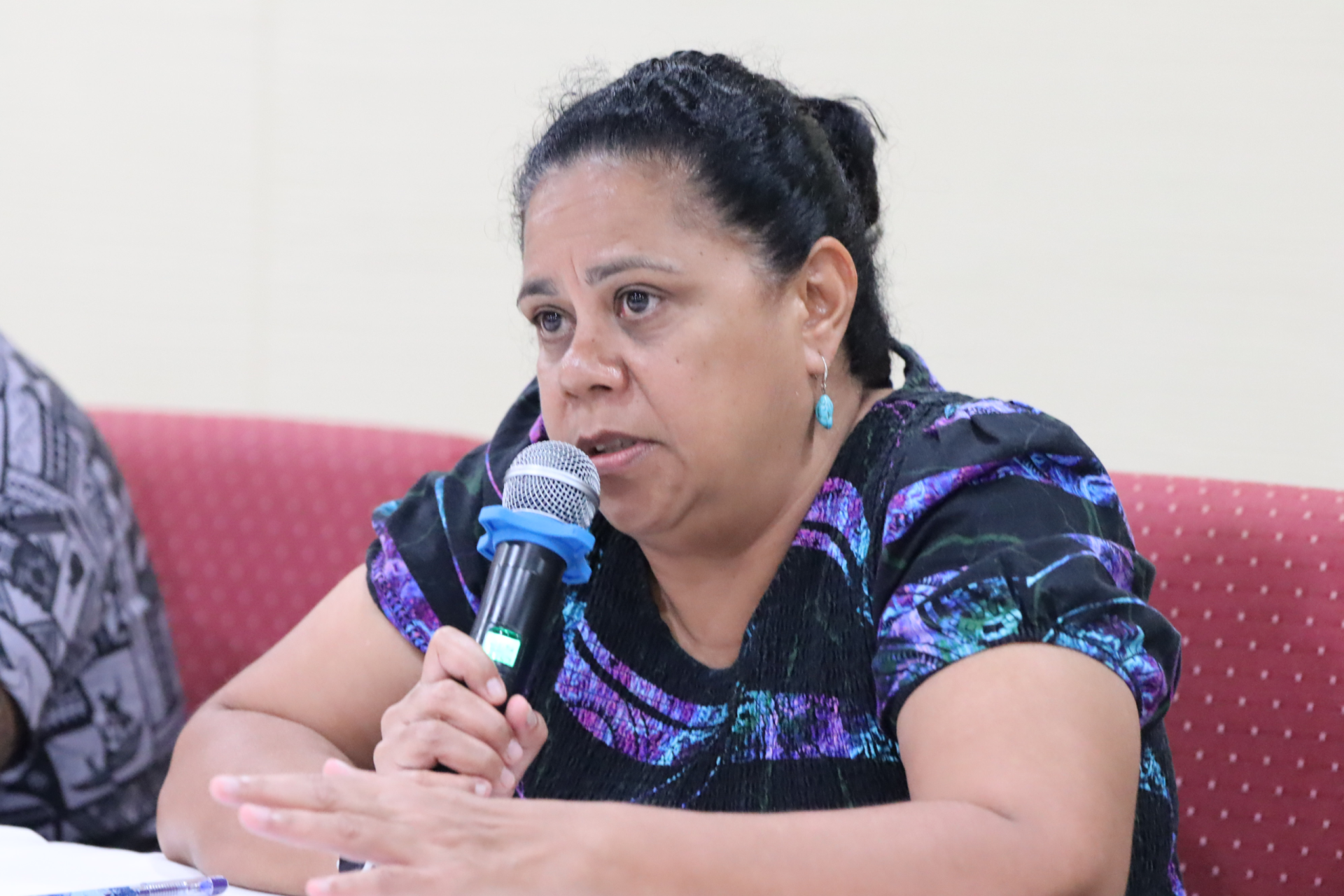
“We’ve brought the climate change and disaster management agendas together under one framework,” Robinson said.
“Ministers also noted the Pacific Regional Framework on Climate Mobility presented by International Organisation for Migration (IOM), an important step in ensuring climate and disaster efforts work hand in hand.”
Robinson said more collaboration and data are needed to understand displacement linked not only to climate change but also to disasters like cyclones and flooding.
Palau’s National Emergency Management Office (NEMO) Director speaking on behalf of Palau Vice President and Chair of the DRM, Raynold B. Oilouch said the issue of climate mobility is particularly sensitive for small island nations like Palau, where limited land and strong cultural ties to ancestral lands make relocation complex.
“Climate mobility and displacement are major issues here in Palau,” he said.
“Our traditional ties to the land make it difficult, and at the end of the day, funding is often seen as the solution. But the new vulnerability framework and migration policy now integrate disaster risk management and climate change, that’s a big step forward for us.”
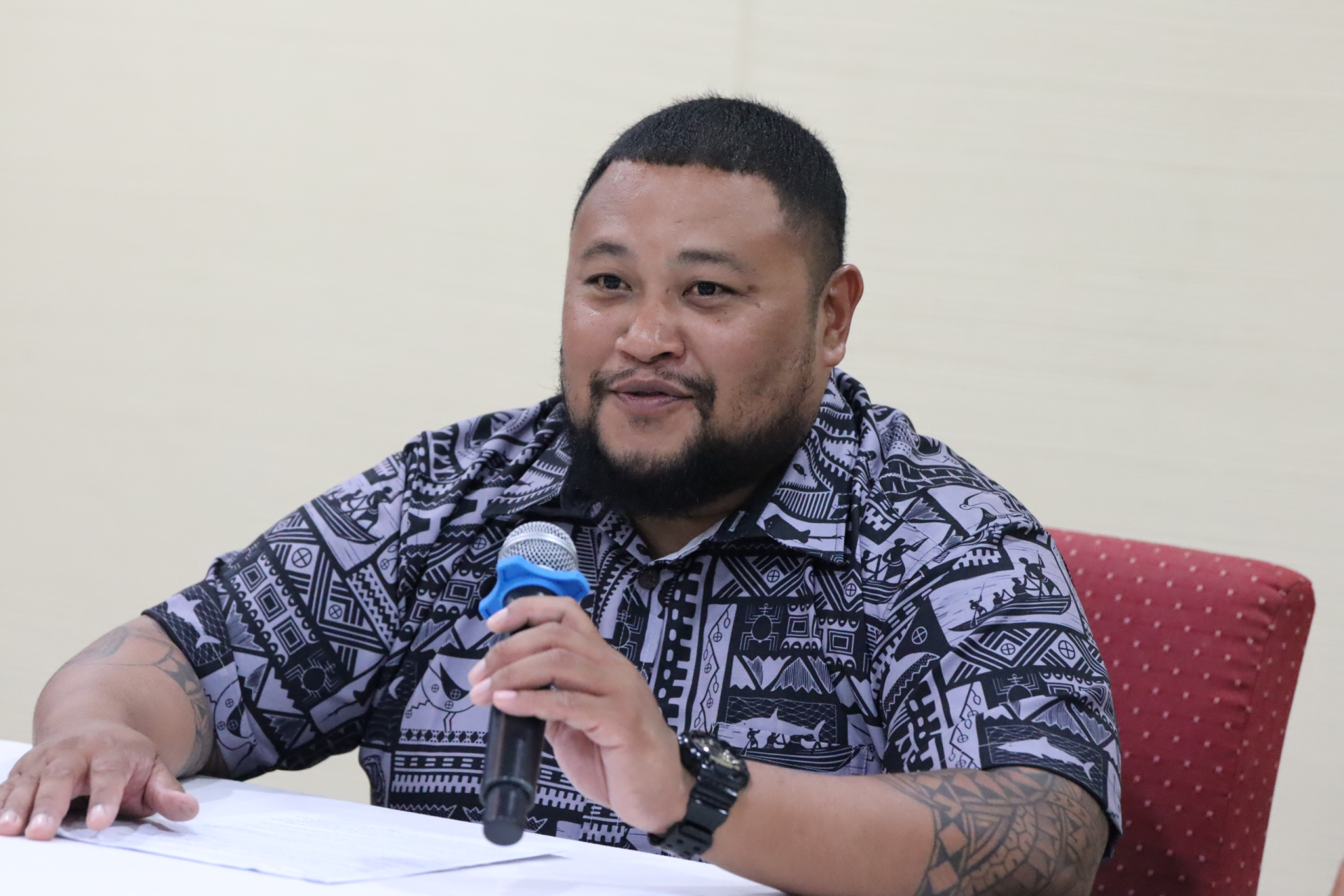
Solomon Islands Minister for Environment, Climate Change, Disaster Management and Meteorology said, “frameworks and programmes to support vulnerable island nations must always be based on country context.”
Tuvalu’s Minister for Public Works, Infrastructure, Development and Water, Ampelosa Tehulu, echoed similar sentiments.
He said, “climate-driven disasters” have left his people “beginning to lose hope,” calling on Pacific neighbours, that regional disaster-resilience efforts must “leave no country behind”.
“Frameworks built to assist island nations must be based on the country’s unique context and be driven from the local level, not imposed from above.”
The discussions form part of wider regional efforts under the Pacific Humanitarian Warehousing Program (PHWP) and the 2050 Strategy for the Blue Pacific Continent, which aim to strengthen preparedness, early warning systems, and community resilience across island nations.
Solomon Islands is yet to have its climate-induced displacement and relocation policy, posing a greater challenge to vulnerable communities, like those of Malaita outer Islands.