

Papua New Guinea’s current population is 10.1 million as per the national census conducted last year, Prime Minister James Marape revealed.
He said the National Statistical Office reported that there was 10,185,363 persons in the country as of June 16 this year.
“This is far from the three million (persons) in 1975,” he said.
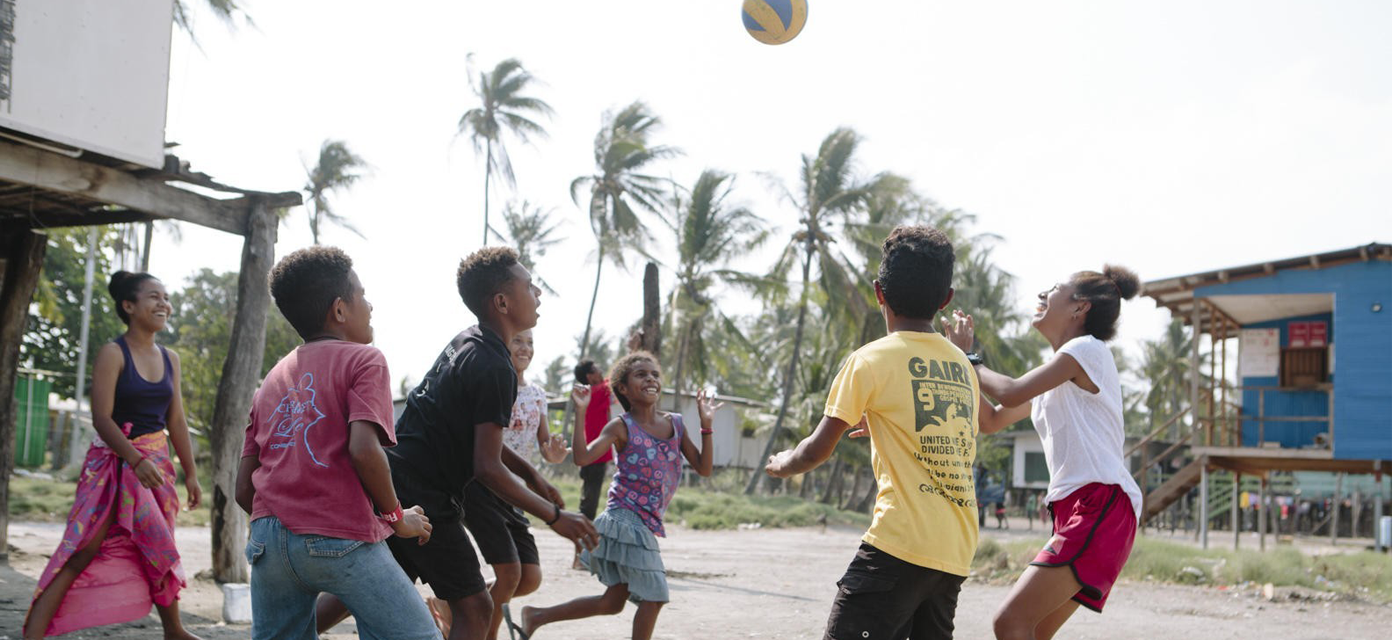
Marape said about 4.3 million of this population was under the age of 18, highlighting the youth-heavy nature of PNG’s demographic structure.
“This tells us something very important — the majority of our people are young. That’s a lot of mouths to feed, schools to build, teachers to train, and jobs to create,” he said.
“In 1975, we were a nation of about 3 million people.
“Fifty years later, we are more than 10.1 million strong — that is a massive increase, and it must change how we plan, budget, and deliver.
Marape warned that while the population has grown by over 3 per cent annually, economic growth has lagged behind, averaging below 3 per cent.
“That is not sustainable. If our population is growing faster than our economy, then we are stretching limited resources thinner and thinner. This is why growing the economic basket is not optional — it is critical.”
He stressed that government service delivery should now be planned around real-time, evidence-based data, using accurate population numbers to determine where funding, infrastructure, and staff should go.