


By Pita Ligaiula in Honiara, Solomon Islands
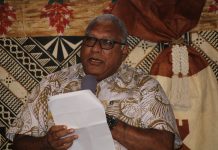
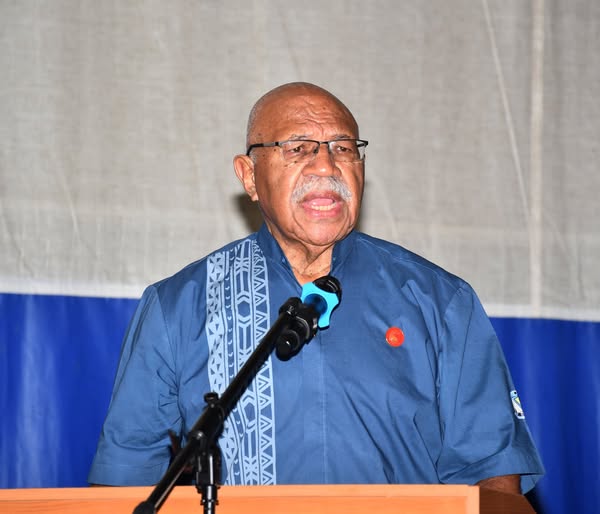
Fiji’s Prime Minister Sitiveni Rabuka says the signing of the Ocean of Peace Declaration by Pacific leaders is only the beginning, and the real work lies ahead in turning words into action.
“I feel good. We just signed the declaration. Now we have to work on it and set an example for future leaders and our descendants,” Rabuka told Pacific journalists in Honiara.
He said history has shown peace can be achieved with genuine commitment.
“World War I ended, World War II ended, and many other conflicts ended when there was real effort, sometimes with third-party help, to bring warring factions together. It can be done with dedication and commitment by leaders,” he said.
Rabuka described the Ocean of Peace Declaration as a unifying framework.
“It summarises the Boe Declaration, our aspirations for the 2050 Blue Pacific Strategy, and our development plans. It all comes together in the Ocean of Peace,” he said.
Asked what the declaration means for Fiji, Rabuka said it provides confidence and direction.
“It means our people have hope, knowing their leaders are committed. For Fiji, it gives us a guide as we continue to tackle domestic challenges,” he said.
He rejected suggestions that development partners were excluded from the process.
“I don’t support the idea that outsiders are encroaching. There are no outsiders here — we are all Pacific citizens,” he said.
Rabuka stressed the importance of putting the declaration into action at home.
“We have to operationalise this in our domestic politics and issues — those raised by civil society, youth groups, women’s groups, and gender advocates. The plenary highlighted many priorities, and the declaration will be strengthened with annexes and targets we commit to,” he said.