


More than 105,000 residents in Honiara are set to benefit from improved water supply following the commissioning of three new reservoirs and more than 10 kilometres of trunk water mains in Solomon Islands.
The infrastructure upgrade, delivered under the Urban Water Supply and Sanitation Sector Project, is aimed at improving water reliability, increasing storage capacity and strengthening the capital’s ability to meet growing demand.
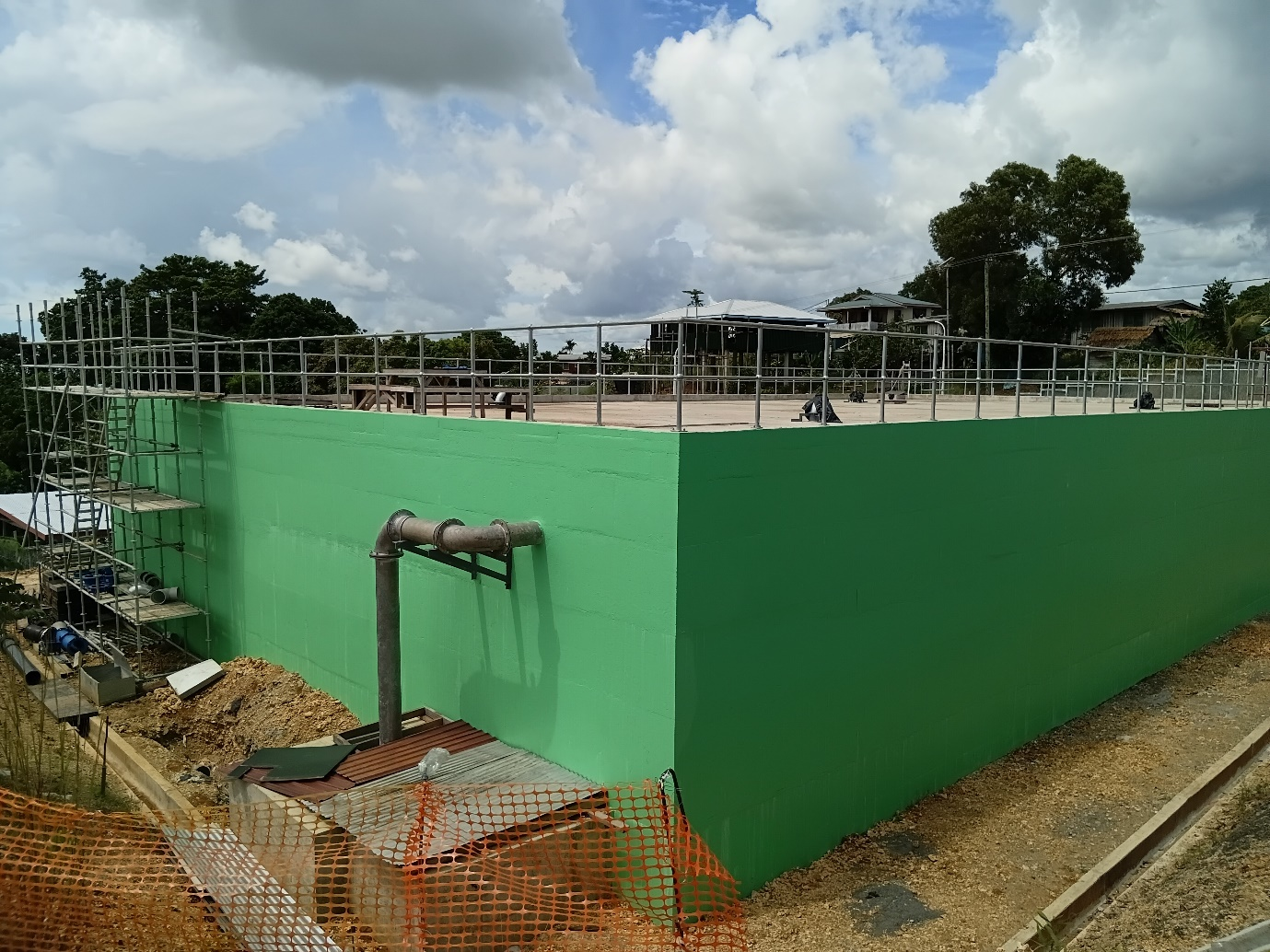
The project includes new reservoirs at Titinge, Tasahe and Panatina, adding more than 8.5 million litres of water storage capacity to the Solomon Water network.
New transmission pipelines have also been installed along key urban corridors, including Kongulai to White River, White River to Iron Bottom Sound, East Kola Ridge to Vura, and Panatina Reservoir to Burns Creek.
Asian Development Bank (ADB) Country Director Anthony Gill said the commissioning marked an important milestone for Honiara and demonstrated the benefits of development partnerships.
“Today’s commissioning is an important milestone for the people of Honiara and demonstrates what can be accomplished through strong partnerships and a shared commitment to improving essential services
“It is an investment in public health, economic growth, climate resilience, and human development,” Gill said.
Minister for Mines, Energy and Rural Electrification Derrick Manu’ari said water security was central to the country’s national development and resilience.
“The Government recognises that water security is not simply an infrastructure issue. It is a matter of national security, public health, economic resilience, and social equity,” Manu’ari said.
The upgraded network is designed to support Honiara’s growing population, with infrastructure capacity planned to accommodate more than 300,000 people by 2050.
The project is jointly supported by the ADB, World Bank, European Union, Global Environment Facility and the Solomon Islands Government.
The investment is expected to provide a foundation for further expansion of water services, improve the performance of the country’s water utility and strengthen the resilience of urban water infrastructure to climate-related challenges.