
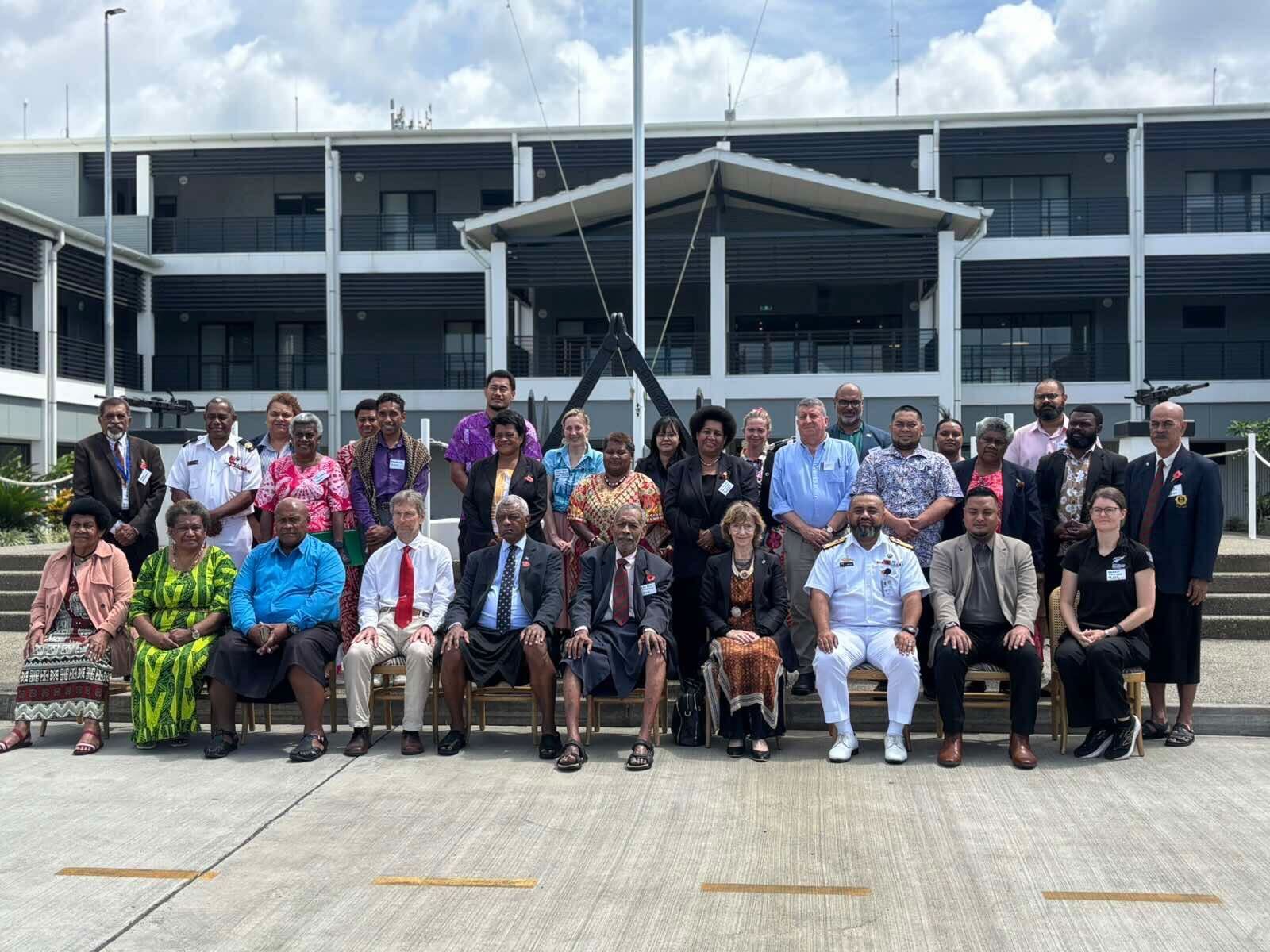
Pacific representatives are meeting in Suva to push for nuclear justice, victim assistance and environmental remediation decades after more than 300 nuclear tests were conducted by the United States, Britain and France in Australia and the Pacific.
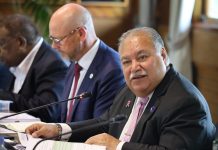
The three-day dialogue, From Testing Ground to Healing Grounds: Advancing an Ocean of Peace, runs from 28 to 30 October and brings together government officials, nuclear test survivors and civil society representatives.
The meeting is hosted by the Fiji Government and the Fiji Nuclear Veterans and Families Association, with support from the International Campaign to Abolish Nuclear Weapons (ICAN), ICAN Australia and the Nuclear Truth Project.
Organisers say the dialogue aims to strengthen regional action to address the health, environmental, cultural and social consequences of nuclear testing, including impacts passed down through generations.
“The Pacific carries interconnected legacies of nuclear weapons testing, military participation and radioactive harm,” said Mere Tuilau, an organiser representing Fijian nuclear test veterans.
She said affected communities in Fiji, Kiribati, the Republic of the Marshall Islands, Māòhi Nui (French Polynesia), Australia and Aotearoa New Zealand continued to experience the consequences.
“Their lived experience, knowledge and priorities must guide responses to this legacy,” Tuilau said.
A key focus of the discussions is the implementation of Articles 6 and 7 of the United Nations Treaty on the Prohibition of Nuclear Weapons (TPNW), which require states parties to provide assistance to victims of nuclear weapons use and testing and take steps towards environmental remediation in contaminated areas.
The treaty was negotiated in 2017 and entered into force in 2021. It is the only global treaty to comprehensively prohibit nuclear weapons and establish specific obligations addressing the harm caused by their use and testing.
The outcomes of the Suva dialogue are expected to be presented at the first TPNW Review Conference in New York from 30 November to 04 December.
Pacific island countries played a significant role in negotiating the treaty and securing its entry into force, with regional governments continuing to advocate for nuclear disarmament and recognition of the legacy of testing.
Fiji’s own experience with nuclear testing is central to the discussions.
Between 1957 and 1958, Fijian soldiers participated in Britain’s nuclear testing programme at Malden and Kiritimati (Christmas) Islands, now part of Kiribati. The tests raised concerns about radiation exposure and long-term health consequences for military personnel and affected communities.
The Fiji Government has previously acknowledged the “tragic health circumstances” of citizens who took part in the tests. In 2015, it announced one-off grants for veterans and their families while maintaining that proper compensation from the British Government was still needed.
Fiji ratified the TPNW in 2020, reaffirming its position that nuclear radiation and waste have consequences beyond national borders and across generations.
ICAN executive director Melissa Parke told the dialogue in a video message that nuclear testing decisions had been made by governments far removed from the communities exposed to the consequences.
“These governments did not represent Pacific islanders, nor the Indigenous Australians on whose traditional lands they tested their weapons of terror,” Parke said.
She said Pacific states had helped shape the treaty’s provisions on the consequences of nuclear testing and urged governments and civil society to continue working towards nuclear disarmament and justice for affected communities.
The Suva meeting comes ahead of the treaty’s first review conference, where states parties will consider progress and further action on its obligations.
For Pacific communities affected by decades of nuclear testing, the priority remains ensuring survivors receive appropriate assistance, contaminated environments are addressed and the long-term consequences are recognised.