


China has rejected U.S allegations linking it to cyberattacks, accusing Washington of politicising cybersecurity and making accusations without evidence, as the United States warns Fiji of a suspected cyberattack on a Suva-based regional organisation.
The U.S Embassy recently informed the Fiji Government and the affected organisation of a suspected compromise of its computer network between July and August 2026, alleging hackers linked to China maintained access for several days.
The embassy provided technical recommendations to help Fiji and the organisation secure their networks and address the suspected breach.
It said the incident reflected a broader pattern of cyber activity targeting Pacific governments, multilateral organisations and telecommunications networks by state-sponsored cyber threat actors linked to China.
The United States warned that information stolen through such operations could give Chinese intelligence services and other actors access to sensitive data and compromise communications between Pacific Island countries and territories.

The embassy said the activity was consistent with its assessment that China remained an active and persistent cyber threat.
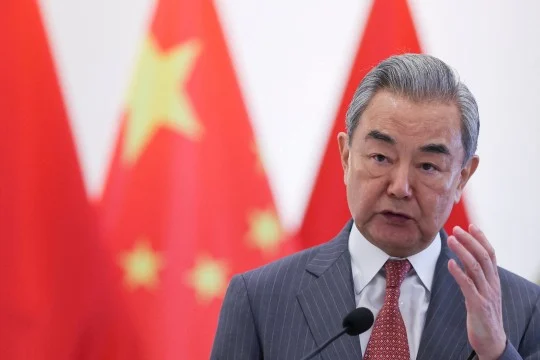
Responding to U.S allegations of Chinese support for cyberattacks, a Chinese Embassy spokesperson said Beijing firmly opposed hacking and was committed to combating cybercrime in accordance with the law.
“China is a staunch defender of cybersecurity. China firmly opposes and combats hacking activities in accordance with law, and firmly opposes the practice of politicising cybersecurity issues,” the spokesperson said.
China also opposed what it described as the spread of disinformation for political purposes and accusations against other countries without evidence.
The spokesperson called on Washington to stop what Beijing described as double standards and political manipulation and instead work with China to address cybersecurity risks through dialogue and consultation.
“Cybersecurity is an issue of common concern for China and the U.S,” the spokesperson said.
China urged the United States to take a responsible and constructive approach and build a relationship in cyberspace based on peace, stability and mutual respect.
The U.S Embassy also raised concerns about alleged links between criminal networks, corruption and foreign influence in the Pacific, citing public reporting on individuals and networks operating across the region.
It referred to research describing what scholars call “systemic geocriminality” and alleged links between China’s United Front and criminal figures.
The allegations highlight growing concerns over cybersecurity and the protection of sensitive government and regional communications across the Pacific.
The Chinese spokesperson’s remarks did not specifically address the suspected compromise of the Suva-based organisation’s network.