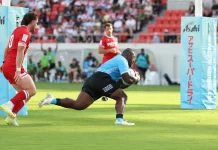


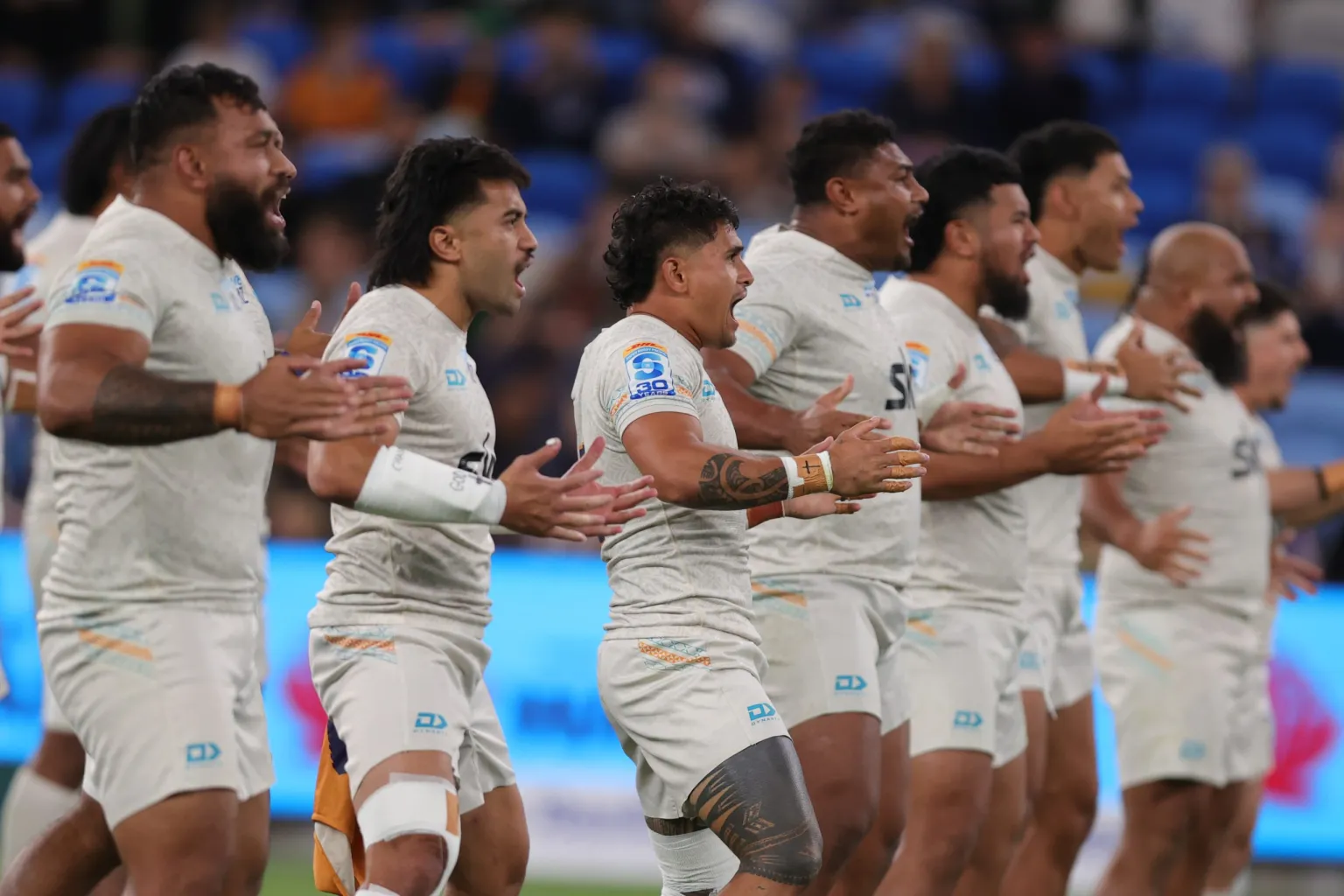
It was a team built on pride, power and Pacific identity, but now Moana Pasifika is facing a fight far bigger than anything on the field.
The franchise is set to exit Super Rugby Pacific at the end of this season – a prospect that has sent shockwaves through the rugby community and raised serious questions about the future of Pasifika representation in the professional game.
“Whatever money they are paying the people who made this decision, it’s too much,” says rugby commentator and Pasifika leader Ken Laban, who is also the Mayor of Lower Hutt.
“In my view, it’s a short-sighted, bad decision from Super Rugby, New Zealand Rugby, World Rugby – whoever the organisations are involved in this. Five years is nowhere near long enough for them to determine whether or not this franchise would be successful.”
Today, The Detail looks at the demise of Moana Pasifika, whose journey began unofficially six years ago, with an exhibition match against the Māori All Blacks.
A year later, the Moana Pasifika Charitable Trust was established, and by 2022, the franchise officially entered Super Rugby Pacific, marking a historic moment for Pacific rugby, with players from Samoa, Tonga, the Cook Islands, Niue, and Tokelau lining up together, carrying the hopes of their different nations and cultures.
And from the first kick-off, Moana Pasifika showcased a fearless, unpredictable and unapologetically different style, with big hits and moments of sheer brilliance.
“The admission of Moana Pasifika to the competition five years ago and the narrative around that was to create opportunities and pathways for players … and also it would solidify in the hearts and minds of Pasifika families all around the world that this was a team that they could support and this was a team that they could follow,” Laban tells The Detail.
“Unfortunately, now, none of this is going to come to fruition.
“It’s a terrible setback for the game, it’s a terrible setback for Moana Pasifika … unfortunately, it’s a decision they have no control over, and I think the administrators of the game could have done a better job of securing their future.”
But behind the passion, the haka, and the beautiful post-game singing in the changing sheds, problems have been festering.
The team have faced persistent challenges – from financial pressure and on-field inconsistency to the brutal reality of competing in a trans-Tasman competition stacked with established powerhouses.
Even the inclusion of All Black Ardie Savea last season wasn’t enough to keep the team alive.
Rugby writer Jamie Wall tells The Detail that the decision to exit the team from the competition is “massively significant and not in a good way”, and believes the team was effectively set up to fail from the beginning, with funding issues and delayed contract negotiations, meaning they couldn’t “splash the cash”.
He says they felt “homeless” after being given a base at Mount Smart, which is home to the Warriors.
“This is a team that was under scrutiny before day one,” Wall says. “[It’s] a team that has faced a lot of challenges across its brief history, but also created some really, really important and special rugby moments, including affecting the career trajectory of the potential All Blacks captain this year.
“They will go out as probably a lot more than just a footnote in New Zealand rugby. But it also raises some serious questions about finances, about governance, and about just how you can treat the Pasifika community who have given so much to rugby.”
He says Moana Pasifika has been more than a jersey – it’s been a pathway, a platform, and a point of pride. If the team disappears, so too does a vital bridge between grassroots Pasifika rugby and the professional stage.
He is confident, though, that top players will either pick up contracts with other New Zealand teams or with international clubs.
“Who I feel for are the people who are running this team, who would have been in for the long haul, who would have gone through this last season, thinking ‘Man, we did it, we have got there, we have proved so many people wrong’, and now that dream is over.”
Both he and Laban are hopeful that a financial saviour will swoop in and save the team, “with tens of millions needed, realistically”.
“I’m not ruling it out, because anything is possible, there may be some benefactor out there,” says Wall, who pointed out Sir Fay Richwhite invested $5 million (US$2.95 million) into Manu Samoa Rugby Limited in 1995.
“But people nowadays are going to be looking for the bottom line, and it’s a lot more expensive business now.
“Also, one of the reasons we have heard that is scaring off potential investors is the level of debt that has been incurred, which has to be taken on as well.”
Laban adds: “I am well aware that collectively Super Rugby, New Zealand Rugby and World Rugby have got the resources between them to have been able to keep this team in the competition until they were able to be sustained independently with commercial support.
“That’s what I find disappointing, that they basically walked away from this without even putting up a fight.
“I am hopeful [for a financial saviour], and I have heard a few rumours that some people might arrive at the 11th hour, but for the time being, they are done as a franchise,” he said.