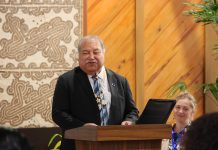
Pasifika Communities University (PCU) is aiming to reshape higher education in the Pacific over the next decade, focusing on culture, identity, and community, says Dean of Strategic Visioning Aisake Casimira.
In an interview with PACNEWS, Casimira said PCU will place Pacific knowledge alongside global frameworks, rather than beneath them.
“Intellectual growth at PCU is always inseparable from cultural grounding, spiritual awareness, and community responsibility. Traditional education often isolates knowledge from the people, land, and traditions they belong. That balance is essential. Intellectual growth without identity can create disconnection. But when learning is rooted in who we are, it becomes transformative.”
“We deliberately embed Pacific philosophies, faith, histories, languages, arts, and worldviews into our academic programmes. At the same time, we teach critical thinking, Pasifika research methodology, and global research frameworks. But here’s the difference — we don’t position Western knowledge as superior. We place it in conversation with Pacific knowledge,” Casimira told PACNEWS.
“Spirituality is not treated as separate from education either. Students are encouraged to see their studies as connected to purpose and service. When students graduate, we want them to be intellectually sharp, yes — but also culturally grounded, spiritually aware, and deeply conscious of their responsibility to their communities, the environment and land and oceans. That is the focus of PCU in the next 10 years,” he said.
Casimira highlighted the role of intergenerational knowledge in teaching and leadership.
“Intergenerational knowledge is central to how we teach and lead. The wisdom of elders, ancestral stories, traditional practices, and language is irreplaceable. These are not simply cultural add-ons—they are the foundation of resilient identity and ethical leadership.”
He added that the university’s mission is closely tied to the realities of Pacific communities.
“Because our ancestors were scholars long before universities were built in this region. Their knowledge systems sustained navigation, governance, agriculture, medicine, and social harmony for centuries. It’s important to include this in our students’ space of learning because this is part of reclaiming the custodianship over our knowledge systems.”
“It tells our students: your heritage is not secondary. It is sophisticated. It is valid. It is powerful. Intergenerational knowledge strengthens identity and resilience. And in a decolonising framework, that reclamation of identity is transformative.”
“It allows students to walk confidently in modern spaces without abandoning who they are. In a decolonial approach to education, learning from intergenerational knowledge is a way of reclaiming stewardship over our own stories and knowledge systems, thus empowering students to navigate the modern world while remaining deeply connected to their heritage,” Casimira told PACNEWS.
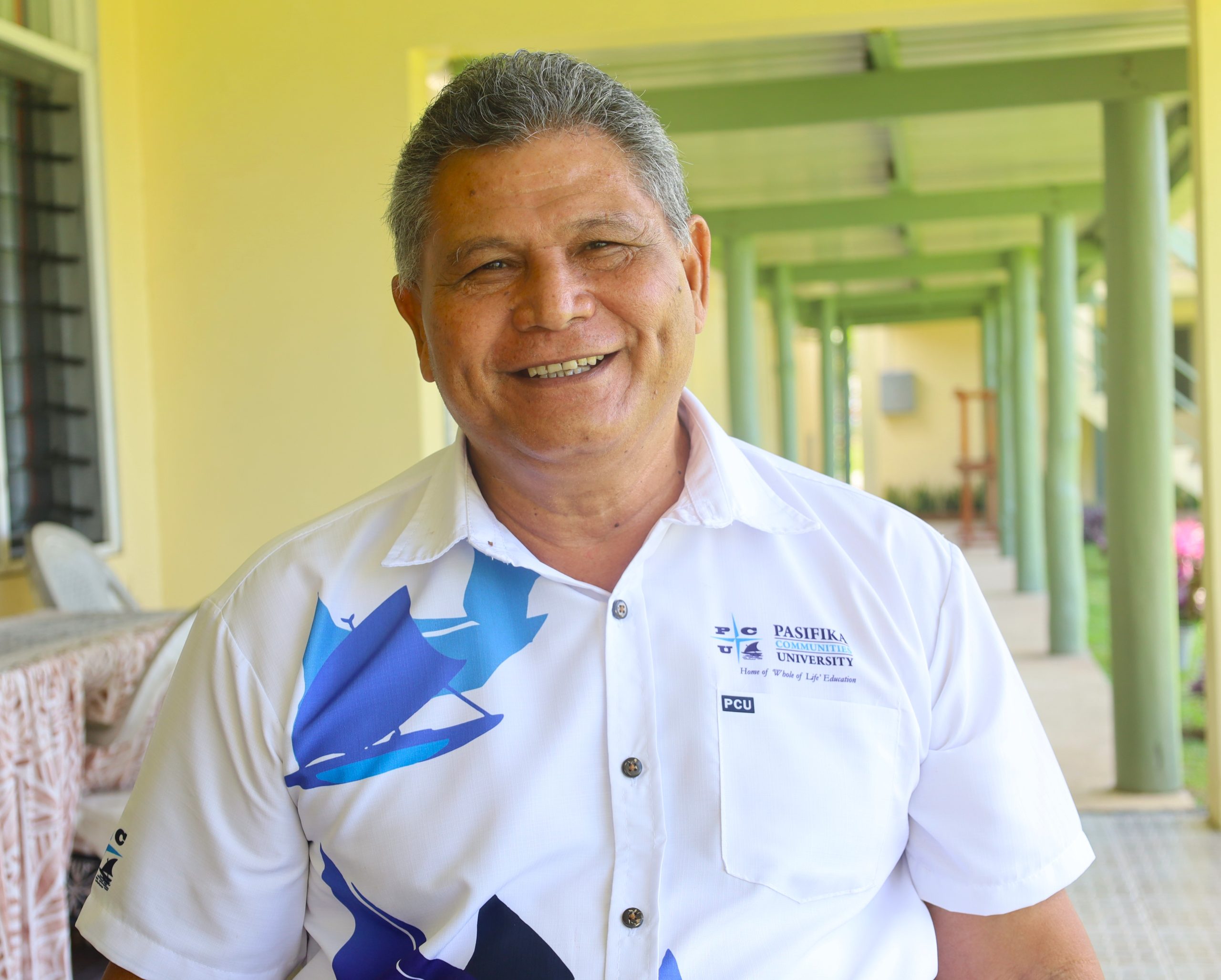
He also outlined how PCU integrates indigenous knowledge, languages, and traditions into every part of the university experience.
“When we speak about a whole-of-life philosophy, we’re saying that education is not just about the mind — it’s about the whole person. And for us, that’s deeply connected to our faith, land, ocean and culture.”
“For too long, education systems have separated knowledge from culture, from spirituality, from community. They’ve treated learning as something abstract, often detached from who we are as Pasifika peoples. At PCU, we are intentional about restoring that connection.”
“Our programmes integrate academic rigor with community engagement, cultural practice, and intergenerational mentorship. Students don’t just sit in lecture halls — they learn from elders, from their communities, from lived experience.”
“Our student support systems reflect this too. We don’t just ask, ‘How are your grades?’ We ask, ‘How are you? How is your spirit? How is your family?’ This intimate connection is factored into the redesign of PCU courses and academic pursuits,” Casimira told PACNEWS.
He said this strategy will guide PCU’s growth and produce graduates who are academically capable while grounded in Pacific values and accountable to their communities.