


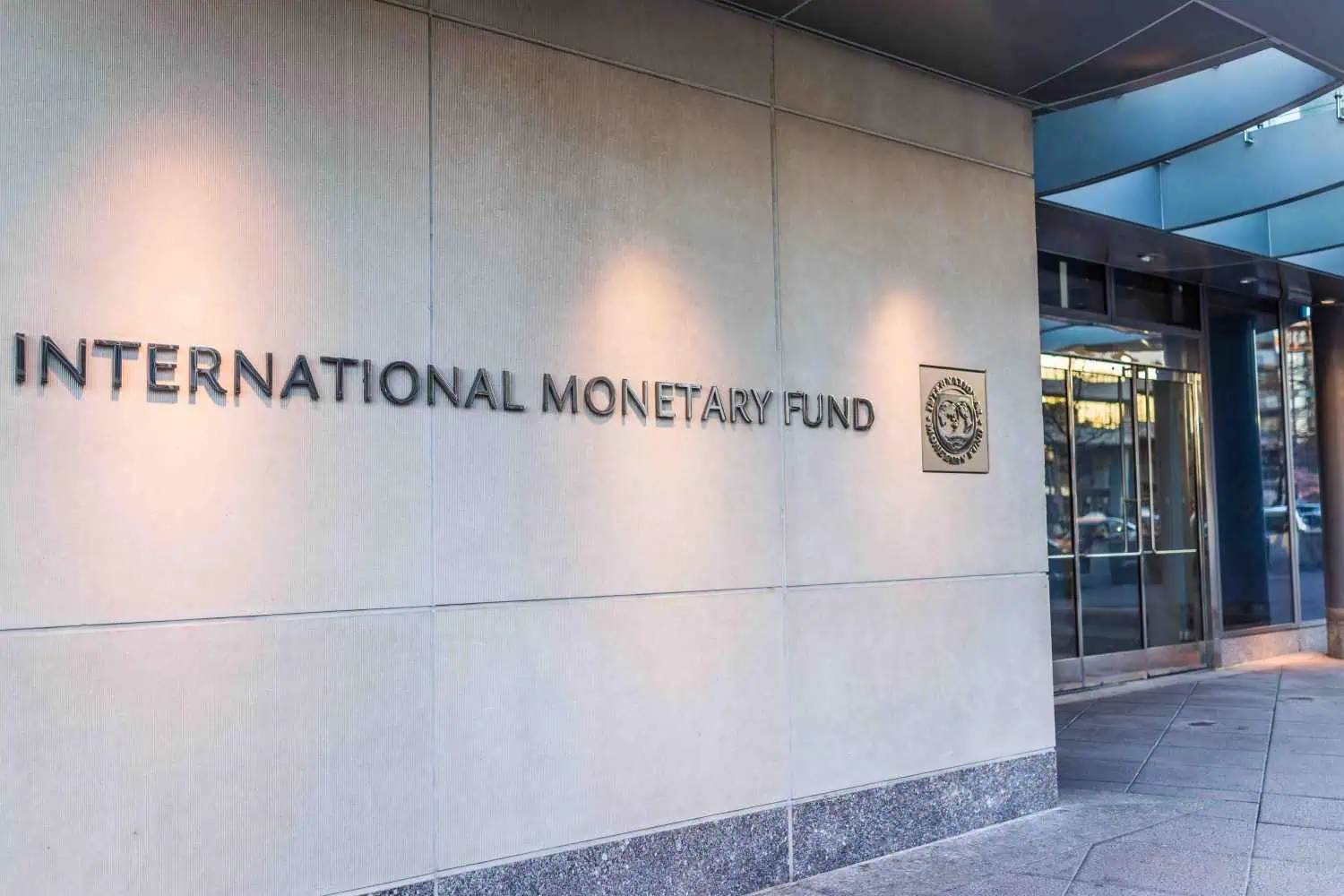
The International Monetary Fund (IMF) says the Solomon Islands economy grew in 2025 but faces slower growth and rising risks linked to global tensions and domestic fiscal pressures.
An IMF team led by Masafumi Yabara visited the country from 09 to 20 March for the 2026 Article IV Consultation.
Staff estimates that the economy grew by 3.5 percent in 2025, driven by agriculture and gold production.
The IMF said growth is expected to slow in 2026, with inflation rising.
“The conflict in the Middle East is projected to slow growth to 2.7 percent in 2026 and raise inflation to 4.8 percent on average.”
It warned that continued global instability could further weaken the outlook.
“A prolonged conflict in the Middle East could significantly dampen economic activity and raise inflation.”
The IMF said fiscal challenges remain a key concern, with deficits expected to stay high.
“Reducing fiscal deficits and rebuilding liquidity buffers remain critical.”
It said the 2026 budget shows some progress, but stronger fiscal discipline is needed.
“Realistic and fully financed budgeting, aided by simple, top-down guidelines, is needed to avoid disruptive budget freezes and rebuild buffers.”
The IMF also advised that any government measures to ease the impact of global shocks should be limited.
“Should the government introduce measures to help mitigate the impact of the Middle East conflict, they should be targeted to the most vulnerable, strictly temporary, and closely coordinated with donors.”
The report highlighted ongoing governance and accountability issues.
“Persistent delays in fiscal reporting, audits of government financial statements, and the completion of the Pacific Games audit continue to weaken accountability.”
On monetary policy, the IMF said the central bank should remain cautious and avoid sudden policy shifts.
“Staff advises against ad-hoc exchange rate adjustments to address inflation, as strict adherence to the fixed exchange rate regime anchored to the currency basket is imperative to ensure policy credibility and foster market development.”
The IMF said the financial sector remains stable, but reforms are needed to strengthen regulation and combat financial crime.
It also highlighted climate change as a long-term risk to the country’s economic outlook.
“Climate change is expected to have incremental but meaningful cumulative effects on the debt trajectory over the long term.”
The IMF stressed the need for stronger data and institutions to support economic management.
“The quality of key statistics, including national accounts and government finance statistics, needs to be improved.