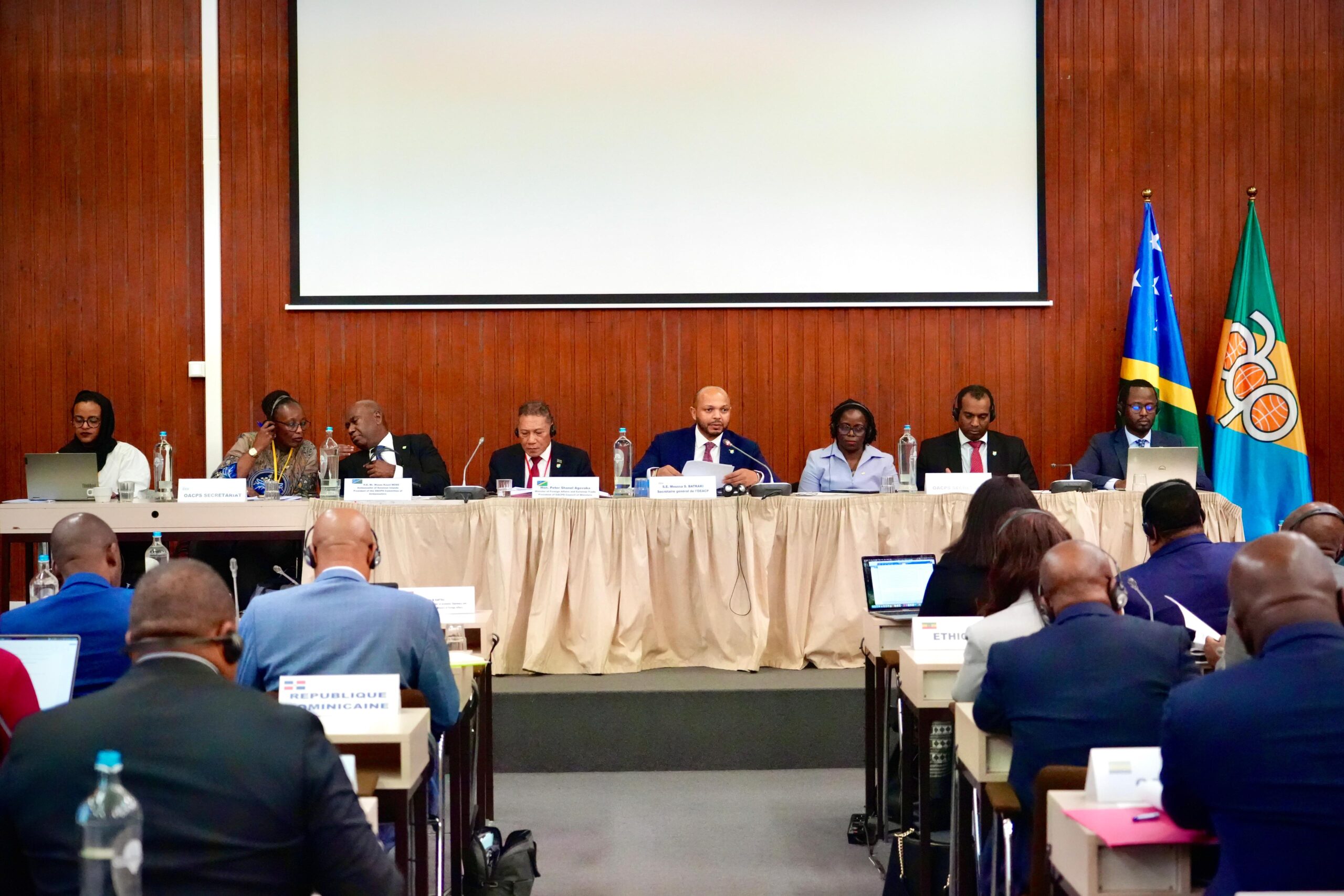
The 120th Session of the Council of Ministers of the Organisation of African, Caribbean and Pacific States (OACPS) has concluded in Brussels with a strong focus on reform, financial sustainability and implementation of the Samoa Agreement.
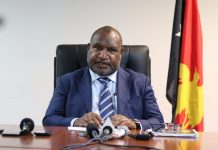
The three-day meeting was presided over by Solomon Islands Minister for Foreign Affairs and External Trade Peter Shanel Agovaka in his capacity as President-in-Office of the OACPS Council of Ministers.
While traditionally centred on administrative and budget matters, the Council also tackled wider strategic issues critical to the organisation’s renewal, including institutional reform, resource mobilisation and preparations for the 11th OACPS Summit of Heads of State and Government in Malabo, Equatorial Guinea.
Opening the session, OACPS Secretary-General Moussa Saleh Batraki said the organisation is at a critical juncture shaped by ongoing reforms, global uncertainty and rising expectations from members and partners, stressing the need to implement reforms, operationalise the Samoa Agreement and strengthen financial and administrative foundations to protect the organisation’s credibility and long-term sustainability.
Addressing ministers, Agovaka identified the 11th OACPS Summit in Malabo as a defining moment for the organisation and its 50th anniversary, saying it must deliver concrete solutions, realistic commitments and clear timelines for a renewed OACPS.
On the Samoa Agreement, ministers reaffirmed the urgency of fully operationalising it as the legal and political foundation of the OACPS–EU partnership.
They called for finalisation of the Rules of Procedure for the OACPS–EU Joint Council and welcomed progress on the EU side, urging the early convening of the Joint Council.
The Council adopted the OACPS Secretariat’s budget for the 2026 financial year, describing it as a clear political statement of members’ commitment to the organisation.
Ministers also welcomed progress on resource mobilisation, including efforts led by King Mswati III of Eswatini as OACPS Champion for Resource Mobilisation, and stressed the need to diversify partnerships beyond traditional supporters.
Preparations for the Malabo Summit featured prominently, with ministers agreeing it must be outcome-oriented and enable leaders to endorse practical solutions and clear timelines to strengthen the organisation.
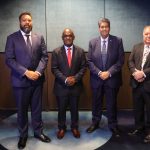
Ministers also engaged with strategic partners, including senior representatives from the United Nations, Indonesia and Belgium, and visited the new OACPS headquarters in Brussels.
Agovaka commended the swift acquisition of the premises and encouraged member states to support its development as a centre of excellence.
At the close of the session, the Council said renewal of the OACPS is no longer optional and called on member states to meet commitments on ratification and implementation of the Samoa Agreement, financial sustainability and political backing for the reform agenda.
The Council adopted decisions covering the 2026 Secretariat budget, preparations for the 11th Summit, recruitment of an internal auditor, sale of the former ACP House and acquisition of new headquarters, implementation of the Samoa Agreement, resource mobilisation, review of the contribution formula, lifting of sanctions for states in special circumstances, and engagement with strategic development partners.