


Australia is being accused of draining skilled health workers from Pacific Island countries to fix its own shortage of care workers, pushing fragile health systems in the region closer to collapse, according to a new report.
Research by the Centre for Future Work at The Australia Institute and Public Services International finds that nurses and other trained professionals from Fiji, Papua New Guinea, Samoa, the Solomon Islands and Vanuatu are abandoning frontline jobs to take up better-paid but lower-skilled care roles in Australia under the Pacific Australia Labour Mobility (PALM) scheme.
The report warns that health services in some countries are now running at “30–40 percent capacity or below.” It also reveals Pacific workers are being “deskilled, underpaid and exploited” once they arrive in Australia, with their visa status leaving them vulnerable.
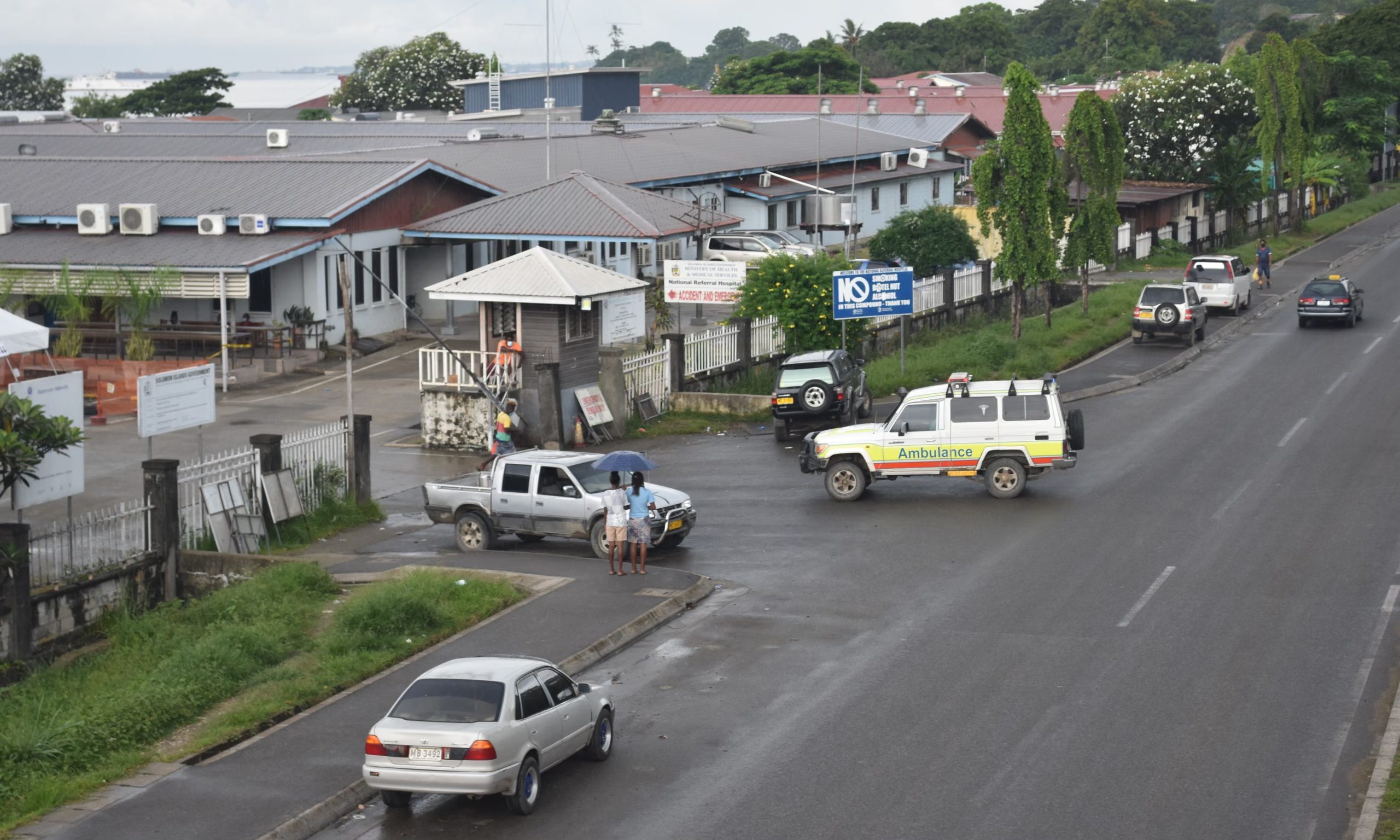
In the Solomon Islands, the report notes the country’s population of 720,000 is spread across 900 islands, already making the delivery of quality health care difficult. Public health services are struggling, pushing people toward private providers and creating new inequalities.
Workers told researchers that low wages, rising living costs and overloaded workplaces are driving migration. Training gaps, lack of equipment skills, and shortages of doctors mean nurses are often forced to perform higher-level duties.
Unions say the “brain drain” is widening. Older experienced workers are leaving, and younger staff are not receiving proper mentoring or support. Public sector unions report that existing labour laws offering allowances and benefits are not being enforced.
One workshop participant summed up frustration with treatment in Australia and New Zealand, saying: “Employers in Australia and New Zealand say ‘workers are like our families’. This is not true.”
The Solomon Islands Council of Trade Unions (SICTU) has been pressuring the government to take urgent action to protect citizens working under PALM. Concerns follow a UN report highlighting serious issues with the treatment of temporary migrant workers in Australia.
The report says poor oversight of private recruitment firms continues to expose workers to false promises, exploitation and unfair conditions. Workers with limited English skills are particularly vulnerable.
While remittances accounted for 5.4 percent of Solomon Islands’ GDP in 2023 and are improving living standards for many families, the report warns labour mobility is creating new income gaps at home and worsening shortages of skilled workers.
Workshop participants called for stronger regional cooperation to prevent workforce crises, including more scholarships for health workers, mutual recognition of qualifications, and secondment schemes to build capacity. They also urged greater involvement of unions in labour mobility programs to ensure worker protection and transparency.
Unions said that without urgent reforms, labour mobility risks deepening inequalities and further weakening an already strained health system in the Solomon Islands.