
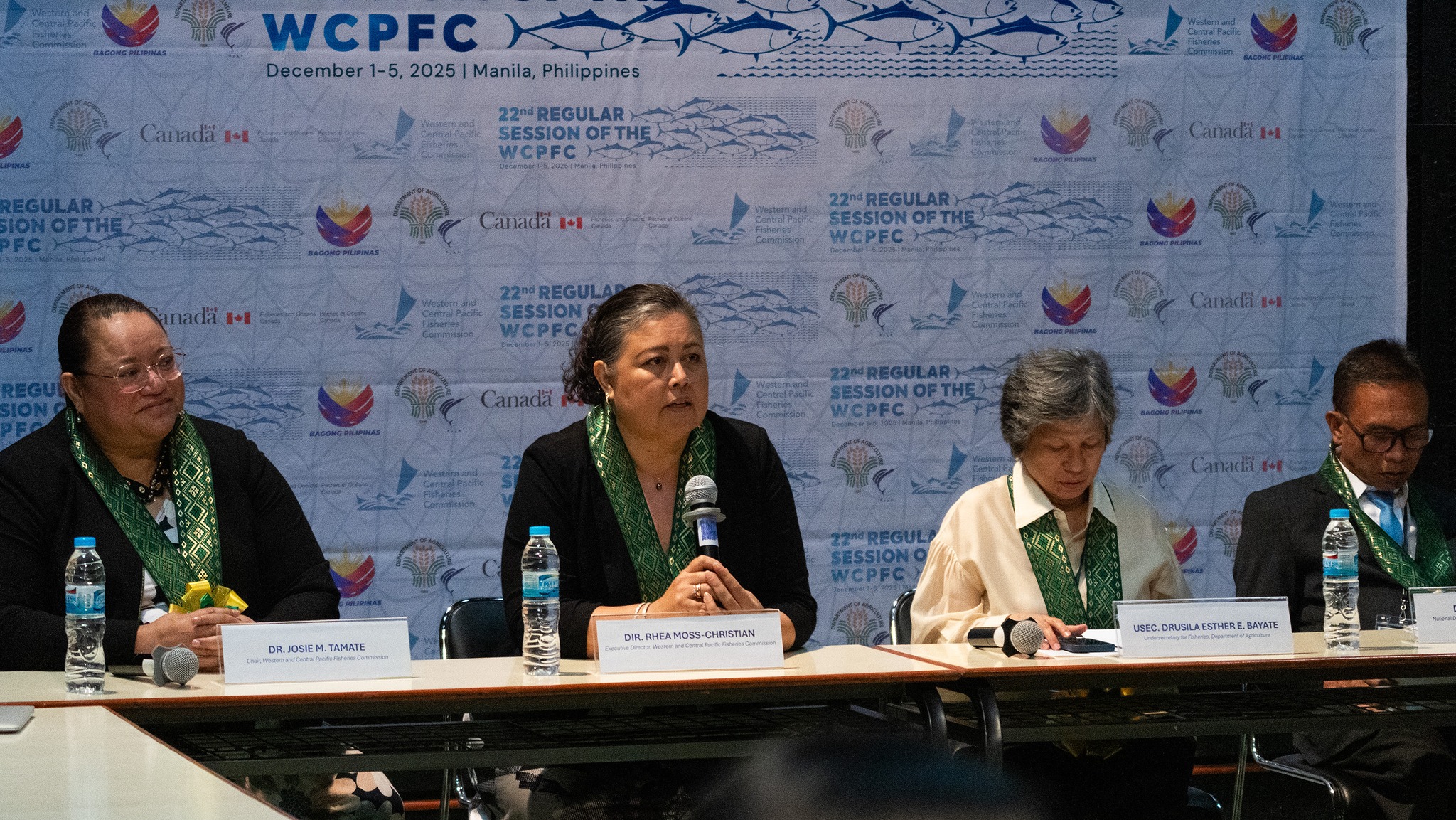
By Pita Ligaiula Manila, Philippines
As host of WCPFC22 and a major tuna producer in Asia, the Philippines expects this week’s negotiations to deliver firm decisions on conservation, monitoring and the long-delayed harvest strategy for Western and Central Pacific tuna stocks.
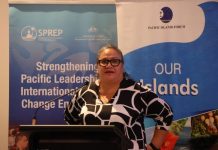
Philippines Department of Agriculture Undersecretary for Fisheries Drusila Esther Bayate told the media that the country is honoured to host the meeting of the Tuna Commission (WCPFC), calling it a critical platform for managing “one of the most important marine ecosystems and fisheries resources in the world.”
“The Philippines is honoured to host this years meeting of the Western and Central Pacific Fisheries Commission or WCPFC,” she said.
“It is a regional value mandated to ensure the long-term conservation and sustainable use of highly migratory fish stocks in the western and central Pacific Ocean… The WCPO is the worlds largest source of tuna.”
Bayate highlighted the global and regional importance of bigeye, yellowfin, skipjack and albacore, saying they “sustain global markets, support regional economies and provide food security for millions.”
“They are not just commodities, they are shared resources whose management requires partnerships, science and collective responsibility,” she said.
Bayate said the Philippines, a founding WCPFC member since 2004, contributes about seven percent of the region’s tuna catch and consistently ranks sixth in the WCPO.
“As a major tuna producing country… our nation carries both the responsibility and the commitment to ensure that these fisheries remain healthy and productive for future generations,” she said.
“This is not only an environmental obligation but also a socio-economic imperative.”
She stressed that tuna supports “income for millions of Filipinos and a lifeline for our coastal communities and fisherfolk.”
Bayate said this year’s meeting brings together 42 countries to address key priorities on tuna stock conservation, combatting illegal, unreported and unregulated fishing, strengthening monitoring and surveillance, and protecting non- target species including sea turtles, seabirds and sharks.
“We're also working to ensure the continued effectiveness of tools such as the vessel monitoring system, regional observer programmes and standardised data collection mechanisms,” she said.
As host, she said the Philippines is focused on “facilitating constructive dialogue and bridging perspectives” to secure outcomes based on “science and equity.”
Bayate urged the Philippine media to understand the weight of the gathering.
“This is a gathering of countries dependent on the biggest tuna fishery resource in the world,” she said, noting that the Commission has so far kept stocks at sustainable levels.
She added that “very crucial conservation management measures will be finalised in this meeting.”
Bayate said the Philippines is optimistic that the long-awaited harvest strategy will be agreed at WCPFC22.
“And we are confident that the objectives of this meeting will be carried out in Manila. And we will be very proud if that will happen here, said Bayate.
WCPFC22 continues in Manila this week.