
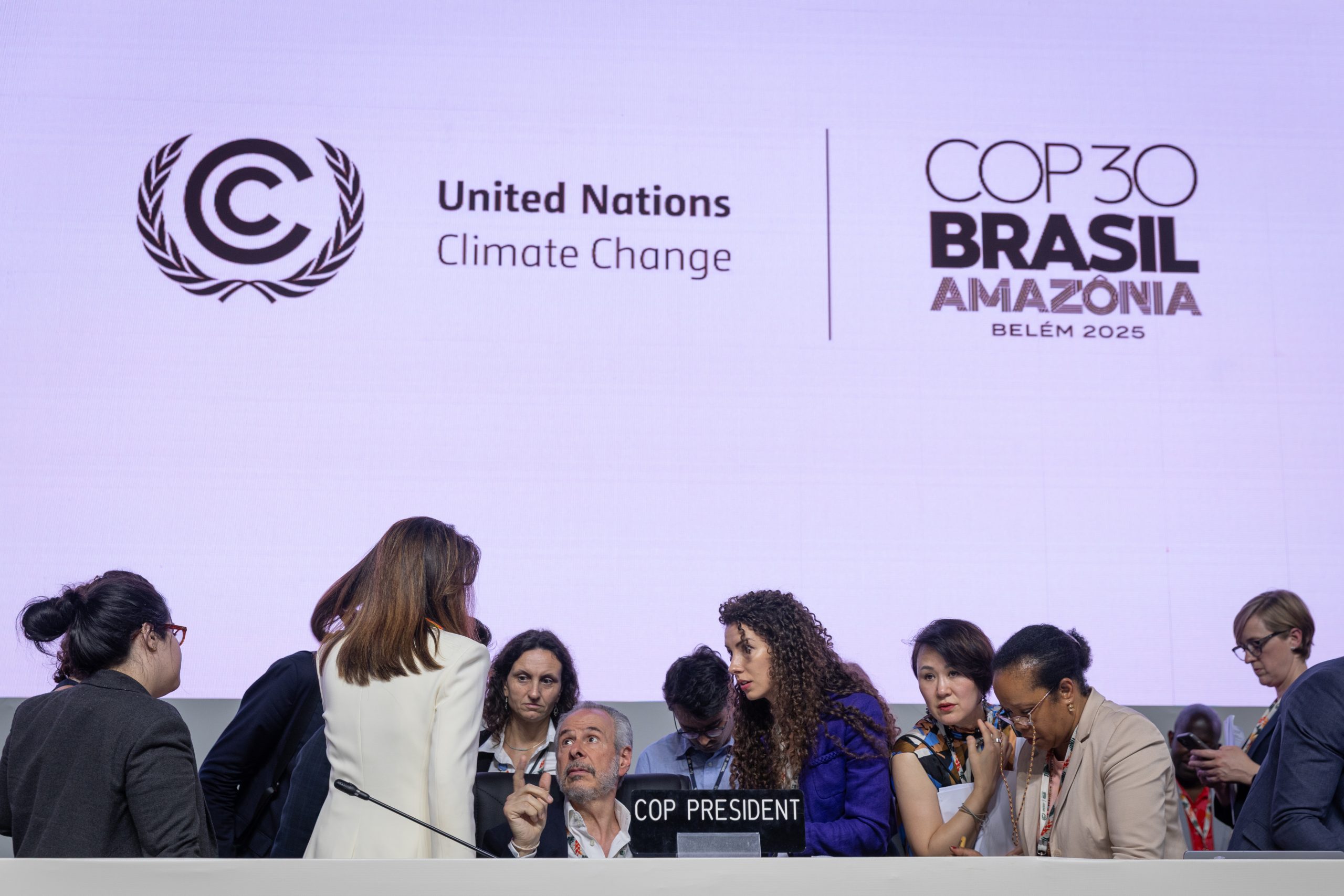
At COP30, the world received a Just Transition mechanism to address renewable energy and worker protection, but still no plan to phase out fossil fuels or deliver on what science demands.
The outcome contains positive elements regarding the climate justice that communities have long fought for, including guidelines for a just and orderly transition to renewable energy with the establishment of the Belem Action Mechanism (BAM), including strong language on Indigenous rights. This is an important signal that multilateralism can deliver – but a time-bound plan to wind down coal, oil, and gas is also urgently needed. Once again, countries leave with pledges on paper instead of the clear pathways, timelines, and funding required to get there.
Despite soaring rhetoric, wealthy countries failed to provide clarity on adaptation finance, the most urgent lifeline for communities already facing climate impacts. There is still no figure, no baseline, no guarantee of public finance, and now the timeline has been pushed back to 2035, making the balanced finance goal adopted last year even harder to achieve.
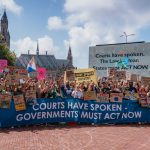
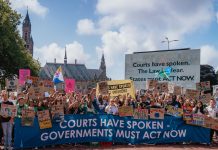
Outside the negotiating rooms, Indigenous peoples, traditional communities and youth made themselves impossible to ignore. Their leadership was one of the strongest forces at COP30.
Momentum for a fossil fuel phase-out is also accelerating rapidly. What began with Brazil calling for a roadmap has grown into support from almost 90 countries, backed by civil society and business leaders.
Now that this coalition exists, the next step must be turning momentum into a plan. The Colombia fossil fuel phase-out conference in April and the Colombia-Netherlands-Brazil process must deliver the substance, benchmarks, and institutional backing needed to shape a credible global phase-out roadmap.
350.org Pacific and its partners will continue pushing until commitments in these spaces and inside COPs match the courage and clarity seen on the streets of Belém.
Fenton Lutunatabua, 350.org Pacific Team Lead said: “With the Just Transition Mechanism we’re seeing progress, but without a plan to phase out coal, oil and gas, we’re stagnating at a time when our islands can’t afford even a small amount of delay. The COP30 statement does not mention a plan to end fossil fuels, nor does it allocate sufficient finance for frontline communities, and that casts a shadow over our time here in Belém. We need to address the obvious cause of the climate crisis and make sure our people are able to survive it. The closing window on 1.5℃ means we’re walking a fine line here between survival and climate catastrophe”.
Suluafi Brianna Fruean, 350.org Pacific Council Elder said: “The outcome isn’t everything we wanted, but it’s a step forward. The problem with the climate crisis though is that the chasm between us and survival isn’t a single step. We need a leap in implementation if we’re going to beat the worst of this. I know our leaders and negotiators fought hard for things such as the Just Transition mechanism and the pathway to renewable energy, and we’re going to keep fighting to get the finance we need. Above all, the fight to keep fossil fuels in the ground and the planet below 1.5℃ continues.”