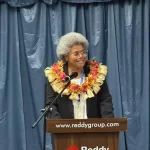
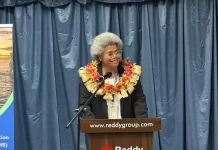
The Executive Director of the Pacific Islands Association of Non-Governmental Organisations (PIANGO), Emeline Siale Ilolahia, has called for stronger partnerships between governments and civil society to ensure a more effective and inclusive humanitarian response across the Pacific.
Speaking at the 2nd Pacific Disaster Risk Management Ministerial Meeting in Palau, Ilolahia highlighted that Pacific communities are often the first to respond when disasters strike, despite limited resources.
“We don’t have the resources or the power, but time and again, it is our people who are the first responders — the same people losing their homes and livelihoods,” she said.
“We must acknowledge their role and ensure that civil society is recognised as a key partner in humanitarian work.”
Ilolahia said civil society organisations played a vital role in pushing for accountability, addressing power imbalances in decision-making, and improving how regional responses are delivered.
At the same time, she added, many CSOs worked directly alongside governments to deliver services on the ground — a partnership she said must be strengthened through clear frameworks and resourcing.
The PIANGO director urged governments to ensure that adequate funding was allocated to disaster risk management within national budgets.
“Our budgets come from the pockets of our people,” she said. “Communities should understand how resources are allocated, and disaster risk management should be part of that allocation.”
She also pointed to PIANGO’s work in developing a Regional CSO Accountability Framework, which aimed to hold civil society to the same standards of transparency it advocated for in government and regional institutions.
Calling for a “reimagining of solidarity and cooperation,” Ilolahia encouraged leaders to move away from viewing civil society as charity actors and instead see them as equal partners in policy development and service delivery.
“We need to shift the mindset — from dependency to partnership, from control to coordination, and from exclusion to empowerment,” she said.
She noted successful examples from countries like Fiji, where women-led community responders have been recognised as “champions” of local disaster management.
lolahia also said that new regional humanitarian coordination mechanisms should build on, rather than duplicate, existing frameworks like the Framework for Resilient Development in the Pacific (FRDP), where civil society has already played an active role.
“We want to ensure that our participation is not an afterthought,” she said. “Civil society must be meaningfully engaged in shaping the systems that affect our communities.”
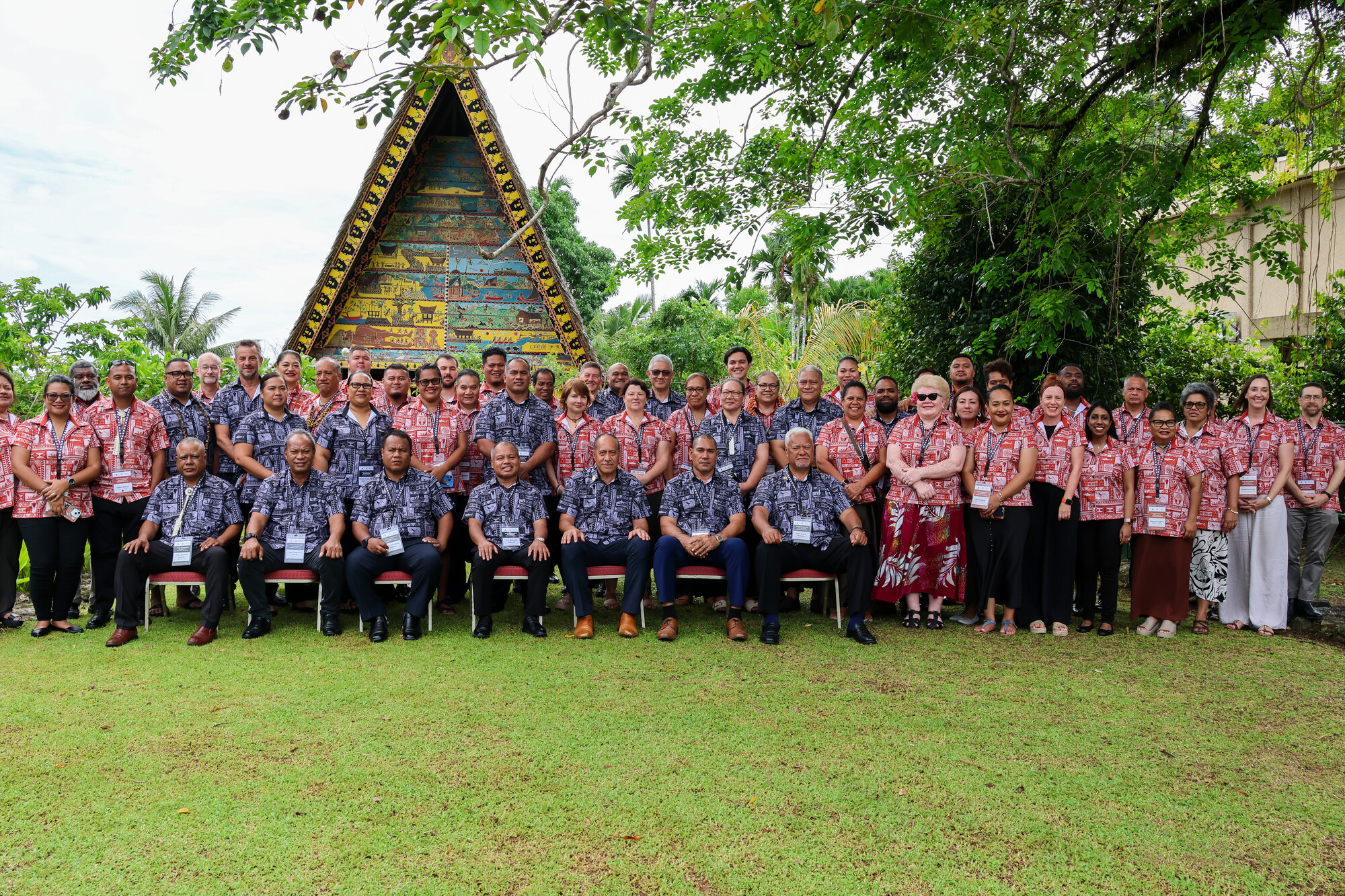
The Ministerial meeting brought together leaders, regional agencies, and development partners to review progress on disaster risk management and reaffirm the Pacific’s commitment to resilience and locally driven action.