As world leaders prepare for high-stakes climate negotiations at COP30 in Brazil, Pacific Island nations are convening in Palau this week for a very different kind of meeting—one focused not on preventing natural disasters and climate-related events, but on surviving them.
The 2nd Pacific Disaster Risk Management Ministers Meeting, opening today in Koror, brings together ministers and senior officials, representatives of non-governmental organisations and civil society from across the region under the theme “Strengthened Political Leadership for Disaster Risk Management in the Pacific.”
Unlike the grand promises and distant targets that typically dominate global climate conferences, this gathering will focus on the unglamorous but essential work of preparing for climate impacts that are already here in the Pacific.
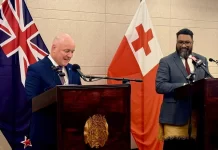
“As small island nations on the frontlines of climate change, we understand firsthand the urgency of strengthening our disaster preparedness and response capabilities,” said Palau’s Vice President Raynold B. Oilouch, who chairs the National Emergency Committee, ahead of the meeting’s opening.
The meeting is timely.
As COP30 delegates get ready to discuss trillion-dollar climate finance pledges and renewable energy targets for 2030, Pacific ministers will in the next two days be busy plotting how to cope with the potential for cyclones, flooding and sea-level rise that can’t wait until global agreements are finalised.
For decades, Pacific Island countries — one of the world’s smallest carbon emitters still — have been the moral voice of international climate negotiations, demanding a solution to the plight of disappearing homelands.
And although they have been calling for international action, their focus is now on what they can control: creating regional systems to defend against natural and climate related disasters and adapt to changes they can’t change again.
As a follow-up to the inaugural Pacific Disaster Risk Ministers meeting in Fiji (2022) and the Philippines (2024), the Palau meeting will drive this agenda by discussing “practical” rather than aspirational measures to prepare for events.
“We back the world’s processes, but we can’t wait for it,” a senior Pacific official who arranged the gathering says.
“Every month we delay, we wait to build resilience. And every month we wait on rebuilding resilience is another month we are vulnerable.”
During this meeting, ministers will be part of a groundbreaking ceremony for Palau’s new humanitarian warehouse, part of a regional initiative to place emergency supplies in advance across the Pacific.
When the next Category 5 cyclone strikes, or when rising seas finally overwhelm the defences of a community, supplies will be pre-positioned and response teams ready to deploy within hours instead of waiting for international assistance to arrive days or weeks later.
The ministers will review the Pacific Humanitarian Response Coordination Mechanism (PResCoM) and its operating guidelines—a system for quick and coordinated assistance during disasters.
There will also be discussions to manage climate-induced displacement within the region, on how communities displaced by sea-level rise relocate while maintaining their cultural identities and legal rights.
The meeting will also hear about the progress on “Early Warning for All,” a plan to ensure every Pacific community receives early warnings about cyclones, tsunamis or other threats.
With freshwater supplies increasingly threatened by droughts, floods, and saltwater intrusion, ministers will also discuss regional solutions to water security acknowledging that changing conditions are a permanent challenge rather than a temporary crisis.
The Pacific experience serves as both a warning and a model for the global climate community meeting in Brazil- we are showing what climate adaptation looks like when prevention is no longer possible, providing valuable lessons in regional cooperation and community resilience when global climate impacts intensify.
Palau President Surangel S. Whipps Jr. stressed that the gathering reflects “Pacific solidarity and shared purpose” in addressing challenges no one island nation can confront by itself.
The meeting’s expected outcomes—endorsement of the regional coordination mechanism and adoption of a ministerial declaration outlining concrete commitments—will likely influence how Pacific nations approach climate adaptation in the coming years.
As global attention focuses on COP30’s grand negotiations, the Pacific meeting in Palau represents a different model: practical cooperation among vulnerable nations who have accepted climate reality and are building systems to survive and thrive within it.
Whether the global community learns from their example—and provides the support these frontline nations deserve—remains to be seen.
But Pacific Island nations aren’t waiting to find out. This week in Palau, they’ll continue building their future, one warehouse and one coordination mechanism at a time.
As the Samoans say, “e laititi ae ma’ini”, we may be small, but we are mighty.