
By Pita Ligaiula in Honiara, Solomon Islands
Pacific civil society organisations have called on Pacific Islands Forum (PIF) leaders to take urgent action on the worsening humanitarian and human rights crisis in West Papua, warning that years of unfulfilled commitments have left over 100,000 people displaced.
“We, the undersigned civil-society organisations from West Papua and across the Pacific, write with urgency ahead of the Pacific Islands Forum Leaders Meeting in September. For nearly two decades, the Pacific Island Leaders Forum has made commitments to the people of West Papua, but these have been largely unfulfilled, and the situation on the ground continues to worsen. Now is the time for decisive action,” the open letter stated.
The letter highlights escalating violence, intimidation, and mass displacement, with women, children, and the elderly among the most affected. It accuses Forum leaders of showing “insufficient urgency” despite repeated communiqués acknowledging the crisis.
“This is not a remote crisis, it is a Pacific crisis. West Papuans are part of our Melanesian family, part of the soul of this region. And yet, action has been lacking. Insufficient urgency. Insufficient solidarity,” the letter said.
Civil society groups outlined three priority actions: fulfilling outstanding commitments to independent scrutiny including an OHCHR and PIF fact-finding mission, ensuring a humanitarian response for displaced communities, and championing a ceasefire with full respect for international humanitarian law.
“Now is the time for courage. For unity. For decisive leadership. We call on the incoming Chair of the Pacific Islands
Forum to honour their past commitments, through action. Let us collectively urge Indonesia to demonstrate real accountability by allowing immediate and unrestricted access to West Papua for independent human rights observers, including the UN High Commissioner,” the CSOs wrote.
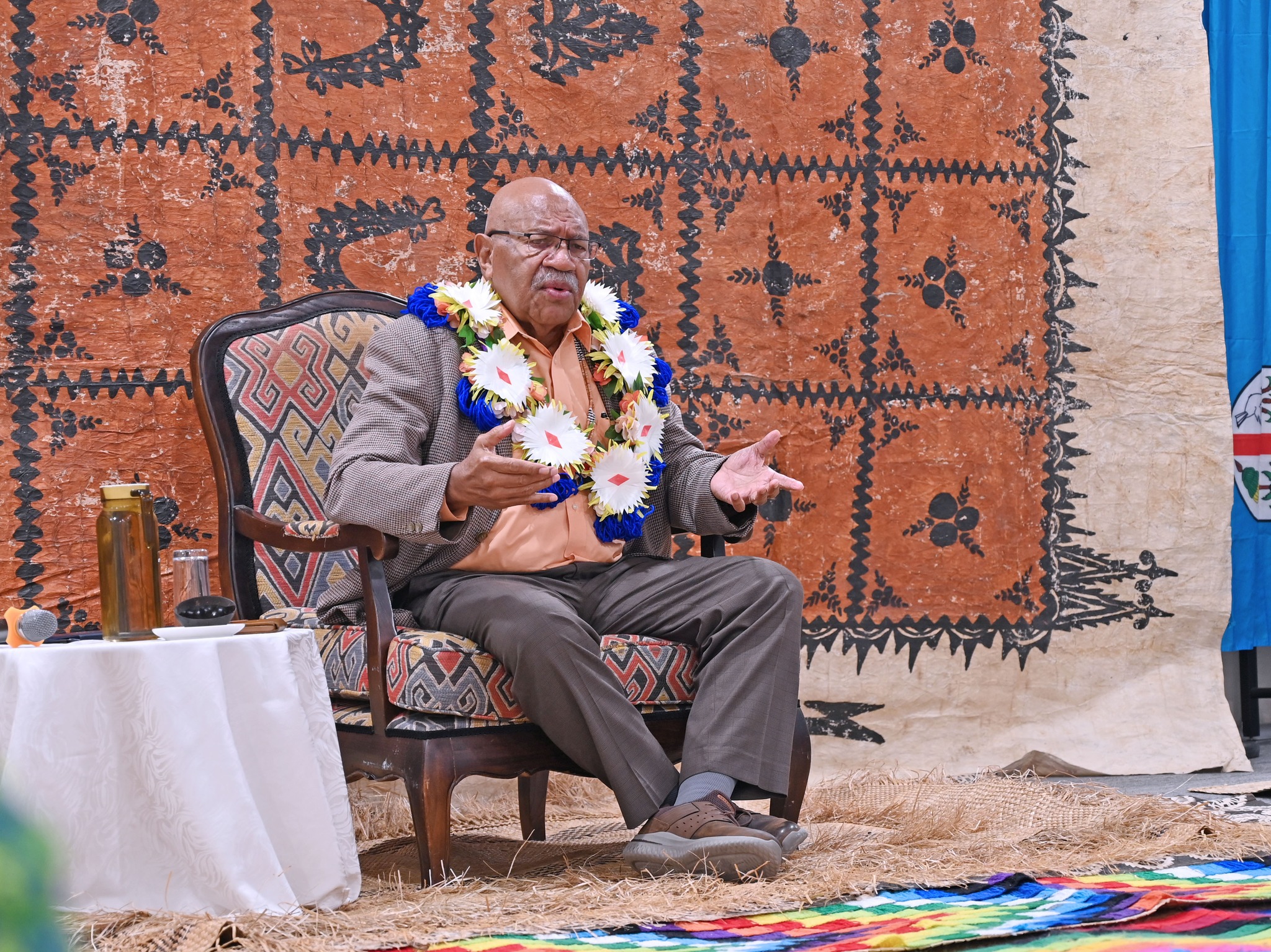
Fiji Prime Minister Sitiveni Rabuka, speaking on the principle of self-determination, tied the West Papua question to broader Pacific struggles.
“As far as who is concerned, when we talk about self-determination as nations, we must not rule out the question of within those sovereign nations there will be those that are still crying out for more ethnic self-determination. And this is part of the United Nations Declaration on the Rights of Indigenous Peoples.
And when you look at as a question came up about West Papua and we're still grappling with the concept of self-determination in the question in New Caledonia with the FLNKS now Kanaky are still pushing for more self-determination rights in New Caledonia. But we Fiji as a principle will not interfere with the sovereign decisions of sovereign nations,” Rabuka told Pacific media in Honiara.