
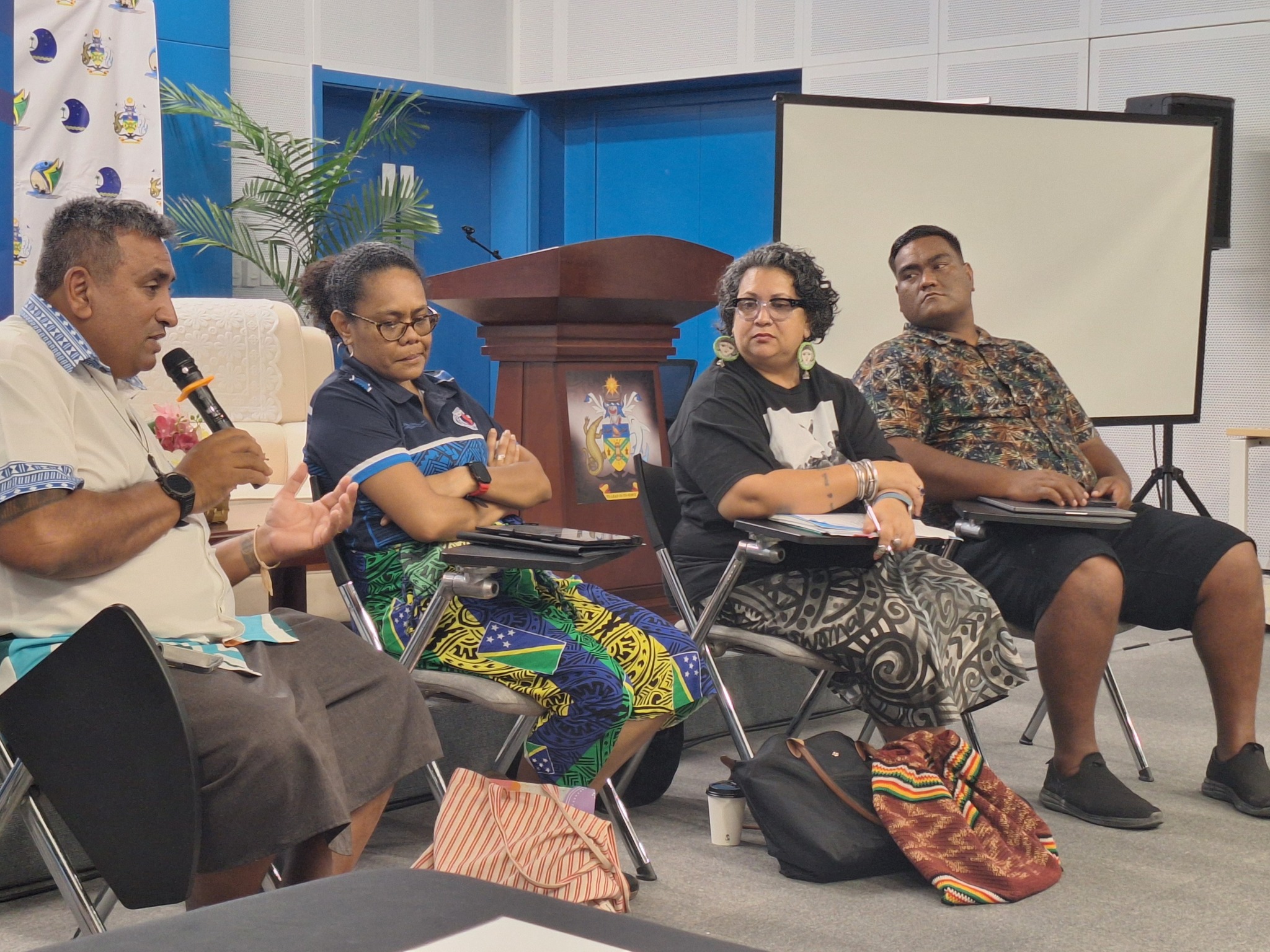
By Pita Ligaiula in Honiara, Solomon Islands
Forum Leaders gathering in Honiara this week have been put on notice by Pacific civil society that regionalism will lose credibility unless it defends civic space, prioritises human rights, and puts people over extractive growth and geopolitics.
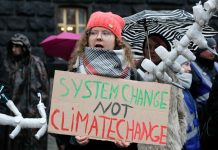
In a political briefing paper titled Strengthening Pacific Regionalism through Civil Society Partnership, the Pacific Regional Non-Governmental Organisations (PRNGOs) Alliance called on Leaders to recommit to “people-centred, rights-based, and inclusive regionalism” that confronts militarisation, exploitation, and shrinking civic space.
The PRNGOs Alliance, which brings together church groups, community networks, and advocacy organisations, set out four urgent asks:
*Renew the PIFS–civil society engagement mechanism.
*Adopt a Pacific Civil Society Protection Declaration.
*Establish a standard human rights agenda.
*Reorient the 2050 Strategy implementation pathway.
The Alliance said civil society organisations (CSOs) have been “systematically excluded” from regional decision-making despite playing a key role in shaping Pacific regionalism for decades.
“We call on Forum Leaders to reaffirm the protection of civic space as a matter of regional principle and leadership. This must include publicly recognising that freedom of association, expression, and peaceful assembly are foundational to the Blue Pacific’s collective future,” the briefing stated.
It warned that democratic accountability is being eroded in parts of the region, with governments tightening restrictions on CSOs and media at a time when external powers are competing for influence.
“Pacific regionalism cannot only be about responding to external pressures. It must also be about ensuring that Pacific peoples can hold their governments accountable and participate in shaping their shared future,” the Alliance said.
The paper highlighted the Forum’s long record of speaking out on decolonisation, nuclear testing, and environmental justice, and urged leaders not to turn away from human rights struggles.
“A Forum that is silent on human rights and self-determination is at odds with its own history, and with the commitments made in the Boé Declaration, the 2050 Strategy, and various international human rights treaties,” it said.
The Alliance pointed to ongoing struggles for self-determination in West Papua and Kanaky, as well as concerns over gender inequality and violence against women. It urged Forum Leaders to develop a common human rights framework that reflects Pacific priorities.
The 2050 Strategy for the Blue Pacific Continent, endorsed by Forum Leaders in 2022, is meant to guide collective action over the next three decades. But the PRNGOs warned that its implementation is drifting away from communities.
“Civil society remains extremely concerned about its implementation trajectory, governance structure, and its limited transformative ambition. We call for a stronger regionalism that centres people, rights, and planetary justice over institutional inertia and extractive growth models,” the briefing said.
The Alliance said the current trajectory risks leaving Pacific people behind, with decision-making concentrated in regional institutions and governments rather than shared with communities.
The paper also flagged extractive industries — particularly deep-sea mining — as a major test for Pacific leadership. It urged Forum Leaders not to “rush into” resource exploitation without full understanding of the consequences.
“Pacific leaders have an opportunity to stop something before it happens — a one-off chance not to pick up the mess left by others. Lessons from extractive industries must not be ignored,” the briefing warned.
It also linked militarisation and geopolitical competition to threats against Pacific sovereignty and peace. The Alliance urged Leaders to stay true to the region’s nuclear-free and peace-building traditions.
The paper ended with a strong appeal to Forum Leaders gathering in Honiara from 8–12 September.
“We urge you — as Leaders, as custodians, as stewards — to move from consultation to co-creation, from statements to systems, and from vision to transformation. The people are ready. We stand willing to walk this path together — in truth, justice, and talanoa.”
The PRNGO Alliance said the Forum must decide whether it will remain “a space for governments and geopolitics” or “a platform where Pacific peoples shape their shared future.”