



The Government of Vanuatu, alongside legal and youth climate leaders, has urged the global community to prepare for a key moment in international climate law as the International Court of Justice (ICJ) prepares to deliver its first-ever advisory opinion on climate change.
Speaking at a virtual media briefing ahead of the upcoming UN Ocean Conference in Nice, France, Vanuatu’s Minister for Climate Change, Ralph Regenvanu, said the world is at a “turning point where worsening climate impacts are meeting growing calls for legal action and real change.”
“We are witnessing a dangerous acceleration in sea-level rise and ocean temperatures. The scientists tell us we have less than five years to take action to stop unstoppable climate change,” Regenvanu said.
Regenvanu noted that 2024 recorded sea levels 37 percent higher than expected and highlighted the impact of record-breaking ocean heat.
“Last year broke global records with unprecedented sea surface temperatures and alarming ocean heat content. Of course, this is having devastating consequences for marine life, pushing many species to the brink of extinction.
“We’re seeing that over 84 percent of the world’s coral reefs have been exposed to temperatures that are causing massive bleaching, marking the largest bleaching event ever recorded. Fish are being forced to migrate to cooler waters, throwing entire ecosystem systems into disarray.
“Despite Vanuatu’s own contributions to climate change being minimal, Vanuatu and our neighbouring small island states suffer severe repeated climate impacts that devastate our economy and people. We are finding ourselves on the front lines of a crisis we did not create.”

This marks the first time the ICJ has been asked to clarify states’ legal obligations in relation to climate change.
Two years ago, on the 29 March 2023, the United Nations General Assembly adopted Resolution 77/276 by consensus with a record 132 co-sponsors, asking the ICJ to answer two key questions: what are states’ duties under existing international law to protect the climate system, and what are the legal consequences for causing significant harm?
“These two questions go to the very heart of the injustice of the climate crisis,” said Margaretha Wewerinke-Singh, international lawyer and legal counsel for Vanuatu.
“They do not seek to create new law, but clarity on existing law, clarity that can ground accountability.”
She emphasised the significance of timing, with the opinion expected later this year.
“The court’s opinion… is expected later this year, probably before or after the northern hemisphere summer break, and this timing is critical, not only because emissions continue to rise, but also because of what is happening in international law and policy-making.
“A clear authoritative opinion can therefore raise the floor beneath political ambition. It can embed human rights considerations, and it can strengthen demands for adequate finance, technology transfer, and indeed reparations.”

The case was brought to life by a youth-led campaign that began in 2019, led by the Pacific Islands Students Fighting Climate Change.
“From disappearing coastlines to dying reefs, displaced families and communities, the impacts of climate change are accelerating — and so too is the urgency for bold systemic action,” said Campaign Director, Vishal Prasad.
“In this gap between impact and action, young people have stepped up, not only as witnesses to injustice, but as architects to change.
“This Advisory Opinion will be a defining moment in the history of international climate action,” Prasad said.
He added that the ruling is more than a legal milestone, it is a tool for justice.
“It can validate what we have been saying all along that the climate crisis is a matter of justice, not just carbon.”
While the ICJ opinion is non-binding, Wewerinke-Singh stressed that it carries powerful legal and political influence.
“History suggests otherwise. ICJ opinions shape expectations, behaviour, and litigation strategies. They inform investment decisions and the policies of multilateral development banks, and they crystallise customary international law.”
Minister Regenvanu added: “Regardless of the outcome of the Advisory Opinion, we now have this experience of going to the World’s Court, the ICJ, and making that place ours. For many states in the Pacific, it was the first time ever to appear before the ICJ… I think we’re seeing a lot of political interest change and political effects come even before we get the outcome.”
On the upcoming UN Ocean Conference, Regenvanu said: “The Nice Ocean Action Plan must be built on the rule of law, and it must be in line with the new legal standards already set by the International Tribunal for the Law of the Sea (ITLOS) in its advisory opinion last May.”
He also highlighted that: “We are anticipating more than just voluntary pledges… I would measure success in terms of a very high ambition outcome statement… and also these commitments to the 30 by 30 goal expressed in the Biodiversity Convention.”
As the world awaits the ICJ’s decision, Vanuatu and its allies are focused on ensuring its implementation.
“That is the day the hard work begins,” said Wewerinke-Singh.
“We will press for a General Assembly resolution welcoming the advisory opinion and calling for its implementation.
We’ll support small island developing states and other states in translating the opinion into national law.”
“The law seems to be catching up with the science. The question is now, will the policy catch up with the law?”
For frontline communities, the ICJ opinion represents a long-awaited legal turning point.
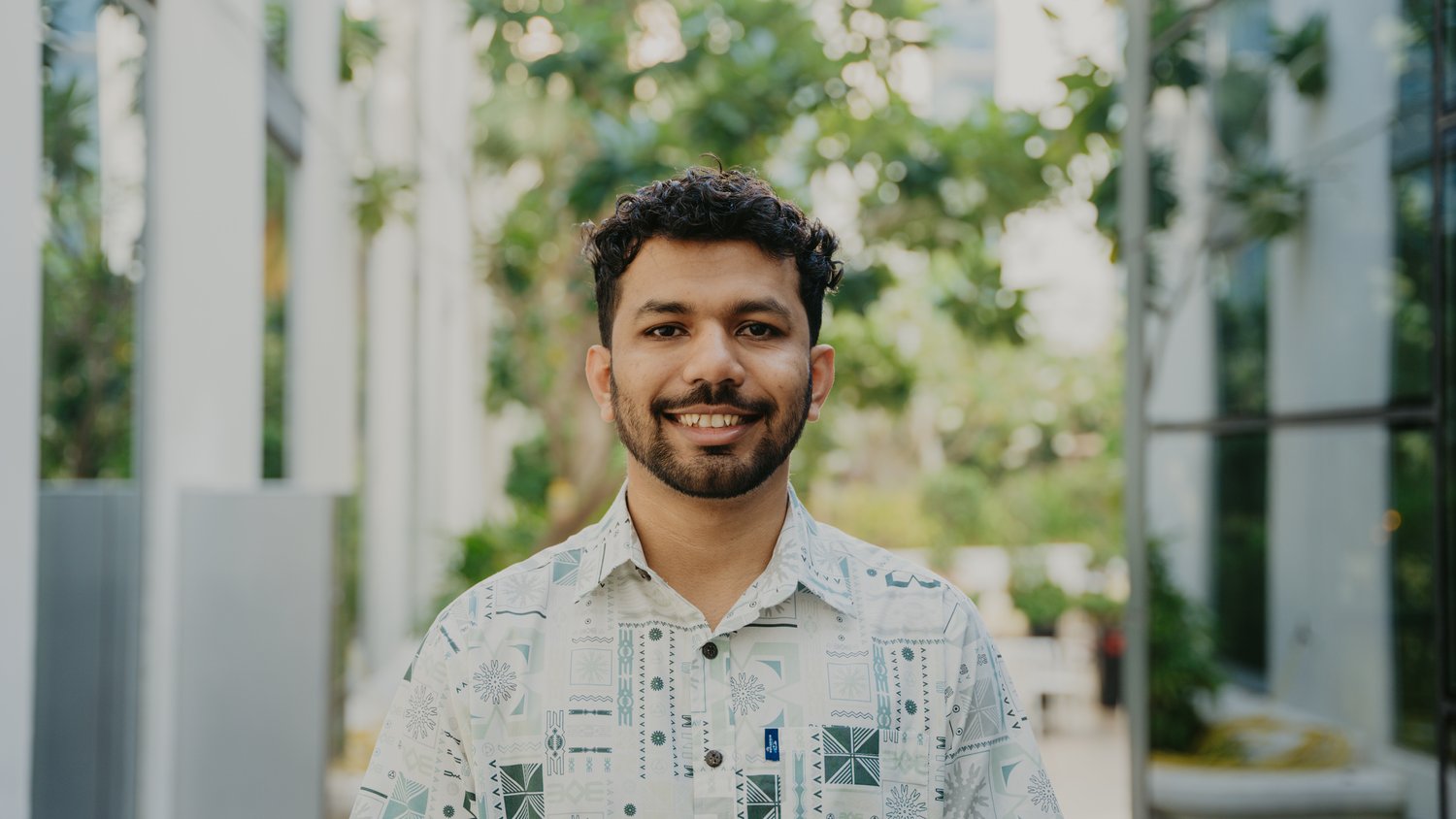
“For too long, climate justice has been treated as a moral appeal,” said Prasad.
“Now, it will be backed by legal clarity.
“The ICJ opinion must not sit on a shelf. It must inform how the world negotiates emissions reductions, adapts to rising seas, and funds the loss and damage already being endured.
“If states are serious about upholding international law, then the ICJ’s findings must become part of the DNA of climate diplomacy moving forward.
“This advisory opinion marks a significant turning point,” he said.