Home Blog Page 99

Vanuatu pushing on with climate UN resolution despite U.S resistance

0

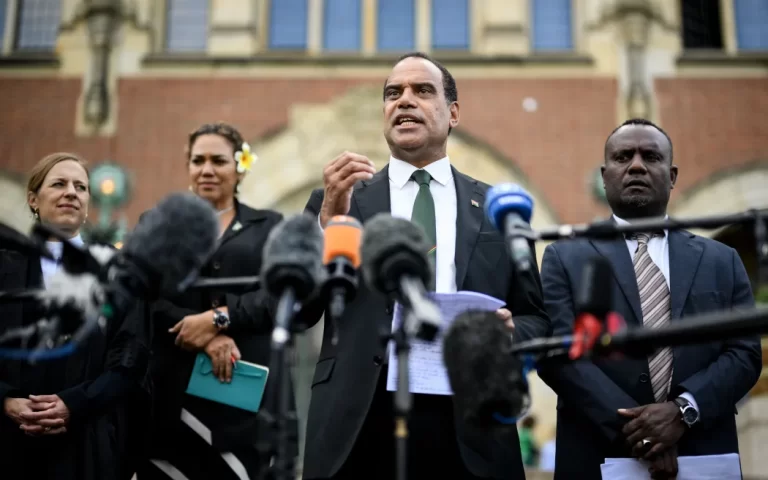
Vanuatu’s climate envoy says they are pushing on with their UN resolution on the International Court of Justice’s climate opinion, despite resistance from the U.S.

The 2025 opinion found that failing to protect people from climate change could violate international law.

But the Associated Press reported the U.S State Department telling its embassies and consulates it strongly objects to the proposal being discussed by the General Assembly; and that its adoption “could pose a major threat to US industry”.

“President Trump has delivered a very clear message: that the UN and many nations of the world have gone wildly off track, exaggerating climate change into the world’s greatest threat,” a cable obtained by the AP said.

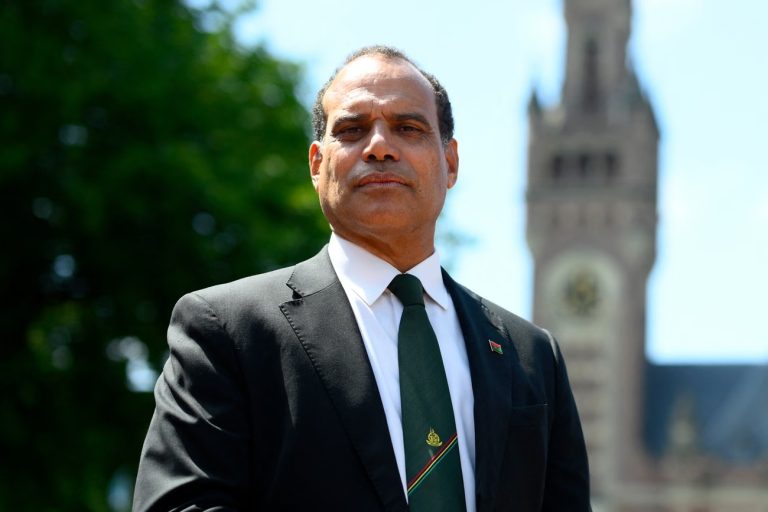
Vanuatu’s climate envoy Ralph Regenvanu told the ABC’s Pacific Beat that they are pressing on.

“The U.S has made that statement when it received the text of the resolution. We are continuing with the normal process and we very much hope that they will engage in this normal multilateral process,” he said.

“We note their concerns but we’re continuing with the inclusive consultation process to enable all states to have the equal opportunity to provide the input into the draft resolution and we’ll see what happens.”

Regenvanu said the U.S pushback gave him a sense of deja vu.

He said it’s unfortunate, but they’ve seen something similar before – at the International Maritime Organisation (IMO) vote on a greenhouse gas levy for international shipping, ultimately leading to a delay.

“Last year we’d had a very strong vote in favour of bringing that forward and then when we got to the IMO in London in October, the U.S did exactly this – they did a de marche to all countries not to support it.”

The draft UN resolution is set to go before the UN General Assembly next month.

Previously, Climate Home reported Regenvanu saying the resolution “will be about ensuring the court’s findings are not left on paper but become living obligations”.

He said it was important to follow up the ICJ opinion with a further resolution at the UN General Assembly, because countries opposed to it could prevent it moving forward in other forums, such as the UN climate negotiations, which require consensus for decisions.

Fiji reinforces commitment to protect 30 percent of its ocean by 2030

0

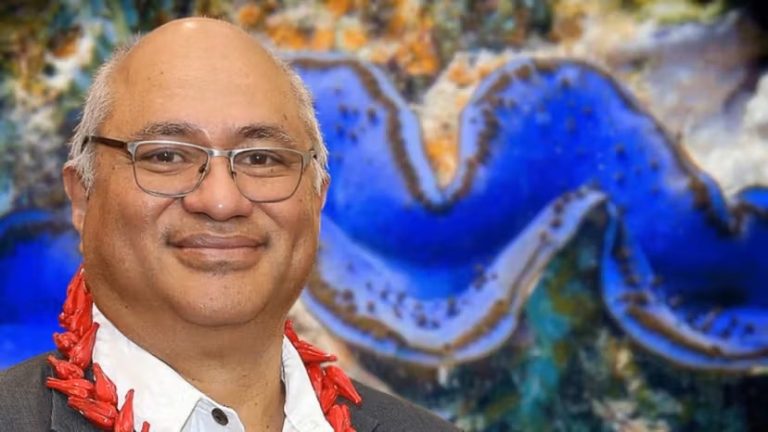
Fiji’s plan to conserve and sustainably manage 30 per cent of its marine areas by 2030 is a serious national policy aimed at protecting both the environment and the economy.

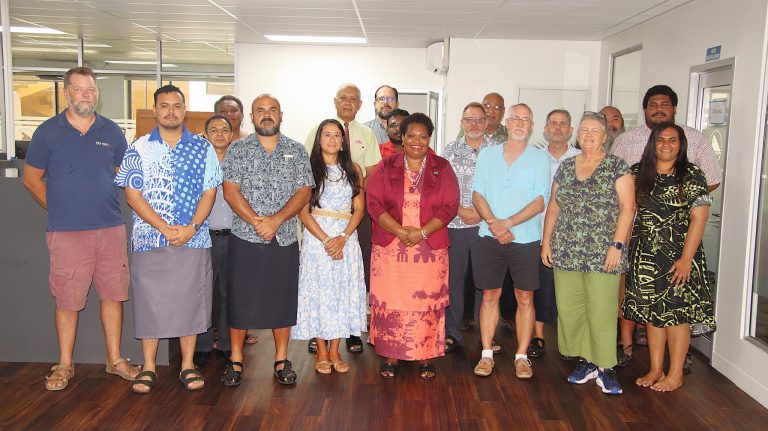
Opening the 30×30 Data Working Group meeting in Suva, Minister for Fisheries and Forestry Alitia Bainivalu told representatives that the country’s ocean is not only a natural resource but it’s also our national identity.

“Our ocean is our heritage, our food basket, and a foundation of our economy,” she said. “Decisions must be careful, balanced and based on science and practicality.”

She said Fiji’s conservation plan will build on existing fisheries management systems developed over decades. These systems help the country meet international obligations under the Western and Central Pacific Fisheries Commission and ensure responsible use of marine resources.

Bainivalu stressed that the 30×30 target will strengthen, not undermine the current fisheries management while noting that the “conservation and sustainable use can work together when guided by credible science, strong data, and realistic planning.”

Fiji’s fisheries sector supports jobs, generates national revenue, and provides food for communities.

She also highlighted Fiji’s long-standing commitment to sustainable ocean management.

The country strengthened its legal framework through the Offshore Fisheries Management Act 2012 and its 2014 regulations, which established systems for licensing, monitoring, compliance, and enforcement.

“If we get this right, Fiji can demonstrate that environmental protection and economic development can coexist,” the minister said.

The Government aims to use the 30×30 initiative to secure marine resources for future generations while maintaining sustainable use today.

Fiji’s 30×30 target aligns with a global agreement adopted in 2022 under the Convention on Biological Diversity, where countries committed to protect 30 percent of the world’s land and ocean by 2030 to slow biodiversity loss and strengthen climate resilience.

Pacific Island countries have been strong supporters of ocean protection because their economies and cultures depend heavily on marine resources. Regional leaders have repeatedly emphasised ocean stewardship through cooperation platforms such as the Pacific Islands Forum, which promotes sustainable fisheries, climate action, and ocean governance across the Pacific.

The push for expanded ocean protection also comes as Pacific nations face increasing pressure from climate change, overfishing, and marine pollution, all of which threaten fish stocks, coastal food security, and island economies.

Queensland Premier polishes pitch to lure Trump to Australia

0

A state premier has ramped up a push to host a diplomatic summit that – if successful – would see Donald Trump become the first sitting US president to visit Australian soil in more than a decade.

In an address to the National Press Club in Canberra on Wednesday, Queensland Premier David Crisafulli laid out his vision for the state to hold the Quadrilateral Security Dialogue, or Quad.

The strategic partnership between Australia, India, Japan and the United States was formed in 2007 as a counterweight to Chinese influence in the Indo-Pacific region.

Crisafulli also views it as a commercial opportunity that would put Queensland on the world stage ahead of the Brisbane Olympic Games in 2032.

The last sitting U.S president to visit Australia was Barack Obama in 2014.

Asked how President Trump might be persuaded to come to Australia for the summit, Crisafulli said “the US needs that relationship and Queensland needs the US”, adding his state was “in the box seat”.

He said Queensland had critical minerals the US needed for military hardware and other advanced technologies.

“When you’re talking about minerals that might be used for night vision goggles or hard-facing for military equipment, it’s big business, but also in terms of security, it’s very important,” Crisafulli said.

The U.S was over-reliant on sourcing its minerals from other nations and states that were less politically stable than Australia, he said.

“In some cases, the U.S is getting up to 90 percent of these individual minerals from one jurisdiction,” Crisafulli said.

“You wouldn’t do that in any industry, let alone when you’re talking about geopolitical instability and relationships that can fracture.

“I see this as the next wave for Queensland’s economy … I have a view that Queensland is better placed than anywhere else.”

Prime Minister Anthony Albanese was strongly supportive of Queensland hosting a future summit and funding had already been apportioned, Mr Crisafulli said.

There have been six Quad summits since 2021 – two in the U.S, two in Japan and two via video conference.

The last meeting, in September 2024, was held in the U.S state of Delaware and hosted by then-president Joe Biden.
India is due to host the next summit, with the date yet to be announced.

Australia was in line to host the following event, Crisafulli said, noting Brisbane had previously hosted the G20 in 2014, attended by world leaders including then-president Obama.

Australia withdrew from the Quad in 2008 under Kevin Rudd’s Labor government.

The strategic partnership was resumed in 2017 when Australia re-entered under the coalition, then led by Malcolm Turnbull.

The Chinese government has previously issued official diplomatic protests to member nations to oppose the partnership.

It’s not gender or climate — it’s both or it’s neither

0

By Erin Anderson

Climate change and gender inequality are two of the biggest challenges we face today. Yet they are too often treated as separate issues. This is a missed opportunity.

The evidence is clear: gender equality and climate resilience are mutually reinforcing. Women are among those most affected by climate impacts, but they are also critical agents of adaptation. Recognising how gender intersects with disability, age, ethnicity and other forms of social exclusion is essential to ensure climate action benefits all. Policies or programs that overlook either dimension risk falling short of their goals.

Drawing on recent analysis and learning from programs across Asia, the Pacific, Africa and the Middle East, this article explores what has worked in integrating gender equality and climate action, and why doing the two together delivers better, longer-term results.

Inclusion works when women shape the rules, not just follow them, and when diverse voices are part of the conversation from the outset. Gender equality can’t be retrofitted once implementation begins. When women are included at the design stage, helping define priorities and shape decisions, the resulting projects are more practical, more sustainable and more widely supported.

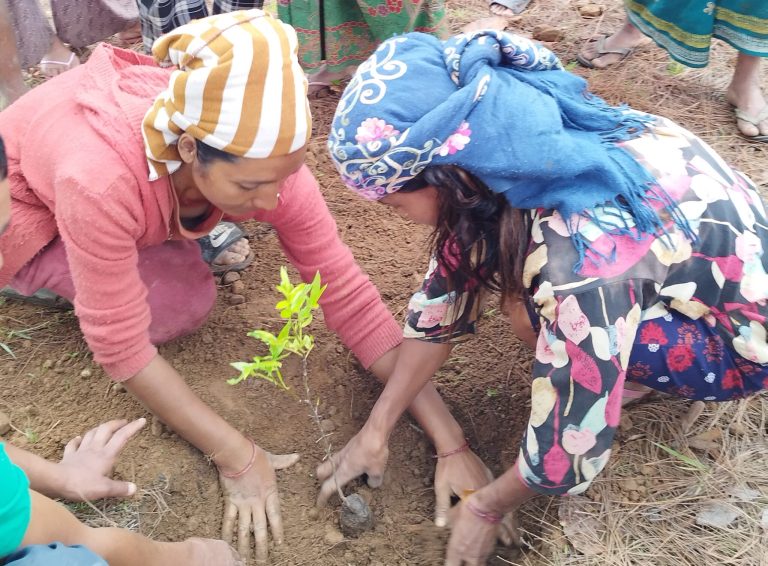
In Nepal’s Rural Village Water Resources Management Project (RVWRMP) and the Local Adaptation for Climate Change (LLAC) Project, both financed by Finland, EU and Nepal, women hold half of all committee positions, and Dalit (low caste) and ethnic minority groups are also proportionally represented. Women’s leadership helped determine the placement of water systems closer to homes, improving safety and freeing time for education and livelihoods. In Kiribati, a gender participation plan under the Asian Development Bank-funded South Tarawa Water Supply Project ensured women were directly involved in governance of desalination and water sanitation and hygiene systems, improving both technical outcomes and household uptake.

Climate projects succeed when they also expand women’s economic agency. Economic empowerment consistently emerges as the single strongest predictor of climate resilience. When women have income and assets, they have options: to adapt crops, invest in new technologies, relocate temporarily or recover faster from shocks.

Agriculture programs in Vietnam and Burkina Faso show this vividly. In northern Vietnam, women who gained access to climate-smart farming techniques under the DFAT-funded Gender-Responsive Equitable Agriculture and Tourism initiative reported average income increases of around 20 percent and greater household food security. In Burkina Faso’s Sahel region, women trained in water-efficient agriculture became local leaders in managing scarce resources amid prolonged drought.

Renewable energy programs show a similar link. In Jordan’s Sustainable Energy and Economic Development project funded by the Canadian government, women-owned energy startups benefited from targeted finance and training, contributing to projected lifetime savings of CA$100 million in local energy costs.

Gender-responsive budgeting isn’t only about fairness, it makes adaptation funds more effective and accountable. Global climate finance often fails to reach women because the systems that allocate and track spending rarely account for gender outcomes. Integrating gender-responsive budgeting into national and local climate plans can change this.

Ghana’s Strengthening Investments in Gender-Responsive Climate Adaptation programme provides one model. It supports local governments to allocate funds for women-led adaptation projects — such as community forestry and small-scale irrigation — and strengthens women’s organisations to monitor results. Early evidence shows increased participation of women in budget hearings and district planning processes. RVWRMP and LACC in Nepal are also training municipalities in gender and disability-responsive budgeting, ensuring that specific issues faced by women aren’t forgotten.

Strengthening women’s leadership in the spaces they already occupy amplifies both climate and social resilience, particularly when inclusion efforts recognise the diversity of women’s experiences and the different impacts they face. Across sectors, women are already the de facto managers of climate-sensitive resources: water, energy, food and community health. Projects that recognise and strengthen this existing leadership tend to produce faster, more durable change.

In Vanuatu, under the Greater Port Vila Urban Resilience Project, women’s groups played central roles in emergency planning and shelter design. The result: preparedness plans that addressed women’s safety, childcare and disability inclusion, factors often overlooked in conventional disaster management.

Gender data isn’t bureaucratic. It’s a form of climate adaptation, helping programs learn and adjust in real time. Too many climate programs report success without knowing who benefits. Collecting gender-disaggregated data and listening to women’s feedback have proved critical for course correction.

After RVWRMP consultations with women in Nepal revealed a strong preference for private connections in some villages, rather than traditional shared public taps, the project changed track. As an unexpected result, menstruation taboos declined dramatically in those locations with their own water supply and improved sanitation.

Each of these lessons points to a central truth: climate resilience and gender equality are not parallel challenges, they are interdependent. When women are excluded from adaptation planning, the sustainability of climate investments suffers. Conversely, gender programs that ignore climate realities risk reinforcing fragility rather than reducing it.

Applying an intersectional lens matters. Women’s experiences of climate impacts differ depending on disability, age, class and geography. Climate policy that ignores these differences risks deepening inequalities rather than reducing them.

Consider the link between water security, health and livelihoods. In drought-prone regions, water scarcity drives girls out of school and women into unsafe labour or migration. Without addressing the underlying resource stress, gender gains can quickly unravel. The same applies to climate-affected agriculture, where empowering women farmers without access to land, seeds or irrigation does little to change outcomes.

Doing gender and climate together means designing interventions that recognise these feedback loops, where environmental change shapes gender inequality, and gender inequality shapes environmental outcomes. It requires systems that plan across sectors rather than in silos, and funding mechanisms that value social as well as technical results.

The task for development partners is not to invent new frameworks but to deepen what already works:

• Start inclusion early. Build women and diverse groups participation into design and governance, not just implementation.
• Link empowerment with economic opportunity. Income is resilience.
• Reform finance systems. Make gender-responsive budgeting standard practice in climate spending.
• Invest in women’s leadership. Support the roles they already hold in managing resources and risks.
• Measure who benefits. Use gender-disaggregated data to drive adaptive management.

The evidence from implementation experience is consistent: where climate and gender are addressed together, development gains endure longer, recover faster and reach more people. Addressing one without the other is increasingly a false economy.

As global climate finance expands, success will depend not just on what is built, but on who has a voice in shaping it. Climate resilience, like gender equality, is fundamentally about power and shifting it toward those already leading the change.


Forum SG Waqa marks six years of Teieniwa vision, reaffirms anti-corruption pledge

0

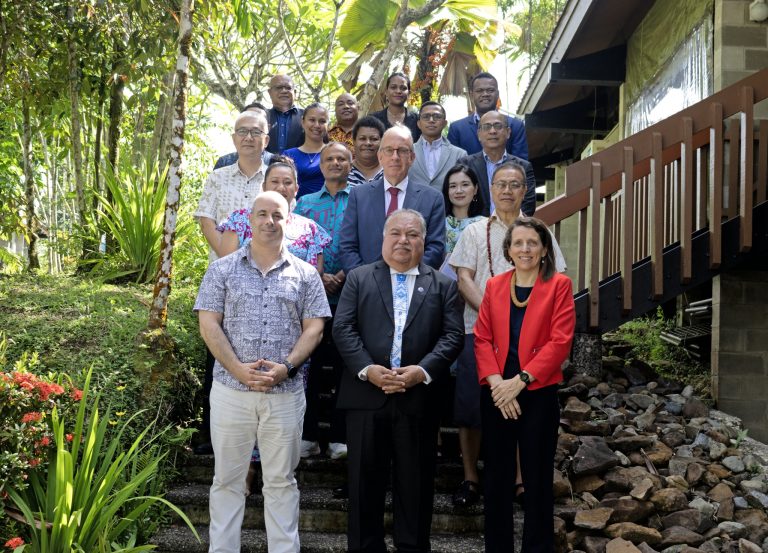
Pacific Islands Forum Secretary General, Baron Divavesi Waqa has reaffirmed the region’s commitment to integrity and accountability at the 6th Teieniwa Vision Anniversary Celebration Wednesday.

Speaking under the theme “Teieniwa Vision at Six: Integrity, Leadership, and Resilience in the Blue Pacific,” Waqa said the milestone marks progress in the region’s journey toward good governance.

“It is an honour to join you today to mark the 6th anniversary of the Teieniwa Vision — a significant milestone in our region’s ongoing journey towards good governance, transparency, and accountability. At the heart of this vision is the symbol of the ‘sailing canoe,’ which represents our Pacific identity and the region’s unified efforts to combat corruption.”

He said governments, institutions and communities across the Blue Pacific have advanced implementation of the Vision despite geopolitical shifts, climate change and the impacts of COVID-19.

“Across our Blue Pacific Continent, governments, institutions, and communities, have advanced the implementation of the Vision, strengthening integrity systems despite the added complexities of geopolitical shifts, climate change, and the impacts of COVID 19. This important work reinforces public trust and the credibility of our regional institutions.”

Waqa said the anniversary is a moment to renew commitment to ethical leadership and preventing corruption.

“As we commemorate this occasion, we reaffirm our shared commitment to upholding the highest standards of ethical leadership and fostering a culture where corruption cannot take root. This work is central to achieving our broader regional aspirations under the 2050 Strategy for the Blue Pacific Continent, recognising that integrity and accountability underpin sustainable development, climate resilience, human rights, and social inclusion.”

He said the Pacific Islands Forum will continue supporting member states.

“The Pacific Islands Forum remains steadfast in its commitment to supporting member states through strengthened coordination, sustained capacity building, and robust monitoring and reporting. You can be assured that this support will continue with consistency and resolve.”

Quoting the Vision, Waqa added: “we ‘commit to Pacific Unity Against Corruption, recognising that all of our progress and aspirations for a peaceful, harmonious and prosperous Pacific cannot be realised unless we address corruption’”.

“Guided by this collective pledge, the Teieniwa Vision stands not simply as a declaration, but as an enduring covenant – carrying us with confidence toward a Pacific future defined by integrity, unity, and enduring hope, said SG Waqa.

Former Fijian PM, police chief in custody on treason claims

0

Former Fijian military strongman is in custody, facing charges of inciting troops to overthrow a newly elected government in 2022.

Also in custody is former Police Commissioner, Brigadier Sitiveni Qiliho, widely seen as responsible for crushing Bainimarama’s opponents between 2006 and 2022.

It is understood that the men were questioned about attempts to influence the army to intervene when Bainimarama did not have a mandate to form a government after the 2022 poll.

Bainimarama and Qiliho were picked up from their homes Wednesday and taken for questioning at the Criminal Investigation Department headquarters in the capital, Suva.

Earlier in the day, Bainimarama had attended Ash Wednesday mass at the Sacred Heart Cathedral. Authorities remain tight-lipped about the arrests, and lawyers for the two men referred questions to police.

It appears that the men will front court today.

Bainimarama led a coup against Laisenia Qarase in December 2006 and maintained a stronghold over the country until 2022, using censorship, brutal military tactics, arbitrary arrests, and corruption claim to silence critics.

He and Qiliho have since been convicted in previous trials of corruption.

They spend the night in holding cells at the Central Police Station.

U.S funding cuts threaten to ‘dry up’ future of Pacific scientists – expert

0

The training of the region’s future scientists is set to “dry up” following United States funding cuts to major regional projects, a Pacific academic warns.

The warning comes as the inaugural Pacific Academy of Sciences Congress (PASC) concludes its three-day meeting in Sāmoa. The event at Sāmoa’s Taumeasina Island Resort in Apia brought together researchers and scholars to ensure Pacific expertise is heard in global debates.

Hosted by the National University of Sāmoa, the congress aims to strengthen Pacific-led research under the theme: “Harnessing the Knowledge of the Pacific”.

Speaking on Pacific Mornings, Aiono Dr Alec Ekeroma, Sāmoa’s Minister of Education and Culture, says the U.S funding cuts set the backdrop for the gathering.

A January directive from U.S President Donald Trump ended support for “wasteful” international bodies, instructing agencies to withdraw from 66 international bodies, 35 non-United Nations (UN) entities and 31 UN.

This withdrawal includes the Secretariat of the Pacific Regional Environment Programme (SPREP) and the World Health Organisation (WHO).

“That is going to make a huge negative impact on our development in the Pacific. For example, scholarships in the WHO were mostly funded from the funding there,” Aiono says.

“With the United States funding cut from the WHO, which was sending some of our scholars overseas. So that is going to dry up now.”

While the WHO does not release an exact scholarship headcount, its budget for Health & Care Workforce development in the Western Pacific region, which funds professional training, was US$7.084 million (NZ$12.3m) for 2024-2025.

Smaller agencies like the Pacific Education Foundation provide only 12 scholarships annually, while the WHO’s regional programmes are aimed to address a “critical gap” of 5500 health workers.

The U.S was also SPREP’s second-largest contributor in 2024, providing US$190,000 (NZ$330,000), about 15 per cent of overall funding from member states.

“I’ll be very surprised if we’re going to send scholars to Australia and New Zealand for training, because the funding is going to dry up,” Aiono says.

In a recent ceremony in Apia, China provided US$200,000 (NZ$348,000) in voluntary funding to SPREP, continuing a partnership dating back to 1998.

Aiono says with the U.S vacating key roles and funding, that China stepping in to fill the void was inevitable.

He also says Australia has “upped its game”, increasing funding in the Pacific.

“That’s fantastic but it’s not going to meet the shortfall that has happened with the US withdrawal,” Aiono says.

“I think we welcome the contribution from China. In the Pacific, we’re friends to all, and whoever comes with the assistance and the funding, we will listen and accept.”

In a statement, Professor Sir Collin Tukuitonga, Chair of the Pacific Academy of Sciences Board from the University of Auckland, says the congress signals a new era.

“One where our region sets the agenda, builds capacity on our terms, and turns research into solutions that serve our people,” Tukuitonga says.

Professor Sir Ashley Bloomfield, one of the keynote speakers, says strong regional institutions are essential to protect well-being across generations in the face of climate and health challenges.

“Evidence informed policy, strong regional institutions, and genuine partnership with Pacific researchers and communities will be essential to build resilience and protect well-being across generations,” Bloomfield says.

Looking ahead, Ekeroma says success will be measured by tangible outputs such as the number of research papers and young researchers nurtured through the academy.

He hopes that within the next decade, these collaborations will lead to a more informed and educated population across the islands.

PM Marape reveals PNG Chiefs incentive, No tax for players, officials

0

Salaries and monetary benefits enjoyed by PNG Chiefs team officials and players will be tax-free, says Prime Minister James Marape.

“The best players on the market, the best coach on the market, whoever they are, the Government has (offered you) an incentive not seen before,” he said.

“The salary you are contracted to is non-taxable.

“Whatever salary you are contracted to – from player to coach to technical heads – is tax-free.”

The PNG Chiefs will enter the National Rugby League (NRL) competition from the 2028 season.

Marape attended the opening of the PNG Chiefs headquarters in Port Moresby with new PNG Chiefs chairperson Catherine Harris and general manager Michael Chammas.

The headquarters is on the first floor of the Santos National Football Stadium building.

Marape added that anyone working in relation the Chiefs franchise, including pathways linked to the SP PNG Hunters system, will also enjoy the same benefit.

He assured everyone that the partnership with the NRL remained firm, and that the Chiefs remained closely linked to the NRL and not tied to sponsors controlling operations.

“The umbilical cord is not yet cut,” he said.

He acknowledged that Australia’s top rugby league competition understood the professional game at a higher level, and PNG is fortunate to be building a strong working relationship during the “infancy stage” of the franchise.

“They know running rugby league better than you and me. But they still have strong attachment to us.

“It’s good for us as we grow,” Marape added.

The Government is also working with the National Capital District Commission to ensure that Port Moresby becomes safe, clean, and welcoming for international visitors who are expected to come to PNG for the Chiefs’ home games.

Plans are also underway in Central and Milne Bay to improve tourism infrastructure, allowing visiting fans to enjoy more of Papua New Guinea during their stay.

Sports observers view the tax-free incentive as a potential game-changer.

In a competition as tough and competitive as the NRL, attracting elite players and coaches is crucial.

PNG Chiefs’ entry into the NRL in 2028 is also shaping up to be one of the biggest moments in the country’s sporting history.

Those who attended Tuesday’s event included PNG Chiefs chief executive officer Lorna McPherson, board members Marcus Bai, Ian Tarutia and Richard Pegum, PNG Rugby Football League chairman Stanis Tsaka, and Australian High Commissioner Ewen McDonald.

Vanuatu’s Climate envoy urges nations to stand firm after U.S push to drop UN motion

0

Vanuatu’s Climate envoy Ralph Regenvanu is urging countries to stay engaged, after the United States pushed for Vanuatu to withdraw a UN motion supporting a landmark climate ruling.

The draft resolution backs last year’s International Court of Justice opinion, which found that countries could be breaking international law if they fail to protect people from climate change.

Regenvanu says more than 90 percent of UN General Assembly states have taken part in the process so far.

Meanwhile, Vanuatu has tabled a draft resolution to the UN to formally endorse last year’s International Court of Justice advisory opinion on climate change. Despite pressure from big polluters to stall the momentum from international law to action, island nations like Vanuatu continue to push for accountability.

The current draft resolution responds to the unanimous ICJ advisory opinion on climate change, which among others confirmed that:

The 1.5°C limit is legally binding, not aspirational, and must guide all state conduct.

States have binding obligations under customary international law to prevent foreseeable climate harm and resulting rights violations—obligations that apply to all countries, including those that have withdrawn from the Paris Agreement.

Fossil fuel subsidies, exploration licenses, and continued production can breach international law.

Climate harm can be attributed to individual states, and states cannot escape liability by asserting that they are only one of many releasing greenhouse gases.

States must regulate private actors, including fossil fuel corporations whose emissions cause harm, including transboundary devastation.

Fenton Lutunatabua, 350.org Pacific & Caribbean Programme Lead, said: “Six months ago, this advisory opinion was unanimous, meaning all agreed that countries have the legal responsibility to avoid climate harm and are liable for the damages if they fail to do so. This decision put the fossil fuel industry, and the governments that enable them, on notice. It is crucial, for all of us on the frontlines, that this notice be turned into concrete action.

The world may think that the climate crisis is confined to islands like ours in the Pacific, but the reality is that it is impacting everyone – from heatwaves in Australia to wildfires in the US. As people that have lived this reality for decades, we are urging the international community to grasp this opportunity to avoid the worst of it. Global cooperation to solve this crisis is in everyone’s best interest.”

Anne Jellema, 350.org Executive Director, said: “Vanuatu’s leadership is a powerful reminder that climate justice is not abstract, it is rooted in law, responsibility, and lived reality. The International Court of Justice has made clear that protecting people and the planet is a legal obligation, not a choice. This UN resolution is about turning that clarity into action.

At a time when some governments are trying to delay and deny, island nations are showing what true leadership looks like: standing up for fairness, accountability, and a livable future for all. Communities on the frontlines should not have to pay the price for pollution they did not cause. The world now has both the moral and legal mandate to act, governments must rise to that moment,” she said.

France seizes 2.4 tonnes of cocaine in Pacific as drug seizures hit record highs

0

French officials announced Tuesday that 100 bales of cocaine were seized last Thursday during a joint operation with the United States.

According to the High Commission in French Polynesia, the vessel was intercepted at sea but allowed to resume its voyage, in line with international law.

No details were provided regarding the ship’s flag, origin, or destination.

The 2.4-tonne seizure is the third major interception in Polynesian waters since the beginning of the year.

On 02 February, the French navy seized 4.24 tonnes of cocaine after intercepting a suspect vessel identified by customs authorities. In mid-January, another Australia-bound ship was found carrying 4.87 tonnes. Combined, authorities have intercepted nearly 12 tonnes of cocaine worth US$2.4 billion near French Polynesia since the start of 2026.

The United Nations has previously warned that organised criminal groups trafficking cocaine and methamphetamine are expanding across the Pacific, using the region as a transit route between the Americas and markets in Australia and New Zealand.

The latest Pacific haul comes against the backdrop of a serious rise in cocaine seizures by the French.

In 2025, French authorities seized a record 81 tonnes of cocaine, a 50 percent increase compared with 2024 and nearly four times the amount seized in 2023, according to figures from the French Interior Ministry. More than half of last year’s seized cocaine was intercepted in the Caribbean.

Domestic demand has also reached historic levels. According to France’s Observatory for Drugs and Addictive Trends (OFDT), 1.1 million people consumed cocaine at least once in 2023.

The average price per gramme on the street has fallen from 66 euros (US$78) in 2023 to 58 euros (US$68) in 2024, according to the French anti-narcotics agency, intensifying competition among criminal networks.

Global cocaine production is currently estimated at around 4,000 tonnes per year.

Stay connected

529FansLike
172FollowersFollow
156SubscribersSubscribe
- Advertisement -