Home Blog Page 85

Middle East turmoil shows need to speed up shift from fossil fuels: UN SG Guterres

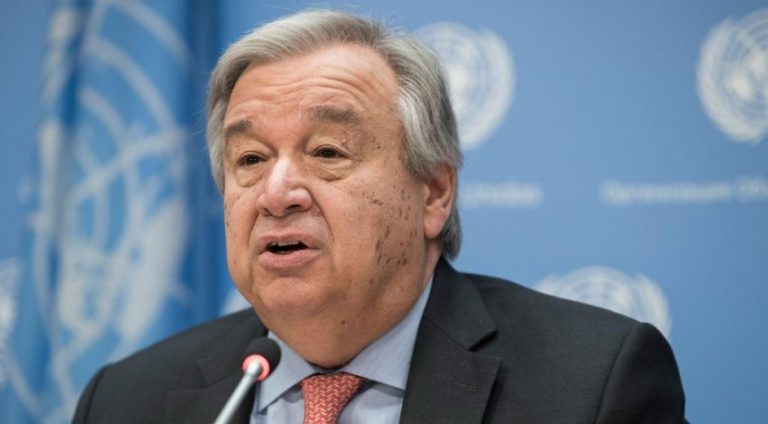
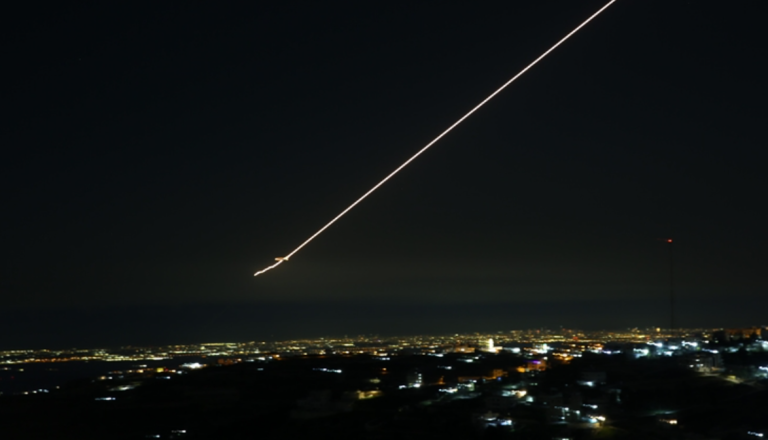
The escalating turmoil in the Middle East highlights the risks of the world’s heavy reliance on fossil fuels, United Nations Secretary-General António Guterres said.

The UN Secretary-General warned that global energy supply concentrated in a few regions exposes the world economy to shocks when conflict erupts.

“The turmoil we are witnessing in the Middle East makes it evident that we are facing a global energy system largely tied to fossil fuels, where supply is concentrated in a few regions and every conflict risks sending shockwaves through the global economy, particularly to the most vulnerable people.” he said in a statement posted on LinkedIn.

Guterres said reliance on fossil fuels has historically made countries vulnerable to instability in global energy markets.

“For decades, dependence on fossil fuels meant dependence on volatility. But in past oil shocks, countries had little choice but to absorb the pain.”

He said the growing availability of renewable energy provides a new pathway for countries seeking energy security.

“Now they have an exit ramp.”

Guterres said renewable energy is becoming more affordable and widely available.

“Homegrown renewable energy has never been cheaper, more accessible, or more scalable. The resources of the clean energy era cannot be blockaded or weaponized. There are no price spikes for sunlight and no embargoes on the wind.”

He urged governments to accelerate the global transition away from fossil fuels.

“The fastest path to energy security, economic security, and national security is clear: speed up a just transition away from fossil fuels and toward renewable energy,” said Guterres.

Palau President warns Guam, CNMI about deep-sea mining: ‘Don’t hurt your brother’

0

Palau President Surangel Whipps Jr is taking his campaign against deep-sea mining to a global stage, and his message for the Marianas is personal.

Speaking to The Guam Daily Post on Monday, a few days after delivering a keynote address at the World Ocean Summit in Montreal, Whipps said any deep-sea mining near the Marianas would directly harm Palau and the broader Pacific community.

“Although we love our neighbors from Guam and (the Commonwealth of the Northern Mariana Islands), but if you start deep-sea mining there, it will impact us,” Whipps said. “If we’re our Pacific brothers, then let’s make sure that what we do – let’s not hurt our brother.”

His remarks carry extra weight as the Bureau of Ocean Energy Management continues to push forward with plans to lease some 35.5 million acres of seafloor east of the Mariana Trench Marine National Monument for hard mineral extraction.

About two weeks ago, a closed-door BOEM meeting at the Ricardo J. Bordallo Governor’s Complex left acting Governor Josh Tenorio more unsettled than before, with the island getting no new environmental data, no revenue-sharing framework, and no binding commitment on how Guam will be kept in the loop.

Whipps, who recently signed an agreement with Biosphere Dynamics to deploy long-range unmanned aerial systems to monitor Palau’s vast exclusive economic zone, said the Pacific simply does not have enough scientific grounding to proceed with confidence.

“There is not enough science to know what the impacts are going to be,” Whipps said.

“We have to be careful. We have the options now of getting these materials from other places. Let’s focus on that, and let’s make sure that we don’t do something that we’ll regret and that has irreversible consequences.”

He said the ocean floor, long dismissed by some as barren, holds more than 8,000 species not yet identified, stores carbon critical to managing sea-level rise, and supports the fisheries that Pacific economies depend on.

Whipps expressed frustration that the United States is not among the roughly 37 countries that have signed on to a precautionary pause on deep-sea mining in international waters. He said Palau practices what it preaches.

“At home in Palau, we don’t. Deep-sea mining is not allowed. Deep-sea trawling is not allowed. Our ocean is protected.”

On the question of how regional partners can pressure Washington to align with that approach, Whipps acknowledged the limits of international leverage, particularly given the Trump administration’s recent withdrawal from dozens of multilateral organisations. But he did not give up on the process.

“To not believe in the multilateral process and to give up on it, I think, is the wrong approach,” he said. “We should try our best to have our shared voice working together.”

That multilateral instinct is shared in Guam. Melvin Won Pat-Borja, executive director of the Commission on Decolonisation, has argued that international forums are one of the only places where Guam can collaborate with other countries as an equal, saying that under any future status, “Guam would be empowered with dignified engagement as equals and partners” rather than as a subordinate territory.

Whipps plans to attend the International Seabed Authority meeting this year and noted French President Emmanuel Macron may also attend, giving regional advocates a potential ally at the table.

He said he also wants more Pacific nations to join the call for a precautionary moratorium.

The Pacific Islands Forum, which Palau will host in September, has been one venue where Whipps has tried to build consensus, though he acknowledged that unified opposition to deep-sea mining has been difficult to achieve. Nations like the Cook Islands, Nauru, and Tonga have pushed for the practice within their own waters.

“When it comes to your own sovereign territory, there’s not much we can say over that,” Whipps said. “What we’ve been most concerned about is all those areas beyond our EEZs that we believe is the common heritage of humankind.”

For Guam specifically, Whipps said the island’s strongest immediate tool may be the U.S environmental regulatory process itself.

“You have EPA, and I think you should be using the processes that have already been established, which are quite robust, to review and require that they follow that process,” he said.

His advice comes against the backdrop that Won Pat-Borja has described: Guam’s limited standing as a territory in these fights. Won Pat-Borja has pointed out that the federal government did not seek Guam’s consent on the mining question and that the absence of sovereign power leaves the island with fewer tools to push back.

The Guam Legislature unanimously passed emergency legislation earlier this year reaffirming a moratorium on deep-sea mining and objecting to federal plans to lease ocean floor minerals near the Marianas.

Lawmakers later introduced a bill that would ban seabed mining in Guam’s waters and allow the island to deny port access to deep-sea mining vessels and equipment

Whipps acknowledged the tension between U.S security interests in rare earth minerals and Pacific environmental priorities but said common ground exists.

“We have a shared interest. We want a free and open Indo-Pacific. We want to make sure that we have an environment that we pass on to the next generation that’s better than what we’ve received.”

Beyond the PIF leaders’ meeting in September, Whipps said a busy calendar of ocean summits this year, including gatherings in Tokyo, Indonesia, Kenya, and a Melanesian Ocean Summit in May, gives the Pacific region multiple chances to press its case.

“These are all important times where we should talk about the importance of the ocean,” he said, “and remind people why a precautionary pause is important,” said Whipps.

Online child sexual exploitation in the Pacific and why Fiji’s numbers matter for the region

0

The Pacific is often celebrated for its strong community values, rich cultures and close-knit family networks – social structures that play an important role in protecting children offline. But as internet access expands rapidly from urban centres to remote villages and islands, children are entering digital spaces that operate beyond the reach of those traditional safeguards, and faster than legal, technical and institutional protections are being in place.

Last year, a Fijian mother received a video from her niece that left her stunned. The footage, which had been widely circulated in a Telegram group, showed her sixteen-year-old daughter dancing naked for the camera. The shock was even greater for her daughter, who had not created the video. It later emerged that a group of boys from her school in Nausori had downloaded images she had previously shared on social media and used an AI-powered ‘nudification’ app to generate the fake material. This case highlights the collision between adolescent online behaviour and rapidly developing technologies that can turn everyday digital interactions into sources of harm.

This incident is far from isolated. Recent data from Fiji reveals that thousands of incidents of child sexual abuse material (CSAM) and online grooming involving Pacific users are detected each year. This should serve as a wake-up call – not just for Fiji, but for every Pacific island nation, for development partners and for the technology companies shaping children’s digital experience.

What the Fiji data shows and why it matters

In late 2025, Manoa Kamikamica, then the deputy prime minister of Fiji, raised the alarm about the increased presence of CSAM – a term he urged should replace the misleading ‘child pornography’, as the latter obfuscates the criminal element involved. Earlier in the year, national authorities had spoken of a ‘tsunami of porn’, estimating that about 15 terabytes of pornographic content were consumed daily in the country, a proportion of which involves the circulation of CSAM.

Fiji’s growing involvement in this criminal economy has been evident for several years. In 2023, the country recorded 3,638 cases of online child exploitation. This increase, partly attributable to improved domestic reporting, has been accompanied by a rise in referrals – reports of CSAM shared by online platforms. In 2025, Filipe Batiwale, Fiji’s Online Safety Commissioner, reported that between 1,800 and 8,000 CSAM-related referrals linked to Fiji were being passed to global clearing houses, such as the US National Centre for Missing and Exploited Children. These alerts reveal the scale of the risk that children face online and underline the greater visibility of Pacific nations in global CSAM datasets.

For small island nations, the implications are especially serious. Many global platforms operate beyond local jurisdiction, making it difficult for national authorities to compel action or intervene quickly. Investigative and prosecution capacity are often limited, and child-protection systems already stretched. The challenge is not only technical but systemic: limited institutional capacity means that referrals do not consistently translate into effective protection and prevention.

These figures matter not only for Fiji, but for the region: Pacific states are becoming increasingly implicated in global CSAM detection systems, but they typically lack the resources needed to convert referrals into child protection outcomes.

New technology, new threats

Across the region, digital connectivity brings opportunity, but its rapid expansion creates new vulnerabilities — from cyberbullying to sexual exploitation. Although smartphone ownership is widespread, legal frameworks, reporting mechanisms and digital forensic capabilities lag behind.

At a 2025 regional summit, the UN Children’s Fund (UNICEF) warned that ‘the levels of violence, abuse and neglect of Pacific children are among the highest in the world’. Save the Children, an international NGO, similarly reported rising levels of physical, sexual, emotional and online violence experienced by children in five Pacific Island countries. Yet national reporting mechanisms for online exploitation and abuse remain weak, and dedicated investigative units are rare. Without reliable data collection, governments cannot accurately assess the scope of online exploitation or design targeted, evidence-based interventions.

The Nausori case encapsulates a rapidly emerging frontier of harm: CSAM created using artificial intelligence (AI) platforms. The Internet Watch Foundation, a charity that aims to remove online records of child sexual abuse, verified 1 286 illegal AI-generated CSAM videos in the first half of 2025, compared to just two in the same period in the previous year. Traditional content-detection tools often fail to identify synthetic imagery. The realism and customisability of AI-generated material may also facilitate grooming. Offenders can create tailored sexual content to desensitise children, falsely suggest that abusive behaviour is normal, or generate synthetic images that can be used to pressure or extort victims.

Fiji has begun responding more strategically. In 2025, the Online Safety Commission intensified efforts to identify AI-generated abuse material and strengthen its participation in global safety conventions. The National Taskforce Against Pornography is advancing strategies to curb digital threats to children, including establishing a dedicated police unit, strengthening partnerships with UNICEF and the Australian government, and prioritising children’s safety online.

These efforts do not eliminate risk, but they show Fiji building the components of a more coordinated, survivor-orientated response. Other Pacific nations can draw lessons from this approach. Developing survivor-centred services, linking online safety measures with broader child-protection frameworks, and embedding digital safety curricula and culturally grounded awareness campaigns in schools and communities can all help improve children’s safety online.

Designing pragmatic, regional and rights-based policy

Because Pacific Island countries share languages, migration patterns and digital ecosystems, a regional response offers clear advantages. Collective action can help overcome capacity constraints, reduce duplication of efforts, and ensure that child protection matches the borderless nature of digital threats. A coordinated regional mechanism – expanding on initiatives such as the Cyber Safety Pasifika programme, which aims to improve online safety awareness across the Pacific – could pool technical expertise, support legal harmonisation, and create shared investigative resources.

Such an approach would also strengthen engagement with global technology platforms, which is currently uneven and largely reactive. Individual Pacific Island states having limited leverage when dealing with multinational companies whose moderation policies, data-sharing practices and reporting thresholds are determined far beyond national jurisdictions. A regional framework would increase collective bargaining power, enabling Pacific governments to secure faster responses to referrals, request local-language and context-aware moderation, and seek greater transparency in CSAM detection methods and region-specific risks.

At the same time, policy responses must reflect how online child sexual exploitation operates in practice. Abuse is often structured and networked, even where it appears to involve lone offenders. Responses limited to content takedowns are therefore insufficient. Effective policy design must integrate child protection, cybercrime enforcement and platform governance within a rights-based framework. Development partners such as Australia, New Zealand, European countries, the United States and Japan have a critical role to play here. Their support must prioritise sustainable capacity building over one-off technology donations, and should ensure that cooperation with platforms, law enforcement training and survivor support are embedded within broader child-protection systems.

From numbers to action

In the dark world of online child sexual exploitation, Fiji is not an outlier. A surge in AI-generated abuse content and growing digital safety risks reflect a regional challenge in which internet connectivity has outpaced protection, enforcement and awareness.

The response must be equally borderless. Governments, communities, NGOs and technology companies must all recognise online child sexual exploitation and abuse as a child-protection emergency, not just an act of cybercrime.

If acted upon, Fiji’s data could be a catalyst for stronger regional cooperation and better protection for children growing up in an increasingly connected Pacific.

Pacific calls for action on gender equality at UN Women’s Commission

Pacific Islands Forum members have called for stronger action to advance gender equality and protect women and girls during the Commission on the Status of Women (CSW) in New York.

Delivering a statement on behalf of Pacific members at the 70th session of the global meeting, Cathy Nori Minister for Women, Youth, Children and Family Affairs from Solomon Island said the region remains committed to advancing gender equality and social inclusion.

Nori said the theme of CSW70 is central to the Pacific’s development priorities.

“The CSW70 theme is integral to realizing gender equality and social inclusion, a commitment our Forum Leaders continue to reaffirm as central to the region’s collective progress in pursuing a resilient, inclusive and peaceful Pacific.”

She said Pacific leaders endorsed the mainstreaming of gender equality across regional priorities at their 2025 meeting.

“At their 54th Meeting in 2025, Forum Leaders endorsed the mainstreaming of gender equality and social inclusion in all key regional policy priorities across all areas.”

Nori said the region’s work is guided by key regional frameworks including the 2050 Strategy for the Blue Pacific Continent.

“This is underpinned by the 2050 Strategy for the Blue Pacific Continent, the Revitalised Pacific Leaders Gender Equality Declaration and the Pacific Platform for Action on Gender Equality and Women’s Human Rights.”

Nori said ensuring justice for women and girls remains fundamental.

“Access to justice for women and girls is fundamental to gender equality and empowerment.”

She said Pacific governments have strengthened legal protections and improved access to justice.

“Across the Pacific Islands region, governments have taken important steps to strengthen legal protections for women and girls and improve access to justice, through participatory legislative, policy and practice reforms.”

However, she noted that unique regional challenges require tailored approaches.

“For us, access to justice is determined by unique structural realities, including geographic isolation, dispersed populations, limited legal services, linguistic and cultural diversity, and the interaction between formal and customary justice systems further necessitate approaches that are context specific, culturally grounded and respectful of customs.”

She said gender-responsive policies are especially important for women and girls in remote communities.

“This is why gender transformative and socially inclusive approaches are essential especially for women and girls in rural, remote and maritime areas.”

Nori also highlighted a new initiative in Solomon Islands.

“It is within this context that my country Solomon Islands is embarking on piloting Gender Responsive Budgeting as a transformative approach and strategy to analysing and reorienting budgetary allocations and policies that is responsive to the needs of our people particularly of those most vulnerable.”

Nori said gender-based violence remains a major challenge across the region.

“Gender Based Violence prevalence rate remains high in our region. We are determined to change this status quo.”

She said Pacific governments are strengthening survivor support services and justice systems.

“We recognise the rights-based response, includes support to victims. As a region we continue to strengthen survivor-centred services, drawing on lessons learned from experiences of response and referral systems such as in the Solomon Islands and Kiribati.”

She said governments are also expanding specialised police and judicial units.

“As well as establishing specialized police and judicial units to address gender-based violence and expanded legal aid and community-based paralegal initiatives.”

Nori said the region is taking a long-term approach to prevention.

“As a region, we are committed to taking a whole-of-life approach to preventing gender-based violence including investment in early childhood development, actively engaging men and boys as partners and agents of meaningful change and recognizing the vital role of families and communities.”

Nori said climate change continues to threaten Pacific communities.

“Pacific Islands Forum Members recognise the threats of adverse impacts of Climate change as the defining issue that imperils the lives, livelihoods and wellbeing of our people and communities.”

She said the impacts are compounded by other social and health challenges.

“This reality is further compounded by multiple and intersecting social and health issues including gender-based violence, and social impacts of the illicit drug trade.”

Nori said women play a vital role in peacebuilding and resilience across the Pacific.

“The Pacific also places importance on the critical role of women and girls in all their diversity in peacebuilding, resilience, and creating safe communities.”

She added that women’s leadership is increasingly recognised in regional peace and security efforts.
“Because of this, women’s leadership in peacebuilding, mediation, and conflict prevention is increasingly embedded in Pacific peace and security processes.”

Nori stressed the need for more funding to address the region’s challenges.

“We underscore the need for adequate financing to address these multifaceted issues.”

She highlighted the Pacific Resilience Facility (PRF) as a key regional effort.

“The Pacific Resilience Facility is our home-grown initiative, to ensure equitable access to climate finance for Pacific people, including women, children, persons with disabilities and youth.”

Nori also noted progress in Pacific engagement with international human rights bodies.

“In 2025, the Pacific convened the first ever Pacific Technical Cooperation Session of the CEDAW Committee.”

However, she said Pacific representation in UN treaty bodies remains limited.

“Currently, amongst the 172 treaty body experts, there are no Pacific Islanders.”

Despite the challenges, Nori said the Pacific remains united.

“Despite the complex and multidimensional challenges, we are confronted with, the Pacific continues to draw on our collective strength, solidarity, and shared values.”

She urged stronger action through the UN platform.

“For 70 years this platform has fostered dialogue, partnership and advanced commitments, however, more remains to be done. We must shift from dialogue to action – action that is inclusive and responsive to the needs of women and girls in all their diversity,” said Nori.


French Polynesia urges Pacific to unite amid rising global tensions

0

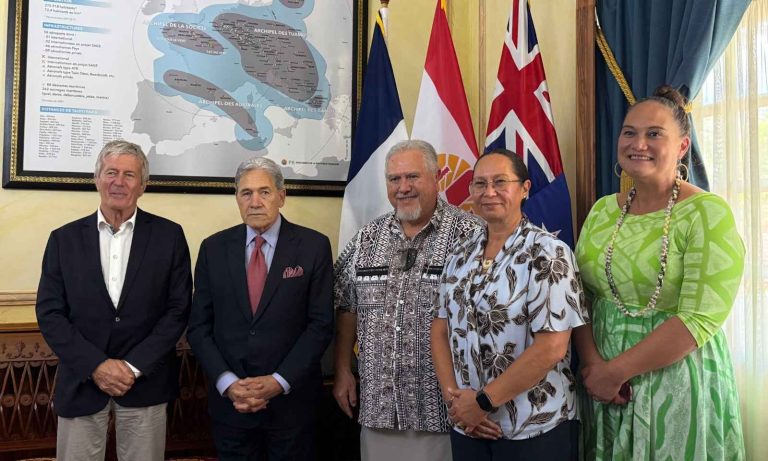
French Polynesia’s President Moetai Brotherson says growing global instability is a reminder that Pacific nations must strengthen cooperation within the region.

Speaking to PMN News in an exclusive interview, Brotherson said the Pacific must focus on deeper partnerships with neighbours such as New Zealand to build resilience against external shocks.

“When we see the turmoil in the world, it’s a reminder to us, as all the Pacific Island nations, that our first and foremost vicinity is our region,” Brotherson says.

“We have to increase cooperation between ourselves to make us more resilient to outside crises.”

Brotherson has held the presidency since 2023 and previously represented French Polynesia’s third constituency in the French National Assembly from 2017.

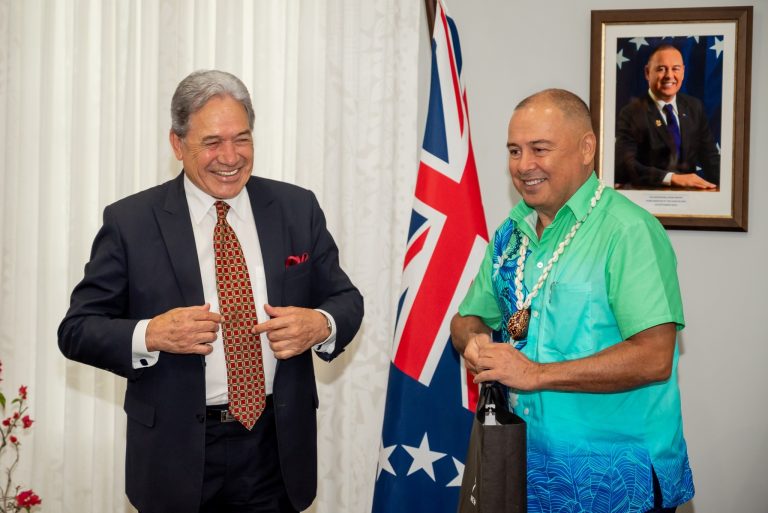
He made the comments following discussions with New Zealand Foreign Minister Winston Peters during Peters’ visit to French Polynesia.

Peters described the meeting as a unique opportunity to strengthen ties between Pacific neighbours. “We had a very good, quite unique discussion,” he says.

“Where in the world would you sit down like that, with a President, and have a friendly New Zealand-type discussion, or Pacific-type discussion? It’s pretty special.”

Peters says New Zealand must place greater importance on its relationships in the region.

“We underrate the value of this. Because when we talk about the Pacific, it’s not our backyard like we used to say decades ago,” he says. “It’s our front yard. And the sooner we understand that the better.”

Brotherson says the historical, cultural, and genealogical ties between the two nations provide a foundation for closer cooperation.

He said collaboration could cover areas such as climate adaptation, maritime and air connectivity, digital infrastructure, and economic development.

“We have many areas of cooperation that needed to be discussed, and these were the topics that were addressed during our meeting,” he said.

The French Polynesian leader also raised concerns about the growing geopolitical competition in the Pacific, particularly between the United States and China.

“We don’t want to align with anyone. I mean, either China or the U.S,” he said. “We want to be able to discuss with everyone and to have relationships, be it cultural or economic relationships with everyone.”

The Pacific has become an increasingly contested strategic region in recent years, with China expanding its economic and infrastructure partnerships with several island nations.

The United States and its allies have also increased diplomatic engagement, development funding, and security cooperation.

Climate change remains another major concern, particularly for the low-lying atolls of the Tuamotu archipelago – the world’s largest chain of coral atolls, located in French Polynesia northeast of Tahiti.

The French territory consists of 118 volcanic islands and coral atolls across five archipelagos in the South Pacific. Comprising 78 low-lying atolls (like Rangiroa and Fakarava) spread over 1.2 million square miles, this destination is renowned for its remote, pristine lagoons, world-class scuba diving, and black pearl farming

“They are facing the same issues as Tuvalu or other Pacific island nations that are at the forefront of climate change and the sea level rise,” Brotherson said.

“What we are seeing currently is a salination of the water lentils on those atolls, rendering life very hard. It’s not impossible.

“So, water management is going to be a real issue in the upcoming years related to climate change, but you also have the coastal erosion that we have to tackle.”

For communities on these low-lying atolls, the impacts of climate change are already being felt through declining freshwater supplies, erosion, and pressure on traditional food sources.

Brotherson also reiterated his support for greater political sovereignty for French Polynesia. He said economic development and resilience must come first.

French Polynesia enjoys a high degree of autonomy under France, which retains control over defence, currency, and aspects of foreign policy.

Brotherson says the pathway toward greater sovereignty must be gradual and carefully managed.

He adds that economic resilience will be key before any move toward full independence and says the territory could achieve political sovereignty within the next 10 to 15 years.

“It’s all about interdependencies, that’s how we’re going to build independence. When it comes to strengthening our economy, you know, we still have a lot of work to do on food security, on energy transition, and then we’ll be able to be more confident as a nation,” said Brotherson.

Cook Islands PM Mark Brown set for first major New Zealand visit since diplomatic row

0

Cook Islands Prime Minister Mark Brown will travel to New Zealand next week for a series of engagements – his first major visit since the diplomatic fallout between the two nations over the Cook Islands-China agreements.

According to a statement from the Office of the Prime Minister (OPM), the visit includes direct engagement with diaspora groups in Auckland, and a “keynote address in Wellington”.

The programme also includes engagement with diplomatic partners, academia and the private sector to “share the Cook Islands’ forward direction and opportunities for continued collaboration”.

Cook Islands News asked whether government-level engagement with New Zealand Prime Minister Christopher Luxon and/or Foreign Affairs Minister Winston Peters would be part of the visit.

“The Cook Islands has consistently sought constructive engagement with New Zealand at all levels. Officials remain in regular contact, and we welcome opportunities for dialogue. As with all partners, discussions often take place privately,” the Office of the PM said.

“We will not comment on programme details beyond what has been announced”

The visit comes amid ongoing official-level engagement with New Zealand to resolve an impasse between the two governments, which led Wellington to pause approximately $30 million (US$17.78 million) in grants to the Cook Islands.

Diplomatic tensions began brewing in late 2024 and became public after the Cook Islands signed a comprehensive strategic partnership and other agreements with China in February last year.

New Zealand cited a lack of consultation regarding the deals with China and subsequently suspended NZ$29.8m (US$17.66 million) in funding.

According to the statement, Brown will travel to New Zealand for a programme of engagements focused on strengthening ties with our people and “reinforcing the enduring relationship between the Cook Islands and Aotearoa New Zealand”.

The visit comes as the Cook Islands marks 60 years of self-governance and continues to strengthen its national direction at home and abroad, it said.

“This visit is centred on one clear priority: reconnecting with our people,” Brown said. “Over the past sixty years, our nation has grown well beyond our shores. Today, more than 90,000 people of Cook Islands heritage live in New Zealand. They are raising families, building businesses, serving in frontline roles, leading in sport, education, health and the arts. They contribute every day to the communities they are part of, while remaining deeply connected to their homeland”

The statement noted that the Cook Islands community in New Zealand is young, growing and increasingly multi-generational, and it reflects a confident Pacific identity – one grounded in culture and active in both civic and economic life.

“When Cook Islanders pursue opportunity abroad, they do not leave the nation behind. They extend it,” Brown said.

“This visit is about listening to our people, sharing our national direction, and strengthening the ties that bind Cook Islands community to home.

“It also allows us an invaluable opportunity to connect with our diplomatic partners resident in New Zealand as well as academic and private sector interests to provide insight into the Cook Islands forward development priorities and opportunities for continued collaboration.”

In Wellington, the Prime Minister will deliver a keynote address reflecting on 60 years of self-governance and outlining the next chapter of national development.

“The address will focus on identity, economic resilience, and the role of our global Cook Islands community in shaping the future.”

In Auckland, the programme will prioritise direct engagement with Cook Islands community groups and diaspora representatives. These sessions will provide an opportunity to share updates on national priorities and to hear directly from Cook Islanders living abroad.

“This visit is about walking forward together, strengthening the connection between our homeland and our communities in Aotearoa New Zealand. The next chapter of the Cook Islands story will be written by all of us. Kua kite au i toku turanga, e Avaiki toku,” Brown said.

Meanwhile, late last month, a spokesperson for Minister Peters said discussions with the Cook Islands Government are continuing.

In response to questions Cook Islands News, the spokesperson reaffirmed New Zealand’s long-stated position on its relationship with the Cook Islands, describing it as a priority for the Government.

“The New Zealand government, including Minister Peters, has repeatedly made clear over the past two years how important we consider the special constitutional relationship with the Cook Islands,” the spokesperson said.

Fiji urges citizens to avoid Middle East travel amid security escalation

The Fiji Ministry of Foreign Affairs and External Trade has advised Fijian nationals to avoid travelling to the Middle East following the recent escalation of hostilities in the region.

In a travel advisory issued Tuesday, the ministry said Fijians should closely follow developments as tensions rise.

“The Ministry of Foreign Affairs and External Trade advises Fijian nationals to closely monitor developments in the Middle East following the recent escalation of hostilities in the region.”

“Fijians are strongly advised to avoid all travel to, or transit through, the Middle East region at this time.”

The advisory includes travel to or transit through Bahrain, United Arab Emirates, Kuwait, Qatar, *Saudi Arabia, Iraq, Iran, Israel, Jordan, Syria, Lebanon, Azerbaijan, Türkiye, Yemen, Oman, and Cyprus.

Fijian nationals currently in the region have been urged to leave if it is safe to do so.

“Fijian nationals who are currently visiting or travelling in the region are advised to leave as soon as it is safe to do so, including by using available commercial flight services as they gradually resume in some countries.”

Travellers are encouraged to confirm their flight status before heading to airports.

“Travellers should contact their airline or travel provider to confirm the status of flights before departing for the airport.”

The ministry said alternative travel routes should be considered if direct flights are unavailable.

“Where the most direct route is unavailable, travellers are encouraged to consider alternative travel routes where possible.”

Fijians in the region have also been asked to register with Fiji diplomatic missions.

“Fijian nationals currently in the region are also encouraged to register with the Fiji Embassy in Abu Dhabi or the Fiji Embassy in Jerusalem to ensure they can be contacted and assisted if necessary.”

Those in areas where travel is not possible have been told to remain in safe locations.

“If you are in a location where airspace remains closed or where the security situation makes it unsafe to travel, you are advised to shelter in place and follow the instructions of local authorities at all times.”

The ministry said it is continuing to monitor the situation and coordinate support for Fijian nationals.

“The Ministry’s joint emergency Operations Centre continues to closely monitor developments and is exploring all available options to support Fijian nationals who may be affected by the situation.”

“The Ministry will continue to monitor the situation closely and provide updates as necessary, said the travel advisory.

Oceania Rugby Women’s XV Championship set for April showdown in Fiji

0

The Oceania Rugby Women’s XV Championship returns to Fiji this April, bringing together the region’s top women’s national teams for three highly anticipated test matches.

The 2026 Championship will be played on 17, 21 and 25 April, featuring three Pacific nations Tonga, Samoa and Fiji in what will be the only international XV matches hosted in Fiji in 2026.

The tournament provides a crucial platform for high-performance competition within the Pacific and forms an important pathway for regional teams ahead of global qualification cycles.

Oceania Rugby’s CEO Frank Puletua, said:”The women’s game is experiencing strong momentum both globally and across the Pacific, with unions recognising the value and potential of women’s rugby. The focus now is on continuing to build the game in a way that is ambitious and sustainable, ensuring the right investments are made to strengthen the foundations of women’s rugby and create lasting opportunities for future generations of players.”

Puletua added “The Pacific has a unique story to tell through rugby, built on strong traditions, passionate communities and a distinctive style of play. By celebrating the region’s players, sharing their stories and deepening connections with fans, competitions such as the Oceania Rugby Women’s Championship can help elevate the women’s game while strengthening the sport’s future across the region.”

Fiji Rugby’s CEO Koli Sewabu added:Women’s rugby across the Pacific is entering an exciting new phase, with growing investment in high-performance pathways, increased visibility for national teams and stronger opportunities for players to compete at the international level. As the global women’s game continues to expand, Pacific nations such as Fiji, Samoa and Tonga are well positioned to showcase their talent and passion for the sport on a larger stage.

Tournament Fixtures

17 April 2026 Tonga v Fiji at 4:30pm (Churchill Park, Lautoka)

21 April 2026 Tonga v Samoa at 4:30pm (Churchill Park, Lautoka)

25 April 2026 Samoa v Fiji at 3:30pm (Govind Park, Ba)

Championship History

The Oceania Rugby Women’s XV Championship continues to grow in stature and competitiveness across the region.

2024 Champions: [Fiji 27 – 13 Samoa at Sunnybank, Australia]

2025 Champions: [Fiji 24 – 20 Samoa at Lawaqa Park, Fiji]

The 2026 edition is expected to deliver another exciting chapter in Pacific women’s rugby, showcasing the depth of talent across the region and strengthening international exposure for the participating unions.

Curtain raiser matches will also feature young women and girls from local rugby communities, offering a platform for the next generation to experience the excitement of the international stage. Reflecting the tournament’s safeguarding theme — “Safeguarding is everyone’s business” — these matches reinforce the shared responsibility across the rugby community to ensure the game remains a safe, supportive and positive environment for young players.

Further details regarding squads, venues, ticketing and broadcast arrangements will be announced soon.

HIV epidemic worsening as Fiji records 2,003 new cases in 2025: Health Minister Lalabalavu

0

Fiji’s HIV epidemic is worsening and spreading beyond its initial outbreak groups, Health Minister Dr Ratu Atonio Lalabalavu has warned in Parliament.

Responding to the President’s address in parliament this morning, Dr Lalabalavu said the latest figures show a sharp increase in HIV cases across the country.

“The latest figures confirm that HIV is worsening and spreading beyond the initial outbreak.”

He said Fiji recorded 2,003 new HIV diagnoses in 2025, compared with 1,583 in 2024, while the national diagnosis rate has surged significantly.

“In 2025, Fiji recorded 2,003 new diagnoses, up from 1,583 in 2024, with the national rate diagnosis rising to 226 per 100,000, up from 13 per 100,000 in 2019 – a 17-fold increase.”

Dr Lalabalavu warned the disease is increasingly affecting women and families.

“Men remain more affected, but the gap is narrowing, showing that infection is increasingly affecting women and families.”

He said the rise in HIV cases among pregnant women shows the virus is spreading within the wider community.

“When HIV is rising in antenatal clinics, it tells us this is no longer an outbreak in one population group—it is increasingly present in the wider community, and babies are now at risk.”

To address the growing crisis, the minister called for a strengthened national response involving multiple sectors of society.

“First, I seek Parliament’s support for a high-level, multi-sector national HIV, STI and BBV response, working in close collaboration with communities, civil society and technical partners, and operationalised through the National HIV Outbreak and Cluster Response Taskforce (N-HOCRT).”

He said stronger mobilisation across government agencies would be required as the epidemic spreads beyond initial groups.

“The Taskforce model is working because it brings together the right technical expertise and community reach; however, the epidemic is now affecting the wider community and requires stronger whole-of-Government mobilisation across the social drivers of infection.”

Dr Lalabalavu also called for an emergency operational approach to speed up the national response.

“Second, I request that Government enable an emergency response footing for this national effort, so that we can remove bottlenecks and accelerate approvals for recruitment, procurement, infrastructure, and the enabling legal instruments required to expand services quickly and safely.”

“Put simply, we need to move from planning and coordination to visible, sustained delivery on the ground in every division.”

The minister also urged Parliament to commit to a long-term response.

“Third, and most importantly, I am asking Parliament to support a minimum five-year national commitment to this response. This is not a short campaign; it is a multi-year national recovery effort.”

He said a dedicated project management structure would help drive implementation.

“I therefore seek support to establish a dedicated SRH and HIV Project Management Unit (PMU) to drive implementation, performance management and field delivery under the strategic direction of the N-HOCRT—so that plans translate into sustained action, year after year.”

Dr Lalabalavu stressed that tackling HIV must remain above politics.

“HIV does not recognise political lines. The country needs an apolitical, united stance that will hold through this year’s election and beyond, so the response remains stable, funded and accountable over the full five-year period required to turn the epidemic around.”

“With Parliament’s support—and with the continued leadership of Cabinet—Fiji can still reverse this trajectory, protect mothers and babies, and restore national health security.”

Meanwhile, Dr Lalabalavu has revealed that at least one baby died every month from HIV in Fiji in 2025 as the country’s growing HIV crisis increasingly affects newborns.

Dr Lalabalavu said the rise in infections among pregnant women showed the epidemic was spreading beyond its initial outbreak groups and into the wider community.

“National antenatal HIV prevalence is now estimated at 3.1 percent, and at CWM it has risen sharply to 3.7 percent in 2025.”

He said the numbers highlighted the serious risks facing newborns.

“Last year, we estimate that 59 babies were born with HIV, up from 31 cases in 2024, on average at least 1 baby died of HIV each month in 2025.”

The minister warned that the country must urgently strengthen its response to the epidemic.

“In light of this, Government action must now match the urgency of the epidemic.”

“With Parliament’s support—and with the continued leadership of Cabinet—Fiji can still reverse this trajectory, protect mothers and babies, and restore national health security,” said Dr Lalabalavu.

Pacific broadcasters unite in Auckland for regional conference

0

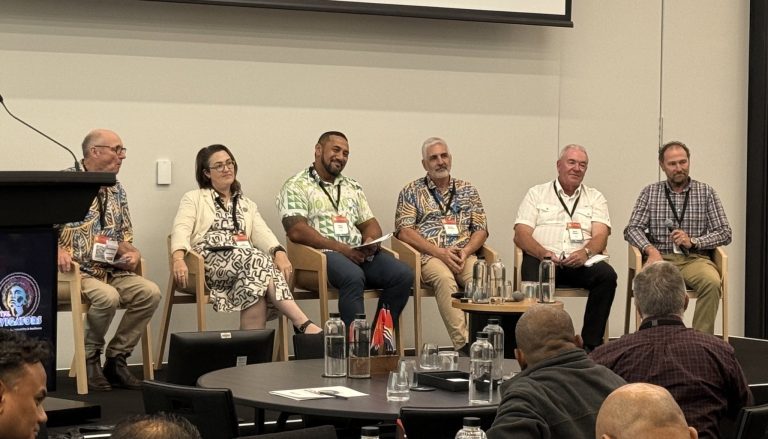
Media leaders, broadcasters and digital journalists from across the Pacific have gathered in Auckland today for the start of the week-long Pacific Broadcasting Cooperation Limited (PBC) and Pasifika TV Conference.

The conference officially began this afternoon with a traditional welcome ceremony, setting the tone for a week focused on strengthening Pacific media through collaboration, professional development and regional partnerships.

Chief Executive Officers, senior editors, producers, journalists and media professionals from across the Pacific region are taking part in the conference, which aims to address the evolving challenges and opportunities facing the media industry.

The traditional welcome acknowledged the shared cultural connections across the Pacific and highlighted the important role media plays in telling Pacific stories and connecting island nations.

Organisers say the conference will provide a platform for media organisations to exchange ideas, build networks and explore new ways to strengthen broadcasting and digital journalism in the region.

Throughout the week, participants will take part in workshops, discussions and training sessions covering a range of topics including digital transformation, content sharing, newsroom innovation and the future of Pacific broadcasting.

The gathering also provides an important opportunity for Pacific media leaders to discuss common challenges such as sustainability, audience engagement, emerging technologies and the need to ensure Pacific voices remain strong in the global media landscape.

Industry representatives say collaboration between Pacific broadcasters has become increasingly important as media organisations adapt to rapid technological change and shifting audience habits.

The conference continues throughout the week in Auckland with more panel discussions, knowledge-sharing sessions and networking opportunities expected to further strengthen relationships across the Pacific media community.

Stay connected

529FansLike
172FollowersFollow
156SubscribersSubscribe
- Advertisement -