Home Blog Page 170

Tonga Youth vote guide relaunched ahead of polls

0

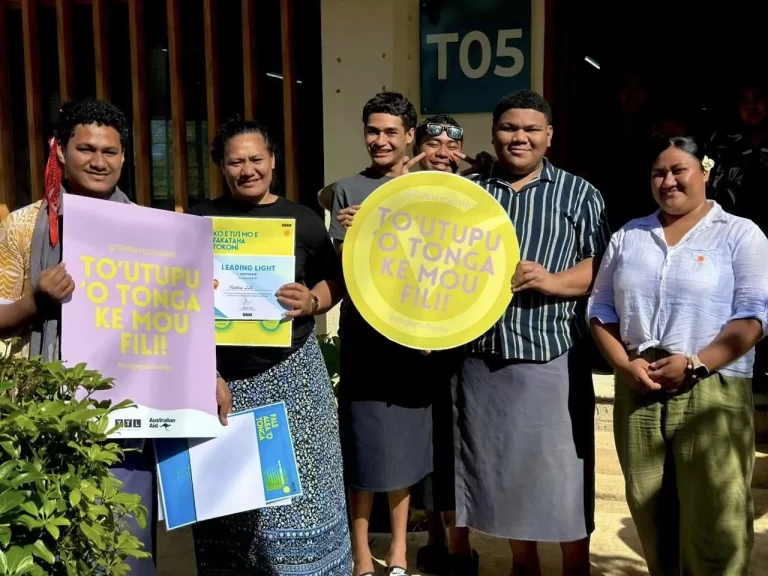
Tonga’s youth-led Take The Lead (TTL) has introduced a new digital Tonga Youth Vote Handbook, backed by island-wide outreach.

The relaunched guide gives first-time voters clear, accessible tools on how to register, vote and engage politically.

Originally published in 2020 with support from the Electoral Commission, the handbook was Tonga’s first dedicated youth voter education resource. At its launch, Lord Fakafanua praised the initiative for helping “our youth understand the overall electoral process.”

This reissue comes ahead of Tonga’s 20 November 2025 general election. TTL says the updated edition is digitised and revamped to better appeal to how young Tongans access information today.

“Being the first of its kind in Tonga, we learned a lot from our 2020 project,” said Elizabeth V. Kite, founder of Take the Lead. “We’ve updated it … reaching them where they spend most of their time, online.”

The handbook addresses what elections are, how key governing bodies function, and how young people can stay engaged beyond Election Day. TTL will distribute it via outreach sessions across Tongatapu and outer islands.

TTL encourages young Tongans to visit tongayouthvote.org or follow its Facebook and Instagram pages for session schedules and updates.

The relaunch arrives as youth concerns such as climate change, deep-sea mining, limited jobs and illicit drugs dominate the public discourse, making civic education among young voters especially pertinent.

Pacific voices urge experts to ‘decolonise’ adaptation at NZ’s largest Climate Forum

0

Pacific leaders believe climate experts are missing an opportunity to incorporate indigenous knowledge into adaptation measures.

The call has been made as hundreds of scientists, global leaders, and climate adaptation experts around the globe gather at the Adaptation Futures Conference in Christchurch.

At the conference’s opening session, Tuvalu’s Environment Minister Maina Talia explained how sea level rise is damaging agricultural land and fresh groundwater is becoming saline.

“The figures are alarming, this is not just for Tuvalu and this is not a Tuvaluan problem, it’s not even a small island developing states problem, it’s a global economic bomb,” he said.

Incorporating indigenous knowledge into climate adaptation has been a major focus of the event.

Talia told RNZ Pacific he feels adaptation is generally presented in a Western lens.

“We need to decolonise our mind, decolonise our soul, in order to integrate community-based adaptation measures.”

The highest elevation in Tuvalu is only four and a half metres. A 2023 report from NASA found much of Tuvalu’s land will be below the average high tide by 2050.

To combat rising seas the government has started reclaiming land, which is one of the island nation’s flagship adaptation projects.

Talia said a “decolonisation approach” gives communities ownership of the work being done.

“It’s all informed by our elders, informed by our youth, informed by our women in society, we cannot come with the idea that this is how your adaptation measures should look like.”

Secretariat of the Pacific Regional Environment Programme (SPREP) director-general Sefanaia Nawadra, on a similar line, said the “biggest difference” of incorporating indigenous-led solutions was giving people a sense of ownership.

“It’s management by compliance rather than management by regulation, where you’re using a stick to say, ‘ok, if you don’t do this, you will be penalised’.”

Pacific Islands Students Fighting Climate Change president Cynthia Houniuhi said those on the front line of the adverse effects of climate change are often indigenous people, which is almost always the case in the Pacific.

“Who knows the place better than the ones that have lived there, so imagine that experience informs the solution, that’s the best way, it’s kind of like a cheat code.”

United Nations Framework Convention on Climate Change (UNFCCC) head of adaptation Youssef Nassef said it is not always clear how national adaptation plans included input from indigenous people.

He also said climate knowledge is not always accessible to those who need it most.

“We create knowledge, we put them in peer-reviewed publications but are the people who are actually needing it on the frontlines of climate change impacts really receiving that knowledge.”

Pacific climate activists are coming off a high after a top UN court found failing to protect people from the adverse effects of climate change could violate international law.

Houniuhi was one of the students who got the advisory opinion in July from the International Court of Justice.

But she told those attending the conference it means nothing if not acted upon.

“We must continue this same energy, momentum and drive into the implementation of the ruling. As one of our mentors rightly said, ‘the law has now caught up to the science, what we now need is for policy to catch up to the law’.”

Houniuhi said the advisory opinion provides “more weight to influence demands”. She expects the advisory opinion to be used as a negotiating tool by Pacific leaders at COP30 in Brazil next month.
Pacific represented at the Marine Environment Protection Committee meeting in London

0

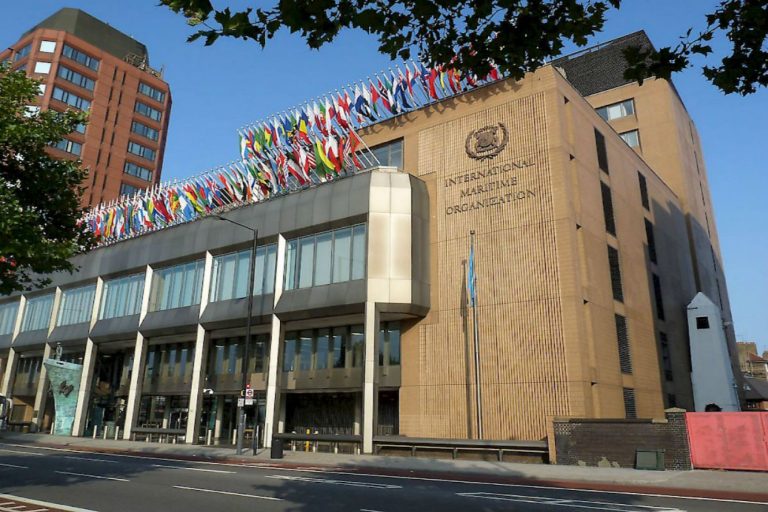
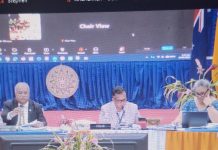
The second Extraordinary Session of the Marine Environment Protection Committee (MEPC) opened Wednesday at the International Maritime Organisation (IMO) Headquarters in London.

The Pacific is represented by the 6PAC+ alliance, which has consistently advocated for ambitious climate action for the shipping industry.

The alliance’s objective has been to ensure a 1.5˚C aligned phase out of fossil fuels in the shipping industry, through a just and equitable transition that both incentivises the uptake of genuine long-term energy solutions and provides adequate support for developing countries, and in particular SIDS and LDCs.

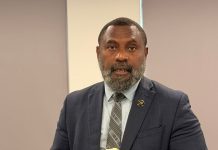
Leading the charge for the Pacific are the Minister for Transportation, Communications & Information Technology, Marshall Islands, Hilton Kendall; the Minister for Climate Change, Energy, Meteorology, Geohazards, Environment and Disaster Management, Vanuatu, Ralph Regenvanu; the Minister of Transport, Energy, Communications and Innovation, Tuvalu, Simon Kofe together with the Presidential Special Envoy on Maritime Decarbonisation, Marshall Islands, Albon Ishoda.

Minister Simon Kofe in his statement at the conference said: “We are here to lead high ambition, as we always have. Our abstention at MEPC 83 was a signal: Tuvalu will not rubber-stamp weak outcomes. At this Extraordinary Session, we call on every delegation to set a course toward a just and equitable transition. This is about more than shipping. It is about survival.”

Indeed, for the Small Island Developing States across the Pacific, this is crucial for survival as islands are disproportionately impacted by the effects of climate change, including rising sea levels and extreme weather events. At the same time, shipping costs are significantly higher than in other parts of the world due to long and thin shipping routes – as great distances and small amounts of cargo limit economies of scale.

This week, the MEPC ES.2 will consider the Net-Zero Framework, with a view to adoption, which was approved by MEPC 83. These agreed-upon amendments to MARPOL Annex VI, set out new regulations aimed at phasing out greenhouse gas (GHG) emissions from ships, in line with IMO’s 2023 GHG Strategy.

It includes two key elements namely a global fuel standard and global GHG emissions pricing mechanism.

Tuvalu joins IUCN as newest Pacific Island State member

0

The Government of Tuvalu has officially become the 90th State Member of the International Union for Conservation of Nature (IUCN), following its formal endorsement of the IUCN Statutes.

The Ministry of Environment will serve as the official liaison with the IUCN Secretariat, marking a significant step in Tuvalu’s commitment to global biodiversity conservation and sustainable development.

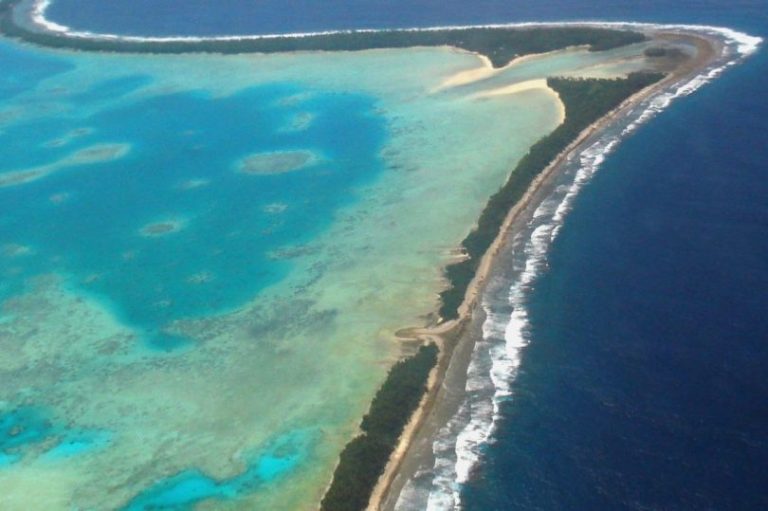
Comprising nine atolls and low-lying islands with a total land area of just 26 square kilometres, Tuvalu is home to unique ecosystems and cultural traditions closely tied to nature. With an Exclusive Economic Zone spanning approximately 900,000 square kilometres of ocean, Tuvalu is rich in marine biodiversity, including vibrant coral reefs, fisheries, and migratory seabird populations. However, the nation faces urgent threats from climate change, sea-level rise, coastal erosion, and invasive species – challenges that threaten both Tuvalu’s natural environment and the livelihoods of its people.

Maina Tali, Minister of Environment of Tuvalu, said: “Joining IUCN represents a historic moment for Tuvalu. Our islands are not only our home but the heart of our culture and heritage. As one of the most climate-vulnerable nations in the world, we recognise the urgency of protecting our fragile ecosystems for future generations. This membership allows us to work closely with a global network of experts and partners to strengthen conservation, enhance resilience, and ensure that Tuvalu’s voice is heard on the world stage.”

The announcement comes as the IUCN World Conservation Congress is taking place in Abu Dhabi. As a new State Member, Tuvalu will have the opportunity to engage actively with global leaders, conservation practitioners, and partners to share its experiences and contribute to shaping international environmental policies.

“IUCN is honoured to welcome Tuvalu as its newest State Member, the 11th from the Oceania region,” said Dr Grethel Aguilar, IUCN Director General.

“Tuvalu brings to the Union its leadership, deep-rooted traditions, and commitment to nature, offering invaluable insights into how we can live in harmony with our environment. The island’s vibrant culture and pristine ecosystems are a testament to the connection of its people with the nation’s rich marine and coastal biodiversity. As we celebrate this milestone, we look forward to supporting Tuvalu in its efforts to strengthen its resilience, safeguard its unique biodiversity and advance solutions that protect both people and nature.”

Through its membership, Tuvalu strengthens its capacity to implement national biodiversity priorities, including climate change adaptation, sustainable fisheries management, and community-driven conservation.

This milestone also opens doors for collaboration with global initiatives such as the Green Climate Fund and the Global Environment Facility, fostering innovative and inclusive approaches to safeguarding nature and supporting the well-being of Tuvalu’s people.

Fiji President meets King Charles

0

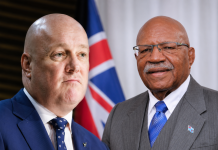
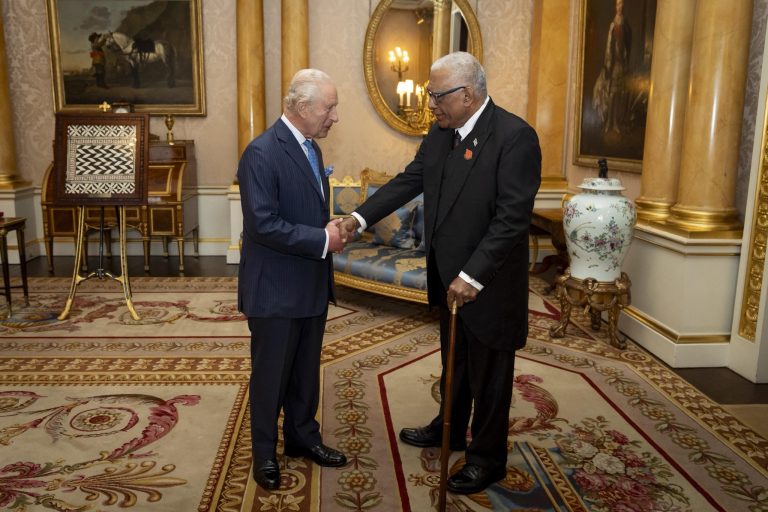
King Charles III has warmly welcomed Fiji’s President, Ratu Naiqama Lalabalavu, to Buckingham Palace, reaffirming the enduring friendship between the two nations.

The visit comes just days after the monarch and Queen Camilla extended warm Independence Day greetings to Fiji on October 10, marking 55 years since the island nation gained independence from Britain in 1970.

In a social media post, the Royal Family stated “The President of the Republic of Fiji visited The King today at Buckingham Palace.”

Fiji, once a British colony for nearly a century, retains many British influences in its governance, legal system, and institutions.

No further details were released on the meeting.

Climate, illegal fishing ‘threaten’ Pacific stocks

0

The growing pressure of climate change, shifting market dynamics and illegal unreported and unregulated fishing in the region threaten fisheries stock in the region, a tuna forum has been told.

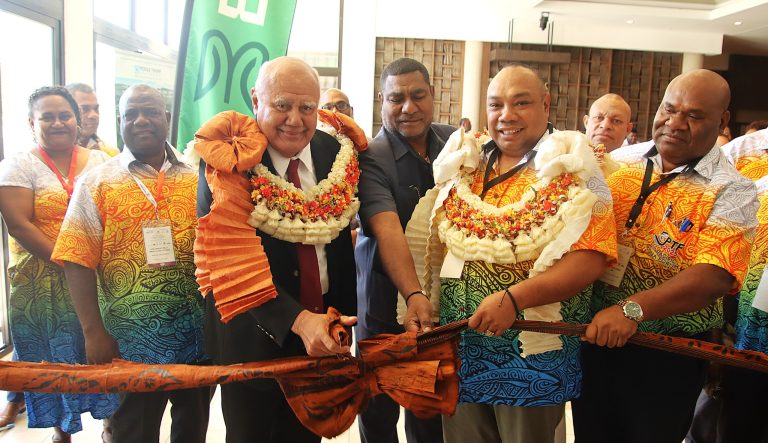
Fisheries and Marine Resources Minister Jelta Wong told the 9th Pacific Tuna Forum in Nadi,Fiji, Tuesday that Pacific Island nations “are increasingly focused on harnessing our fisheries not just for food security and livelihoods, but as a driver of sustainable development, in alignment with the 2050 Strategy for the Blue Pacific Continent”.

“The opportunities are immense, but so are the challenges,” he said.

“We face the growing pressures of climate change, shifting market dynamics, and the persistent threat of illegal, unreported, and unregulated (IUU) fishing, which undermine our economic potential and threatens the very sustainability of our stocks.

“Investing in our local processing capabilities is the cornerstone of this transformation.

“First, it is our most direct path to economic stability and empowerment.

“Processing tuna locally creates not just jobs, but entire ancillary industries – from logistics and packaging to marketing and transportation.

“As we invest in our processing capabilities, we invest in our people, fostering a sense of pride and ownership that empowers our communities to take charge of their economic destinies.

“Second, local processing is our most powerful weapon in the fight against IUU fishing.

“When we control the processing, we control the supply chain.

“This allows us to implement robust monitoring, enhance traceability, and enforce transparency.

“By providing a viable, legal, and profitable alternative for our communities, we deter illegal activities and strengthen the very fabric of our societies, protecting our marine resources and our economic sovereignty,” Wong said.

Tuvalu and Partners deliver landmark Coastal Adaptation Project creating new land for the future

0

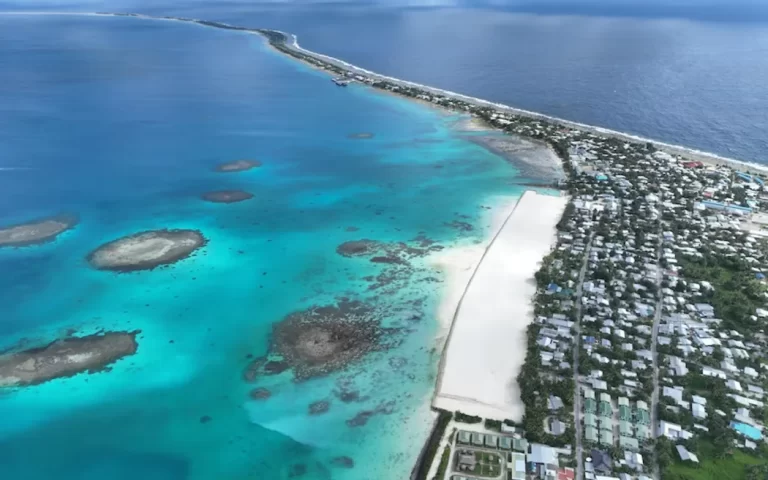
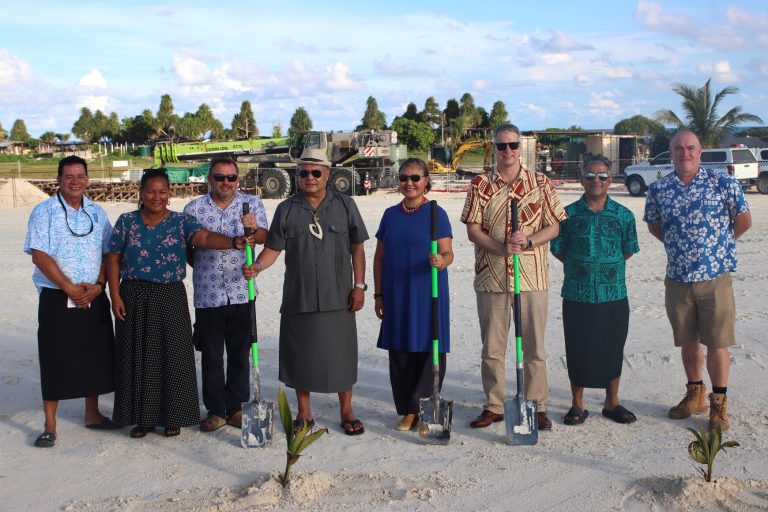
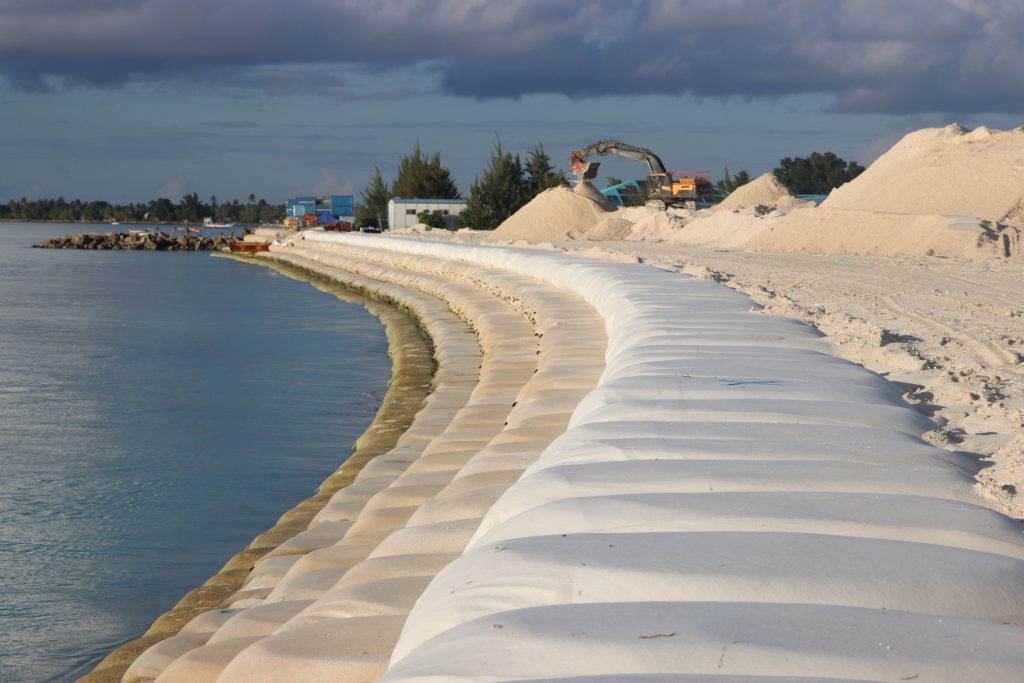
The people and Government of Tuvalu have marked a defining moment in their nation’s journey toward climate resilience with the completion of 8 hectares of land reclaimed under Phase 2/TCAP 1A of the Tuvalu Coastal Adaptation Project (TCAP).

The US$17.5 million project, funded by the Governments of Australia, New Zealand, and the United States and implemented by the UN Development Programme (UNDP), has created eight hectares of newly reclaimed and elevated land on Fogafale—the largest and most populated of Funafuti’s islets in Tuvalu. The reclaimed land is designed to remain above projected sea levels beyond 2100.

Speaking at the completion ceremony, Prime Minister Feleti Teo highlighted Tuvalu’s determination to protect its people and way of life in the face of rising seas.

“TCAP 1A represents a powerful example of leadership and partnership in action. The new land will provide safe ground for homes, schools, and essential infrastructure, guided by a community-designed land use plan that places people and ecosystems at the centre of development.”

UNDP Pacific Office Resident Representative, Munkhtuya Altangerel, commended the people and Government of Tuvalu for their vision and perseverance. “This milestone stands as a testament to Tuvalu’s determination to chart its own path toward climate resilience and sustainable development. Where we stand today represents hope translated into infrastructure, policy turned into protection, and partnership turned into progress.”

Australian High Commissioner to Tuvalu, David Charlton, said, “We have a regional responsibility. We are here to do better for Tuvaluans and have invested more than $38 million in projects to date, not only for this generation but also for those to follow.”

The reclaimed land is designed to remain above projected sea levels beyond 2100. Photo: UNDP

Representing the New Zealand Ministry of Foreign Affairs and Trade, Belinda Malaefou added, “We aim to build on the great work that has already been done on the ground. As reflected in this project, through strong partnerships and a shared approach we can deliver great impact for Tuvalu and its people.”

UN Resident Coordinator for the Pacific, Dirk Wagener, reassured: “Tuvalu’s success in mobilising resources for TCAP is a vital milestone, but it is only the beginning. So much more is needed, but it demonstrates what can be achieved when finance reaches where it is really needed most. This collaboration between the UN, and our partners is not just desirable but crucial—it is what true multilateralism looks like.”

The project also strengthens Tuvalu’s national systems for land management, coastal planning, and policy development—ensuring that the country’s adaptation journey remains grounded in national ownership and long-term sustainability.

Planning is already underway for TCAP 1B, which will extend coastal protection along the northern shoreline of Fogafale and, most importantly, incorporate lessons from earlier phases to further strengthen the quality and effectiveness of the work.

UNDP with the support from development partners reaffirmed its commitment to work alongside Tuvalu and its partners to ensure that every investment made today contributes to a secure, sustainable, and self-sufficient Tuvalu tomorrow.

Coach Kativerata confident in Fiji Bati debutants

0

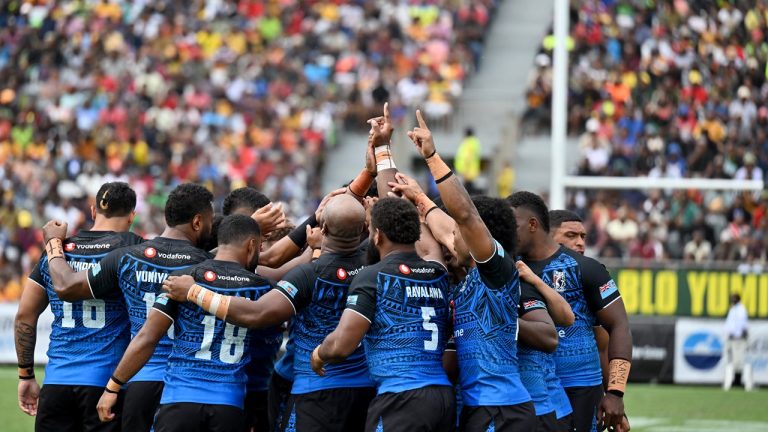
Fiji Bati head coach Wise Kativerata is backing his young squad to make the most of their opportunity at the upcoming Pacific Bowl Championship.

With several new names in the team, Kativerata says this year’s campaign is about more than the results, it’s about building depth and preparing the next generation of Fijian stars.

He believes the platform will help young players find their footing and showcase their talent at a higher level.

“About six or seven debutants this year, it’s important that they use this platform to springboard their NRL career. A few years ago, we introduced Caleb Navale, Kitione Kautoga and Kurt Donoghoe. No one knew them in the NRL environment, and now they’ve become regular names.”

The coach said the inclusion of both overseas-based players and local talents reflects Fiji’s growing rugby league depth.

He highlighted the development of players coming through the domestic system, noting that the pathway is starting to deliver results.

Kativerata also pointed out the efforts of players who have worked tirelessly to earn their spot in the national team setup.

“You’ve got a young kid from Fiji, Keresi Maya, who’s done well for himself to be part of our programme. There’s a lot of kids in our squad, and we want to introduce them.”

Kativerata said the focus isn’t only on producing elite athletes but also on shaping good people. He believes the lessons and discipline learned in camp will help the players both on and off the field.

The coach added that these experiences would define their careers and their character long after the tournament ends.

Meanwhile, Kativerata says maintaining spiritual discipline and humility has been key to building a stronger, more united team environment.

Since taking over the role in 2023, he has worked to instill values that go beyond the field.

“For us, it’s important that we, as a group and as a team, always put God first in everything we do. Our devotion is to set the boys in the right place, right environment, and keep them humble.”

Kativerata introduced a team motto, faith, family, footy, which he believes captures the spirit of the Fiji Bati both in competition and in life.

He said everything within the team’s system ties back to faith, a principle that keeps the players grounded through the highs and lows of the game.

“So everything always goes back to faith. We always try to put God first in everything we do. It keeps the boys humble, no matter what situation they go through in life.”

The Fiji Bati will open their Pacific Bowl campaign against the Cook Islands this Saturday at 5pm in Papua New Guinea.

Battle of the big men: Sparks set to fly as stars face off

0

Moses Leota is relishing the chance to reunite with former Panthers teammate James Fisher-Harris as the Kiwi forwards prepare to go toe to toe with Payne Haas and a powerful Samoan pack.

The two sides will roll out star-studded forward packs in Sunday’s clash at Go Media Stadium, with the battle up front set to go a long way to determining the victor.

Leota and Fisher-Harris headline a unit featuring Joe Tapine, Briton Nikora and Isaiah Papali’i.

Haas will lead a Samoan pack boasting Josh Papalii, Junior Paulo and Jeremiah Nanai.

All up, more than two tonnes of rugby league muscle will collide in a high intensity contest in Auckland.

“It’s always a pleasure to step on the field with my bro [Fisher-Harris],” Leota said. “It’s been a while so it’s good to be back in camp with all the boys.

“It’s a stacked team and we’ve got a big game on our hands but we’ll be up for it.

“You always want to play against the best players and they have some of the best players in that team so it will be a good one.”

The winner of Sunday’s game will take a big step towards booking their place in the Pacific Championships final at CommBank Stadium on November 9.

Samoa boast the weight advantage in both the starting packs and the interchange, with Papalii and Haas each weighing in at 117 kilograms.

The starting side tips the scales at 649kg, compared to New Zealand’s 607 kg.

The benches are closer, with the Kiwis rolling out an interchange of 115kg Nelson Asofa-Solomona, Naufahu Whyte, Erin Clark and Phoenix Crossland.

The Samoans, however, maintain a 7kg advantage on the bench thanks to the combined muscle of Chanel Harris-Tavita, Simi Sasagi, Terrell May and Francis Molo.

Perhaps the best measure of how good the two packs are is the list of players who have not been able to make it into the 17 for Sunday’s clash.

Scott Sorensen and Broncos gun Xavier Willison are on the outside looking in for the Kiwis, while Ata Mariota is in the Samoan extended squad and Spencer Leniu is unavailable due to the impending birth of his child.

All up, four players from each side have been celebrated in the Dally M Team of the Year throughout their careers, with Haas claiming a staggering fifth Prop of the Year award earlier this month.

The front rower’s decision to represent Samoa rather than Australia follows a trend first started by Papalii and Stephen Crichton and sets the tone for a physical tussle on Sunday afternoon.

“I was privy to see him play live in Brisbane a few weeks ago,” Samoan coach Ben Gardiner said. “To have a guy like that in the team as a front rower who can play 80 minutes if he needs to is incredible.

“The inspiration he brings to the people around him, he’s going to bring that to our team and it’s a privilege to coach him.

“It’s intimidating to coach against him. It’s overwhelming because you know what he’s going to bring and [in the NRL grand final] he brought brilliance and brought things that other people can’t do. I’m looking forward to seeing him do that in the blue jersey,” he said.

Nations confront deep divisions over carbon emission cuts to global shipping

0

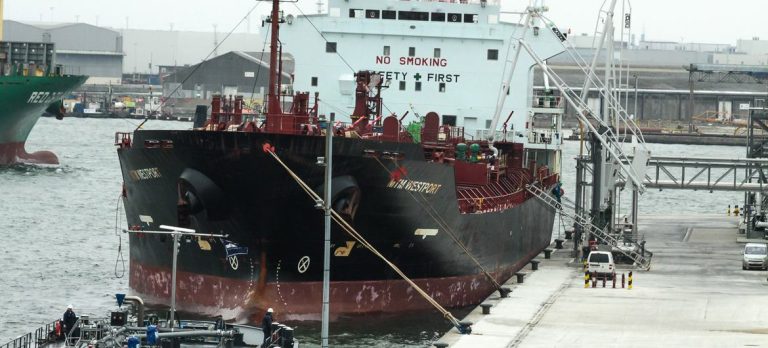
The UN maritime agency opened a special session in London on Tuesday, where nations are debating – and may adopt – a landmark framework to curb greenhouse gas emissions for global shipping, amid intense debate and open US opposition.

The framework, developed after years of negotiations and approved in draft form in April, would for the first time establish a mandatory global fuel standard and a greenhouse gas pricing mechanism for ships.

Together, they are intended to steer the world’s maritime fleet – which carries about 80 per cent of global trade and produces nearly three per cent of global emissions – toward net zero emissions by 2050.

Arsenio Dominguez, Secretary-General of the International Maritime Organisation (IMO), highlighted the “special importance” of the week-long session for the agency and its work.

He acknowledged that some countries see the plan as too ambitious, while others believe it does not go far enough.

“The IMO Net-Zero Framework is not perfect,” he told delegates, “However, it provides a balanced basis for our further work ahead of its entry into force in 2027.”

“This process has been inclusive and thorough,” Dominguez added, urging delegates to approach the talks “with diplomacy and respect.”

“Here, we are diplomatic and respectful to one another, we listen to everyone’s opinion, we take steps forward and we are always looking to improve in this ever-changing sector.”

The session of the IMO’s Marine Environment Protection Committee runs through Friday, when delegates are expected to vote on adopting the framework as an amendment to the main international treaty for reducing air pollution from shipping and improving energy efficiency.

If adopted, the rules would apply to all ocean-going vessels over 5,000 gross tons, which together account for around 85 per cent of shipping-related emissions. National governments will be responsible for enforcement.
Ships would be required to gradually reduce their reliance on carbon-emitting fuels and pay a price for excess emissions, with revenue expected to be reinvested in clean energy transition measures and support for developing countries.

If a ship emits below a certain threshold, it can bank or trade its surplus units, and similarly, should a vessel fully switch to zero or near-zero emission fuels, it qualifies for financial rewards.

The proposal, however, faces strong headwinds from United States.

In a joint statement last week, U.S Secretaries of State, of Energy, and of Transportation said the framework amounted to “a global carbon tax on the world,” warning that it could raise shipping costs by more than 10 percent and harm American consumers.

The statement warned that Washington would consider imposing visa restrictions, commercial penalties and new port fees on countries supporting the framework.

Stay connected

529FansLike
172FollowersFollow
156SubscribersSubscribe
- Advertisement -