Home Blog Page 137

COP31 Compromise: Pacific Nations maintain influence despite hosting setback

Pacific leaders say the compromise that will see Türkiye host COP31 while Australia lead the negotiations still offers the region a meaningful platform to advance its climate priorities, even as some Pacific nations express disappointment that a Pacific COP will not proceed.

Pacific Ocean Commissioner Dr Filimon Manoni said the verbal announcements from Belém indicate the region will continue to play a role through the pre-COP process.

“As I understood from the announcements yesterday, while the presidency will go to Turkey, Turkey will assume the presidency after Belém. The pre-COP for COP31 next year would go to Australia and the Pacific,” he said.
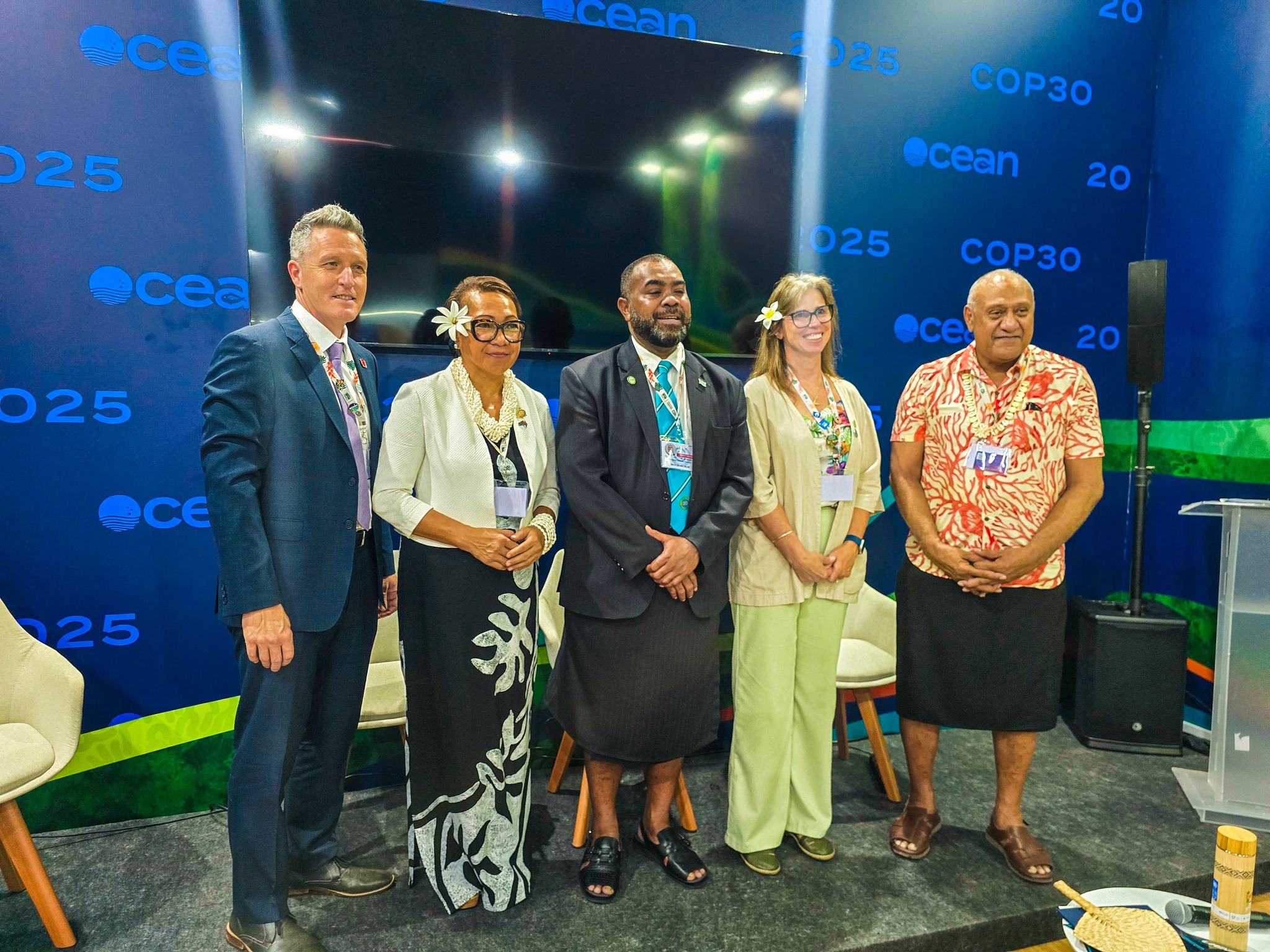
Pacific Ocean Commissioner Dr Filimon Manoni with Pacific delegates. Photo: Pacific Ocean Commissioner/Facebook

He emphasised that details remain unofficial.

“We haven’t seen a written version of this agreement… we are only speaking of reports and announcements that have been verbally made.”

Once the final document is released, he said, “the Pacific will have to start pivoting toward that and preparing for those events.” Dr Manoni noted that while the region preferred a Pacific–Australia co-hosting arrangement, the compromise still secures influence.

“It looks like we didn’t lose it all,” he said. “We should continue to prepare for the events that will lead up to COP31 in Turkey next year.”
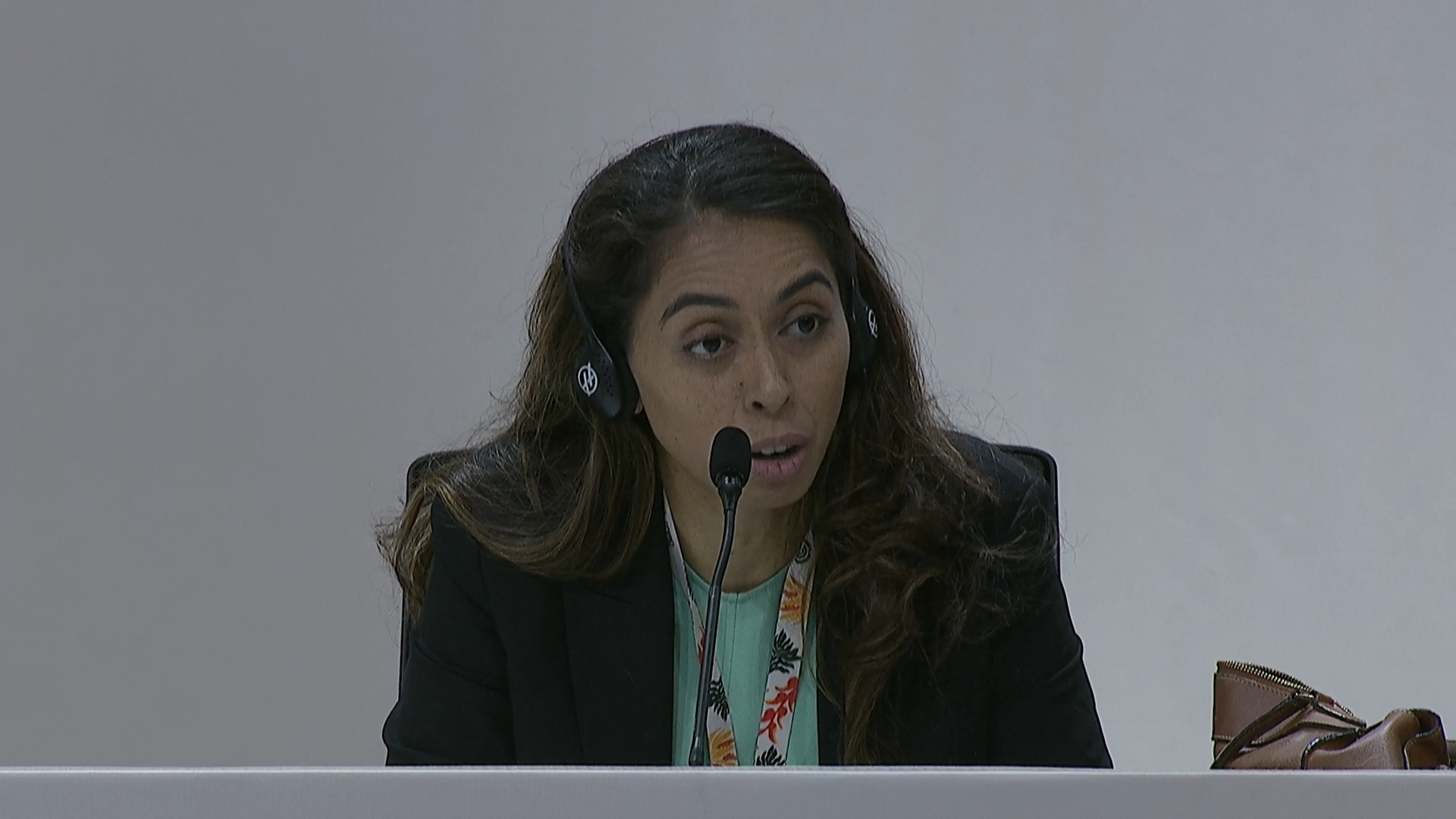
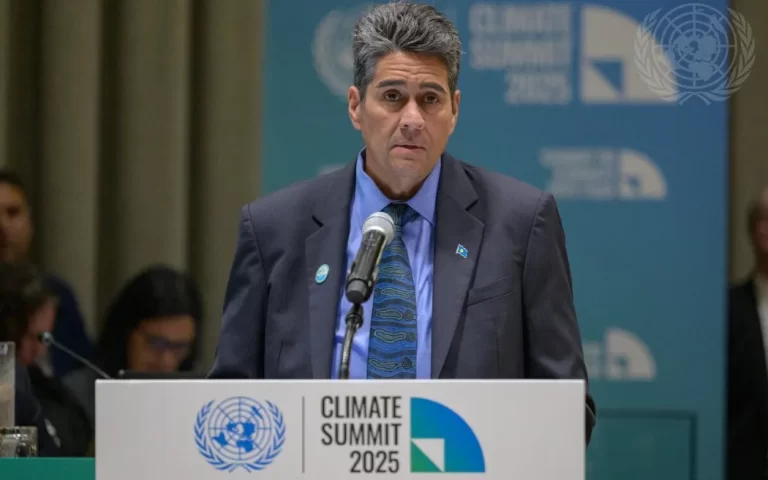
Palau’s Permanent Representative to the United Nations, Ambassador Ilana Seid. Photo: Screengrab/UNFCCC

Palau’s Permanent Representative to the United Nations, Ambassador Ilana Seid, voiced her country’s dissatisfaction.

“We are very disappointed that it’s not going to be a Pacific COP,” she said.

She added that Australia is still advocating for a Pacific-hosted pre-COP, with the host nation to be selected by the Pacific Islands Forum.

“We hope that the pre-COP can be held in the Pacific Islands,” she said, adding that a meeting in the region would allow negotiators to experience frontline climate impacts firsthand.

“When you go to a Pacific Island, you’ll see just how exposed you are to the climate… you might be able to see sea level rise flooding some of the communities.”
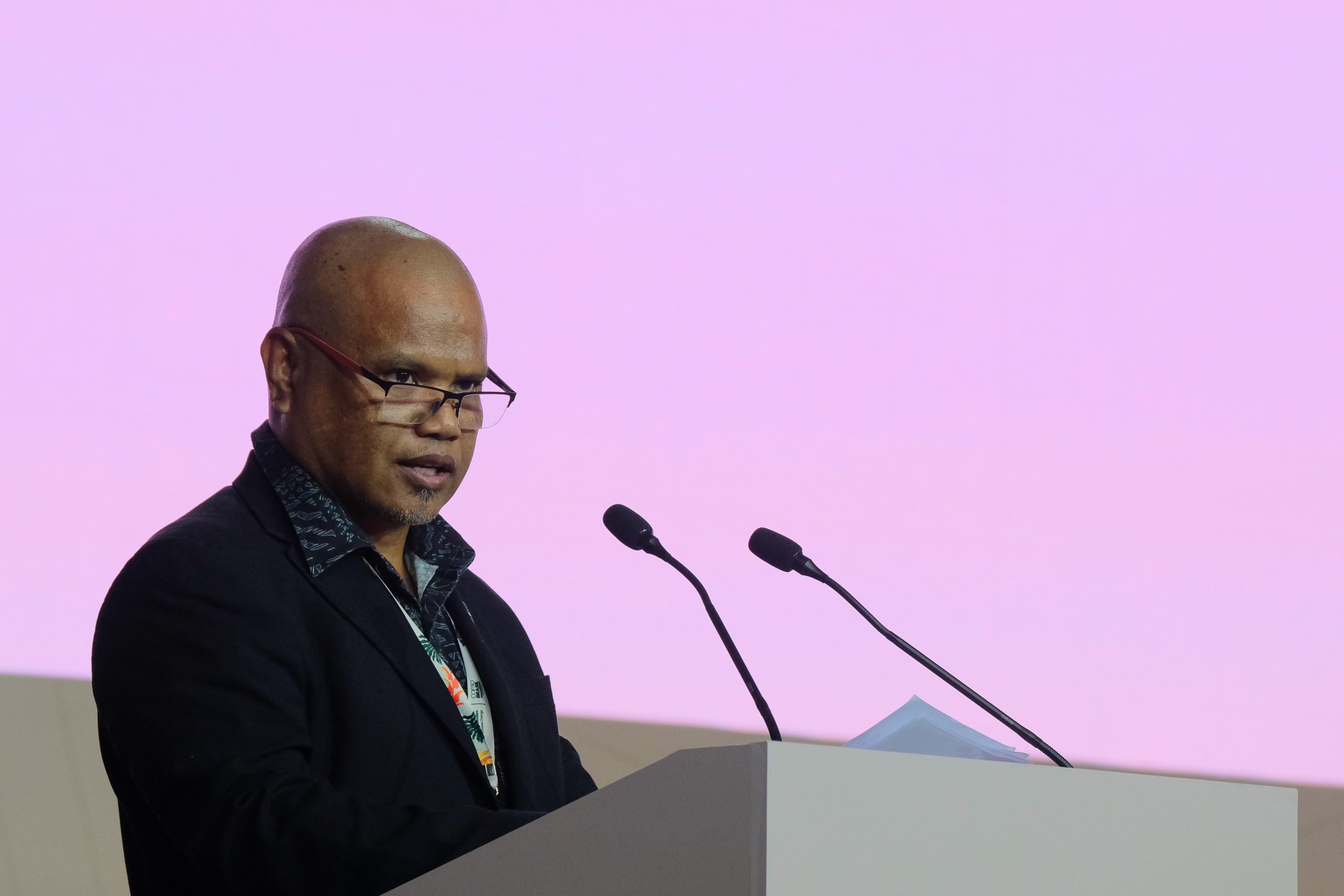
Palau’s Minister of Agriculture, Fisheries and Environment Steven Victor. Photo: UN Climate Change – Diego Herculano

Palau’s Minister of Agriculture, Fisheries and Environment Steven Victor said Palau’s advocacy will remain firm regardless of the venue.

“Whether COP is held in Australia or anywhere, Palau will continue to have a very strong voice,” he said.

“It is a matter of survival for us… if we don’t get 1.5 degrees within reach by the end of this century, some of our islands won’t be around. Some of our people won’t have cultures to call culture.”

He warned that global systems designed to support vulnerable states are under pressure.

“We’re seeing multilateralism under attack. We’re seeing science under attack. And we need to safeguard those… to ensure that we have a voice that is informed by science.”

In a statement, Fiji’s Prime Minister Sitiveni Rabuka reaffirmed Fiji’s support for efforts to focus global attention on the Pacific’s climate vulnerability.

“Fiji welcomes efforts by our Pacific partners, particularly Australia, to bring a focus on the devastating impact of climate change on our region through a Pacific COP,” he said.
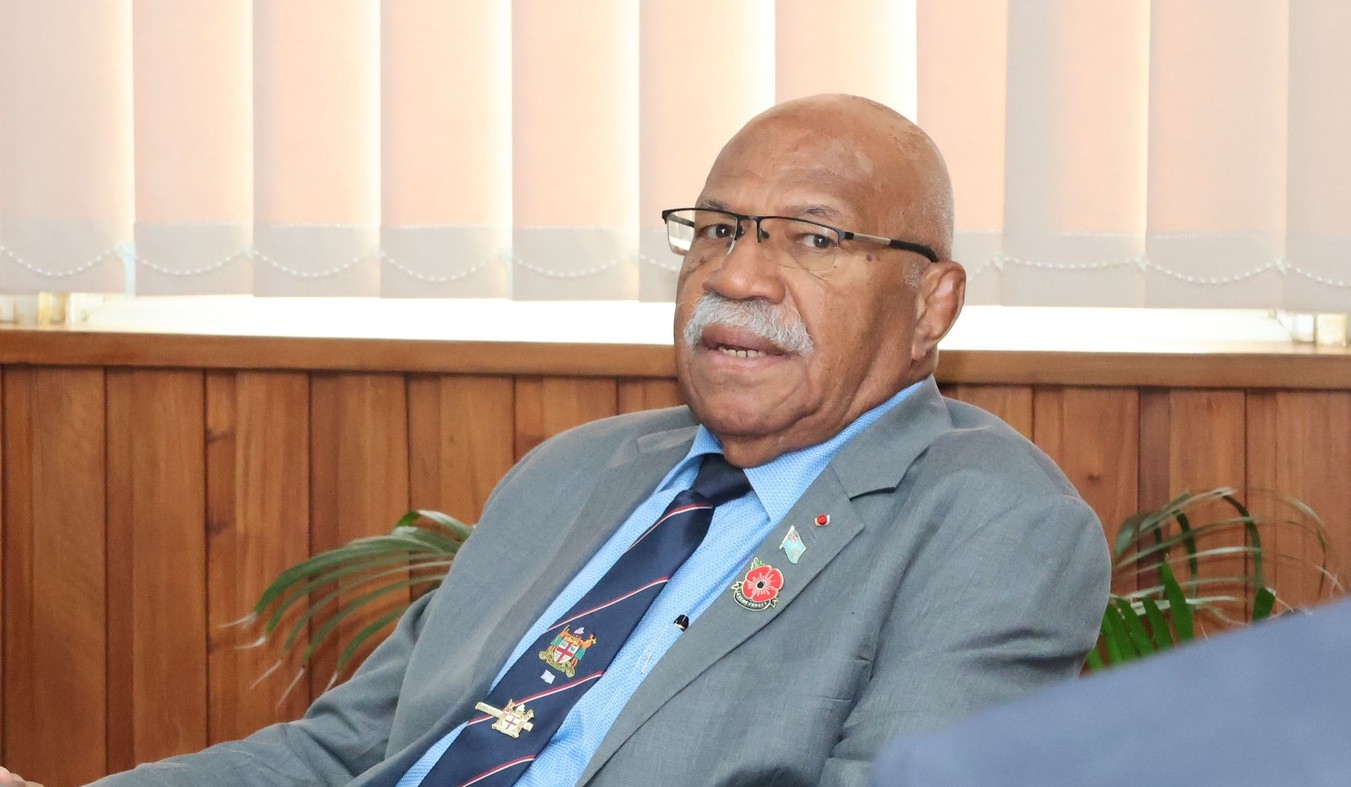
Fiji’s PM Sitiveni Rabuka. Photo: Fiji Govt

Rabuka noted that the outcome in Belém means “it is unlikely we will secure a Pacific COP,” but said it remains essential to preserve the region’s influence in the process rather than risk “the global climate negotiations [falling] by the wayside.”

Fiji supports a resolution that includes a leaders-level pre-COP in the Pacific, a pledging event for the Pacific Resilience Facility, and a leadership role for Australia and the region in next year’s negotiations.

Reported in Solomon Star, Australian Climate Change Minister Chris Bowen confirmed the dual-presidency arrangement, calling it “a significant concession for both sides—but necessary when you’re trying to find consensus.”

“Turkey will host COP31 and serve as the formal COP President, managing the venue and logistics,” Bowen said.

“Australia will serve as COP President for the purposes of negotiations,” giving Canberra authority to appoint co-facilitators, prepare draft texts, and shape the final cover decision.
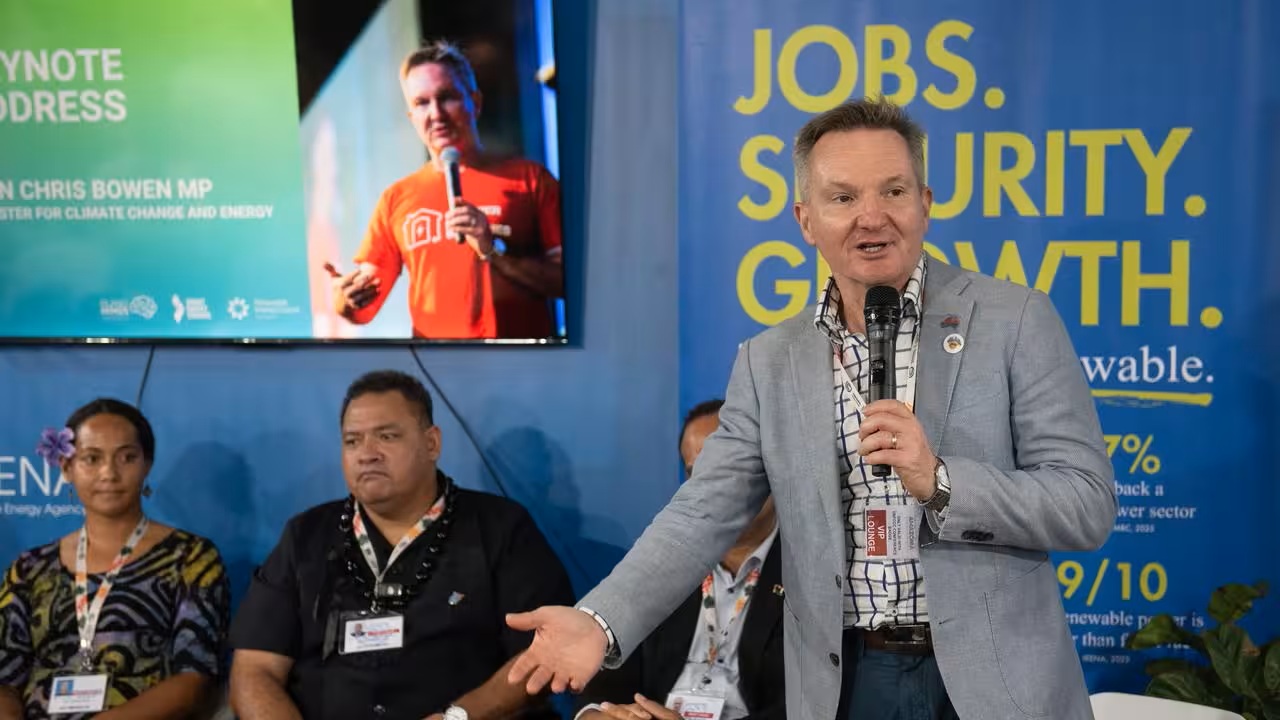
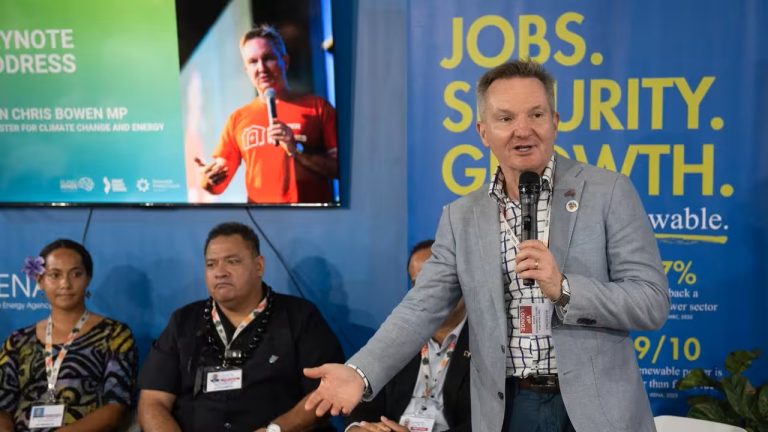
Climate Minister Chris Bowen has joined counterparts from Pacific nations at COP30 in Brazil. Photo via AAP

He said Australia had strong support within its UN negotiating bloc, but a single objection was enough to block its hosting bid.

The hybrid arrangement is being welcomed by some Pacific leaders who believe Australia’s central role in negotiations may help secure stronger commitments for small island states.
Pacific climate leaders ‘deeply disappointed’ as Australia loses bit to host COP31

0

Pacific climate leaders are disappointed that Australia has lost the bid to host the United Nations Climate Conference, COP31, in 2026.

Palau’s President Surangel Whipps Jr said he was “deeply disappointed” by the outcome.

Australia had campaigned for the meeting to be held in its country for years, and it was to happen in conjunction with the Pacific.

The new agreement put forward by Australia’s Climate Minister Chris Bowen is for Bowen to be the COP president of negotiations and for a pre-COP to be hosted in the Pacific, while the main event is in Türkiye.

Bowen told media at COP30 in Belém, Brazil, the new proposal would allow Australia to prepare draft text and issue the overarching document of the event, while Türkiye will oversee the operation side of the meeting.

In a statement, Whipps said the region’s ambition and advocacy would not waver.

“A Pacific COP was vital to highlight the critical climate-ocean nexus, the everyday realities of climate impacts, and the serious threats to food security, economies and livelihoods in the Pacific and beyond,” he said.

“Droughts, fires, floods, typhoons, and mudslides are seen and felt by people all around the world with increasing severity and regularity.”

Australia and the Pacific had most of the support to host the meeting from parties, but the process meant there was no resolution from the months-long stand-off with Türkiye, the default city of Bonn in Germany would have hosted the COP.

It would also mean a year with no COP president in place.

Bowen said it would have been irresponsible for multilateralism, which was already being challenged.

“We didn’t want that to happen, so hence, it was important to strike an agreement with Turkiye, our competitor,” he said.

“Obviously, it would be great if Australia could have it all. But we can’t have it all. This process works on consensus.”

Greenpeace Australia Pacific’s head of Pacific campaigns Shiva Gounden said not hosting the event is going to make the region’s job, to fight for climate justice, harder.

“When you’re in the region, you can shape a lot of the direction of how the COP looks and how the negotiations happen inside the room, because you can embed it with a lot of the values that is extremely close to the Pacific way of doing things,” he said.

He said the UN Framework Convention on Climate Change (UNFCCC) process had failed the Pacific.

“The UNFCCC process didn’t have a measure or a way to resolve this without it getting this messy right at the end of COP 30,” Gounden said.

“If it wasn’t resolved, it would have gone to Bonn, where there wouldn’t be any presidency for a year and that creates a lot of issues for multilateralism and right now multilateralism is under threat.”

Pacific Islands Climate Action Network (PICAN) international policy lead Sindra Sharma said the decision on the COP31 presidency in no way shifts the global responsibility to deliver on the Paris Agreement.

“There is no safe ‘overshoot’ and every increment of warming is a failure to current and future generations.

“We cannot afford to lose focus. We are in the final hours of COP30 and the outcomes we secure here will set the foundation for COP31.

“We need to stay locked in and ensure this COP delivers the ambition and justice frontline communities deserve.”

ICJ ruling makes 1.5°C a legal obligation, not a target: OACPS tells COP30

0

The Organisation of African, Caribbean and Pacific States (OACPS) has delivered a blunt message to world leaders at COP30, declaring that the new International Court of Justice (ICJ) advisory opinion makes climate action a legal duty and calling for its rapid implementation.

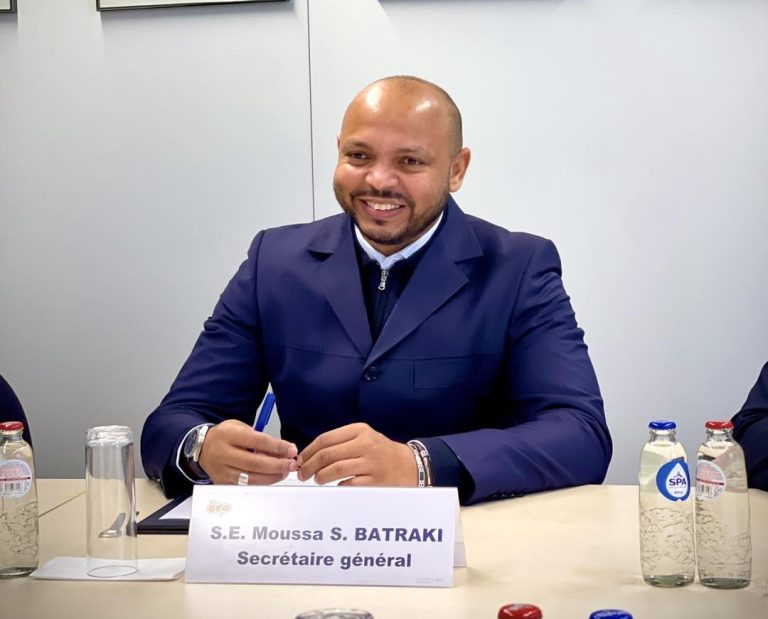
“Climate justice is not only a moral imperative, but a legal and political necessity,” OACPS Secretary-General Moussa S. Batraki told delegates in Belém, insisting the ruling now defines clear obligations for all states.

The 79-member bloc-made up entirely of climate-vulnerable developing countries said the ICJ opinion issued in July 2025 confirms states have erga omnes duties “to protect the climate system and other components of the environment,” rooted in international law, human rights and scientific evidence.

Batraki said the opinion “is ground-breaking in many respects,” noting that it affirms the principle of Common But Differentiated Responsibilities and Respective Capabilities (CBDRRC) as a core legal benchmark guiding the interpretation of climate obligations.

He said the ruling also makes clear that states responsible for climate harm face consequences.

“Every breach triggers obligations of cessation, non-repetition and ‘full’ reparation, including restitution, compensation and/or satisfaction.”

The ICJ opinion also delivers major clarity for vulnerable island nations, confirming that maritime zones “remain unaffected by climate-change-induced sea-level rise” and that the loss of territory does not necessarily mean the loss of statehood.

Batraki urged the UN General Assembly to fully endorse the ruling and move quickly to turn its findings into action, warning that existing mechanisms do not go far enough.

At COP30, the OACPS set out its priorities for implementing the ICJ’s findings, calling for:

*Recognition that states have erga omnes duties to cut greenhouse gas emissions.

*Full operationalisation of the Loss and Damage Fund “as a remedy for harm already suffered.”

*Acceptance of climate reparations as a legal and moral obligation.

*Creation of an International Register of Damage and an International Mechanism for Reparation.

*A binding global fossil fuel phase-out aligned with the 1.5°C limit.

*Legal recognition of ecocide as an international crime.

*Protection of the right to a clean, healthy and sustainable environment.

Batraki said the ICJ had made two points unmistakably clear: “Climate change is an existential threat,” and “The 1.5°C threshold is not aspirational; it is a legal imperative.”

He said COP30 must mark a shift from debate to enforcement.

“The OACPS urges that COP30 serve as a turning point in translating the ICJ Advisory Opinion into enforceable outcomes, ensuring that climate justice is no longer deferred, but actively delivered,” Batraki said.

Tuvalu and climate sector want more from Australia

0

Tuvalu has warned Australia needs to take “true leadership” and match words with action as it assumes a leadership role in global climate negotiations.

Australia’s three-year push to host the COP31 climate summit in 2026 was sunk this week, as it instead compromised with bidding rival Turkey.

As part of the deal, the next UN climate conference will be staged in Antalya, rather than Adelaide, with Climate Minister Chris Bowen taking on a key role.

The outcome has disappointed the Pacific, which was promised a hosting role in partnership with Australia, with Pacific Islands Forum nations all backing the bid.

There were hopes a successful bid might have bridged the gap between Australia and the Pacific on climate ambitions, given Australia’s status as one of the world’s top three exporters of fossil fuels.

Tuvalu Climate Minister Maina Talia said he was “heartbroken” by Australia’s support of fossil fuel expansion.

“This clear disregard for the concerns we raise year in and year out betrays the trust of the people of Tuvalu, the Pacific and indeed, Australia,” he said.

“Our fates are indeed intertwined.

“That is why we ask Australia – as our tuakoi – to choose a path of true leadership, one that matches words with action, and ensures a future where all our peoples can thrive.”

Talia acknowledged Australia’s efforts to increase renewable energy production, but savaged the extension of coal mines and plans to produce gas through to 2070 as “incompatible with a viable future for Tuvalu”.

“Australian leaders nowadays, more often than not, say the right things. But there is a disheartening disconnect between their words and their deeds,” he said.

“Australian leaders recognise the Pacific’s truth, but fail to live by it.”

Talia made the comments in the launch of a new report for the Fossil Free Pacific Campaign Coalition detailing three decades of departure between Australia and the region on climate policy.

Other advocates in Belem, the Brazilian city at the gateway to the Amazon, were focusing on the hard grind of emissions reductions.

Tuvalu joined with Vanuatu and Australia’s Smart Energy Council to unveil a plan to decarbonise the Pacific, which Bowen helped launch.

Australia is the leading contributor to climate finance and aid to the region, helping countries reduce their own footprint and adapt to the impacts of climate change.

The Australian Conservation Foundation has also launched a report calling into question Australia’s forestation rates, which in turn could overstate the amount of carbon stored by forests.

“The clearing of mature forests and woodlands to expand cattle pasture is a major driver of Australia’s extinction record and a serious source of climate harm,” ACF spokesman Nathaniel Pelle said.

“It is a fantasy to claim that is balanced out by new saplings or the thickening of existing vegetation that has sprung up because of a few wet La Nina years,” said Pelle.

Lift the ban, respect press freedom: Pacific media bodies tell Samoa PM

0

Pacific media groups have called on Samoa’s Prime Minister La’aulialemalietoa Leuatea Polataivao Schmidt to immediately lift his government’s ban on the Samoa Observer, warning it undermines constitutional rights and weakens public trust.

In a joint letter, the Pacific Islands News Association (PINA) and the Pacific Freedom Forum (PFF) told the Prime Minister the decision “restricts media freedom protected under Samoa’s Constitution and undermines the public’s fundamental right to information.”

They stressed that blocking the country’s only daily newspaper from official government press conferences threatens transparency and accountability.

“As Samoa’s only daily newspaper and its largest media organisation, the Samoa Observer plays a critical role in ensuring that citizens have access to independent reporting on matters that shape their lives,” the letter states.

The organisations said the ban was disproportionate, even in light of the reported confrontation involving Observer journalists.

“We acknowledge that an incident took place involving Samoa Observer journalists. However, an international journalist present at the time described their conduct as ‘careful and respectful.’ We are also aware that the Samoa Observer editor has lodged a police complaint alleging assault-an allegation that must be properly investigated.”

They reminded the government that Samoa already has a legal process to address complaints about media conduct.

“Even if there are different accounts of what occurred, a complete ban on an entire newsroom is not a fair or proportionate response,” they wrote, pointing to the Media Council Act 2015 as the proper mechanism for resolving disputes.

“By passing the legal framework and resorting to a blanket ban, the government sets a worrying precedent that future administrations could exploit to silence media outlets they find inconvenient.”

The letter urges Schmidt to reverse the decision and return to lawful, democratic processes.

“Lifting the ban and engaging through Samoa’s established media accountability mechanisms would reinforce your government’s commitment to transparency, the rule of law, and democratic governance.”

With the regional spotlight now on Apia, PINA and PFF warn that Samoa’s reputation as a democratic leader is at stake.

“The Pacific region is watching closely. Samoa’s democratic standing and its reputation as a leader in the region depends on the actions taken now.”

Turkey will host COP31, Australia will play a role. So where does that leave the Pacific?

0

By Eliza Northrop

After a long and deadlocked bidding process for Australia and Pacific Island nations to co-host the UN climate summit (COP31), the event will now be hosted by Turkey. Australia’s Climate Minister, Chris Bowen, will reportedly take a key role as “COP President for negotiations”. More details are yet to emerge.

The announcement is more complex than expected, even for the often labyrinthine world of global, multilateral event negotiations. But what will this arrangement mean for Australia’s commitment to partnering with Pacific nations in delivering COP31?

COP31 was expected by many to be the first “Pacific COP”, offering Australia an opportunity to rebuild its credibility on climate action and support Pacific island nations on the frontline of the climate crisis. The challenge of the original COP31 bid was always how to ensure it wasn’t an Australian summit with symbolic Pacific participation. Now, the situation is even more complex.

This new arrangement could still amplify Pacific leadership on the world stage and demonstrate the value in regional action. But with Turkey the official host country, and Australia serving as the COP31 President, where does this leave the Pacific? Will a proposed pre-COP meeting in a Pacific country be enough?

Pacific climate leaders

Pacific nations have been leading on ambitious, science-based climate action for decades, despite contributing only a fraction of global greenhouse gas emissions.

Their track record speaks for itself. Pacific diplomacy secured the landmark 1.5°C temperature limit in the Paris Agreement. While this target is existential for Pacific islands facing rising seas, it is globally relevant to ensuring all countries avoid the worst impacts of climate change. Australia’s own vulnerability is clear from its first national risk assessment released in September this year.

More recently, law students based in Vanuatu led the efforts that resulted in the International Court of Justice’s advisory opinion on the obligations of states with respect to climate change. This landmark legal opinion found the 1.5°C temperature target is legally binding. All states, in particular the largest emitters, must take ambitious emissions reduction measures in line with the best available science, the court found.

The Pacific has also led efforts to recognise the role of oceans in global climate policy. Pacific islanders recognise what science confirms: healthy oceans are essential for limiting global warming and supporting the health and prosperity of coastal communities.

Pacific nations have long advocated for a holistic approach that links climate action with ocean and nature protection – most recently through the Blue Pacific Ocean of Peace Declaration that advances a distinctly Pacific framework for regional security and cooperation.

For the Pacific, climate action isn’t an economic policy debate – it’s a matter of survival. This urgency has translated into genuine innovation and ambition that Australia can learn from.

The question for COP31 now becomes: how does Australia honour its commitment to the Pacific in a host country on the other side of the world?

With Pacific nations, such as Papua New Guinea, expressing disappointment a co-hosted COP31 hasn’t eventuated, Australia will have to deliver. The Pacific was strong in its support for the initial COP31 hosting bid, and should not lose out in this new arrangement.

Based on today’s news, Australia will be in charge of the negotiations but perhaps not the broader action agenda, which could rest with Turkey. Australia needs to ensure COP31 still offers the opportunity to lift the climate talks to the standard of Pacific climate leadership and innovation and walk the talk alongside their Pacific partners. The fight for 1.5°C is both a legal obligation and a fight for survival.

The opportunity

Retaining the COP31 Presidency role provides an opportunity for Australia to advance an agenda that speaks to the priorities of the Pacific – to elevate Pacific-led perspectives and priorities on Indigenous and traditional knowledge, ocean stewardship and a fossil-free future.

A focus on the ocean plays to both regions’ strengths. They share compelling reasons to ensure COP31 delivers game-changing outcomes for ocean health, marine ecosystem protection and finance for coastal resilience.

Regional partnerships aren’t supplementary to effective climate action, they’re foundational. The pre-COP negotiations, to be hosted in the Pacific, should reflect this shared commitment in the COP31 agenda and funding commitments.

Australia’s credibility on climate won’t come from any one conference. It will come from Australia demonstrating it can listen, learn, and amplify the voices of nations that have been leading on climate action all along. Even without hosting COP31 in the region, Australia needs to maintain its commitment to partnership with the Pacific on climate action.

Eliza Northrop is Director UNSW Centre for Sustainable Development Reform, UNSW Sydney

Tuvalu speaks on Trump, Pacific SIDS, and keeping the focus on a global 1.5 degrees climate journey

0

U.S needed in the Paris Agreement implementation work, because it takes a a collective effort, says Pacific COP champ Dr Maina Vakafua Talia.

Last week’s comments from Tuvalu on the U.S withdrawal from the Paris Agreement provided a moment of frank, no-filter feedback on the impact of the decision.

While California Governor Gavin Newsom has led a US-delegation of supporters to the COP30, and openly cited U.S withdrawal from the Paris Agreement as a ‘disgrace’, the rebuke from the Pacific stood out for its sole voice in the global plenary — and were shared by media for their standout value.

While no formal response has been received from the U.S, for head of the Tuvalu delegation to COP, Minister Dr Maina Vakafua Talia, his heart-felt comments fit the spirit of a COP of Truth led by the Brazil Presidency He says they show how important it is to ensure the inclusion of all nations of the world to achieving a truly global 1.5 warming cap and renewable energy future.

Q: There’s been quite a bit of media commentary over the mentions of U.S withdrawal from the Paris Agreement in your statement earlier at COP30. Did you want to respond to some of that?

A: In response to some of the media coverage (to the Tuvalu statement), when we talk about the Paris Agreement, it’s important because it gives us the road map for some of the work that we need to to do. But the U.S withdrawal from the Paris agreement sent a signal that they don’t want to to engage and collaborate. But for us in the Pacific, for Tuvalu in the Pacific, it’s a lifeline for us. We cannot address the 1.5 on our own. We need a collective effort by all countries, especially the most highly polluting countries.

Q: Do you feel that there’s enough leaders in the room as well who understand what 1.5 means for the Pacific?

A: Of course, they all understand what the 1.5 really means but for us in the Pacific you know it means a lot. To us, it’s not just a number. It really spells our demise, if we are not going to address the 1.5 (challenge).

Q: You’re actually here wearing many hats one of them the climate high level political champion– how has that role been going for you in terms of your scheduling and your advocacy?

A: Well it’s important– (as) the political champion for mitigation, it’s also important for us to talk about the 1.5 because we cannot just mitigate by cancelling out or deleting 1.5° on its own. It’s important that when we talk about the 1.5, we should also talk about mitigation. And to talk about mitigation, you know, the more we mitigate, the less we have to adapt. For a country like Tuvalu, with very limited resources, our ability to mitigate is very low. I think it’s important that we take ownership of what we’re saying and especially when it comes to the 1.5° C — how best we can adapt in different scenarios given the very limited resources that we have.

My point to Trump or even to the United States, is this. I was not trying to point the finger at him. We need the U.S in the equation. We’ve always looked to the U.S for options, for alternatives. They have the power, they have the money, they have the resources, they have the technology. And we really need them in the equation. It’s not that we’re trying to criticize Trump. What we’re trying to say is that we need the U.S in these international forums.

Q: You are now getting ready to take the plenary floor again for the second half of the negotiations–the political high level negotiations, Can you give us a preview of what you will be covering?

A: Basically as the PIFs champion of mitigation and as PIFs chair, it is important that we look into Pacific priorities and these have been listed in my previous interventions. We cannot just talk about the 1.5 without a financial package. We cannot just talk about the Paris agreement without any financial support to ensure that we deliver on this. So to have this as a COP of Truth, we really need to have the 1.5 degrees Celsius mentioned –or not just mentioned but included– in the Outcome of this COP. In the main plenary I will speak to the whole package of our priorities for the Pacific, and Tuvalu will continue that advocacy on behalf of the Pacific Small Island Developing States.

Q: You’ve just met as well with the Australia minister for climate. How was that discussion?

A: Well, we were supposed to hear a very fruitful update on what will be the outcome from here, for COP31. It’s still blurry at the moment. So we are very keen to hear what the outcome of the discussion between minister Bowen and the climate minister from Turkiye will be, in relation to how they are going to resolve the issue of hosting COP 31.

Q: Would the Pacific entertain or think about the possibility of an Australia-Turkiye bid?

A: No, I think we’re more or less not in favour of these co-presidency options because we want to host the COP as an Australia Pacific COP, and we have to take ownership of the Presidency role.

Q: We are now on the final few days. Is there time to achieve the ambition and the action for finance that the Pacific wants to leave this COP with?

A: We have to be very optimistic and forward thinking. You know, we always have that tendency of thinking that we will have time — despite that, we’re running out of time and the space to discuss is getting narrower –but of course we are pushing until the end to ensure that we achieve what we have, and why we are here. And especially — (because) our communities are waiting for us.

2025 general elections: Tongatapu 6 sends Tonga’s only woman MP to new Parliament

0

For the second election in a row, Tongatapu 6 has delivered Tonga’s only woman MP, while every other constituency elected men.

Fane Fangufangu Fituafe won the seat with 978 votes, defeating outgoing MP Dulcie Tei, who secured 835 votes.

In an interview on PMN, Fituale says her priority is education and youth opportunities, stressing that young people need better pathways to avoid drugs, unemployment, and other risks.

Fituafe also wants to boost Tonga’s agriculture exports, recalling her childhood growing up in a farming family.

She wants to create more opportunities for the goods grown in Tonga to reach markets overseas.

She also says that supporting women’s roles in society will also guide her work, adding that more spaces and opportunities are needed for Tongan women.

Tongatapu 6 is quickly becoming the seat that breaks political ground for women.

In 2022, it elected the only woman in the national by-election after the Supreme Court voided the 2021 win of former MP Poasi Tei for bribery, a petition won by Fituafe.

That by-election was won by his wife, Dulcie Tei, who became the only female in Parliament at that time.

In 2024, the same electorate agains elected the only female MP, bringing Fituafe into Parliament for the first time.

Tonga’s elections saw 10 out of 17 MPs returned, and seven newcomers elected from Tongatapu 2, 6, 8, Ha’apai 12, 13, Vava’u 15, and Niua 17.

Semisi Sika reclaimed the Tongatapu 2 seat after he lost it to Dr ‘Uhilamoelangi Fasi in 2021.

Some new MPs won by major margins, including in Vava’u 15, where Dr ‘Alani Tangitau defeated long-serving MP Samiu Vaipulu by nearly 400 votes.

One of the strongest wins nationwide came from caretaker Prime Minister Dr ‘Aisake Eke, who won Tongatapu 5 with 1568 votes, the highest of any candidate.

Electoral Commissioner Pita Vuki says the low voter turnout was worrying and would need to be addressed.

The lowest turnout was in Tongatapu 8, with only 28.36 per cent of registered voters casting a ballot.

With results confirmed, the attention now shifts to who will form the government and become Tonga’s next Prime Minister.

Under the Constitution, the interim Speaker has 10 days to invite MPs to submit nominations.

MPs then vote by secret ballot, and a candidate must win more than half of all the votes. If no one reaches a majority, further rounds will be held every two days until a Prime Minister is elected and formally appointed by the King.

‘No moment for self-congratulations at COP30-step up and deliver real-world climate results’: Stiell

0

UN Climate Change Executive Secretary Simon Stiell has warned countries at COP30 that “this is no moment for self-congratulations,” urging governments and non-state actors to close the gap between promises and real-world climate action.

Speaking at the Global Climate Action high-level closing event in Belém, Stiell said the world was watching to see whether climate cooperation could “stand firm in a fractured world.”

“COP30 has racked up an impressive scorecard of real-world climate actions that will also mean stronger economies, more jobs and better lives for many millions,” he said, pointing to major moves including “a trillion-dollar charge into the clean energy and grids,” a global plan to quadruple sustainable fuel, new green industry investments, and an expanding pipeline of adaptation projects.

But Stiell stressed that the momentum must translate into delivery.

“This is the moment to step up. To strive for measurable, real-world results for people, for economies, and for the planet,” he said. “This is the Climate Action Agenda.”

He praised the COP30 Presidency for “its clarity of purpose” in aligning the Climate Action Agenda with the formal negotiations, saying this was helping governments design practical climate plans that “unlock jobs, investment, cleaner air, and more secure, affordable energy.”

“The Climate Action Agenda is not a nice-to-have on the side. It is mission critical, and a key part of the Paris Agreement,” Stiell said.

He highlighted a shift in national climate plans toward “whole-of-economy and whole-of-society approaches,” calling it “transformational – unthinkable only a few years ago.”

Stiell also credited the Marrakech Partnership and the Climate High-Level Champions for sustaining global momentum.

“It has brought together businesses, cities, regions, investors, civil society, including Indigenous Peoples – helping sustain momentum, share innovation, and keep ambition rising even in the toughest of geopolitical conditions,” he said. “That collaborative architecture has never been more essential.”

He said the responsibility for the next phase of action sits with “Parties and non-Parties, public and private sectors, national and subnational implementers” alike.

“People everywhere deserve to have the benefits of climate action: better health, more resilient communities, greater security and prosperity. And because every moment of delay is far too costly,” he said.

Stiell closed with a call for delivery at scale: “Let us close the gap between commitments and delivery that protects and improves people’s lives. And show the world that climate cooperation stands firm, serving the interests of every nation, every economy and every person,” he said.

NGOs lament missed ‘COP opportunity’ for SA and climate

0

South Australia, climate advocates and the Pacific have united in their disappointment after Australia’s failure to secure the 2026 UN climate conference.

Anthony Albanese’s government spent three years campaigning to bring COP31 to Adelaide, only to admit defeat on Thursday and compromise with rival Turkey.

Climate Minister Chris Bowen will be the lead global negotiator for the year up to the conference, but the summit itself will be held in the Mediterranean resort city of Antalya.

SA Premier Peter Malinauskas had lauded the summit as an “incredible opportunity for South Australia on so many fronts” worth an estimated $511.6 million (US$330.36 million) to his state.

On Thursday, he said he understood the government’s move given the “frankly obscene” decision-making process.

“Its very clear that the rest of the world largely would have preferred COP to be in Adelaide,” he told journalists.

“It wasn’t able to be achieved … that’s life.”

The UN process used to decide COP hosting and presidencies are made on consensus, which effectively hands veto rights to each country.

South Australian Alex Rafalowicz, the director of the global Fossil Fuel Non-Proliferation Treaty, agreed Australia’s failure reflected a flawed process.

“Outdated, obscure and consensus rules often stop more progressive proposals succeeding, even if they are more popular,” he said.

Greens leader Larissa Waters suggested the government’s pursuit of the summit was a cynical “greenwashing” of its climate record.

“The PM never really wanted to host a climate conference that needed him to be honest about the future of coal and gas while his mining corp mates are watching,” she wrote on social media.

Climate NGOs shared their disappointment to miss out, while rallying around the mission behind the UN climate conferences.

“Whatever the forum, whoever the president, the urgency and focus cannot change, and phasing out fossil fuels and ending deforestation must be at the core of the COP31 agenda,” Greenpeace Australia chief executive David Ritter said.

The Greens, Greenpeace and other climate groups lashed Australia’s record as one of the top three exporters of fossil fuel emissions on the planet.

Tongan-Australian advocate ‘Alopi Latukefu said a pledged “pre-COP” meeting in the Pacific held promise.

“Should leaders come for meetings of any sort in our region … let us not lose the opportunity to highlight the resilience of the Pacific, but also the stark realities and choices being made daily by those most impacted,” he said.

Rafalowicz said the negotiation leadership role would give Australia the chance to power Pacific ambitions.

“As president of the COP, Bowen will need to find a way to address the ticking time bomb of fossil fuel extraction plans,” he said.

“The Pacific are already leading on this, I hope he can step up to meet them,” he said.

Stay connected

529FansLike
172FollowersFollow
156SubscribersSubscribe
- Advertisement -