Home Blog Page 110

Lack of investigation into cocaine vessel could hamper regional drug mapping, Pacific expert warns

0

A lack of investigation into the vessel intercepted with 4.87 tonnes of cocaine may hamper cross-border efforts to track and map criminal drug networks, a Pacific regional security expert warns.

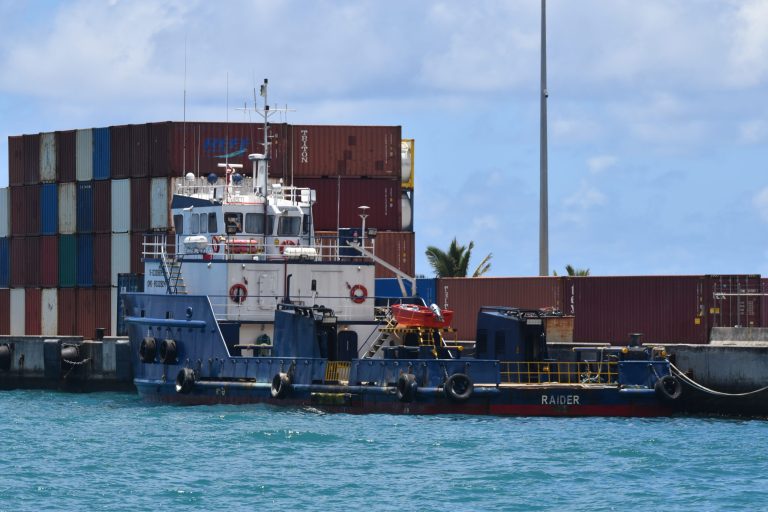
The MV Raider is docked under “24-hour security” at Avatiu Port after entering Rarotonga waters under a distress call for engine repairs over a week ago.
The multi-purpose offshore vessel sailing under the flag of Togo was intercepted by the French Navy mid-last month – French authorities released the vessel and its crew after seizing a shipment of drugs reportedly bound for Australia.

Concerns have been raised regarding why the vessel and its crew were released without an investigation.

According to José Sousa-Santos, associate professor of practice and head of the University of Canterbury’s Pacific Regional Security Hub, since the vessel was intercepted in French Polynesian waters 2t falls under French legal jurisdiction”.

Sousa-Santos said French law enforcement was responsible for the investigation as the apprehension took place in French Polynesian waters.

“This tactic is not one normally adopted in the region, however it may have been done to lessen the cost and demands on the judicial system in French Polynesia,” he told Cook Islands News.

“Unfortunately, it does complicate further investigations under other jurisdictions that may be interested in pursuing surveillance and mapping of these criminal networks.”

Cook Islands News has contacted the High Commission of the Republic in French Polynesia for comment on why French authorities did not investigate the vessel and its crew.

According to Tahiti Nui TV, the seized cargo, originating from Central America, was intercepted while en route to the Southwest Pacific. Despite this record seizure, “the sailors will not be prosecuted”, it reported last month.

French Polynesia’s public prosecutor Solène Belaouar told Tahiti Nui TV: “Article 17 of the Vienna Convention stipulates that the Navy can intercept a vessel on the high seas, after checking its flag state, and ask the public prosecutor (and the High Commissioner is involved in the decision) if they agree that the procedure should not be pursued through the courts, and that it should therefore be handled solely administratively.”

According to Tahiti Nui TV, this allows local judicial efforts to focus on local cases.

“However, it also results in the absence of investigations and therefore prosecutions by the French justice system against traffickers. Their respective countries can, however, prosecute them if they so choose.”

International law professor Alexander Gillespie from Waikato University said he does not think the French actions were necessarily wrong.

However, he noted that the situation highlights the need for greater cooperation and formal agreements between the involved entities, “especially since this will not be a one-off problem”.

“The main one is the need for enhanced international cooperation in combatting transnational crime,” Gillespie said.

“This (drug trafficking) is a plague which is expanding and something we are seeing increasingly throughout the Pacific. The need is for countries to cooperate more, at all levels – from intelligence sharing, to interceptions, to prosecutions.”

Gillespie commended the Cook Islands authorities for their handling of the vessel.

“I think what has happened here is very effective policing, and quite legal under the Law of the Sea rules (in terms of help to a vessel in distress) but the question of drugs on the high seas – and the importance of cooperation between States – flag state cooperation – and the 1988 Convention against Illegal Drugs – is more complicated. A lot will depend on which countries have signed what, and how the cooperation is working.”

Cook Islands Customs earlier stated that border agencies conducted border security search following the arrival of the vessel at Avatiu Harbour on 24 January and “nothing was found”.

The captain and crew were also questioned. The vessel has 11 crew members, consisting of Honduran and Ecuadorian nationals.

The crew were allowed brief onshore access “to obtain essential provisions under supervision”.

The duration of the vessel’s stay in Rarotonga is “currently unknown and depends on the completion of repairs and ongoing assessments by relevant agencies”.

“All associated costs, including harbour and port-related fees, are the responsibility of the vessel’s owners or operators,” Customs said.

“Cook Islands border agencies continue to coordinate to safeguard public safety, uphold maritime security, and maintain compliance with all applicable laws”.
Treaty turns tide for Pacific Islanders who depend on the sea

0

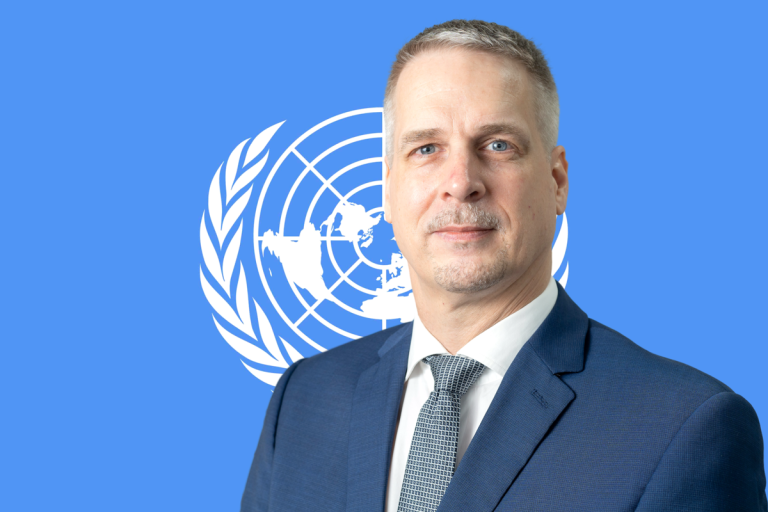
By Dirk Wagener UN Resident Coordinator

For the people of Vanuatu, the ocean is life – and the month of January brings good news during these rather turbulent times: the entry into forces of an international treaty to protect the ocean.

The Agreement on the Conservation and Sustainable Use of Marine Biological Diversity of Areas Beyond National Jurisdiction, often referred to as BBNJ Agreement-will shape the future of our oceans and the well-being of those who depend on them. It was adopted on 19 June 2023 and came into force on 17 January 2026, 120 days after passing the threshold of 60 ratifications. Pacific states that have ratified include Fiji, the Solomon Islands, Tuvalu and Vanuatu with most others having signed but pending ratification

The Agreement establishes, for the first time, a global legal framework to protect and sustainably manage biodiversity in the high seas and international seabed, which together cover over two-thirds of the ocean. These are areas beyond national borders, yet they are intimately linked to the waters surrounding our island nation. For communities that rely on fishing for their daily meals and livelihoods, the Agreement ensures that these shared waters are governed responsibly, with rules that safeguard ecosystems and resources for current and future generations.

For Vanuatu, the gains are immediate and tangible. The treaty requires that the benefits from marine genetic resources, including potential medical, scientific, and technological applications, are shared fairly and equitably. This ensures that Small Island Developing States, which have historically lacked the capacity to access or develop these resources, can now reap the rewards.

The Agreement strengthens environmental protections through robust environmental impact assessments and the creation of marine protected areas. When high seas activities affect waters adjacent to a country’s exclusive economic zone, proponents must consult affected coastal States, ensuring that the rights, interests, and existing conservation measures of coastal nations are respected. This gives Pacific countries including Vanuatu a stronger voice in decisions that affect the marine environment on which they depend.

Capacity-building and technology transfer are equally critical. The Agreement obliges cooperation to help developing States strengthen their marine science and management capabilities. For Vanuatu, this means that initiatives will be responsive to national priorities and community needs, empowering local scientists, managers, and stakeholders to protect marine biodiversity effectively.

The Agreement also formally recognises the knowledge of indigenous peoples and local communities, ensuring that traditional insights inform decisions about marine areas and resources, with full consent and participation. This inclusive approach reflects the deep connection our communities have with the ocean and respects the wisdom passed down through generations.

The entry into force of the Agreement is not only a key multilateral achievement; it is a victory for people and the planet. It reaffirms that the health and resilience of our oceans matter to all nations, but especially to those whose lives, cultures, and traditions, are inseparable from the sea. It offers a framework for fair, sustainable, and cooperative ocean governance, and it places Pacific nations at the centre of these global efforts.

As we celebrate this historic milestone, we must now turn our attention to implementation. The promise of the Agreement will only be realised if we act together, ensuring that these international commitments translate into tangible benefits for maritime communities across the Pacific. For the people of Fiji, Tonga, Tuvalu, Vanuatu, and the Solomon Islands, the Agreement is more than law; it is a lifeline for the oceans that sustain us all.

Tokelau heads to the polls after storm delays

0

Polling is underway today in Tokelau.

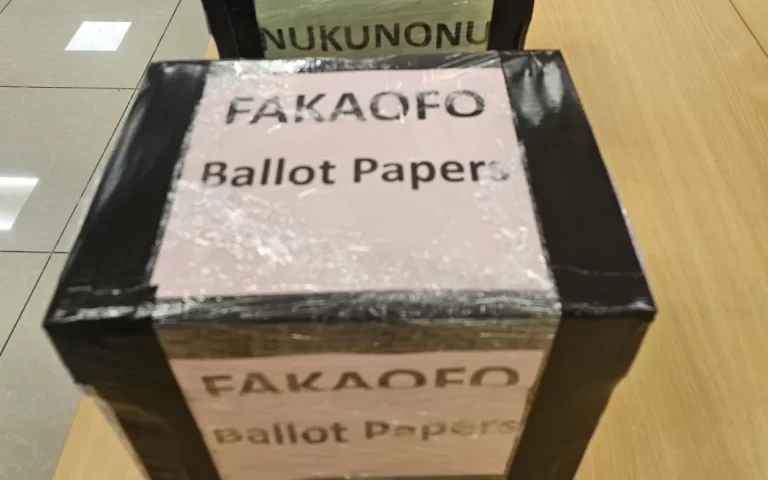
The election was postponed last month after severe weather conditions delayed the ferry carrying the ballot boxes.

Voting will take place on Nukunonu, Atafu, Fakaofo, and in Apia for Tokelauans living in Samoa.

More than 1600 people live in the New Zealand realm nation.

The voting age in Tokelau is 18 and those who want to run enter parliament (General Fono) must be at least 35 years of age, be a holder of a current New Zealand passport, and have lived in Tokelau for at least 2 years immediately preceding the election, according to territory’s election rules.

This year marks 100 year since Tokelau became a territory of New Zealand.

Niue PM calls for realm leaders to discuss constitutional ties

0

Niue’s Prime Minister, Dalton Tagelagi, has proposed a formal leaders’ meeting between Realm countries.

Tagelagi says a frank conversation about constitutional arrangements is “overdue”.

Niue and the Cook Islands are part of the New Zealand Realm as self-governing Pacific islands in free association with New Zealand. Tokelau is also part of the Realm but is a non-self governing territory.

While the island nations manage their own domestic affairs – Tokelau has a local self-administration – Aotearoa remains responsible for defence and foreign affairs, and all have New Zealand citizenship.

Speaking on Pacific Mornings while he was in New Zealand, Tagelagi says such a roundtable could help dispel speculation and strengthen relationships between Niue, New Zealand, the Cook Islands, and Tokelau.

“I think it’s something that’s overdue and has never been done before,” Tagelagi says. “It’s a matter of just the leaders sitting around the table and just having a frank conversation.”

The call comes as relations between Aotearoa and the Cook Islands have come under increased scrutiny.

Last month, the Cook Islands News reported that Cook Islands Prime Minister Mark Brown was confident diplomatic ties could be mended and that paused funding would be restored in 2026.

According to the Rarotongan-based media outlet, Brown had made multiple attempts to meet New Zealand Prime Minister Christopher Luxon and Foreign Minister Winston Peters, after official-level talks failed to resolve a diplomatic dispute between the two governments.

Peters told PMN News in September that the matter was being negotiated by officials from New Zealand and the Cook Islands.

Tagelagi says each Realm country has its own constitutional relationship with New Zealand and that these discussions should be respected.

He framed Niue’s partnership as mutually beneficial, particularly as the island pursues ambitious development goals through external partnerships and investment.

“Our win is also going to be New Zealand’s win, because everything that came outside of New Zealand will filter back to New Zealand, because we get everything from New Zealand,” he said.

“So I guess it’s our way of contributing to New Zealand who has always been looking after us from day one, in our constitutional arrangements.”

Niue celebrated 50 years of self-governance in 2024, with New Zealand’s Governor General Dame Cindy Kiro attending the celebrations in Alofi.

In response to a question about Tokelau, Tagelagi says Tokelau had sought guidance on Niue’s experience of free association. Tokelau is expected to decide on whether a referendum on self-governance will be held this year.

“That’s up to Tokelau, we can only advise on how it worked for us and from what we experienced.”

Beyond the constitutional talks, the Niuean Prime Minister addressed regional cooperation challenges, including the cost of hosting the Pacific Islands Forum Leaders Meeting.

He did not rule out hosting but cautioned on expenses.

“It’s going to be very hard for us because of those associated costs and I’m not prepared to spend that much money just to bring people to my island.

“So it’s something that needs to be addressed within the Secretariat and the leaders.”

As Niue prepares for general elections, Tagelagi signalled he may seek one more term before stepping away from politics.

With 16 years of experience, he emphasised the importance of youth leadership and succession.

“It’s not my job to keep but if we’re committed to the little rock, we should be doing the best of our ability because we are the lucky ones to be in the position.

“I think one more term will serve the purpose but we’ll leave that decision to the people and those who get elected to the House.”

Tagelagi was in Auckland to formalise diplomatic relations with the Federal Republic of Germany, which now recognises Niue as a sovereign state. The ceremony on 03 February involved Tagelagi and Germany’s Foreign Minister Dr Johann David Wadephul signing a joint declaration.

German Foreign Minister Wadephul urges Europe to support climate-threatened Pacific islands

0

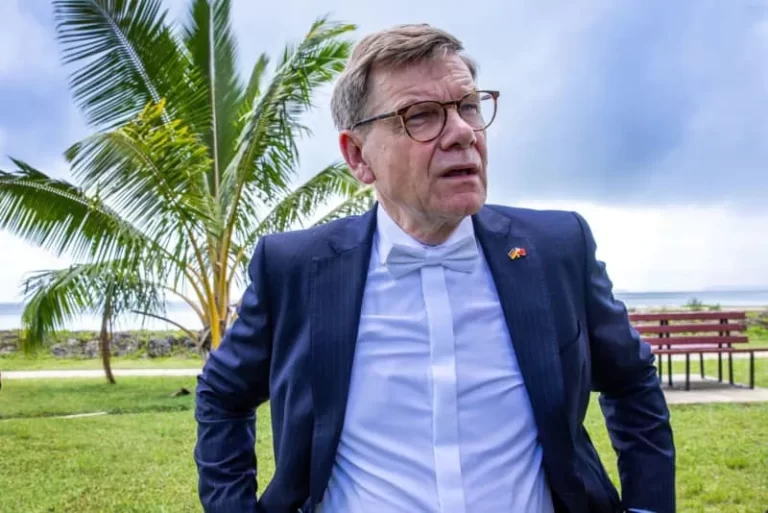
German Foreign Minister Johann Wadephul on Wednesday said Europe should step up support for small island nations in the Pacific whose existence is threatened by climate change.

Wadephul, during a visit to Tonga, urged European policymakers to approach the challenge with openness rather than prejudice.

Tonga, located about 2,300 kilometres north-east of New Zealand, is made up of more than 170 islands, of which roughly 36 are inhabited. Like other South Pacific island states, it faces severe climate risks, including rising sea levels, tropical cyclones and coastal erosion.

Wadephul said that while aid should not be distributed recklessly, the European Union could be more flexible, proactive and present in the region.

The foreign minister met with King Tupou VI, Prime Minister Fatafehi Fakafanua and Foreign and Defence Minister Tupouto’a ‘Ulukalala in Nuku’alofa.

The German minister said that money spent to strengthen the resilience of island states against climate change is well spent. Rising seas are eroding coastlines and making some areas uninhabitable, while extreme weather and declining fish stocks threaten livelihoods, he added.

Wadephul said Germany had contributed €5 million ($5.9 million) to the Pacific Island Forum’s regional climate fund and noted that the newly established Pacific Resilience Facility would be based in Tonga.

OACPS marks Transition of the Presidency of the Council of Ministers

0

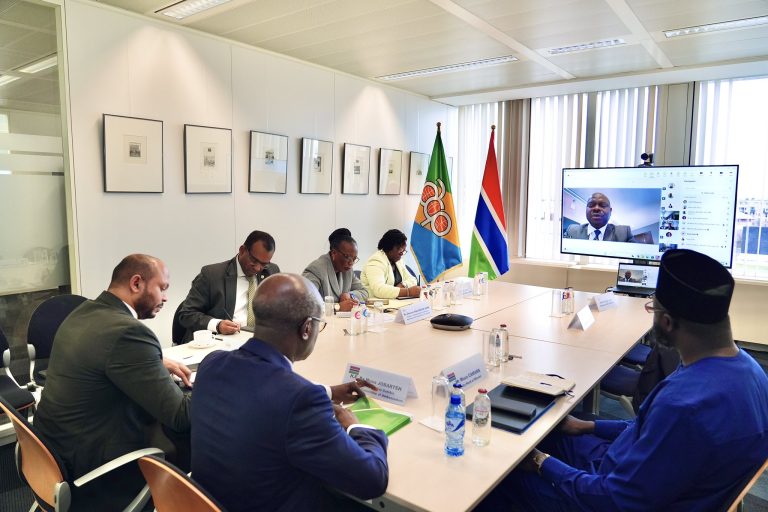
The Organisation of African, Caribbean and Pacific States (OACPS) Tuesday held a virtual Handover Ceremony of the Presidency of the OACPS Council of Ministers, marking the transition from the outgoing Presidency of the Solomon Islands to the incoming Presidency of the Republic of The Gambia, in line with Article 20 of the Revised Georgetown Agreement, which provides for an equitable rotation of leadership of the OACPS among the six regions.

During the ceremony, the Secretary-General commended the Outgoing President of the Council of Ministers,Peter Shanel Agovaka of the Solomon Islands, for his leadership during a challenging period for the Organisation, and warmly welcomed the Incoming President, Seedy K. M. Keita of The Gambia, assuring him of the full support of the Secretariat as he assumes office ahead of a historic OACPS Summit.

In his remarks, the Outgoing President of the Council of Ministers, Peter Shanel Agovaka, Minister of Foreign Affairs and External Trade of the Solomon Islands, reflected on the achievements of his tenure, notably

*The preparation and adoption of the 2026 OACPS Secretariat’s Budget;
*Advocacy for the timely payment of Member States’ contributions;
*Support for the OACPS reform process and institutional strengthening;
*Convening of the 120th Session of the OACPS Council of Ministers.
*Championing the implementation of the Samoa Agreement; and

The successful preparations for the upcoming 11thOACPS Summit of Heads of States and Government.

The Incoming President of the Council of Ministers, Seedy Keita Minister of Finance and Economic Affairs of the Republic of The Gambia, outlined the priorities of the new Presidency, which places strong emphasis on reinforcing the financial stability and long-term sustainability of the Organisation with a renewed commitment to making the organisation more viable, responsive and fit for purpose.

To ensure continuity and effective implementation of Council decisions, The Gambian Presidency of the Council of Ministers will prioritise the following:

*Monitoring the successful implementation of the 2026 Secretariat Budget as well as follow up on the debt recovery plan;

*Ensuring membership stability by working to improve the confidence of the member states in the Organisation;

*Continued support to resource mobilisation efforts including engaging member states to better understand the challenges in meeting their membership contributions, which has a direct impact on the financial stability of the Organisation;

*Support a sustained political engagement to ensure successful preparations and high-level participation at the 11th OACPS Summit;

*Support the follow-up on the implementation and operationalisation of the Samoa Agreement, including engagement with the European Union;

*Support the governance reforms and the future stability of the OACPS.

In his closing remarks, the Secretary-General commended the Solomon Islands for its stewardship during a challenging period and expressed confidence that the incoming Gambian Presidency would build on the foundations laid to ensure continuity, coherence, and effective implementation of decisions adopted by the governing organs of the OACPS.

In welcoming the Gambia, the Secretary-General Moussa Batraki indicated that the Secretariat stands ready to support the incoming Presidency as it embarks on its mandate to further strengthen the unity, resilience, and renewal of the Organisation in a rapidly changing global context

The handover takes place as the Organisation intensifies preparations for the 11th OACPS Summit of Heads of State and Government, setting the stage for a renewed agenda focused on deeper engagement with traditional and emerging partners, a reimagined and results-oriented Secretariat, and strengthened intra-OACPS cooperation among Member States.

HSBC SVNS action set to heat up in Perth

0

The HSBC SVNS spotlight turns to Perth this week as the world’s best sevens sides arrive in Western Australia.

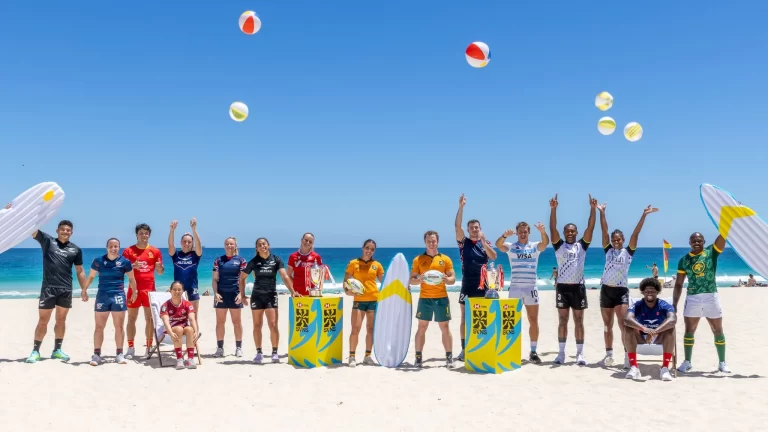
Team captains came together at Scarborough Beach Tuesday to launch HSBC SVNS Perth, soaking up the sunshine and the energy ahead of what promises to be a thrilling weekend of rugby sevens.

After three rounds of the HSBC SVNS Series, the race for the top spots is heating up. In the women’s competition, New Zealand currently leads with 58 points with just a two-point advantage but Australia will be looking to defend their Perth crown by clinching a win on home soil and putting on a show for the local fans.

Following their victory against France in Singapore’s final showdown last week, the Flying Fijians are aiming to continue their winning streak and maintain their position atop the men’s league standings just ahead of New Zealand.

Madison Ashby and Henry Hutchison at HSBC SVNS Perth 2026 captains photo
Madison Ashby, captain of the Australian women’s team, said: “We love playing in Perth and the girls did a great job last year winning the title. Now we’re looking to go back-to-back. You can’t beat a home crowd, and we’re fortunate to be one of only a couple of nations to play on home soil each year.”

Henry Hutchison, captain of the Australian men’s team, added: “It’s nice to be back in Perth on home soil. We’re ready to put in a good performance in front of our local fans and family who are travelling from all parts of the country. We were pleased with how we played on the second day in Singapore and want to carry that momentum into this weekend.”

The HSBC SVNS Series continues to redefine the rugby sevens experience, combining elite, fast-paced sport with a festival atmosphere featuring music, food, and culture. Perth’s HBF Park will once again host live entertainment, international DJs, food and beverage activations, and the Beach Club, delivering an unforgettable experience for fans from around the world.

HSBC SVNS Perth returns to HBF Park in Perth on 7-8 February 2026.

Pacific UN operations ‘unaffected’ by global budget crisis despite Guterres warning

0

The head of the United Nations in the Pacific says UN operations across 15 countries in the region will not be affected by a deepening global budget crisis that has prompted stark warnings from the organisation’s leadership in New York.

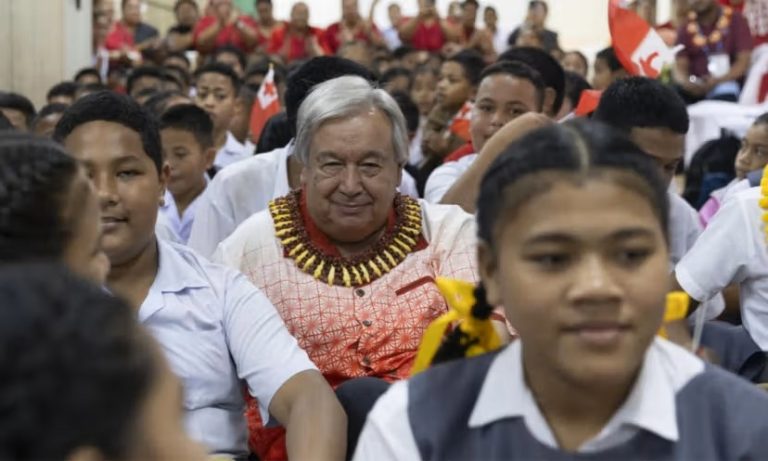
Dirk Wagener, the UN Resident Coordinator for Fiji, Solomon Islands, Tonga, Tuvalu, and Vanuatu, announced this week that funding for Pacific programmes comes from a separate pool and remains secure, despite the UN facing a record shortfall in its core budget.

It follows a warning from UN Secretary General António Guterres that the organisation is at risk of “imminent financial collapse” after member states failed to pay billions of dollars in mandatory contributions.

Wagener said the UN’s work in the Pacific, spanning 32 agencies with a combined budget of around US$327 million, is funded differently from the UN’s regular budget.

“They fund those agencies either through voluntary core contributions or through specific contributions they make earmarked to projects and specific initiatives,” Wagener said.

Pacific leaders have long warned that global funding systems are not working for small island states.

Speaking at the UN General Assembly, Vanuatu’s Permanent Representative, Odo Tevi, said climate impacts were “pushing our countries backwards”.

He said Pacific nations needed “predictable and accessible finance” to respond to growing risks.

At the UN Ocean Conference, Palau’s Minister of Agriculture, Fisheries and the Environment, Steven Victor, said: “While we lead globally in safeguarding our marine resources, Pacific Island Countries remain among the least supported in doing so.”

Wagener’s reassurance comes as the UN’s financial crisis intensifies. In a letter sent to all 193 member states, Guterres said countries now owed a record US$1.6 billion, warning that the shortfall is threatening the organisation’s ability to operate.

“The United Nations is at risk of ‘imminent financial collapse’,” Guterres wrote, saying the crisis was “deepening, threatening programme delivery”, and that money could run out by July.

He said 77 percent of assessed contributions had been paid in 2025, leaving the highest unpaid total in the organisation’s history.

“I cannot overstate the urgency of the situation we now face. We cannot execute budgets with uncollected funds, nor return funds we never received,” Guterres wrote.

He said the UN was being hit by a “double blow” from a financial rule requiring it to return unspent money to member states, even when the funds were never paid in the first place.

“Just this month, as part of the 2026 assessment, we were compelled to return US$227m funds we have not collected,” the letter said.

“The bottom line is clear,” Guterres added. “Either all member states honour their obligations to pay in full and on time or member states must fundamentally overhaul our financial rules to prevent an imminent financial collapse.”

The crisis has been driven in large part by the United States, the UN’s largest contributor, which has refused to pay into the organisation’s regular and peacekeeping budgets and has withdrawn from dozens of UN agencies.

Other countries, including the United Kingdom and Germany, have also announced cuts to foreign aid.

At UN headquarters in Geneva, cost-saving measures have become visible, with heating turned down and escalators regularly switched off.

Across the world, the impact is already being felt. The UN’s human rights office has warned that serious violations may go undocumented due to a lack of funds.

In Afghanistan, the UN Population Fund has closed mother and baby clinics, while the World Food Programme has cut food rations for refugees fleeing the conflict in Sudan.

Despite the global strain, Wagener says Pacific communities should not expect disruptions to UN support in areas such as climate resilience, health, education and disaster response.

He says UN agencies in the Pacific remain focused on delivering programmes on the ground, even as the wider organisation faces one of the most serious financial threats in its history.

U.S-Tonga relations remain “strong” despite new US visa bond rules, Crown Prince says

0

The Tongan government says bilateral relations with the United States remain robust despite new U.S visa requirements that will affect Tongan passport holders from later this month.

Crown Prince Tupouto’a ‘Ulukalala, Minister for His Majesty’s Diplomatic Services, told reporters on Friday that cooperation with the United States continues “to progress well” even as nationals face increased financial and procedural hurdles to travel. The comments were made at the first press briefing of the new Cabinet.

The United States has expanded its visa bond pilot programme to include more countries, requiring some applicants for B-1/B-2 visitor visas to post refundable bonds of up to USD$15,000 – a measure aimed at reducing visa overstays.

Tonga is among 38 countries now subject to these requirements, which take effect from 21 January 2026.

Prime Minister Lord Fakafanua said the inclusion of Tonga in the programme reflects statistical overstay rates rather than a deterioration in diplomatic relations.

“This directive does not arise from a fault in our diplomatic relations but rather a decision by the U.S government in a move to strengthen border safety,” he said.

The Crown Prince acknowledged that the Ministry has not yet released a formal statement on the issue, noting that further “private discussions” are underway.

Lord Fakafanua confirmed he has invited the U.S Secretary of State, Christopher Landau, to visit Tonga for high-level talks, and that the invitation has been accepted. The precise date of the visit will be discussed at an upcoming meeting in Hawaiʻi later this month.

Some Tongans have raised concerns that the bond requirements could restrict family travel and study opportunities, though officials have not publicly detailed any specific community impacts.

Discussions between Tongan officials and U.S counterparts are expected to continue as authorities seek clarity and possible mitigations.

Pacific at the centre of a changing global Tuna Trade, New FFA report finds

0

The Pacific Islands Forum Fisheries Agency (FFA) has released a new report examining current global tuna markets and trade trends in the Western and Central Pacific Ocean (WCPO).

The report highlights major changes in the international tuna industry and what they mean for Pacific Island countries and territories.

The report, ‘Tuna ‘Markets and Trade Dynamics: Western and Central Pacific Ocean’, shows that global tuna markets are undergoing significant change. These shifts are being driven by changing consumer demand, supply chain disruptions, inflation, geopolitical uncertainty, and growing sustainability requirements.

Tuna Markets Report highlights significant changes in global tuna markets and their impact on Pacific Island countries and territories.

Funded by the Japan Promotion Fund (JPF), the report provides up-to-date market and industry insights to help FFA Members better understand current conditions and emerging trends in the global tuna sector. It highlights the Pacific region’s importance as the source of more than half of the world’s tuna supply, while noting that much of the processing, trading, and retail activity still takes place outside the region, limiting value capture by coastal states.

Covering the period from 2022 to 2025, the report analyses global tuna industry and trade dynamics from the perspective of Pacific Island countries, which supply more than half of the world’s tuna and play a leading role in sustainable fisheries management. It finds that global tuna markets are becoming more competitive and volatile, shaped by shifting consumer demand, rising sustainability and traceability expectations, and external pressures such as climate impacts, fuel and logistics costs, and geopolitical uncertainty.

While large multinational firms continue to dominate processing, branding, and retail markets, Pacific Island countries remain the cornerstone of the global tuna industry through their stewardship of WCPO tuna resources and regional management frameworks such as the Vessel Day Scheme.

This report examines recent industry and trade dynamics in the WCPO tuna fishery between 2022 and 2025, with a focus on major global firms, emerging Asian players, Pacific-led initiatives, and evolving environmental, social, and governance (ESG) and trade trends. It finds that the global tuna industry is increasingly competitive and shaped by price volatility, shifting consumer demand, sustainability and traceability requirements, and external pressures such as climate impacts, fuel and logistics costs, and geopolitical uncertainty.

Large multinational firms remain dominant through vertical integration, branding power, and strategic investment decisions, while Chinese and Philippine companies continue to expand their influence across fishing, processing, and trading.

The report underscores that Pacific Island countries hold their greatest leverage at the point of resource ownership and access, where regional cooperation has successfully secured value from the fishery with relatively low risk. It cautions that expanding into harvesting and onshore processing can expose countries to high commercial and financial risk in a highly competitive global value chain, particularly where scale, market access, and branding power are limited. Instead, the report highlights Pacific-led pathways that build on existing strengths, including sustainability leadership, traceability, and strategic market engagement, as more effective routes to increasing economic returns, strengthening bargaining power, and supporting long-term development outcomes for Pacific peoples.
FFA Director-General Noan David Pakop said the report underscores the importance of evidence-based decision-making.

“These insights help our Members understand how global developments are shaping the Pacific tuna industry. They support better planning to manage risks, identify opportunities, and secure long-term economic benefits from sustainably managed tuna resources,” Pakop said.

The report provides useful context for policymakers, fisheries managers, and industry stakeholders as the region responds to a rapidly changing global seafood market while safeguarding the sustainability of tuna stocks. It builds on earlier FFA market studies and supports regional initiatives such as the East New Britain Initiative (ENBi).

The report forms part of FFA’s ongoing work to provide Members with timely market intelligence and practical analysis, to strengthen the region’s collective position in global tuna trade.