Home Blog Page 108

U.S Congressional commission warns China’s Pacific infrastructure projects could pose a military threat

0

Chinese-funded infrastructure projects across the Pacific Islands may appear civilian on the surface but could provide future military access for Beijing, senior members of a bipartisan congressional advisory commission warned in an exclusive interview with Fox News.

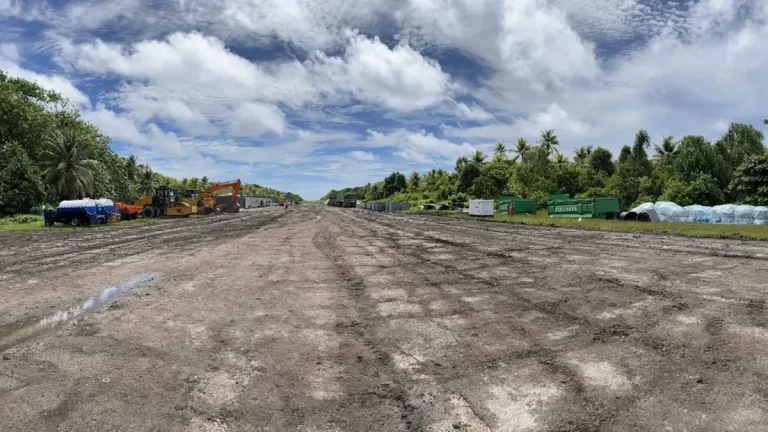
Senior members of the U.S-China Economic and Security Review Commission said runways, ports and other facilities financed by the People’s Republic of China are often “dual use” and part of a broader strategic pattern that blends economic investment with long-term security objectives.

“When you see a broader trend of militarisation of the region… you see a lot of activities that suggest there are at least some security and military-related interests involved,” Commission chair Randall Schriver said.

“Even if it’s declared for civilian use… it is by its very character dual-use and could be used for military purposes.”

Schriver warned that China’s investments in the Pacific should not be viewed in isolation.

“We know that China is very ambitious. We know that even civilian infrastructure projects often have strings attached,” he said. “In many instances, those involve access for the Chinese military.”

Commission Vice Chair Michael Kuiken said Beijing frequently pairs infrastructure financing with financial leverage.

“There’s a cycle of debt diplomacy here,” Kuiken said. “China loads these islands up with debt and then uses their position of weakness to gain access… to build runways, to do things with respect to ports.”

“It’s a cycle that we see over and over again,” he added, calling it “a flywheel of debt diplomacy. There’s a vicious rinse-and-repeat cycle here. And whether it’s Taiwan, Palau, Micronesia or the Solomon Islands, it is a playbook that the Chinese go back to every time.”

Schriver acknowledged Washington was slow to recognise the security implications of China’s expansion in the region.

“In a word, yes,” he said when asked whether the U.S reacted too slowly.

He noted the timing coincided with major U.S military investments in Guam, even as Chinese projects advanced nearby.

“While this was happening, the Chinese were making inroads in the Pacific Islands… with great proximity to Guam,” he said, describing the island as central to U.S logistics and combat operations.

Asked what would signal a shift from civilian infrastructure to operational military use, Schriver said some warning indicators are already visible.

“The practice of undersea cable cutting… has been very provocative,” he said, describing it as activity that could be tied to military contingencies.

He also warned that visible deployments of Chinese military aircraft to Pacific facilities would mark a major escalation, citing a pattern previously seen in the South China Sea.

“We’ve seen a particular pattern that wouldn’t surprise us at all to see in other parts of Oceania,” Schriver said.

Kuiken urged lawmakers to increase scrutiny and transparency. “The thing members can do most easily is just ask the intelligence community for imagery and for intelligence reports… raise the alarm, shine a light on it and expose the activities,” he said.

Kuiken also revealed a future hearing focused on undersea infrastructure and security risks in the region.

“Data is the lifeblood of the global economy these days,” he said. “Those cables are a vital source of information… and those are really quite aggressive actions and need to be exposed.”

The commission has proposed a broader U.S response, including increased Coast Guard cooperation and expanded support for Pacific Island nations to strengthen resilience against security threats and economic pressure.

Schriver referenced a “Pacific Island Security Initiative” recommendation aimed at combining economic, law enforcement and defence engagement.

Kuiken described the approach as “a layered cake.” “We want there to be a civilian aspect… a law enforcement piece… and a military piece,” he said.

“You sort of need to do all of them in order to really be effective and really to combat the influence of the Chinese in this space,” said Kuiken.

Tokelau general election results returned

0

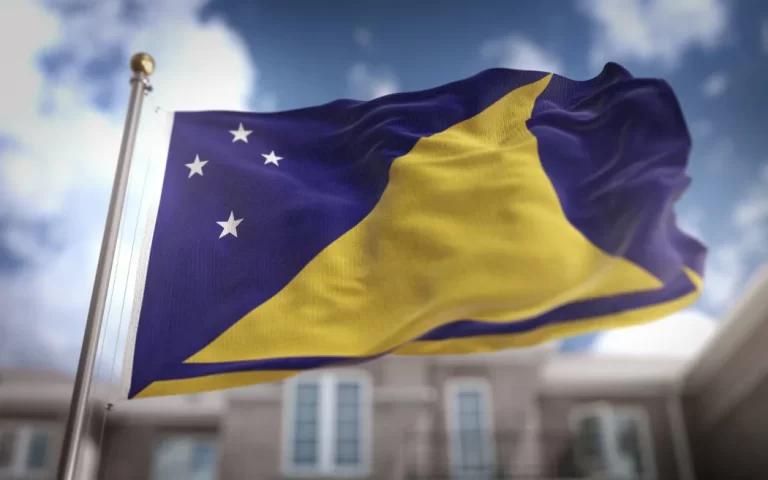
The results of the 2026 Tokelau general election have been returned, after voters went to the polls last Thursday. The results were announced by Tino Vitale, the General Manager for Tokelau’s National Office in Apia.

Voting took place on Nukunonu, Atafu, Fakaofo and also in Apia, to assist the number of Tokelauan voters who live in Samoa.

The position of the Ulu o Tokelau, Head of Government, rotates among the three Faipule, the elected leaders of each of the three atolls.

The next Ulu o Tokelau, Alapati Pita Tavite of Nukunonu, will assume that role next month when the Fono Fakamua, Tokelauan Parliament, meets. He replaces Esera Fofō Tuisano, the current Ulu o Tokelau.

The 2026 general election results are:

Atafu
Faipule: Kelihiano Kalolo
Pulenuku: Malala Lafaialii
Hui Taupulega 1: Tile Elia
Hui Taupulega 2: Stanley Lopa
Hui Taupulega 3: Heluka Sirila
Hui Taulelea: Tepapa Tom Ioane
Hui Fatupaepae: Latu Lopa

Nukunonu
Faipule: Alapati Pita Tavite
Pulenuku: Petelo Patelesio
Hui Taupulega 1: Aleki Sakalia
Hui Taupulega 2: Viliamu Iosefo
Hui Taulelea: Tufala Tavite
Hui Fatupaepae: Suliana Pahina

Fakaofo
Faipule: Esera Fofō Tuisano
Pulenuku: Feleti Tulafono
Hui Taupulega: Kaio Isaako
Hui Taulelea 1: Palelei Sili
Hui Taulelea 2: Tulafono Tulafono
Hui Fatupaepae 1: Malia Pue
Hui Fatupaepae 2: Elisapeta Helepa Vavega

The election coincides with a historic anniversary for Tokelau, 100 years since Tokelau became a territory of New Zealand.

Fiji yet to decide on Gaza stabilisation force invitation

0

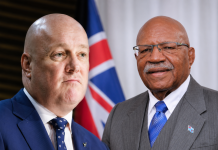
Fiji’s Minister for Defence Pio Tikoduadua has clarified that Fiji has not yet made any commitment to participate in an international stabilisation force for Gaza, saying the country has only received an invitation.

In a statement posted on social media, Tikoduadua moved to address public discussion around Fiji’s possible involvement, stressing that no response has been given at this stage.

“Let me be clear: Fiji has only received an invitation to be part of the Gaza international stabilisation force. We have not yet responded,” he said.

The minister added that the government’s position would be confirmed after due consideration.

“The Fijian government’s position will be made in the coming days,” Tikoduadua said.

His comments come amid growing regional and international focus on post-conflict security and humanitarian stabilisation efforts in Gaza, with several countries being approached to potentially contribute personnel.

There have been calls to keep Fijian troops in Fiji to fight the drug pandemic.

The Fijian government has not provided further details on the nature of the invitation or the scope of any potential deployment, but officials have previously indicated that Fiji weighs such requests carefully, taking into account national interest, constitutional processes and the safety of its personnel.

New Plastics Treaty Chief means negotiators ‘Can get back to work’

0

UN member states have elected Julio Cordano as the next chair of the Intergovernmental Negotiating Committee (INC) on Plastic Pollution.

He replaces Luis Vayas Valdivieso (Ecuador) and officially start his role on 07 February.

His first order of business will be resuming the plastic treaty negotiations, which came to a halt last year.

Nicholas Mallos, vice president of Ocean Conservancy’s Ending Ocean Plastics program, issued the following statement in response:

“We are encouraged by the election of the newest UN plastics treaty chair, an essential step toward reviving the stalled international plastic treaty negotiations. Now, we can get back to work on delivering an ambitious agreement that addresses plastic pollution in all its forms–from its fossil fuel origins to marine litter.

“A strong plastics treaty must include meaningful reductions in plastic production, especially of single-use plastics; efforts to address abandoned, lost or otherwise discarded fishing gear – known as ghost gear – that traps and kills wildlife; and a robust funding mechanism to ensure the treaty can be carried out, especially supporting the countries most impacted by plastic pollution,” he said.

Cook Islands reports first dengue fever death amid increase in outbreak

0

The Cook Islands has reported its first dengue-related death, amid a significant increase in cases, and reminders to tourists to stay safe.

The country’s health ministry said an elderly patient with underlying conditions had arrived at hospital late in the disease’s progression and died on 02 February.

Authorities have now announced Operation Namu-26 to raise awareness and promote prevention.

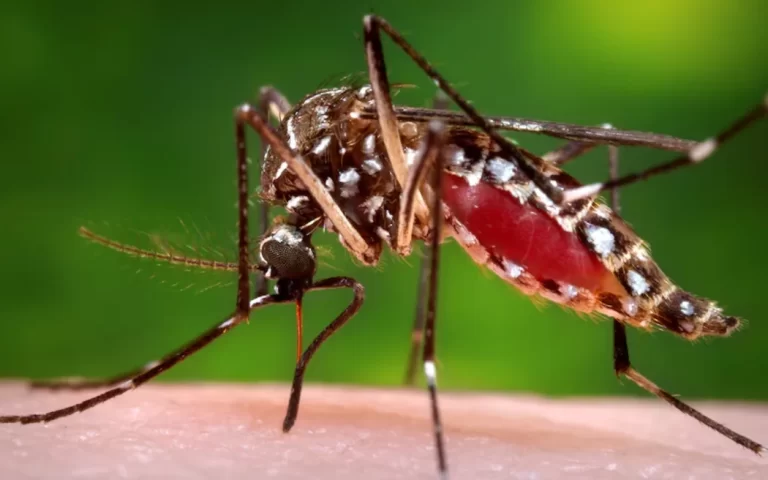
Dengue is a virus passed between people by mosquitos, and Operation Namu-26 will include an increase in insecticide spraying work on the affected islands, as well as a nation-wide clean up to reduce places where water could pool and mosquitos could breed.

The Cook Islands declared a dengue outbreak in May 2025, and more than 500 cases have been recorded there since.

In New Zealand, 86 people had been reported to have contracted dengue, with 75 of those cases connected to travel to the Cook Islands.

A senior health protection officer told RNZ Pacific that New Zealand had also reported 40 suspected cases of dengue since May, in visitors returning from the Cook Islands.

There had been “a significant increase in dengue cases on Rarotonga at the end of December 2025, and again at the end of January 2026”, the Cook Islands health ministry said.

Cases had been found on the islands of Rarotonga, Aitutaki, Atiu, Mauke and Mangaia.

Tourist companies would be providing dengue prevention items to visitors and spraying on their properties following the ministry’s guidelines, it said.

Anyone experiencing flu-like symptoms, headache, joint or muscle pain, or rash should “seek urgent medical attention immediately …so that timely care can be provided”.

New Zealand clinician and University of Auckland lecturer Dr Maryann Heather recently told RNZ that one in four people infected with dengue get sick.

Symptoms include headaches, pain behind the eyes, abdominal pain, nausea, vomiting, muscle pain, joint pain, skin rash, lethargy, tiredness, and high fever, and can be severe. The disease can be more dangerous for young children and elderly people.

“If you aren’t improving or concerned, you should seek medical attention, especially if you think you have dengue fever after returning from the islands.”

“It’s crucial to educate and warn people travelling back to the islands so they are aware that dengue fever is present, especially since it is seasonal, said Heather.

“Violent, often disproportionate repression” in New Caledonia

0

By Nic Maclellan

France’s national human rights body has detailed violations of human rights and “violent, often disproportionate repression” by French security forces during the 2024 crisis in New Caledonia, which pitted Kanak protestors against thousands of French gendarmes and police. Meanwhile, deep underlying disagreements over the future of the French dependency seem as far as ever from resolution.

The report on the May–November 2024 conflict by the Commission Nationale Consultative des Droits de l’Homme, or CNCDH, released last week, found “a worrying weakening of fundamental human rights, affecting the Kanak population in particular.” It pointed to “persistent structural discrimination, significant social inequalities and a questioning of the self-determination process implemented by the government.”

The 2024 unrest was sparked by French president Emmanuel Macron’s late-2023 proposal to transform the electoral rolls for New Caledonia’s provincial assemblies and Congress. The changes, which would have added thousands of French voters to the territory’s electoral rolls, angered independence supporters, mainly indigenous Kanak, who organised months of peaceful rallies, vigils and meetings in opposition.

Former French high commissioner Louis Le Franc and other officials seem to have misjudged the level of anger about this unilateral change, decided without a consensus of leaders in Noumea. In March 2024, Le Franc told visiting French parliamentarians that “the independence movement, just like the Loyalists, are no longer able to mobilise as they did before. Their mobilisation will not exceed a few hundred people on each side, but we will be able to manage.”

Just weeks later, on 13 April, an estimated 30,000 people marched through the capital, waving the flag of Kanaky, during a rally organised by the CCAT network and independence coalition Front de Libération Nationale Kanak et Socialiste, or FLNKS. On the same day, an anti-independence Loyalist counter-rally drew 15,000-plus protestors, many of them waving the bleu-blanc-rouge French tricolour. The size of the two rallies was unprecedented in a country of just 268,000 people.

Trouble was clearly brewing. In late April 2024, I reported that “in coming months, further protests will convulse New Caledonia.” I was wrong — the crisis began in weeks, not months.

When Macron’s legislation reached the French National Assembly on 13 May, riots erupted across Nouméa and in nearby towns. Dodging teargas, flash-balls and police truncheons, protestors from the squatter settlements and public housing towers mobilised on the streets. Authorities responded with an overnight curfew, a state of emergency and, in a vain attempt to halt social media mobilisation, a shortlived ban on TikTok.

Le Franc urgently sought more police from Paris, but their rapid deployment was complicated by France’s massive security operation for the 2024 Olympics and Paralympics. In a 2025 court case, government lawyers acknowledged that “in the days leading up to 13 May, the high commission repeatedly warned the interior ministry. The warnings were ignored, as it was essential not to disrupt the organisation of the Olympic Games. There were only 500 to 800 police officers and gendarmes, a historically low number.”

As rioting expanded after 13 May, further deployments were hampered when protestors repeatedly blocked the fifty-five-kilometre road from central Noumea to the international airport at Tontouta. With no safe route to the airport, hundreds of tourists were evacuated by Australian and NZ military aircraft using the shorter domestic airstrip at Magenta.

Supermarkets and shops were looted, and roadblocks and barricades sprang up in Noumea and surrounding towns. Young protestors torched the Renault and Porsche dealership in Magenta, a striking symbol of the enormous economic inequalities in the French colony.

New Caledonia’s capital combines luxury apartments, tourist hotels and yacht harbours with peri-urban squatter settlements housing thousands of mainly Kanak and Wallisian islanders. As the CNCDH report explains, “these inequalities, which are significantly more pronounced than in mainland France, mainly affect the Kanak people, a significant proportion of whom live below the poverty line.” The result is very high unemployment among the Kanak population, especially young people and women. “Racial discrimination, deeply rooted in New Caledonia’s colonial history, exacerbates social inequalities,” said the report.

Social and cultural polarisation worsened in subsequent months. By year’s end, fifteen had died, hundreds had been injured and more than 2500 arrested. The economic damage was enormous: businesses were burnt out or shuttered, tourism, nickel smelting and other key industries foundered, and New Caledonia’s 2024 gross domestic product fell 13.5 per cent. Schools closed and the health sector suffered cutbacks to crucial medical services as French doctors, nurses and medical specialists fled the islands.

The initial failures of French security forces were highlighted last year, as the insurance company Allianz sued the French State over the destruction of businesses in the Kenu-In commercial complex between 15 and 17 May 2024. The shopping centre was looted and torched during nearby clashes between Kanak rioters and police.

During the subsequent case, the court was told of an internal report in which the gendarmerie commander in New Caledonia admitted a “mobile gendarmerie squadron and a GIGN unit were deployed, before being immediately withdrawn,” even though their mission was to protect Kenu-In. Having found the French State was “aware of the inadequacy of its security measures” in late May, the court ordered the government to pay €28 million (AUD$48 million) in compensation, a worrying legal precedent for Paris given hundreds of businesses were damaged and closed during the crisis.

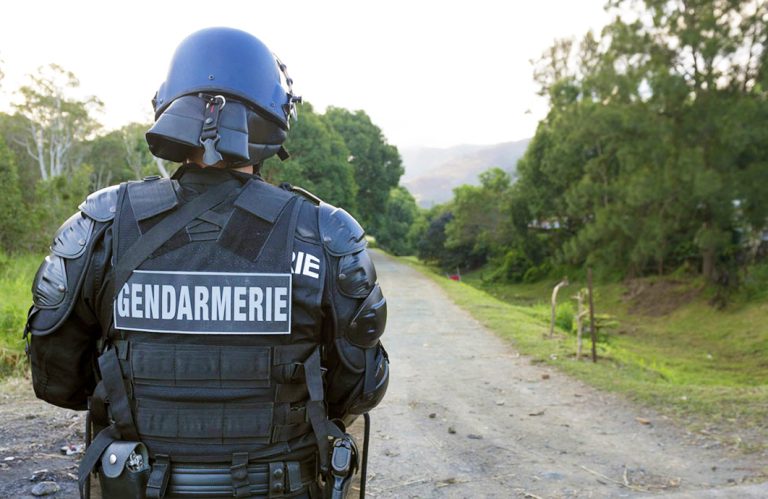
Within weeks of the start of rioting, a total of 3000 gendarmes and police officers had been deployed, supported by CRS riot squads from the Compagnies Républicaines de Sécurité, officers of the SDAT Anti-Terrorist Sub-Directorate, and nearly 150 elite GIGN paramilitary soldiers. As part of the Gendarmerie Nationale, the GIGN describes itself as “a unit dedicated to counterterrorism, extreme crisis management, the fight against organised crime as well as the security and protection of the vital interests of the French State.”

On 15 May, a day when four people were killed by gunfire, the security forces suffered their first death. French gendarme Nicolas Molinari was shot near Saint Louis tribe, on the outskirts of the capital (Three people have now been charged over his death.) Molinari was one of two gendarmes killed during the 2024 crisis; the other was accidentally shot dead by a fellow officer.

In response to Molinari’s death, elite GIGN forces mobilised against a small group of armed independence activists in the Kanak tribe, the site of ongoing armed clashes. French forces established roadblocks near Saint Louis, banning vehicle movement and restricting access to basic goods, gas bottles or jerrycans of petrol. All men, women and schoolchildren were searched as they entered or left the tribe, and any without ID were turned back.

As gendarmes sought to clear the road to the outlying town of Mont Dore, where the community was isolated for months, GIGN sharpshooters killed three Kanak at Saint Louis: Rock Victorin “Banane” Wamytan in July, and Samuel Moekia and Johan Kaidine on 19 September. Calling for an independent investigation into the deaths of Moekia and Kaidine, the FLNKS condemned “the barbaric and humiliating methods used by the police, who did not hesitate to carry out a summary execution of one of the young people in question.”

As the crisis spread, anti-independence politicians and many non-Kanak New Caledonians, stunned by the protesters’ anger and resistance, called for police to respond with a massive show of force. In July, the freighter Calao carried Centaure armoured cars, trucks and other vehicles from Toulon in France to support police operations, their unloading captured in a striking video by dockworkers.

By September, forty-one police and gendarmerie units had been deployed, with more than 6000 personnel on the ground. The gendarmes were provided with helicopters, logistic and technical support from French military forces based in New Caledonia.

Throughout these months, church and community leaders called for an end to violent protests by young Kanak, while also criticising the excessive use of force and intimidation by security forces. They were worried that police, angered by the deaths of two gendarmes, would lash out against Kanak youth with extra-judicial acts.

The French high commission and public prosecutor, meanwhile, were angered by criticism of police tactics by the media, UN rapporteurs and human rights organisations like Amnesty International. Many journalists — including this correspondent — were denounced by the French high commission for “fake news” after they reported on police violence against Kanak communities and the spillover effects on non-combatants.

Yet the CNCDH, after months of inquiry, bluntly concludes that “the responses from public authorities have been essentially ‘repressive,’ relying on administrative policing measures, massive intervention by law enforcement agencies, exceptional judicial measures and measures at the local level perceived as collective punishment.”

Other lawyers and human rights advocates have documented how security forces breached their own regulations as they tried to control the colonial situation far from France. An August 2024 statement by UN human rights rapporteurs raised concern over “the absence of dialogue, the excessive use of force, the ongoing deployment of military forces and the continued reports of human rights violations.” They criticised the “exclusively repressive and judicial approach” to the crisis that is “not only anti-democratic, but deeply worrying for the rule of law.”

In its regular review of French policy in May 2025, the UN Committee Against Torture expressed concern “about allegations of excessive use of force, including lethal force, by police officers and gendarmes as well as by the armed forces that were deployed to New Caledonia in May 2024.”

French authorities have dismissed the UN criticisms by highlighting the use of firearms by activists at Saint Louis, the stoning of riot police by youth on the barricades and hundreds of officer injuries. Gendarmerie general Nicolas Matthéos said that he has “never seen such a level of violence and adversity” in his thirty-year career.

Yet the UN concerns are echoed by the CNCDH, which declares “the clashes led to violent, often disproportionate repression by the police, particularly in the Southern Province and more specifically against the Kanak people.” It cites “numerous testimonies that have indicated severe physical violence, including against minors, as well as deliberate destruction of property, all of which are disproportionate practices. A militarised police intervention involving armoured vehicles and firing from helicopters at civilians attempting to flee has also been reported.”

Back home in France, the French police have a reputation for militarised policing, and a long tradition of using tear gas and flash-bang grenades during protests by the Gilets Jaunes (yellow vest) movement, farmers, unionists and Palestine supporters. Human rights groups have documented a range of injuries caused by these grenades, including people losing a hand or eye.

Yet authorities weakened restrictions on the use of such grenades in late June 2024, although the relaxation only applied to forces operating in New Caledonia. Existing regulations restricted use the GML2L tear gas and flash-bang grenade to a specific launcher, but interior minister Gérald Darmanin’s office quietly informed the heads of France’s National Police and Gendarmerie that the grenade could be thrown by hand, leading to their being tossed into houses and enclosed spaces.

Police also trialled new riot control equipment during the unrest, adding new technology and infrared cameras on the Centaure armoured cars. The newspaper Politis reports that French authorities purchased weaponry classified as “war materials” at the start of the conflict. These included new launchers that could rapidly fire twelve gas grenades over distances up to 200 metres.

The CNCDH report also highlights discrimination in the court system and “unacceptable conditions” in New Caledonia’s prison Camp Est, where hundreds of protestors were held on remand. French authorities acknowledge that, by year’s end, 2528 people had been taken into custody with more than 500 brought before a magistrate. Fifty-eight per cent of detentions related to property offences, and around one in ten of those held were minors.

The influx of hundreds of new prisoners on remand exacerbated the already unacceptable conditions in the Camp Est prison, in facilities long acknowledged as “deplorable” by French authorities.

“The events of 2024 highlight a long-standing and persistent situation,” says the CNCDH. “Although Kanak represent around 43 per cent of the New Caledonian population, they make up between 90–95 per cent of those imprisoned at Camp-Est… This disparity is all the more striking given that, at the same time, Loyalist armed militias — which have been widely publicised and implicated in acts of violence — have not, to date, been subject to any known legal proceedings.”

In June 2024, key Kanak leaders were flown to France in handcuffs on military aircraft, to be charged with serious crimes. They were held in solitary confinement for pre-trial detention, in prisons scattered across France. Over time, French investigating judges abandoned most of the serious charges, and the detained Kanak – including current FLNKS president Christian Tein – were eventually released from detention, later returning to New Caledonia.

The CNCDH report criticises the breach of human rights in these transfers and eventual release, noting “some transfers to mainland France allegedly violated the rights of the legal defence and took place in complete secrecy, even from relatives. The release of certain individuals detained on French mainland territory, 17,000 km from their homes, without winter clothing or return tickets, only reinforced a feeling of humiliation that was detrimental to the perception of justice.”

More than a year after the end of clashes, the French State and local leaders are again debating a new political statute for New Caledonia. But two key texts, the Bougival Accord negotiated in July 2025 and the supplementary Elysée-Oudinot Accord in January 2026, are opposed by the main independence coalition, FLNKS. As France again moves to translate these agreements into law without consensus among leaders in Nouméa, some New Caledonians fear more conflict later this year.

New Caledonia’s current gendarmerie commander General François Haouchine confirmed last month that fifteen squadrons of mobile gendarmes from France were still deployed in the islands, alongside 1200 local gendarmes and police. He also said that “the director-general of the National Gendarmerie keeps five mobile gendarmerie squadrons on permanent standby, ready to be deployed to New Caledonia in case of emergency or necessity.

New Zealand and South Africa add Perth gold to their HSBC SVNS collections

0

New Zealand beat Australia in the showpiece match for a third time this season to claim a four-point lead in the HSBC SVNS Series league table as they added the Perth title to their Dubai and Singapore crowns.

Despite the 29-7 scoreline, their final victory was not as dominant as their win last week in Singapore, as defending champions Australia put up a fight but two tries either side of the break for Player of the Final Kelsey Teneti handed the Black Ferns Sevens an advantage they were never going to give up.

An emotional Teneti told Rugbypass TV pitchside immediately after the final: “It’s more than just a game. We carry our wahine and our country on our shoulders, so to go back-to-back really means a lot. “We know Australia are an amazing team. It can go either way, but we just tried to the basics right. We’re literally just sisters!”

Captain Risi Pouri-Lane said: “We’ve been coming here three years now, and had some heartbreaks over those years. To still turn up even when it’s hard, even when you’re hurting, even when it’s been a long tour. I’m really proud of the girls.”

And Stacey Waaka added: “It’s been three years in the making for this win, so we’re stoked to finally get this one. It’s been an awesome tournament because we have lots of family in the crowd, so we treat it like it’s our home crowd. We’re just really proud of the girls and their efforts to pull through, [they’re] such a young team. I’ll be a part of that ‘youngness’ too, even though I’m one of the older ones!”

France, meanwhile, beat USA in a hard-fought bronze final, Hawa Tounkara’s late try enough to seal the victory at the end of a lung-busting second half.

In the men’s tournament South Africa toughed out an intense and hard-fought final against Singapore champions to claim a first Australian title in more than a decade to add to the Cape Town crown they won in early December.

After streaking into an early lead, the Blitzboks were pegged back before player-of-the-final Ryan Oosthuizen muscled his way through three defenders to the tryline for the decisive score.

“[I’m] very happy with our performance,” he said immediately after the final. “Fiji is always a battle, and today definitely delivered. I’m super-proud of my team. We fought for one another and that’s the Blitzbok standard we set for each other.”

Looking back on his crucial second touchdown, he added: “I’m always very happy to make an impact and luckily for me it worked out. I’m not the fastest guy so sometimes i need to run over people!”

South Africa’s captain Siviwe Soyizwapi added: “We worked so hard to replicate what we did in Cape Town. We lost a few key figures in our team in crucial positions — and so the youngsters had to step up.

“It took a week for them to play at their full potential, to get their confidence and play out of their socks, so coming into Perth, I think they hit the sweet spot and we’re really happy with how far they’ve come and how well the team just grew over each game that we played together. Getting the win is just a cherry on top.”

Earlier, Australia claimed third in the first Trans-Tasman encounter of finals day, Josh Turner scoring the crucial try as they came from behind to win a fiery encounter 12-10.

The draw for the next leg of the HSBC SVNS Series in Vancouver took place on the sidelines of the post-tournament celebrations in Perth.

Women’s Dubai, Singapore and Perth champions New Zealand have been drawn against France, Japan and Great Britain in Pool A in Canada, while Cape Town winners Australia face a stiff challenge against USA, Canada and Fiji in Pool B

In the men’s competition, newly crowned Perth champions South Africa will play New Zealand, Spain and Great Britain in Pool A. Beaten finalists Fiji, meanwhile, are in a tough Pool B, which features Australia, Argentina and France.

Cocaine-linked vessel departs Cook Islands after ‘necessary remedial work’

0

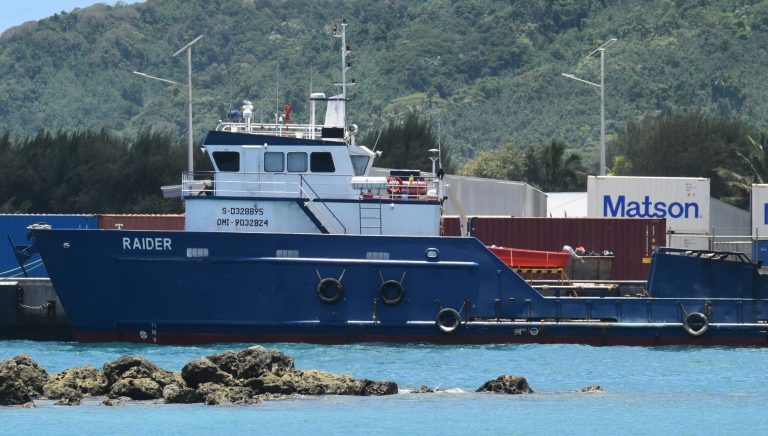
The vessel, which was intercepted with tonnes of cocaine before arriving in Rarotonga under a distress call for engine repairs, departed Avatiu Port on Tuesday.

Responding to questions from Cook Islands News, the island country’s Customs confirmed that the MV Raider departed Rarotonga on Tuesday afternoon, “after completing the necessary remedial work and receiving vessel and crew provisions”.

“The vessel is being monitored until it leaves Cook Islands EEZ (Exclusive Economic Zone),” Customs added.

The vessel entered Rarotonga waters late last month, a week after it was intercepted by the French Navy with 4.87 tonnes of cocaine on board. French authorities released the vessel and its crew after seizing a shipment of drugs reportedly bound for Australia.

The multi-purpose offshore vessel, sailing under the flag of Togo, was seen sheltering on the south side of Rarotonga during adverse weather early last week before being docked under “24-hour security” at Avatiu Port.

In a query to Customs, Cook Islands News requested details on the repair works and asked whether an investigation involving the crew had been conducted. The newspaper sought the findings of any such probe, information on regional support received and key lessons learned from the incident.

“During its stay, border agencies carried out standard compliance procedures and received support from regional partners, including New Zealand and Australia, highlighting the value of regional cooperation and information sharing,” Customs responded.

“This incident demonstrates the importance of Cook Islands Border Agencies managing the situation to protect the community, while also upholding international obligations in responding to vessels and their crew in distress. It reinforced the need for strong coordination, preparedness and readiness in managing complex maritime situations.”

Cook Islands Customs earlier stated that border agencies conducted border security search following the arrival of the vessel at Avatiu Harbour on January 24 and 2nothing was found”.

The captain and crew were also questioned. The vessel has 11 crew members, consisting of Honduran and Ecuadorian nationals. The crew were allowed brief onshore access “to obtain essential provisions under supervision”.

On Tuesday, a Pacific regional security expert warned that a lack of investigation into the vessel may hamper cross-border efforts to track and map criminal drug networks.

José Sousa-Santos, associate professor of practice and head of the University of Canterbury’s Pacific Regional Security Hub, said the French law enforcement was responsible for the investigation as the apprehension took place in French Polynesian waters.

“This tactic is not one normally adopted in the region however it may have been done to lessen the cost and demands on the judicial system in French Polynesia,” he told Cook Islands News.

“Unfortunately, it does complicate further investigations under other jurisdictions that may be interested in pursuing surveillance and mapping of these criminal networks,” he said.

Cook Islands and U.S establish strategic framework for critical minerals research and supply chain security

0

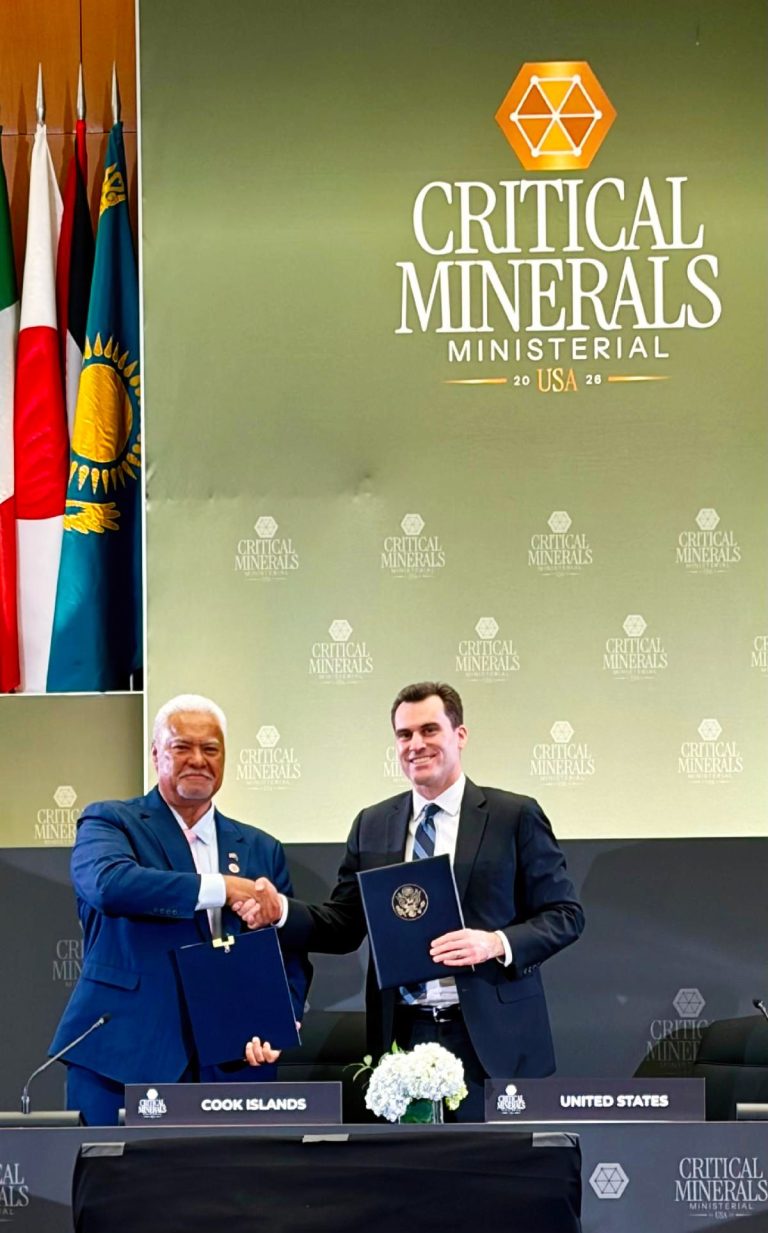
The Cook Islands and the United States have agreed a non-binding Framework for Engagement and Cooperation to strengthen supply chains for critical minerals and rare earths, including cooperation relating to deep-sea minerals.

The framework establishes a structured basis for collaboration across research, exploration, investment facilitation, processing, and supply chain development. It recognises the Cook Islands’ leadership in ocean governance and regulatory practice, while reaffirming the Cook Islands’ full sovereign control over its seabed minerals and decision-making.

The framework reflects a shared interest in building resilient and responsible critical minerals supply chains that are essential to modern technologies. It brings together complementary strengths, the Cook Islands’ robust regulatory expertise, environmental stewardship and resource endowment, alongside the United States’ market depth, technical capability and investment capacity, to support high-standard outcomes.

“This framework gives the Cook Islands options” Prime Minister Mark Brown, Minister for Seabed Minerals said.

“It establishes a platform for genuine collaboration, strengthens our strategic relationships, and ensures that any development occurs on our terms, under our laws, and in a way that delivers long-term value for our people and our partners.”

The Framework sets out a cooperative approach to:

*Establish a U.S–Cook Islands Working Group to coordinate engagement, share expertise and identify areas of mutual strategic interest

*Promote joint research, geological mapping and information sharing, drawing on the strengths of both countries

*Encourage responsible investment aligned with high environmental, social and governance standards
*Support the development of secure, diversified and resilient critical minerals supply chains

*Facilitate early-stage engagement between governments, investors and operators in both jurisdictions

*Enable cooperation on downstream opportunities, including processing, recycling and market access

The framework also provides a platform for dialogue on fair pricing mechanisms that reflect the real costs of responsible extraction and processing, supporting transparent, high-standard markets.

Importantly, all cooperation under the framework is undertaken in accordance with each country’s domestic laws and regulatory processes. For the Cook Islands, this includes strict environmental assessment and permitting requirements.

For the Cook Islands, the framework delivers several strategic benefits:

*Investment certainty and credibility: A formal framework with the United States reinforces international confidence in the Cook Islands’ robust regulatory regime and long-term policy direction.

*Stronger market connectivity: The Framework supports structured engagement with U.S public and private sector partners across finance, technology, and downstream markets, without pre-committing the Cook Islands to any specific project.

*Capability and knowledge exchange: Two-way cooperation on science, geoscience and regulatory practice supports domestic capability while contributing Cook Islands expertise to international best practice.

*High-standards leadership: The Cook Islands is positioned as a partner of choice for jurisdictions seeking responsible, transparent and environmentally robust approaches to critical minerals development.

*Strategic diversification: The Framework supports long-term economic resilience by creating options and partnerships, rather than short-term commitments.

The Cook Islands Government is clear about what this framework does not do:

It is not a mining licence, approval, or authorisation for any activity

It does not guarantee funding, investment, or offtake

It does not override or weaken Cook Islands environmental, permitting or regulatory laws

It does not commit the Cook Islands to extraction, production, or timelines

It is not legally binding and creates no enforceable obligations under domestic or international law

Any future exploration or mining activity within the Cook Islands EEZ would remain subject to existing legislation, strict environmental assessment, and independent regulatory decision-making.

ABG to establish Bougainville Bureau of Statistics, strengthening data-driven planning and governance

0

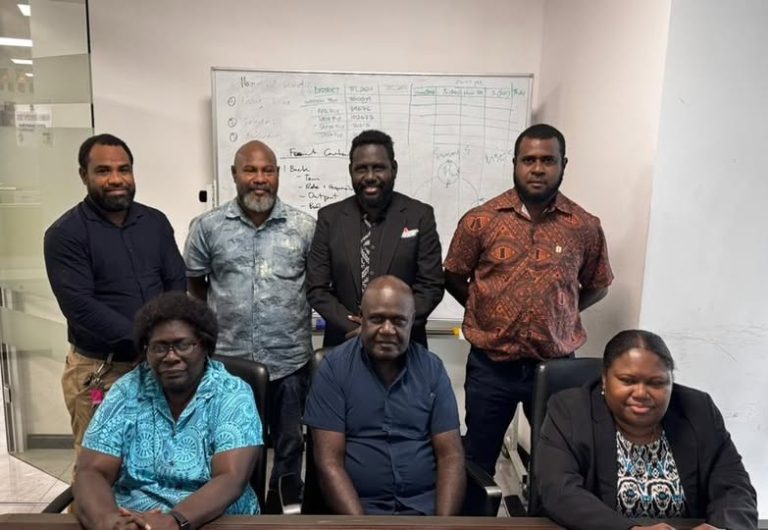
The Autonomous Bougainville Government (ABG) is progressing the establishment of a Bougainville Bureau of Statistics, a major step toward strengthening evidence-based planning, accountable governance, and institutional readiness.

Following a productive intergovernmental meeting between ABG officials and PNG’s National Statistical Office (NSO) where agreements were reached confirming the formal transfer of statistical powers through a Memorandum of Understanding (MoU).

The MoU planned to be signed later this month in Buka, will provide the legal and operational framework for Bougainville to assume statistical authority under the Sharp Agreement and the 2001 Bougainville Peace Agreement.

Dr Steven Kolova, Deputy Secretary for Strategic Planning and Policy Coordination in the Department of President and Bougainville Executive Council, led the ABG delegation.

The NSO was represented by Hajily Kele, Deputy National Statistician for the Population & Social Statistics Division (PSSD), and Rennie Moat, Coordination Manager for the Statistical Field Services Division (SFSD).

Dr. Kolova said the establishment of a Bougainville Bureau of Statistics will significantly improve government planning, service delivery and decision-making through reliable data and insights.

“In every nation, be it developed or developing, data and statistics play a significant role—a nation without data is a nation without direction,” Dr Kolova stated.

“As Bougainville advances toward greater autonomy, our ability to collect, analyse, and utilize reliable statistical information becomes fundamental to evidence-based policy making, effective resource allocation, and monitoring our development progress.”

He said the Department of President and Bougainville Executive Council is leading a phased approach to building statistical functions that will transition into a standalone Bureau of Statistics, ensuring long-term sustainability while maintaining national data quality standards.

“Quality statistics enable us to understand our population’s needs, measure economic performance, track social indicators, and plan strategically for our future. This is not merely a technical function—it is foundational to accountable, responsive governance that serves the people of Bougainville,” he said.

Officials were advised that legal review of the MoU is progressing well, with alignment to Part XIV of the National Constitution, the Organic Law on Peace-Building in Bougainville, and the Bougainville Constitution.

Under the proposed framework, the ABG will develop its own statistical legislation, supported by comprehensive capacity-building and institutional development assistance from the NSO.

“The National Statistical Office is committed to ensuring that Bougainville has robust, independent statistical capacity,” stated Hajily Kele.

“This partnership reflects our shared responsibility to ensure data-driven governance serves the people of Bougainville.”

Stay connected

529FansLike
172FollowersFollow
156SubscribersSubscribe
- Advertisement -