Home Blog Page 107

Fiji risks losing a generation to drugs, faith leaders warn

0

Fiji risks losing an entire generation to drugs if urgent action is delayed, church leaders and partners have warned, calling the growing crisis a threat to the nation’s survival.

Faith Harvest Centre Senior Pastor Manasa Kolivuso described the situation as a “matter of national survival,” saying the scale and spread of drug use now demanded immediate and decisive action.

“This demands a national response in a bigger and faster way,” he said.

His comments were made as national organisations, churches and international partners strengthened a coordinated response to Fiji’s escalating drug crisis, amid increasing pressure from international drug syndicates using the Pacific as a transit route.

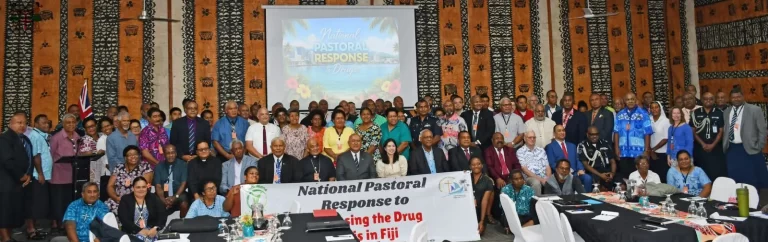
The renewed alliance was reinforced during the National Pastoral Response to Drugs workshop in Suva yesterday, where leaders agreed the drug problem could no longer be left to police alone.

Participants at the workshop said drugs were no longer confined to urban centres, but were spreading rapidly into villages and communities, deepening social and health risks across the country.

The coordinated response forms part of Fiji’s National Counter Narcotics Strategy 2023–2028, which promotes a balanced approach combining enforcement, prevention, treatment and rehabilitation.

United Nations representative Megumi Hara confirmed that methamphetamine remains the primary drug threat in the Pacific. She warned that organised crime groups continue to exploit the region’s geographic isolation and limited maritime surveillance.

Hara also highlighted the growing health impact of drug use, noting that in 2024 nearly half of those starting HIV treatment in Fiji reported injecting drug use.

Leaders agreed that without urgent, collective action involving families, communities, churches and state institutions, the drug crisis would continue to worsen, placing Fiji’s young people — and its future — at serious risk.

Meanwhile, the Government should deploy the military and introduce the death penalty to win the war on drugs, an investment consultant says.

Sandeep Singh told a counter-narcotics consultation in Suva that public consultations were wasting time while the country faced what he described as a drug pandemic.

“Why are you scared to put the military on the ground? I don’t care if somebody is killed to save hundreds of our younger generations,” Singh said at the forum at the Suva Civic Centre.

“The death penalty should be part of the law. Put the military on the ground and start the drug war.”

However, Republic of Fiji Military Forces Commander Major-General Ro Jone Kalouniwai confirmed last week that the military would not use firearms while supporting police drug operations.

He said the RFMF’s role was limited to logistical support, including transport, equipment and planning assistance for remote and maritime operations.

Singh questioned how Fiji, with a $4 billion (US$2 billion) national budget, could have between $2 billion (US$1 billion) and $3 billion (US$1.5 billion) worth of drugs seized in the country.

“A country that is budgeted annually at $4 billion (US$2 billion), but we have $2 billion (US$1 billion) to $3 billion (US$1.5 billion) worth of drugs being taken into custody — who is financing it?” he asked.

Singh claimed nearly 45 percent of Fiji’s population was affected by drugs and HIV.

“This is not the time for public consultation anymore,” he said. “You have law enforcement agencies, a bloated Parliament with 55 members and a civil service of almost 40,000.”

“You should make a decision to eliminate the drug issue in the country.”

Singh also called for the establishment of a specialised drug court, a no-bail policy for anyone caught with drugs valued at more than $5,000, and the immediate destruction of seized drugs after evidence is recorded.
Commonwealth Law Ministers told rule of law must deliver for People: SG Botchwey

0

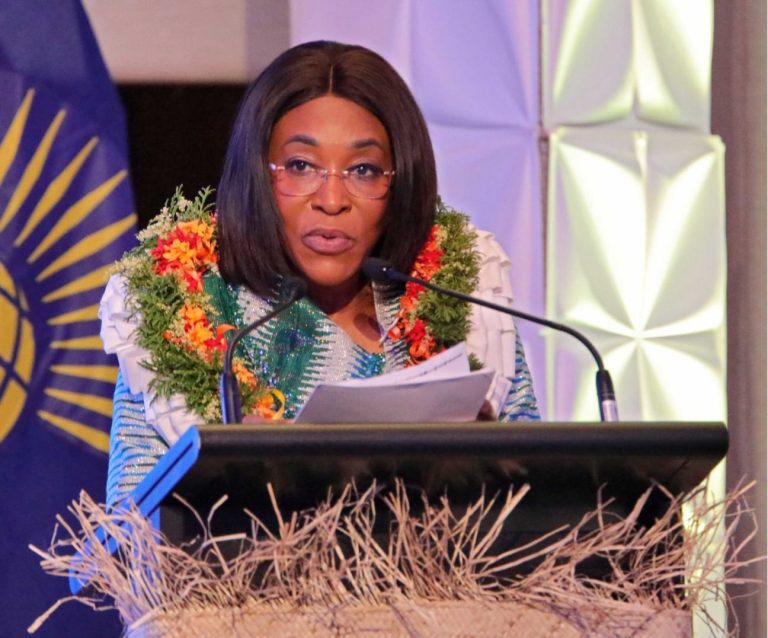
Commonwealth Secretary-General Shirley Botchwey has urged Law Ministers and Attorneys-General to ensure the rule of law delivers real outcomes for people, warning that weakened justice systems erode trust, deepen inequality and threaten democracy.

Speaking at the opening of the Commonwealth Law Ministers Meeting 2026 in Fiji, the Secretary-General thanked the Fijian Government, traditional leaders and communities for their welcome, linking the ceremony to the core values of multilateralism and the Commonwealth.

“Ceremonies like what we have experienced, involving communities – and the extension of welcome to others – working together is what I believe multilateralism and the Commonwealth are all about,” she said.

She said the Commonwealth’s strength lies in cooperation, shared experience and collective capacity-building.

“We work together in order to make the world a better place. And for us, we are working together. We are sharing experiences [and] sharing best practices, building the capacities of each other so that we will make the Commonwealth a better place.”

Addressing Prime Minister Sitiveni Rabuka, Ministers and delegates, the Secretary-General said Fiji’s hosting of the meeting highlighted leadership grounded in culture and community.

“To our hosts in Fiji: you have reminded us today that leadership is not only about institutions and laws, but about culture, community, and care,” she said.

She told delegates the meeting comes at a time of global uncertainty, with political instability, economic volatility and environmental threats undermining public confidence in institutions.

“When the rule of law weakens, people feel it first – and most sharply – in their everyday lives,” she said.

“When laws are applied unevenly, trust erodes. When accountability fades, inequality grows. When justice is delayed or denied, democracy itself is weakened.”

She warned of the danger when “the rule of force begins to edge out the rule of law,” stressing the critical role of Law Ministers and Attorneys-General in defending democratic systems.

Drawing on Pacific experience, the Secretary-General said resilience is built deliberately and collectively, rooted in stewardship and responsibility to future generations.

“Law, at its best, does the same. It provides the framework through which societies manage conflict, protect the vulnerable, and pass on something stronger to the next generation,” she said.

She said the Commonwealth’s new Strategic Plan calls for faster, more practical action focused on impact, ensuring the rule of law is felt beyond institutions and courtrooms.

“Over these days, you will shape action to strengthen democratic resilience. To ensure technology serves justice – not the other way around. To protect maritime rights and legal certainty in the face of climate change. And to expand access to justice so that no one is left behind,” she said.

The Secretary-General said the work of the meeting would help restore trust between institutions and citizens and urged delegates to recommit to collective action.

“History will remember not the turbulence of our times, but whether we had the courage to rise above the chaos and recreate a better world – together,” she said.

Rule of law must remain strong – Fiji PM Rabuka

0

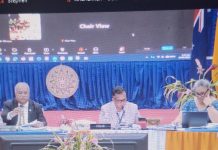
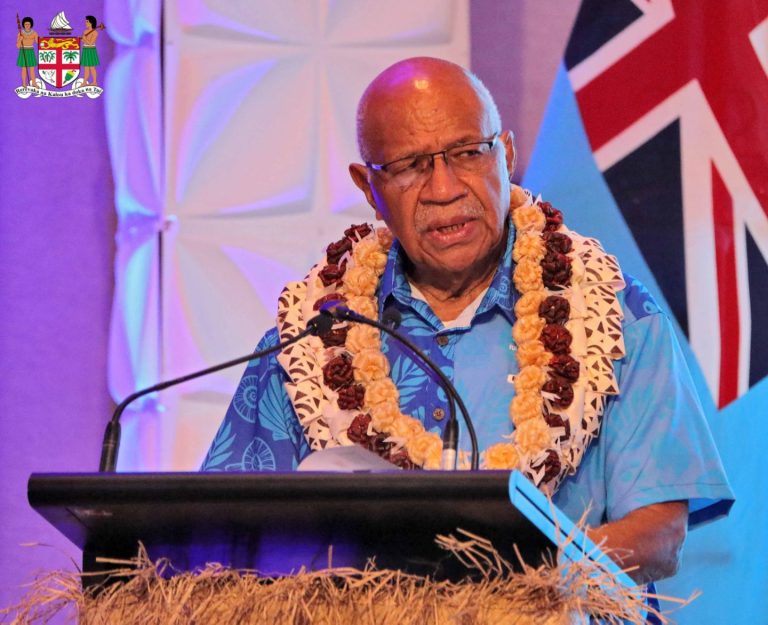
The rule of law must remain firmly grounded in fairness and strong institutions as nations navigate rapidly changing global challenges, delegates at the Commonwealth Law Ministers Meeting in Nadi were told.

Welcoming more than 150 delegates from 56 countries, Prime Minister Sitiveni Rabuka emphasised that justice systems play a critical role in maintaining stability, protecting citizens and strengthening public confidence in governance.

“These tides move swiftly and at times unpredictably. No nation is untouched by these shifts,” Rabuka said in his speech last night.

“To anchor justice is to ensure that amid these changes, the rule of law remains firmly grounded in fairness, guided by principles and upheld by institutions that protect rights, safeguard the vulnerable and create space for mercy.”

Rabuka said legal systems must provide certainty and stability, particularly during times of social, economic and global transformation.

“It means legal systems that do not drift with every challenge, but instead provide certainty and public confidence,” he said.

He stressed that national resilience begins with strong legal frameworks rather than infrastructure or technology alone.

“Resilience begins with justice — with law that holds steady under pressure, with institutions strong enough to serve every member of society and with a shared determination to ensure that the changing tides of our era do not erode the protections upon which our people depend.”

Rabuka also acknowledged growing pressures on justice systems worldwide, noting that institutions in many countries were facing increasing demand and rapid global change.

“Across the world today, the rule of law is under pressure in ways both visible and subtle,” he said.

“In many places, institutions are strained by rising demands, social and economic uncertainty and the accelerating pace of global change.”

He warned that when legal systems are weakened, unevenly applied or lose public trust, it is ordinary citizens who suffer the most.

The Commonwealth Law Ministers Meeting brings together law ministers, attorneys-general and senior government officials to discuss legislative reform, strengthening justice systems and improving cooperation among member states.

Pacific queens gather in Fiji as pageant spotlight turns on regional issues

0

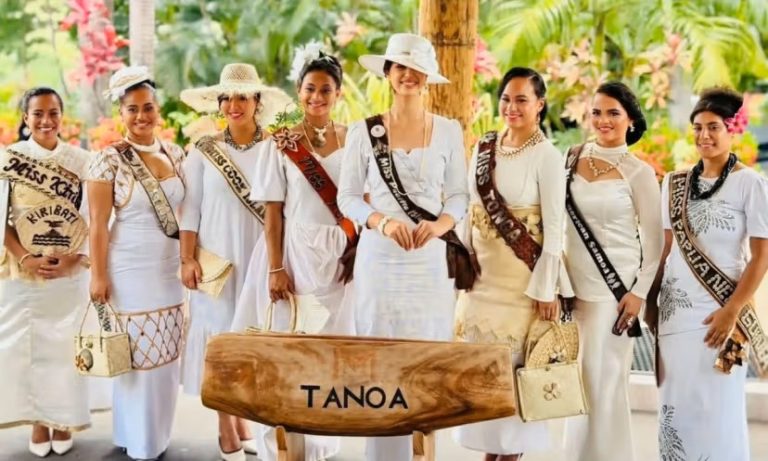
With all regional queens now in Fiji, the Miss Pacific Islands Pageant 2026 is underway in Nadi, bringing together contestants from across the moana for a week.

The lineup this year includes: Miss American Sāmoa Tofoi Unutoa, Miss Cook Islands Petra Mataiti, Miss Fiji Ailava Samuels, Miss Kiribati Atinterentaai Rinimarawa, Miss Papua New Guinea Iampela Popena, Miss Sāmoa Feagaimaali’i Soti Mapu, and Miss Tonga Siosi’ana Taumoepeau.

The Solomon Islands withdrew from this year’s contest, citing unresolved issues linked to last year’s pageant in Honiara and ongoing concerns raised by organisers about transparency and fairness in judging.

Organisers say the event blends culture, competition, and serious discussion on shared Pacific challenges.

Nearly a decade since Fiji last crowned a Miss Pacific Islands in 2016, the country is once again hosting the regional event, welcoming queens from seven Pacific Island nations.

Ana Tuiketei, director of the Miss Pacific Islands Pageant 2026, says the event has evolved into a platform for diplomacy, leadership, and cultural exchange.

Tuiketei told local media the arrival of the queens marked an important moment for Fiji and the wider Pacific.

“We’re thrilled to welcome seven other Pacific Island countries to Fiji,” she said. “This week, we’ll showcase the best of our cultures, promote friendship, and give our queens a chance to shine on a truly international platform.”

Tuiketei said audiences across the Pacific would also be given a closer look at the work behind the scenes.

“We’re also excited to welcome the other Miss Pacific Islands Queens, and due to their partnership, we will also be showcasing everything behind the scenes and all the activities during the pageant,” Tuiketei said.

Beyond the public events, contestants are now preparing for their research presentations, a key part of the competition that focuses on issues affecting Pacific communities.

The early release of research topics has given queens time to prepare before presenting on Thursday.

This year’s research topics include:

*Miss Tonga – Environment and Climate Change

*Miss American Sāmoa – Education

*Miss Papua New Guinea – Youth Empowerment

*Miss Sāmoa – Bullying (Physical and Cyber)

*Miss Cook Islands – Culture

*Miss Kiribati – Sports Development

*Miss Fiji – Drug and Crime

One of the queens already attracting attention is Papua New Guinea’s Miss Bird of Paradise, Iampela Popena, who arrived in Fiji following a strong national win late last year.

The 19-year-old economics student from Western Highlands Province won multiple awards at the Miss Bird of Paradise pageant, including Best Talent and the People’s Choice Award.

Speaking to Nesia Daily ahead of her departure to Fiji, Popena reflected on representing her people on a larger stage.

“Being able to stand there and represent my people and then actually winning… I made my people proud… and I’m so glad that I did,” she said.

She now joins the other Pacific queens in Nadi, representing the Pacific’s largest nation as part of a regional gathering that organisers say is about more than competition.

The Miss Pacific Islands Pageant will be held on Friday and Saturday at the Tanoa International Hotel in Nadi.

The event will be broadcast live on FBC TV and streamed on the VT Plus platform, reaching viewers in at least 16 countries.

As preparations continue, the pageant is increasingly being seen as a space where Pacific women speak to shared experiences and future priorities, offering the region not just a winner, but a collective voice.

Fiji Met hosts Regional Training to strengthen Meteorological capacity across the Pacific

0

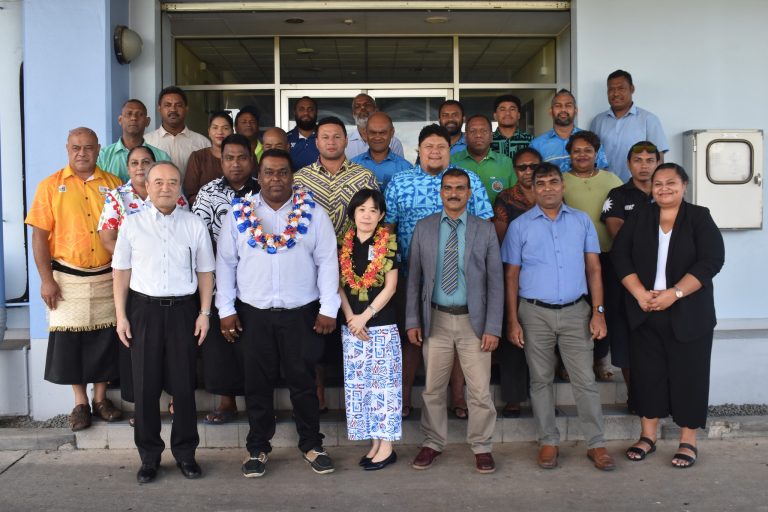
The Fiji Meteorological Service (FMS), in collaboration with the Government of Japan through JICA’s Third Country Training Programme (TCTP), has officially opened a two-week regional Training of Trainers course titled “Training of Trainers on Skills and Competencies for Conducting Meteorological, Climate, and Hydrology Training in the Pacific.”

The training programme is being delivered by expert trainers from the Fiji National University (FNU) and brings together participants from across the Pacific, including the Cook Islands, Kiribati, Nauru, Niue, Solomon Islands, Samoa, Tonga, Tuvalu, Vanuatu, Papua New Guinea, the Marshall Islands, Palau, the Federated States of Micronesia, and Fiji.

The course aims to strengthen participants’ skills in training design, adult learning, facilitation, and assessment, while promoting competency-based training aligned with the World Meteorological Organisation’s BIP-M and BIP-MT frameworks. It also seeks to enhance the capacity of National Meteorological and Hydrological Services in the Pacific to deliver high-quality training in meteorology, climate services, and hydrology, while building a regional pool of qualified trainers to support ongoing training activities.

In his opening remarks, Acting Director of the Fiji Meteorological Service, Amit Singh, welcomed the regional participants and emphasised the importance of the training in strengthening technical and facilitation skills, fostering collaboration, and promoting effective knowledge-sharing across the region.

Singh highlighted the long-standing partnership between Fiji Met and JICA, noting that their collaboration dates back to the late 1980s. Over the years, this partnership has played a key role in developing the expertise of National Meteorological Services across the Pacific and improving the accuracy and reach of weather and climate services.

“ICA’s support has been vital in building the capacity and skills of meteorological personnel across the Pacific. This Training of Trainers workshop forms part of the ongoing Reinforcing Meteorological Training of FMS project,” Singh said.

As a Regional Specialised Meteorological Centre and Tropical Cyclone Centre, the Fiji Meteorological Service plays a critical role in the Pacific, not only in delivering daily weather forecasts but also in strengthening the capacity of meteorological staff across the region to ensure services remain accurate and reliable.

The Fiji Meteorological Service acknowledged JICA for facilitating the workshop and providing the necessary support and also expressed its appreciation to the Fiji National University for sharing its trainers and expertise in support of regional capacity building.

Oceania Athletics mourns Solomon Islands’ Jack Iroga

0

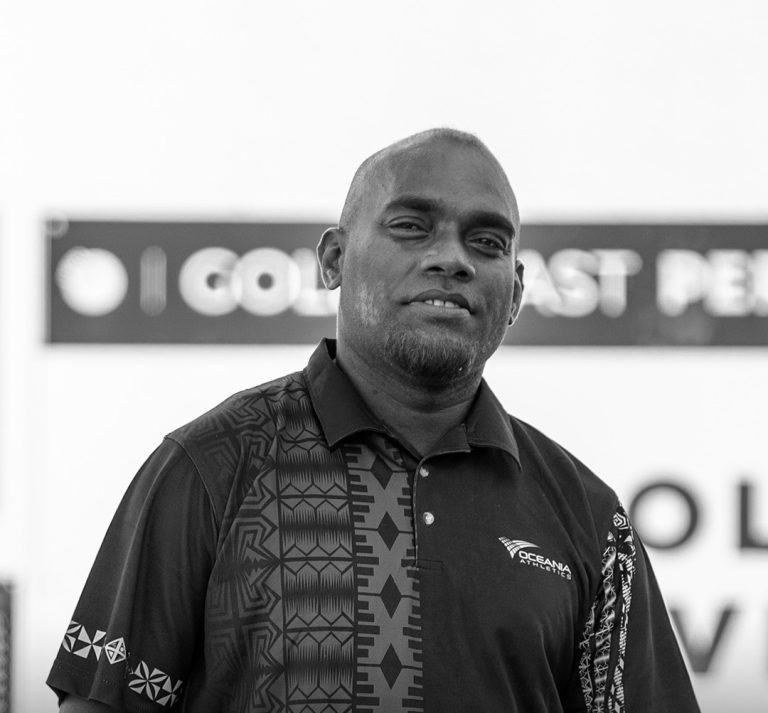
Oceania Athletics has paid tribute to Solomon Islands athlete, official and educator Jack Iroga following his sudden passing at the age of 39.

“It is with deep sadness that we share the sudden passing of our dear friend and colleague, Jack Iroga of Solomon Islands,” the organisation said in a statement.

Jack began his athletics career following in the footsteps of his father, James, and was among the first recipients of an Oceania Athletics High Performance Training Scholarship in 2003/2004. He trained at the Oceania High Performance Centre at the Millennium Institute in Auckland.

A versatile athlete, Jack recorded strong results at regional level. He won silver in the high jump at the 2003 OAA Melanesian Championships, followed by silver in the discus and bronze in the 110m hurdles at the 2005 championships. In 2008, he claimed bronze in the 100m at the Oceania Championships and finished second overall in the field events during the 2006 Grand Prix series in Ba, Sigatoka and Apia.

Jack represented the Solomon Islands at the 2003 World Youth Championships, the 2004 World Junior Championships in Grosseto, and the 2006 and 2010 Commonwealth Games, competing in the 100 metres.

Beyond competition, Oceania Athletics said Jack made a lasting impact as an official and educator. He served as Chief Judge at the 2023 Pacific Games in Honiara and was a member of the Jury of Appeal at the 2025 Pacific Mini Games in Palau.

Jack was also committed to developing the next generation of athletics officials and coaches. He lectured at the OBAS Course in Honiara in 2025 and later served as a Lecturer for the World Athletics CECS Level II Sprints, Hurdles and Relays Course on the Gold Coast in December 2025.

“Jack’s passing is an immense loss to athletics—not only in the Solomon Islands, but across the entire Oceania Region,” the statement said.

“As an athlete, coach, educator, and technical official, he made an invaluable contribution. As a person, he was kind, warm, humble, and a joy to work with.”

Oceania Athletics extended condolences to his family and the wider athletics community.

“We extend our heartfelt condolences to Jack’s family and to his athletics family. We will miss his smile, his gentle nature, and his genuine friendship.

“Rest in eternal peace, dear Jack.”

U.S visa ban ‘unfortunate’: Tonga PM

0

Addressing concerns about the United States government’s decision to put travel restrictions on Tongan nationals, Prime Minister Lord Fakafanua said it was an issue “that’s front of mind” for his administration.

“It’s obviously of deep concern to Tongans, especially with our large diaspora living in the United States. The connectivity with families back at home and those who are who are residents in the United States, living legally is very important to us.”

He said Tonga was “prioritising negotiations” to find a solution around U.S visa access.

“It’s unfortunate that Tonga is included in the visa ban list by the White House, which began from the first of January this year,” he said.

“But we were encouraged that conversations and high-level negotiations are definitely happening between Tonga and American officials, so we’re looking to resolve this as soon as we can,” he said.

‘We don’t care what you think’: Panel says deep-sea mining, more show issues with U.S territorial status

0

A push to mine waters around American Samoa without consent, a board appointed by the president dictating government decisions in Puerto Rico, and the removal of immigration controls from the Commonwealth of the Northern Mariana Islands were all issues highlighted by a panel on U.S territories Friday.

Nonprofit group Right to Democracy organised the virtual discussion, titled, “Everything Greenland Should Know about U.S Territories.”

The panel was organised in response to recent public comments by President Donald Trump suggesting Greenland could become a future U.S territory.

Panelists spoke about various issues that have resulted from their respective homes’ status as a territory of the U.S.

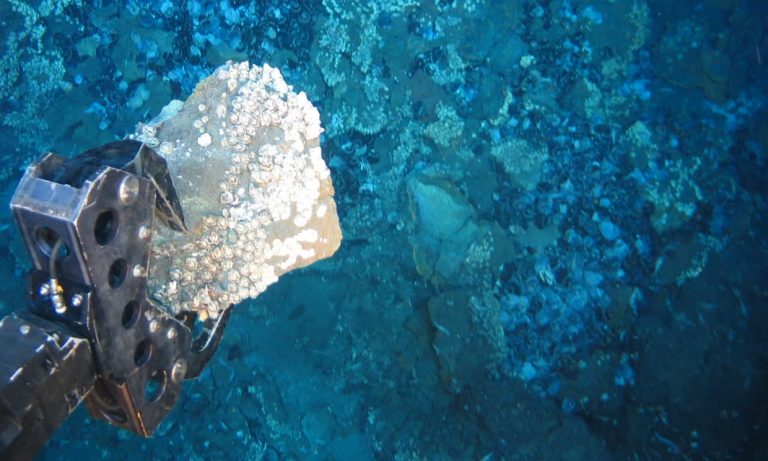
Charles Ala’ilima, an attorney from American Samoa, pointed to recent federal interest in mining 33 million acres of the sea floor near the islands.

Despite strong opposition from American Samoans, plans are moving forward, Ala’ilima said.

The situation is making it clearer to residents what protections they don’t have, Ala’ilima said, with the secretary of the interior holding plenary, or near-absolute, power over American Samoa’s government.

“The federal government doesn’t have to listen to what you say. They may have to take your comments, but they don’t have to listen to those comments,” he said.

The interior secretary had the power to tell them, “We don’t care what you think,” Ala’ilima added.

Despite tens of thousands of comments in opposition to deep-sea mining, the U.S is even closer to issuing deep-sea mining leases for the seafloor near American Samoa than Guam and the CNMI.

The National Oceanic and Atmospheric Administration late last month announced it will proceed with a survey of 30,000 square nautical miles of waters off American Samoa. A lease would come afterwards.

Ala’ilima said unequal constitutional protections of American Samoans, who are U.S nationals, not citizens, has been thought to be protective of customs and culture on the island. But it has also led to abuses, he said.

“Fundamental rights are not being enforced down in American Samoa because of the idea that somehow we’re separate, we can pick and choose what parts of the United States Constitution apply to us,” he said.

The CNMI has long felt “special and unique” compared to other U.S territories, said Sheila Babauta, former CNMI territorial representative with group Friends of the Marianas Trench.

Babauta said that feeling was because unlike other territories, the CNMI had a covenant agreement with the U.S, and its own constitution.

However, the federal government has imposed decisions on the CNMI whenever the islands assert their rights, she said.

“Our immigration rights were taken away in 2009. The minimum wage laws in 2007 were imposed upon us. We have cockfighting that was banned here, as well as other territories in 2018 and that was a big industry here,” she said.

Deep-sea mining was the latest event where the U.S. has been taking “unilateral” action on issues affecting the CNMI, according to Babauta. The CNMI has been learning from the example in American Samoa.

“The federal government responded to American Samoa’s opposition in a way that was so disrespectful in our eyes, and just discarded the community’s response,” she said.

She said there have been many conversations about how the CNMI’s covenant and constitution should be protecting the island.

“The reality is different,” she said.

Examples in American Samoa and the CNMI underscored “historical delusions” that the Pacific territories had about their relationship with the U.S., said Robert Underwood, chairman of Guam-based think tank Pacific Centre for Island Security.

Underwood, Guam’s former delegate to Congress, said he’s heard many times from American Samoa and CNMI officials about how their territories were unique, and had special protections.

“And then in Guam, people believe that the granting of U.S citizenship somehow insulated them from all the abuses that they are now experiencing,” he said.

He said the territories had to come together and discuss how their issues are related.

“Other than that, many of us will continue to advocate and articulate from our own particular history, instead of understanding that this, these historical delusions, really empower federal officials,” Underwood said.

Over on the other side of the world, some Puerto Ricans also thought of themselves as special because of their commonwealth status, said Eva Prados of Comisión Ciudadana para la Auditoría Integral del Crédito Público.

“But what has happened to Puerto Rico the last 10 years with the Puerto Rico Financial Management and Oversight Board put a big question,” Prados said.

The board, called “la junta” was created by Congress in 2016 to oversee Puerto Rico’s public debt crisis, and eventual US$120 billion bankruptcy.

“This oversight board … for us, is not an oversight at all. It’s a control board,” Prados said. “I think that every important governmental decision right now is taken by the board.”

Members are appointed by the U.S president, she said, creating a huge issue because the people of Puerto Rico can’t decide who is making major decisions for their government.

La junta had the power to approve the Puerto Rican government’s budget, and to approve legislation that did not have anything to do with fiscal decisions, Prados said.

Prados said President Donald Trump recently fired a majority of the board members, saying it was too expensive.

“The reality is that behind the scenes, there are a very powerful bond holders that are pushing different board membership,” she said, in order to get bigger debt repayments out of Puerto Rico.

More recently, the board has started pushing to increase power rates for the country, to cover old debt payments.

“And that has a huge impact in our economy,” she said.

Gender inequality persists across the Blue Pacific, regional report finds

0

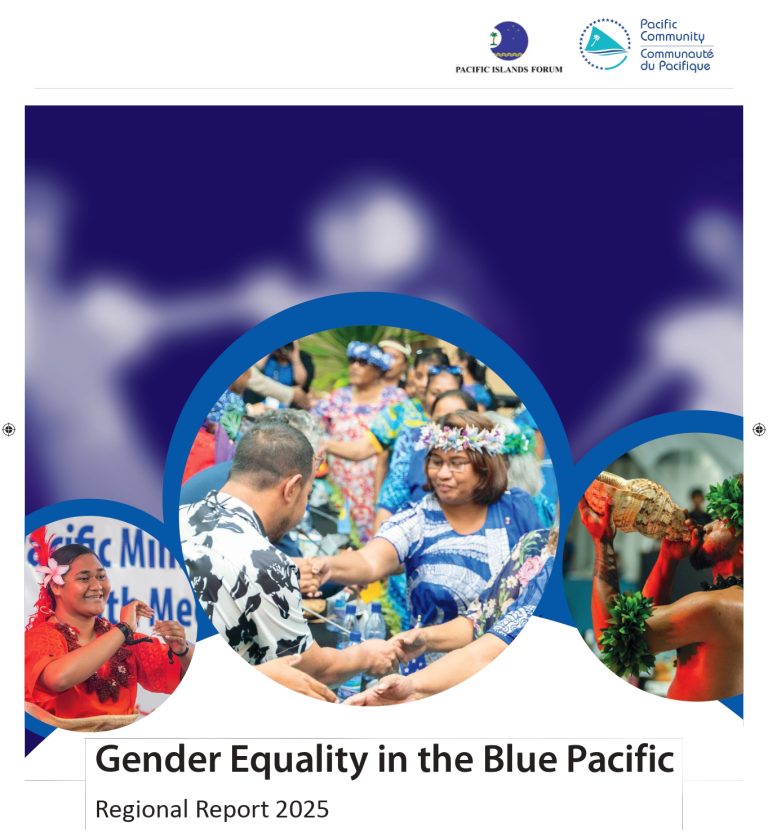
The Forum Gender Equality in the Blue Pacific: Regional Report 2025 has found that deep and persistent gender inequalities continue to shape the lives of women and girls across the Pacific, despite decades of commitments, policies and regional frameworks aimed at advancing equality.

The report, released by the Pacific Islands Forum, provides a comprehensive regional snapshot of gender equality outcomes across Forum member countries, examining progress and gaps in leadership and decision-making, economic participation, health, education, climate resilience and freedom from gender-based violence.

While the Pacific has made important strides in recognising gender equality as a regional priority, the report makes clear that progress on the ground remains uneven and, in some areas, slow.

Women across the region continue to be significantly underrepresented in political leadership and decision-making roles.

The report shows that women hold a small proportion of parliamentary seats in most Forum countries, with several still recording no women elected to national parliaments. Representation in senior public service roles has improved in some countries, but remains inconsistent and vulnerable to political and institutional change.

Economic inequality is another major concern highlighted in the report.

Women’s participation in the formal economy remains lower than men’s, with many women concentrated in informal, low-paid or insecure work. The report notes that unpaid care and domestic work continues to fall disproportionately on women, limiting their access to education, employment and leadership opportunities. These inequalities are further compounded by limited access to finance, land and productive resources.

Gender-based violence remains one of the most urgent challenges facing the region.
The report documents persistently high rates of violence against women and girls across the Pacific, describing it as a critical human rights issue and a major barrier to development. While many countries have strengthened legal frameworks and national action plans, the report notes ongoing gaps in implementation, resourcing, survivor services and access to justice, particularly in rural and outer island communities.

Health and education outcomes show mixed results.

The report highlights progress in girls’ access to education at primary and secondary levels in many countries, but points to emerging gaps in retention, transitions to higher education and skills training. In health, women face ongoing challenges related to sexual and reproductive health services, non-communicable diseases and access to quality care.

The report also highlighted the growing intersection between gender equality and climate change.

Women and girls are often among the most affected by climate impacts, disasters and environmental degradation, yet remain underrepresented in climate decision-making and access to climate finance. The report stresses that strengthening gender-responsive climate policies is essential for building resilience across Pacific communities.

Despite the challenges, the report highlights areas of progress and opportunity.

It points to stronger regional coordination on gender equality, improved policy frameworks, and growing recognition of the importance of gender data and evidence-based decision-making. Community-led initiatives, women’s movements and traditional leadership structures are also identified as key drivers of change when adequately supported.

The report calls for renewed political commitment, increased investment and stronger accountability mechanisms to translate regional and national commitments into tangible outcomes. It emphasises the need for sustained financing for gender equality programmes, improved data collection, and inclusive approaches that centre the voices and lived experiences of Pacific women and girls.

The Forum Gender Equality in the Blue Pacific: Regional Report 2025 concludes that achieving gender equality is not only a social and human rights imperative, but a prerequisite for sustainable development, resilience and prosperity across the Blue Pacific.

Fiji to push ocean priorities at first Ocean Pioneers Coalition meeting

Fiji will be represented at a key global ocean meeting in Lisbon from 10 February 2026, as Minister of Environment and Climate Change Lynda Tabuya travels to Portugal for the first-ever formal meeting of the Ocean Pioneers Coalition.

Minister Tabuya will attend the inaugural working session of the Coalition, hosted by the Oceano Azul Foundation, which also serves as its Secretariat. It will be her first international engagement since assuming the Environment and Climate Change portfolio.

The Ocean Pioneers Coalition brings together ministers and leading experts committed to protecting the world’s oceans and promoting their sustainable use.

“At this first working session, we will be setting priorities on some of the biggest ocean issues facing the world today,” Minister Tabuya said.

These include how countries will implement the Biodiversity Beyond National Jurisdiction (BBNJ) Agreement, which aims to protect marine life in international waters, preparations for the first Conference of the Parties (COP1) under the new ocean treaty, ongoing international discussions on deep sea mining and calls for a precautionary pause, and ensuring the ocean is properly recognised in climate change negotiations ahead of UNFCCC COP31.

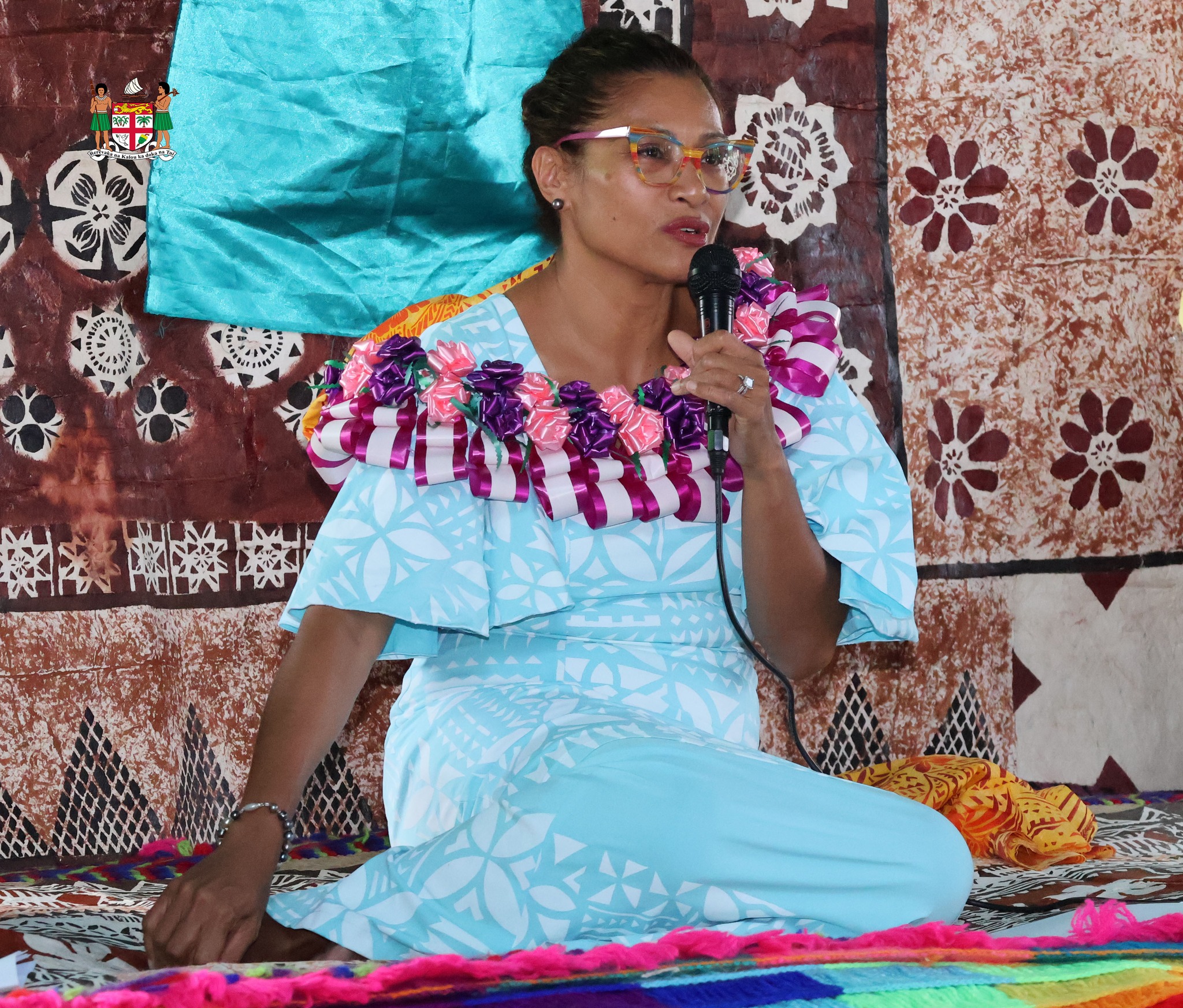
Fiji’s Minister for Information, Environment and Climate Change, Lynda Tabuya. Photo: Fiji Govt

“As a large ocean state, Fiji has real, lived experience in caring for the sea, from marine spatial planning to ocean-climate diplomacy and sustainable fisheries,” she said.

Minister Tabuya said she would use the platform to advocate for the interests of Small Island Developing States.

“I will be sharing Fiji’s perspective and standing up for the interests of Small Island Developing States, whose livelihoods, food security and cultures are directly tied to the health of the ocean,” she said.

Minister Tabuya said Fiji’s presence at the meeting reflects its ongoing leadership on ocean issues at the global level.

“I am proud to ensure that Fiji’s voice and the Pacific family is present at the table as custodians of the blue continent, as global leaders work together to protect our ocean, not just for today, but for future generations.”

Stay connected

529FansLike
172FollowersFollow
156SubscribersSubscribe
- Advertisement -