Home Blog Page 102

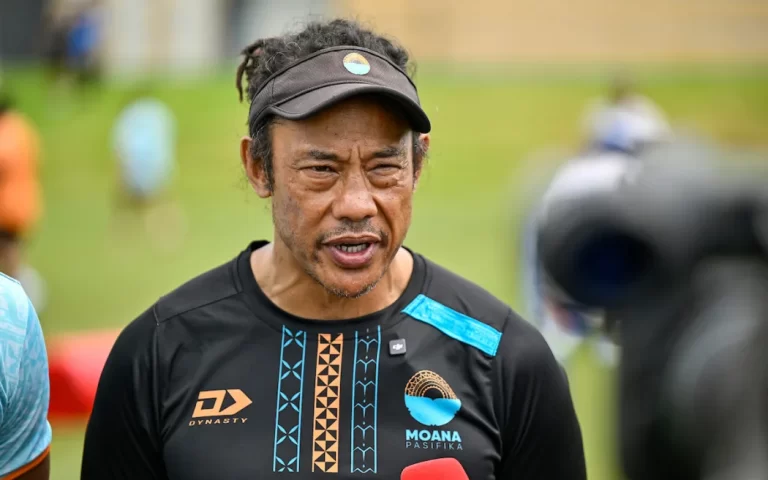
Moana Pasifika, Fijian Drua ‘don’t get enough’, need more recources – Umaga

0

The former All Blacks captain applauded the two clubs’ inclusion in the competition and said it has raised the standards across the three island nations involved – Fiji, Samoa and Tonga.

But he added more should be done to keep the island nations involved in the competition.

“I believe Super Rugby Pacific, having the nations that represent Pacific Islands playing in the Pacific Islands, what more can you ask,” Umaga told reporters in Lautoka.

“And you know, this is something that should stay as it is too, like there should be thoughts around how do we keep the islands involved, because that’s important.

“Like everyone knows that the Pacific Island players make up, 40 percent of rugby union players and rugby league players.

“They should give opportunities to those other kids that are going to come through, because there’s plenty more coming through.”

Umaga said it was up to both Moana and the Drua to keep developing that, but they need help in resourcing.

He said he was unsure if the Drua were getting all the help they need to ensure that their development programs are being implemented to ensure that players are available to continue the work that is being done.

“I don’t know if [Fijian Drua] get enough help, I know that we don’t get enough help as Moana,” he said.

“But we just get on with the job and do it because our cause, our movement, is strong, and we know there’s plenty of kids that deserve opportunity, and we’re here for them.”

Umaga said they are grateful for the opportunity they and the Drua have been given as part of the competition, which has helped in developing players who have gone on to represent Fiji, Samoa and Tonga.
“We need opportunities like we have now with the Drua and Moana Pasifika, who showcase their skills and culture to the world.2

Moana Pasifika had the upper hand at the weekend, scoring six tries against the Drua’s four, with captain Miracle Faiilagi claiming three of his own.

Umaga said it was a tough game and one that showcased the potential both teams have early on in the 2026 season.

Faiilagi, who was plucked out of Samoa to play for Moana Pasifika in 2023, is testimony of what playing in the Super Rugby Pacific competition can do. His rise is being praised by Umaga.

The looseman led by example throughout the match, with the ball in hand and also in defence.

“We were well led by our captain Miracle Faiilagi,” Umaga said. “His first time as captain and I thought he did an outstanding job.”

“And he’s been doing one, you know, from since we’ve been together.”

Moana Pasifika and the Fijian Drua both have development squads at the moment, that includes young players selected to go through special training programs with the main teams.

Some players from the two development squads also make their way into the main teams, and get the chance to play in the competition when needed.

Fiji President calls for clean, lawful general elections

0

Fiji President Ratu Naiqama Lalabalavu has called for clean, credible and lawful general elections, urging political leaders, candidates and supporters to uphold integrity and respect for the rule of law before, during and after polling.

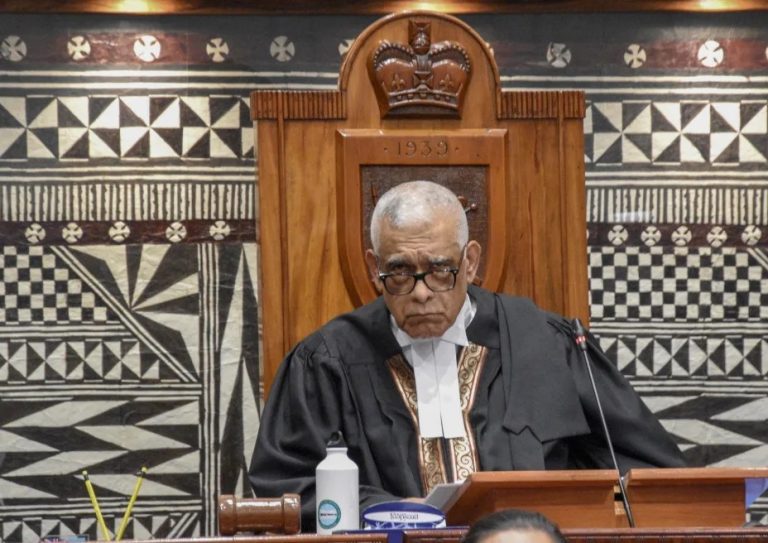
Speaking at the opening of a new session of Parliament Monday, President Lalabalavu said the strength of Fiji’s democracy rests not only on constitutional checks and balances, but on the conduct of those who participate in the political process.

“The strength of our democracy lies not only in the balance of our institutions, but in the conduct of leaders and citizens alike — not only during elections, but especially in the lead-up to and after elections,” he said.

The President stressed that democratic stability must be protected beyond polling day, warning that reckless behaviour and divisive rhetoric can undermine public confidence in elections.

“To secure our democracy, leaders and political supporters must continue to engage in dialogue, compromise and respect for the rule of law,” he said.

President Lalabalavu called on all who seek public office to conduct themselves responsibly and appealed to political party supporters to exercise restraint in public discourse.

“I therefore call upon all who seek public office, and all who participate in public discourse — in particular supporters of political parties and candidates — to uphold the highest standards of integrity, restraint and respect for our multicultural society,” he said.

He said clean elections are essential to maintaining trust in democratic institutions and ensuring political competition strengthens, rather than divides, the nation.

The President reminded Parliament that democracy is an ongoing responsibility that extends beyond electoral victories and losses.

He urged leaders to set the tone for peaceful, inclusive and issue-based campaigning, adding that how elections are conducted will ultimately shape Fiji’s political maturity and social cohesion.

President Lalabalavu said history would judge not only electoral outcomes, but whether Fiji’s elections were conducted fairly, lawfully and in a manner that respects all citizens.

Lalabalavu emphasised the importance of the rule of law, dialogue and compromise as essential pillars of Fiji’s democracy.

He reflected on Fiji’s constitutional and democratic journey, saying the nation’s progress has not always been easy, but has reinforced the need for leaders and citizens alike to remain firmly committed to lawful and inclusive governance.

“Our nation’s journey through four successive constitutions reflects an ongoing search for fairness, equality and stability,” he said, noting that each constitutional phase has shaped Fiji’s political maturity.

The President acknowledged that Fiji’s democratic path has included periods of difficulty and division, but said these experiences highlighted a critical lesson.

“The journey has not always been smooth, and it underscores the fact that democracy must be actively sustained by dialogue, compromise and respect for the rule of law,” he said.

President Lalabalavu said adherence to the rule of law was not optional, but fundamental to maintaining public trust, safeguarding institutions and ensuring stability in the years ahead.

He urged leaders to approach governance with balance and restraint, stressing the need to anticipate future challenges while protecting the social fabric of the nation.

“We aim for equilibrium, to maintain a sense of balance that positions us to deal with the challenges that will come upon us,” he said.

The President also called for development that is fair, inclusive and sustainable, warning that progress without justice and accountability risks weakening national unity.

“As a nation, we are challenged to review not only how far we’ve come, but also how we collectively prepare for the decades ahead, how we safeguard our community together, and how we ensure that development is fair, inclusive and sustainable for all our people,” he said.

President Lalabalavu said Fiji’s experiences — including moments of political strain — have contributed to a deeper national maturity.

“Each chapter, including moments of difficulty, has contributed to a deeper national maturity,” he said.

He urged Parliament to uphold the rule of law throughout the new session, reminding Members that history will judge not only what is achieved, but how the country is governed.

Meanwhile, President Lalabalavu has highlighted persistent poverty and hardship affecting a significant portion of Fiji’s population, while outlining the guiding principles that will shape Government policy and decision-making in the years ahead.

President Lalabalavu said recent findings showed that at least one part of the population is living below the poverty line, with a further 25 per cent facing hardship just above the poverty threshold in both urban and rural communities.

“These findings reinforce the importance of formulating just policies and programmes that are inclusive, well-targeted and grounded in evidence,” the President said.

He said the Government’s programme for 2026 and beyond aims not only to grow the economy, but to ensure that economic growth delivers meaningful benefits to ordinary citizens.

“Growth must create decent work, protect the vulnerable and invest in the capabilities of our people,” President Lalabalavu said.

He told Members of Parliament that the formulation of government programmes and policies would be guided by three key principles.

The first is unity in diversity, ensuring that every citizen — regardless of background or place of residence — shares in national progress.

The second principle is sustainability and resilience, which he said requires protecting people, the economy and the environment for both present and future generations.

The third principle is integrity and good governance, with a strong focus on strengthening trust in public institutions and public leadership.

“These principles will inform the formulation of legislation, budgetary decisions, institutional reform and public policy across all sectors,” the President said.

He added that they would serve as a compass for national decision-making in the years ahead, as Fiji works to address inequality, reduce hardship and build a more inclusive and resilient society.


Governments must use new UN resolution to turn ICJ’s Advisory Opinion on climate change into robust action

0

Governments must not squander the opportunity to turn the International Court of Justice’s 2025 Advisory Opinion on states’ obligations regarding climate change into robust climate action, Amnesty International said ahead of discussions to finalise a new UN climate change resolution.

Informal consultations on the draft resolution circulated by Vanuatu began last Friday.

UN member states are expected to vote on the resolution at the end of March, marking three years since the UN General Assembly first requested the ICJ’s opinion.

“The resolution attempts to turn the ICJ’s interpretation of key legal standards into a practical roadmap for state accountability which is likely to trigger political pushback from higher income high emitting countries wary of their historical responsibility and financial liability,” said Candy Ofime, Climate Justice Researcher and Legal Advisor at Amnesty International.

Amnesty International is calling on governments to sponsor the resolution and secure its adoption in its current form.

The draft resolution gives unqualified support to the Advisory Opinion and urges states to meet the legal obligations that it clarified. These include:

*Adopting national climate actions plans, known as nationally determined contributions, to limit global temperature rise to below 1.5°C above pre-industrial levels.

*Taking effective steps to cut emissions, such as ending subsidies for fossil fuel exploration, production and exploitation;

*Fully upholding their obligations to refrain from returning displaced individuals to a country where climate change impacts pose a risk to life, and to consider creating safe, regular and non‑discriminatory pathways and protection frameworks for persons displaced across borders by climate‑related factors;

*For states that have violated their obligations, to provide full and prompt reparation for damage.

“The ICJ in its landmark Advisory Opinion made clear that the full enjoyment of human rights cannot be ensured without protection of our climate system and other parts of the environment from the harms of human-induced climate change. We know that extracting and burning fossil fuels are the root cause, yet recent actions by major world leaders, including U.S President Trump’s latest revocation of the “endangerment finding” on greenhouse gases, have weakened global climate action. This has included defunding key international climate bodies and rolling back multi-lateral climate cooperation,” Candy Ofime said.

“Global cooperation, with those most responsible for climate change leading the way, is essential to equitably phase out fossil fuels, support a just transition for workers and others impacted by the phase out, protect groups and communities on the frontline of the climate crisis, and finance recovery from climate change-related loss and damage. Without it, climate impacts such as sea-level rise, salinisation and coastal erosion, extreme heat, food insecurity, wildfires, violent storms, floods, and safe water shortages will intensify.

“This is a vital moment for states to show they stand on the side of climate justice – not delay, weaken, or turn away from their legal obligations and moral duty. The world cannot afford anything less. Humanity must win.”

The zero draft has now been shared with all UN Member States and taken up during informal consultations on 13 and 17 February at the General Assembly in New York, giving every government the opportunity to shape this crucial resolution. A revised draft is expected in early March, followed by a window for states to add their sponsorship and move it toward adoption later in the month.

Public service media help anchor reliable information

0

By Prashanth Pillay, Jo Elsom 

Across the Indo-Pacific, people are spending more time online but finding it harder to know what to trust. The 2025 Reuters Institute Digital News Report 2025 shows nearly six in ten respondents struggle to distinguish between real and false information. A UK government study in Fiji, Samoa and Solomon Islands found that 85 percent of online users believe false information on social media is shaping opinions on elections and disaster response.

At the same time, authoritarian states are scaling up investment in state-aligned broadcasters. A 2023 Australian parliamentary inquiry reported that Beijing devotes “billions” annually to international media operations, including propaganda and disinformation. Funding for independent public service media in Australia, the UK and the U.S has not kept pace. In the U.S, PBS and NPR have lost significant funding after the closure of the Corporation for Public Broadcasting. A recent opinion piece by the Lowy Institute suggests that shrinking independent media and expanding state-backed narratives are deepening information insecurity.

Public service media matter now more than ever. Their mandate is to provide accurate, balanced and accessible information, and research by the British Broadcasting Corporation and others links strong public broadcasters with higher media literacy and trust. Commercial outlets remain important, but without at least one trusted public service broadcaster it becomes harder for citizens to assess competing claims, especially during elections and emergencies.

This value becomes clearer when looking at countries where public media independence has eroded.

Poland’s national broadcaster TVP is a cautionary case. After legislative changes in 2015 placed it under direct government control, its press freedom ranking fell from eighteenth to fifty-seventh and trust collapsed to around 22 percent. A reform process is underway, but legitimacy has been slow to rebuild. For Pacific and Southeast Asian countries with predominantly small markets and growing exposure to foreign state-backed media, these lessons are directly relevant.

Evidence from ABC International Development’s (ABCID) qualitative programme evaluations suggests that the contribution of public service media to information resilience is strongest when it supports institutional changes that build over time, such as newsroom workflows, editorial standards and audience trust.

Two case studies of ABCID-managed programs show how locally led media development strengthens information ecosystems. These programmes are the Media Development Initiative (MDI), a long-running DFAT-funded programme, and the Timor-Leste Media Development Program, which forms part of the Indo-Pacific Broadcasting Strategy.

Over two decades, MDI has worked with Papua New Guinea’s National Broadcasting Corporation (NBC) to strengthen leadership, modernise newsrooms, improve digital systems and bolster emergency broadcasting. A major shift has been the expansion of provincial reporting through NBC’s 22 stations across the highlands and outer islands. Mobile journalism training, which uses smartphones for storytelling, provided equipment and mentoring that enabled reporters outside Port Moresby to file stories in real time.

ABCID’s programme monitoring data and audience research indicate that this expansion has altered both geographic reach and content diversity. Analysis of NBC digital output following mobile journalism training shows a measurable increase in provincially originated stories, particularly during emergencies and political events, suggesting that decentralised reporting capacity is a key driver of improved access to trusted information.

ABCID’s internal audience research also shows NBC is the most trusted mass media platform in many provincial areas. Listeners noted that hearing their own language and concerns made NBC a reliable source during periods of political or economic stress. As one NBC talkback listener from East Sepik said:

Seeing and hearing more news from my community [on NBC] creates this special bond … I can’t quite describe it … but it’s reassuring … it’s the voice that boldly speaks for us even when everything around [us] is unstable … like the economy and politics. NBC speaks to me; it understands my struggle … it’s that guiding hand.

Importantly, internal audience research findings also note that trust remains uneven across demographics and platforms, with younger audiences more likely to encounter NBC content via social media feeds where it competes directly with unverified sources. Editorial credibility must be paired with platform-specific engagement strategies to sustain trust.

NBC’s influence is also tied to wider sector reforms. With support from MDI, the Media Council of PNG launched a new Code of Ethics and Professional Practice in 2024 – the first in more than a decade – and played a central role in consultations on the National Media Development Policy endorsed later that year. These processes reinforced expectations around editorial independence and set clearer benchmarks for public-interest journalism.

This experience in PNG reflects a broader pattern across the region, where sustained institutional support is helping public broadcasters navigate political and technological change. Audiences benefit from more accessible, inclusive information.

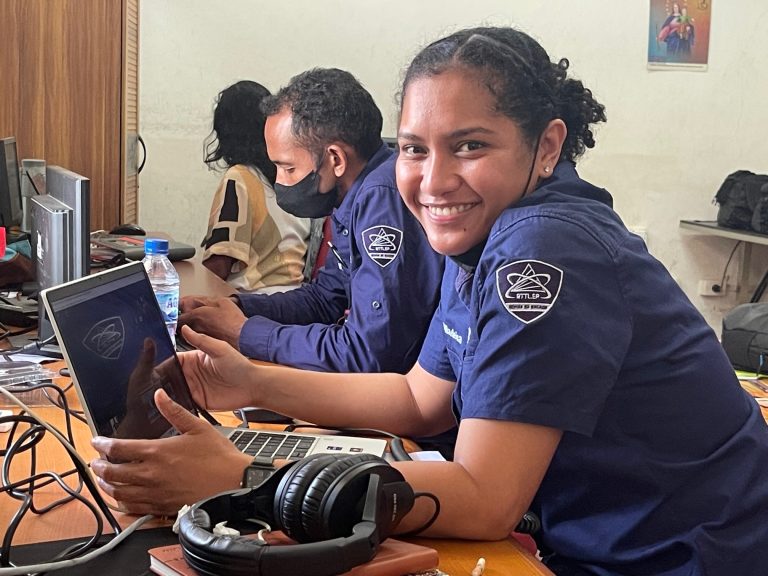
Timor-Leste’s national broadcaster, Rádio e Televisão de Timor-Leste (RTTL), was created after independence in 2002 and operates with limited resources in a competitive political environment. Through the Timor-Leste Media Development Program, ABCID has supported newsroom mentoring, institutional strengthening and technical upgrades as the country prepares for deeper regional engagement through ASEAN and the introduction of high-speed connectivity through a new submarine cable.

Interviews with RTTL staff highlight three shifts. First, specialist mentoring and ABC newsroom placements have strengthened multi-platform production skills: the ability to produce and adapt content for radio, television and online platforms. Second, new workflows are fostering collaboration across radio, television and online teams, reducing duplication and improving national coverage. Third, RTTL is moving beyond relaying official information toward more community-centred reporting that includes rural voices, young people and women. All improve information provision for and engagement with citizens.

A major milestone was the launch of RTTL’s first English-language television bulletin in 2023, supported by ABCID. The bulletin was widely seen as a step toward greater regional engagement, a view echoed by President José Ramos-Horta. Industry peers describe RTTL as a “mirror of the nation”, reflecting the diversity and aspirations of Timorese society. Members of parliament regularly cite RTTL reports in debates, underscoring its role as a trusted source of accurate information. That role carries historical significance, given the media’s legacy in documenting Timor-Leste’s struggle for independence.

Evaluation interviews suggest a need for caution, however: milestones alone do not guarantee sustained change. Staff emphasised the importance of follow-up support and realistic workload expectations to prevent new initiatives from over-stretching already limited newsroom capacity.

These experiences suggest three lessons for development partners.

First, information systems are central to governance and service delivery. They shape public understanding of elections, climate risks, gender-based violence and economic reforms. In environments where false information spreads quickly and foreign state-backed narratives are expanding, strengthening public service media is inseparable from strengthening national decision-making.

Second, trust in public broadcasters takes time and must be locally led. In both PNG and Timor-Leste, long-term mentoring and support for national sector bodies helped broadcasters define their own standards and pathways rather than import foreign models. Trust in information through cultural institutions such as public service media is critical to sustainable development. This finding is consistent with comparative evaluations across ABCID programs showing that impact is more durable when it is shaped and owned by national institutions.

Third, Australia’s investment in public service media through ABCID and its regional media counterparts contributes to institutional relationships and like-minded value systems and supports the goals of the International Development Policy – inclusive governance, regional stability and resilience to disinformation and foreign interference. Longitudinal evaluation findings from ABCID indicate that program impact is strongest where support has focused on strengthening long-term institutional relationships. In this context, trusted national broadcasters play a critical role in Australia’s regional engagement, as reliable information systems underpin effective institutions, accountable leadership and informed public debate.

In crowded and fast-moving information environments, these valued cultural institutions – trusted public broadcasters – give communities something rare: a stable point of reference. The journeys of NBC and RTTL show that steady, respectful support helps these institutions grow into their roles. Strengthening public media is therefore not only a sectoral task but also a long-term contribution to democratic resilience and regional cohesion.

Dr Prashanth Pillay leads the research and evaluation team at ABC International Development. He has published on regional media development and youth political engagement in Australia.

Jo Elsom is the head of ABC International Development at the Australian Broadcasting Corporation.

UN climate chief says ‘new world disorder’ hits cooperation

0

The UN’s climate chief last week urged countries to unite against an “unprecedented threat” to international cooperation from pro-fossil fuel forces — issuing the appeal as U.S President Donald Trump rattles the global order.

Simon Stiell, the head of the United Nations climate body, spoke in Istanbul as Turkey prepares to host the COP31 climate summit on its Mediterranean coast later this year, with Australia leading the negotiations.

“COP31 in Antalya will take place in extraordinary times. We find ourselves in a new world disorder,” Stiell said in an address alongside the president-designate of COP31, Turkish environment minister Murat Kurum.

“This is a period of instability and insecurity. Of strong arms and trade wars. The very concept of international cooperation is under attack,” he said.

Stiell made his plea as climate action is competing with concerns over security and economic growth around the world.

Trump has championed oil, gas and coal while moving to withdraw the United States from the UN’s bedrock climate treaty after pulling out of the Paris Agreement, the landmark deal reached in 2015 on curbing global warming.

The American leader, who has called global warming a “hoax,” was poised last Thursday to revoke a landmark scientific finding that underpins U.S regulations aimed at curbing planet-warming pollution.

Trump has also rattled European allies with his desire to acquire Greenland, as shrinking Arctic sea ice is turning the region into a strategic battleground.

Other nations have resisted moving away from oil, gas and coal.

The COP30 summit in Brazil late last year ended with a modest deal that lacked any explicit mention of fossil fuels amid opposition from oil giants such as Saudi Arabia, coal producer India and others.

The United States, the world’s top economy and second-biggest polluter after China, shunned COP30.

The last three years have been the hottest globally on record, driven by rising greenhouse gas emissions that are causing climate change.

Stiell warned that international climate cooperation was “under unprecedented threat: from those determined to use their power to defy economic and scientific logic, and increase dependence on polluting coal, oil and gas.”

“Those forces are undeniably strong. But they need not prevail. There is a clear alternative to this chaos and regression,” he said.

“And that is countries standing together, building on all we have achieved to date, to make it (international global cooperation) go further and faster.”

He noted that investment in clean energy was more than double that of fossil fuels last year, while renewables overtook coal as the top electricity source.

Stiell urged nations to deliver on their 2023 agreement at COP28 in Dubai to triple clean energy capacity by 2030 and transition away from fossil fuels, and for the most ambitious to form “coalitions of the willing”.

“Climate cooperation is an antidote to the chaos and coercion of this moment, and clean energy is the obvious solution to spiralling fossil fuel costs, both human and economic,” he said.

However, an early draft of the proposed “action agenda” for Cop31, leaked to the Guardian, omits mention of the phaseout of fossil fuels discussed in depth at Cop30, to the anger of campaigners.

Cop31 is to be held in Turkey this November, but with Australia jointly in charge of proceedings, in an unusual compromise arrangement reached after a long tussle between the two governments over the presidency.

Among 14 action agenda items, the “transition away from fossil fuels” does not appear once in the draft, and many of the top priorities appear to reflect Turkish preferences rather than general concerns. For instance, at the top of the list comes a resolution for “zero waste”, calling for the rapid reduction of methane derived from waste, such as landfill sites – which ignores the fact that far more methane comes from oil and gas extraction and from livestock farming.

The second item on the list is “tourism and cultural heritage”, which is also a key concern for Turkey, which has a large tourist sector, including the resort city of Antalya where Cop31 will be held. AI also appears on the list of actions, but “climate action implementation” only makes it in as the eighth item.

Andreas Sieber, head of political strategy at 350.org, said: “Fourteen priorities, around 50 sub-priorities, and not a single explicit reference to fossil fuels, the source of roughly three-quarters of global warming. [This] looks less like oversight and more like a wilful omission, especially after more than 80 countries backed a roadmap to transition away from fossil fuels.”

Emine Erdoğan, the wife of Recep Tayyip Erdoğan, the Turkish president, set up a “zero waste” initiative in 2017, and has made recycling and the “circular economy” a key issue. Sieber said: “When waste management tops the list, it makes you wonder what interests are shaping the agenda.”

The action agenda forms a key part of the annual “conference of the party” meetings, under the UN Framework Convention on Climate Change. It contains items that do not require formal approval under the negotiation process and thus are not subject to the effective veto wielded by countries such as Saudi Arabia, Russia and other petro-states.

At Cop30 in Brazil last November, countries failed to agree to put explicit language on the “transition away from fossil fuels” into the formal outcome of the conference, but did agree an indirect pledge on the phaseout, and an accompanying voluntary initiative to discuss the phaseout at a separate conference in Colombia this April.

Sieber called for the Cop31 action agenda draft to be rewritten.

“The action agenda and Cop31 must confront the energy transition head-on, because people everywhere are asking for clean, affordable power, safer communities, and a future that is not tied to the risks and costs of fossil fuels,” he said.

“It is essential that the co-presidencies highlight the phaseout of fossil fuels, which devastate local communities and exacerbate the climate crisis,” said Sierber.

Lawsuit seeks emergency halt to plan to accept U.S deportees in Palau

0

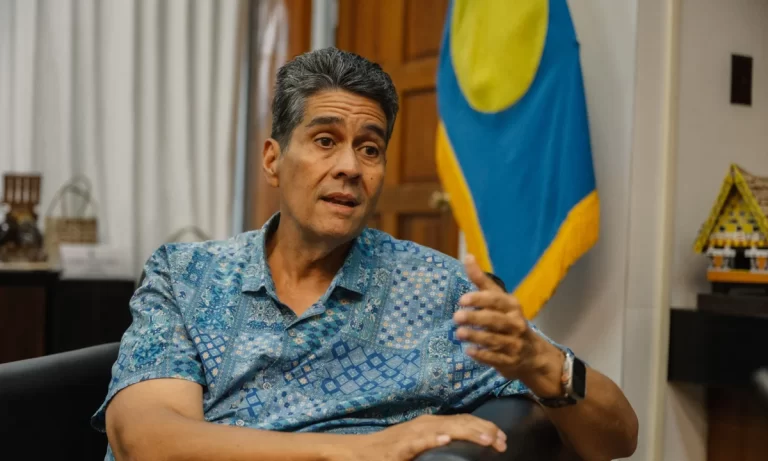
The Palau Senate and two private citizens have asked the Supreme Court to immediately halt a government plan to accept up to 75 deportees from the United States, arguing the arrangement violates the Constitution, immigration laws and the authority of the national legislature.

The plaintiffs filed a motion for a temporary restraining order (TRO) seeking to stop President Surangel Whipps Jr and executive agencies from issuing visas or entry permits to the deportees while the case is being decided.

The case challenges a 24 December 2025, announcement by the president that Palau would accept third-country nationals — people the United States cannot return to their home countries — in exchange for financial assistance.

In their filing, the Senate and the two individuals argue the relocation plan is “unconstitutional, unlawful under Palau statutes, and harmful to Palau’s constitutional order and social fabric.”

Ahead of the court hearing scheduled for 12 February, the plaintiffs issued a subpoena ordering President Whipps and a cabinet minister to appear and bring documents and communications related to the deportee programme.

The notice was delivered less than 24 hours before the hearing.

The court granted a motion to quash the subpoena, finding it overly broad and unreasonable.

In its order, the court said the subpoena was “facially overbroad” and imposed an “unreasonable timeline and undue burden.”

President Whipps criticised the request, saying the Senate’s legal counsel was just making money off the Senate.

“The subpoena was ridiculous and unreasonable. We received the subpoena at 3 pm and the court was scheduled for 9:30 am the next day,” he said.

The lawsuit was filed by the Senate of the Olbiil Era Kelulau (OEK) and two individual plaintiffs. The defendants are President Whipps, Minister of State Gustav Aitaro and the Ministry of Finance, all in their official capacities.

The plaintiffs are asking the court to issue an emergency order under Rule 65(b) to prevent any deportees from entering Palau until the legal issues are resolved.

The lawsuit argues the president does not have the authority to create the deportee arrangement without approval from the OEK.

Under the Constitution, the legislature holds power over immigration and treaty matters. The plaintiffs say the agreement with the United States is essentially a treaty or treaty-like arrangement that must be ratified by both houses of the OEK.

They argue no law authorizes Palau to accept deportees in exchange for payment, making the programme an unauthorised executive action.

The complaint also raises concerns that the programme could create a permanent population of non-citizens who cannot be deported. Because Palauan citizenship generally requires Palauan ancestry, the plaintiffs say the deportees and their children would remain long-term residents without a clear legal status.

In addition, the lawsuit challenges the creation of a review body under a presidential directive to handle persecution claims, arguing the executive branch cannot create new adjudicative powers without legislative approval.

The plaintiffs also claim the administration is effectively committing Palau to international refugee principles, including the non-refoulement standard, even though Palau has not ratified the relevant international treaties and the OEK has declined to adopt them.

Much of the case focuses on alleged violations of Palau’s immigration statutes and regulations.

The plaintiffs argue there is no existing visa category for involuntary deportees and that tourist visas — which officials have publicly discussed — are intended only for voluntary visitors and do not allow employment.

They also claim the deportees would likely fail entry requirements, including proof of onward travel and financial self-support, and could become public charges. The filing states that housing is being prepared at Palau Community College dormitories.

The lawsuit further argues that certain immigration waivers cannot legally be granted in exchange for payments from a third party and that the president cannot direct or take over powers assigned by law to the Minister of Finance or the Director of Immigration without following formal regulatory procedures.

Additional claims allege the deportees may not meet health certification requirements for entry and would not qualify for work-based permits under existing labour-import rules.

One count characterises the programme as meeting the legal definition of human trafficking, arguing the deportees face coercive circumstances and that Palau would receive payment tied to their relocation and employment.

To obtain a temporary restraining order, plaintiffs must show a likelihood of success, risk of irreparable harm, and that the balance of harms and public interest favour immediate action.

The filing argues that allowing deportees to enter before the case is decided would cause irreversible harm because they may be difficult or impossible to remove later.

The plaintiffs also contend the program undermines the constitutional authority of the OEK and could impose long-term costs related to housing, health care and education in a small island nation.

They say delaying implementation would not harm the government because negotiations with the United States could continue while the legal issues are resolved.

The Supreme Court’s decision on the temporary restraining order will determine whether the government can move forward with issuing entry permits while the broader constitutional challenge proceeds.

The case comes as the proposed agreement has drawn public debate over national sovereignty, immigration policy and the long-term social and economic impact of accepting involuntary deportees in a country of about 18,000 people.

New Zealand-United States minerals talk spark concerns over Pacific seabed mining

0

News that the New Zealand Government is in discussions with the United States over critical minerals cooperation has drawn criticism from environmental groups, who warn of growing pressure to open the Pacific to seabed mining.

Prime Minister Christopher Luxon confirmed that New Zealand is one of more than 40 countries in discussions with the U.S about critical minerals supply.

But he stressed that no decisions have been made and described some reporting about the talks as “speculative and hypothetical.”

Officials have characterised the discussions as exploratory rather than a binding agreement.

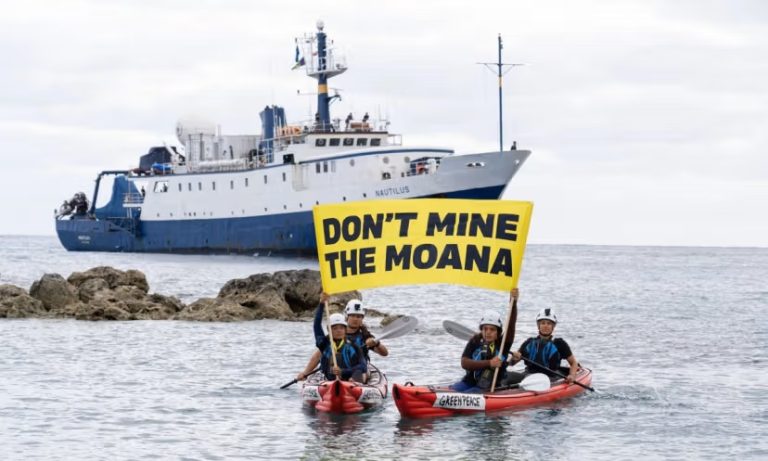
Greenpeace Aotearoa says even exploratory talks raise serious concerns for Pacific communities and marine ecosystems.

Russel Norman, Executive Director of Greenpeace Aotearoa, warned New Zealand must not be drawn into a deal that could accelerate environmental damage at home or in the wider region.

“The Trump administration is showing absolute disregard for everything other than their own agenda and greed,” he said in a statement. “Pacific Peoples and over 40 nations have rejected the idea of mining the ocean, but here’s the US issuing ultimatums, trying to force the start of this industry.

“Clearly, the will of Indigenous Peoples and Pacific nations does not matter in the Trump administration’s resource and power grab.”

A joint statement from senior NZ and U.S officials said both sides had committed to exploring “further opportunities to expand co‑operation on critical minerals… to ensure economic resilience and mutual prosperity”.

The international talks come at a sensitive time domestically.

Last weekend, an expert panel established under the Government’s Fast-Track Approvals Act issued a draft decision to decline Trans-Tasman Resources’ application to mine iron sands in the South Taranaki Bight.

The panel concluded that credible risks to marine life, including threatened Māui dolphins, little penguins and other species, outweighed the project’s potential economic benefits.

The ruling is still a draft and subject to final determination and possible legal challenge. Local iwi, environmental groups and community campaigners have welcomed the draft decision as a significant victory for moana protection.

Luxon acknowledged the draft ruling but said the process must be allowed to run its course before any final determination is made.

He has also maintained that the Government is not “anti-mining”, pointing to the role minerals play in economic development and in technologies such as electric vehicles and renewable energy systems.

Environmental groups argue that the combination of domestic fast-track processes and international critical minerals talks raises broader questions about the Pacific’s future.

Norman says recent moves by the United States to streamline its own seabed mining permit processes signal an acceleration of industrial interest in ocean minerals.

“The U.S is pressuring every nation they can, including us here in Aotearoa, to bend to their will,” he said. “But resistance to mining the seafloor here and around the Pacific is strong.”

In the Cook Islands, where seabed mineral exploration has also been under discussion, a government spokesperson said any cooperation must be grounded in robust scientific research and careful environmental assessment.

“It’s important to balance potential economic benefits with the protection of ocean ecosystems,” the spokesperson said, emphasising responsible exploration and development.

Critical minerals such as cobalt, nickel and rare earth elements are increasingly sought after for use in renewable energy infrastructure, batteries and advanced technology.

Supporters of international cooperation argue that diversified supply chains strengthen economic resilience and reduce dependence on single markets.

Opponents warn that seabed mining, particularly in Pacific waters, could cause irreversible damage to marine ecosystems that sustain coastal communities.

Norman said New Zealand’s stance could influence the wider region.

“New Zealand must not be responsible for helping open up Pandora’s Box on seabed mining,” he said. “The ocean is too precious to mine, with people across the Pacific depending on its health and integrity for survival.”

Experts say the situation highlights growing tension in the Pacific: balancing trade relationships with powerful nations against the environmental and social needs of local communities.

Greenpeace says their message is clear: any deal that prioritises foreign interests over Pacific voices risks long-term damage to the region’s marine environment and the communities that depend on it.

As talks with Washington continue and the fast-track panel prepares its final decision, the debate highlights a growing tension in Aotearoa and across the Pacific: how to balance economic opportunity, international partnerships and the long-term protection of the moana.

Trump administration urges nations to call for the withdrawal of a UN climate proposal

0

The Trump administration is urging other nations to press the Pacific island country of Vanuatu to withdraw a United Nations draft resolution supporting strong action to prevent climate change, including reparations for damage caused by any nation that fails to take action.

In guidance issued last week to all U.S embassies and consulates abroad, the State Department said it “strongly objects” to the proposal being discussed by the UN General Assembly and that its adoption “could pose a major threat to U.S industry.”

“President Trump has delivered a very clear message: that the UN and many nations of the world have gone wildly off track, exaggerating climate change into the world’s greatest threat,” according to the cable sent last Tuesday and obtained by The Associated Press.

It is the latest move by the Trump administration to distance the U.S from climate change efforts at home and around the world. A day ago, the government revoked a scientific finding that long has been the central basis for U.S action to regulate greenhouse gas emissions. The U.S last month also announced plans to withdraw from the UN treaty that establishes international climate negotiations.

The draft resolution sponsored by Vanuatu, which like many island nations fears for its survival because of climate change, is being circulated among the 193-member General Assembly and stems from a landmark advisory opinion by the UN’s top court last July.

The International Court of Justice said countries could be in violation of international law if they fail to take measures to protect the planet from climate change, and nations harmed by its effects could be entitled to reparations.

All UN member states, including major greenhouse gas emitters like the U.S and China, are parties to the court. The opinion is not legally binding but was hailed as a turning point in international climate law.

The draft resolution expresses determination to translate the ICJ’s findings in to “concrete multinational action” and calls on all nations and regional organisations to comply with their obligations under international law related to climate change.

The proposal says that includes adopting a national climate action plan to limit global temperature rise to below 1.5 degrees Celsius; phasing out subsidies for fossil fuel exploration, production and exploitation; and urging those in violation to “provide full and prompt reparation for damage.” It would establish an International Register of Damage to record evidence and claims.

Vanuatu’s UN Ambassador Odo Tevi, who said his island country wants a vote on the resolution by the end of March, has stressed that it would ensure that the clarity in the ICJ ruling “strengthens global climate action and multilateral cooperation.”

Louis Charbonneau, UN director of Human Rights Watch, urged support for the draft resolution Friday and said “governments should live up to their obligation” to protect human rights around the world by protecting the environment.

“Responsible governments shouldn’t allow themselves to be bullied by those that reject the global scientific consensus and continue to support reliance on harmful fossil fuels,” he said.

While General Assembly resolutions also are not legally binding, the ICJ said taking action to deal with the climate crisis is an international obligation.

“The resolution attempts to turn the ICJ’s interpretation of key legal standards into a practical roadmap for state accountability, which is likely to trigger political pushback from higher income high emitting countries wary of their historical responsibility and financial liability,” Candy Ofime, climate justice researcher and legal adviser at Amnesty International, said in a statement Friday.

The State Department cable outlined plans to tell other countries to urge Vanuatu to withdraw its draft — which the U.S says is “even more problematic” than the court opinion — from consideration by Friday, when informal consultations began.

It asserted that other Group of 7 economic powers as well as China, Saudi Arabia and Russia have all indicated to the U.S Mission to the UN that they share Americans’ concerns with “aspects” of the draft.

“This UNGA resolution is another example of UN overreach, part of a broader pattern of trying to use speculative climate models to fabricate purported legal obligations that seek to assign blame and encourage baseless claims, and to infer human rights obligations to which states have not agreed,” according to the cable, which tells U.S diplomats to use it as a talking point with representatives of other countries.

Many mainstream scientists have continuously warned that climate change is behind increasing instances of deadly and costly extreme weather, including flooding, droughts, wildfires, intense rainfall events and dangerous heat.

Tuvalu and Solomon Islands ratify the Pacific Resilience Facility Treaty

0

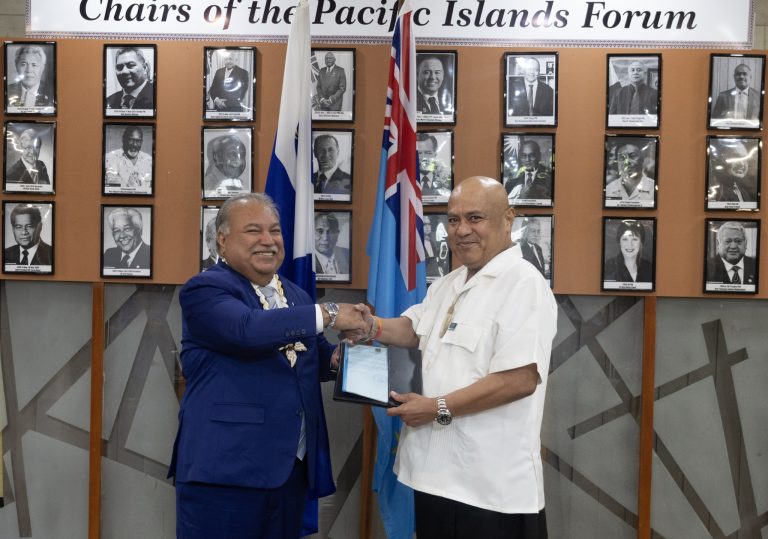
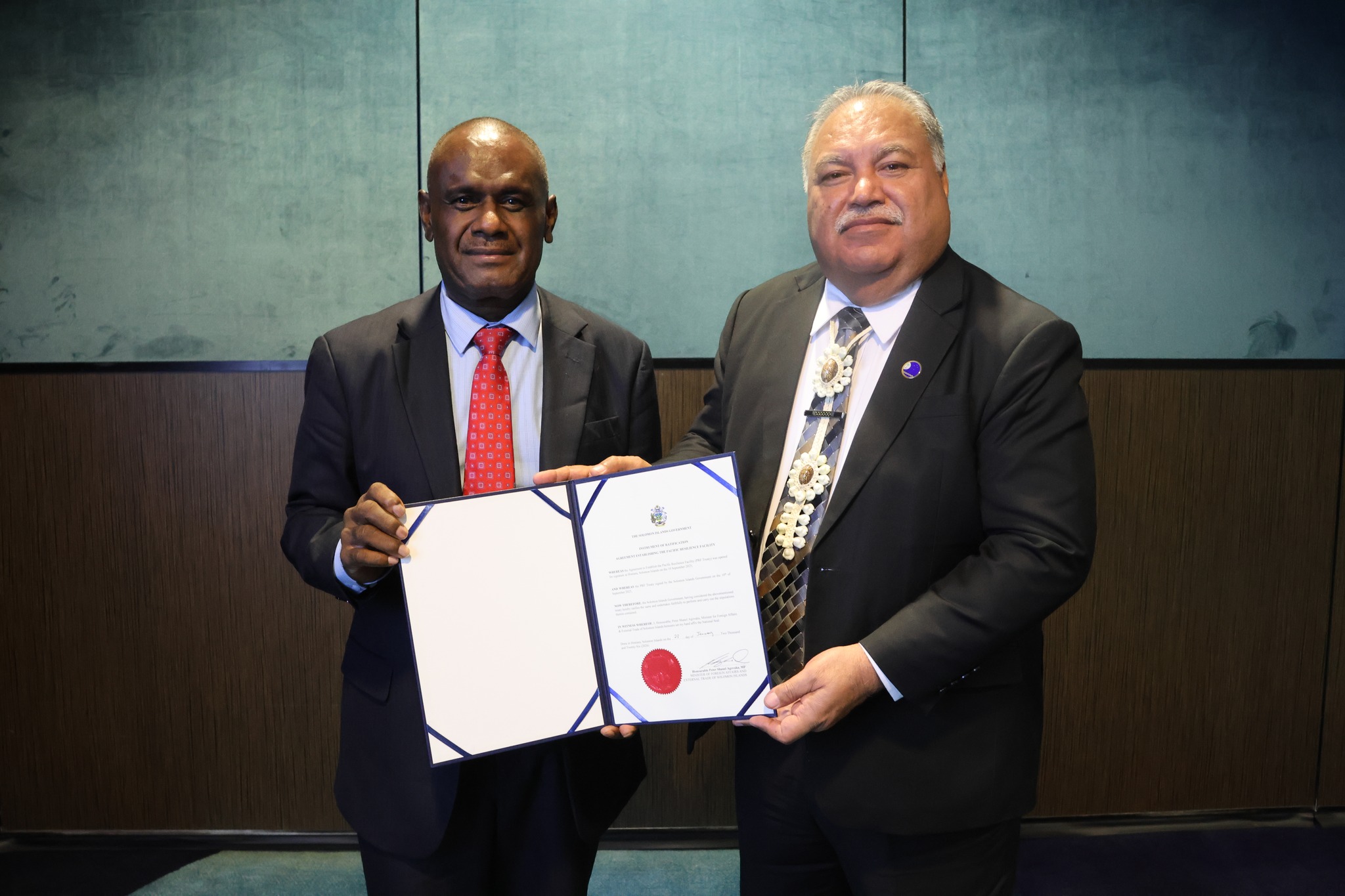
Tuvalu and Solomon Islands have formally deposited their instruments of ratification of the Agreement to Establish the Pacific Resilience Facility (PRF Treaty), moving the Blue Pacific region closer to operationalising its first Pacific-led, member owned and managed, and people-centred climate and disaster resilience financing institution.

At the Pacific Islands Forum Secretariat on 13 February, the Prime Minister of Tuvalu, Feleti Teo formally deposited Tuvalu’s instrument of ratification with Secretary General Baron Divavesi Waqa.

This follows the recent deposit by the Prime Minister of Solomon Islands and Forum Chair, Jeremiah Manele, of Solomon Islands’ instrument of ratification with the Secretary General in the margins of the Forum Troika Leaders Meeting in Brisbane, Australia.

“I offer warm congratulations to Tuvalu and Solomon Islands on depositing their respective instruments of ratification of the Pacific Resilience Facility Treaty. The PRF is a landmark achievement for our region, and I am greatly encouraged by the growing number of our members’ ratification of the Treaty. It is a clear reflection of our Leaders shared resolve to secure a safer, resilient, and more inclusive future for our Blue Pacific through a Pacific-designed and governed institution that puts our communities at the centre of resilience financing,” said Secretary General Waqa.

Solomon Islands Prime Minister Jeremiah Manele with Pacific Islands Forum Secretary General Baron Divavesi Waqa. Photo: PIF

The PRF was endorsed by Pacific Islands Forum Leaders through the Declaration on the Establishment of the Pacific Resilience Facility at the 52nd PIF Leaders Meeting held in Cook Islands in 2023. At their meeting in 2024, Forum Leaders endorsed the Kingdom of Tonga as the Host Country of the PRF, reinforcing regional ownership and solidarity. In 2025, the PRF Treaty was signed by 15 Forum Leaders at their meeting held in Honiara, Solomon Islands.

The PRF Treaty requires eight signatories to enter into force. Tuvalu and Solomon Islands’ ratifications brings to five (5) the number of Forum Member countries that have ratified the Treaty, signalling a strong regional commitment to the PRF.

The PRF is designed to directly empower communities to access grant financing for locally identified resilience priorities. It represents a strategic shift toward proactive, community-driven investment in climate adaptation, disaster preparedness, and long-term resilience aligned to the Forum Leaders’ Vision of the 2050 Strategy for the Blue Pacific Continent.

Beyond health: Pacific islands cast a wider net to strengthen health security

0

Given that more than half of the infectious diseases affecting people originate in animals, the next public health emergency may not begin in a hospital or clinic but at a farm or in a flooded community.

Across Pacific Island countries and areas, climate-sensitive diseases further intensify these challenges. Leptospirosis, for example, often rises after heavy rainfall and floods, while food and water safety remain a major concern with unsafe food linked to more than 200 diseases worldwide, many of them present in the Pacific.

While these risks are already well known, findings using the tools under the International Health Regulations (IHR) clearly show that preventing and controlling diseases transmitted from animals to humans remains an urgent priority. The IHR – which came into effect in 2005 and were recently amended to strengthen them further – are a legally binding framework adopted by 196 WHO States Parties, including Pacific Island countries, to prevent, detect and respond to public health threats with the potential of international spread.

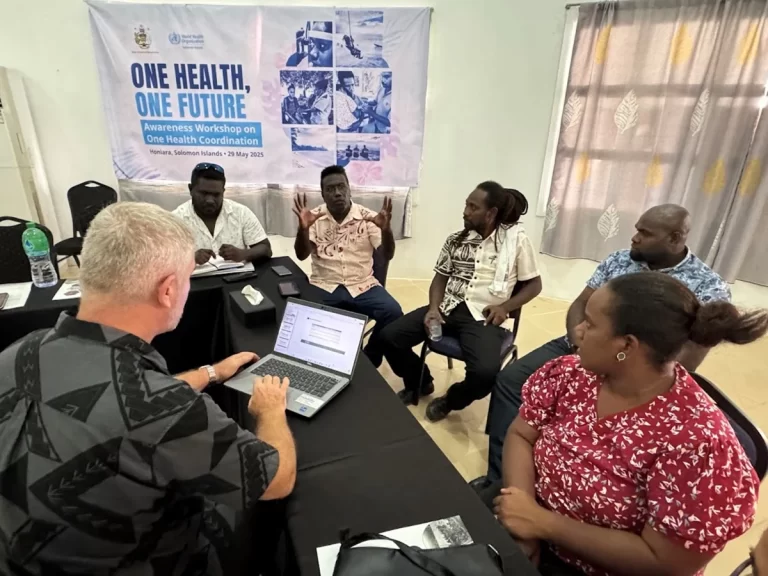
The need for urgent action was discussed at a recent meeting of Pacific islands from 3 to 5 February, where, for the first time, more than 70 participants came together representing not only national IHR focal points but also the animal health and legal sectors.

During the three-day online meeting, participants shared experiences in strengthening human, animal, and environmental health under the approach known as One Health, bringing these sectors together. Vanuatu presented its flagship One Health Committee, and Fiji, French Polynesia, Marshall Islands, Papua New Guinea, Solomon Islands highlighted progress and challenges.

“In the Pacific, health risks are shaped by climate change, environmental pressures and close interactions between people, animals and ecosystems. This means that to better protect communities, public health, animal health and environment professionals need to work closely together,” said Dr Mark Jacobs, WHO Representative to the South Pacific and the Director of Pacific Technical Support.

“By strengthening coordination across health, agriculture, environment, biosecurity and other relevant sectors, countries are better able to identify risks early and respond effectively – often before those risks escalate into emergencies.”

WHO, together with partners – Food and Agriculture Organisation (FAO), the World Organisation for Animal Health (WOAH), the United Nations Environment Programme (UNEP), the Pacific Community (SPC) and the Secretariat of the Pacific Regional Environment Programme (SPREP) – continues to support countries through Pacific One Health dialogues aligning human, animal and environment health systems, with the first National Bridging Workshop in the Pacific organised by Tonga in September 2025.

Since the last meeting of IHR focal points in 2024, Pacific islands have made tangible progress in strengthening IHR core capacities. Since then, the Cook Islands, Solomon Islands and Vanuatu have completed Joint External Evaluations (JEE) with a common recommendation being to establish multi-sectoral coordination mechanisms.

The Cook Islands, Samoa, Tonga, and Vanuatu have also developed National Action Plans for Health Security, which are detailed country-owned roadmaps to strengthen ability to prevent, detect, and respond to public health threats.

For Solomon Islands, the JEE process was a critical milestone in identifying strengths and priority gaps across preparedness, surveillance and response. “The Joint External Evaluation gave us a clear and honest picture of where we are and where we need to focus next,” said Dr Nemia Bainivalu, Medical Director at Ministry of Health and Medical Services, Solomon Islands.

“It was not just an assessment, but a valuable learning process that is already helping us strengthen coordination and prioritize action across sectors. I am glad that we were able to share our practical experience with other Pacific countries which might face similar challenges.”

In addition, meeting participants also discussed how to operationalize the amendments to the IHR at national level, in line with the resolution endorsed at the seventy-sixth session of the WHO Regional Committee for the Western Pacific in October 2025.

For many, the IHR amendments reinforced the need to embed multi-sectoral coordination beyond health into preparedness efforts, making sure that health, agriculture, environment, biosecurity and legal sectors work together well before emergencies occur.

Stay connected

529FansLike
172FollowersFollow
156SubscribersSubscribe
- Advertisement -