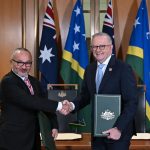
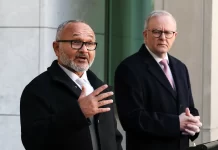
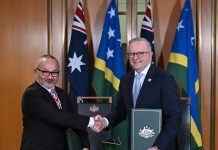

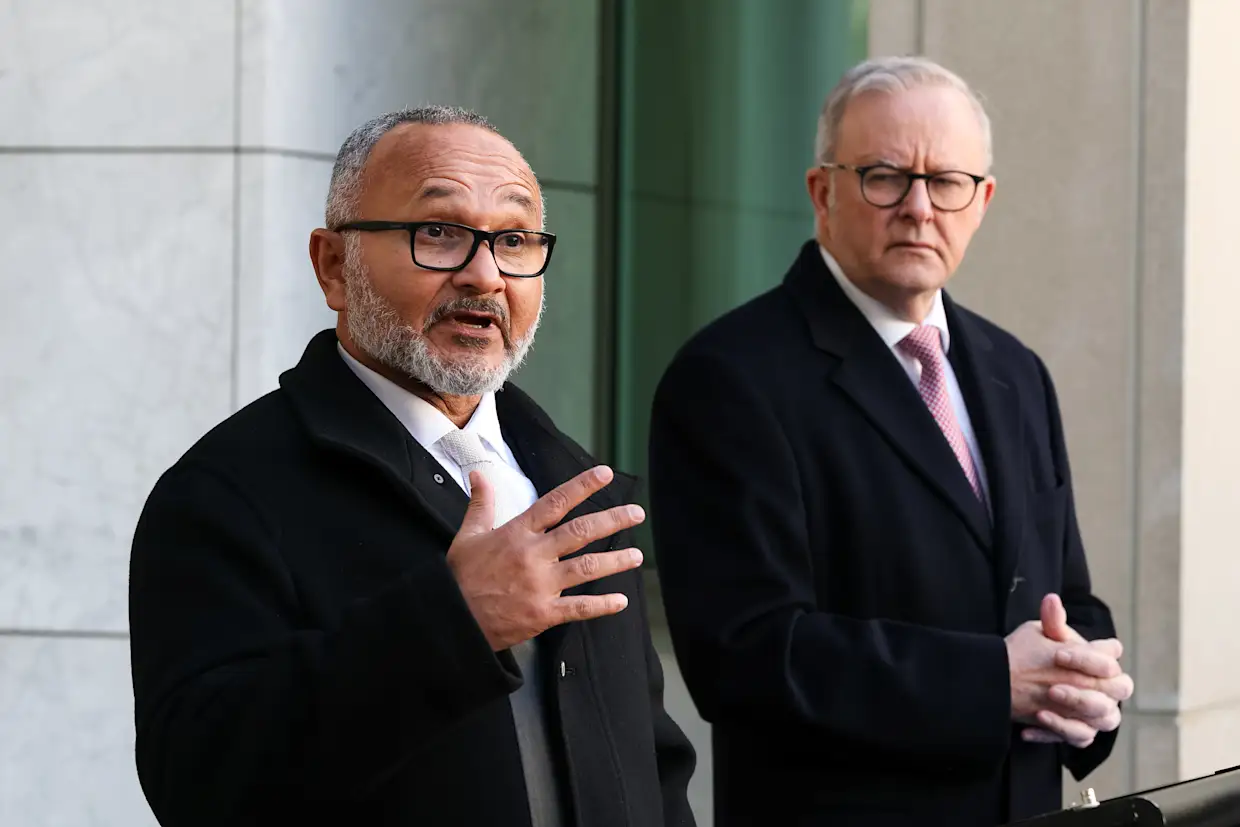
Australia will provide Solomon Islands with AUD$670 million (US$444 million) in grants and a further AUD$70 million (US$46 million) in concessional loans over the next decade under a new treaty covering security, policing, education and infrastructure development.
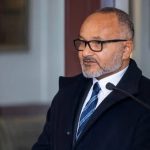
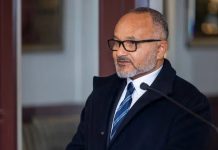
Australian Minister for Pacific Island Affairs and Defence Industry Pat Conroy said the funding would support the implementation of the Australia-Solomon Islands Treaty, including strengthening the Royal Solomon Islands Police Force, improving border security and expanding access to education.
Speaking in an interview with ABC, following the signing of the treaty in Canberra, Conroy said Article 5 established new security commitments between the two countries.
He said Solomon Islands had committed not to allow sensitive infrastructure to be militarised or subjected to foreign interference, and would not host a foreign military base.
The treaty also provides for security cooperation with Pacific Islands Forum member countries.
‘Article 5 of the treaty is the central security parts of this treaty which are groundbreaking,” Conroy said.
“It commits the Solomon Islands not to have a foreign military base on its soil. It also commits them to ensure that security cooperation comes from Pacific Island Forum members, which means countries like Australia.”
Conroy said the treaty represented a major shift in Australia’s relationship with Solomon Islands, following the signing of a security pact between Honiara and Beijing in 2022.
The agreement comes after Solomon Islands indicated it would not renew its security arrangement with China when it expires next year.
Under the new treaty, consultations on critical infrastructure and national security developments involving countries outside the Pacific Islands Forum will be handled principally through the IUMI Committee, which will oversee implementation.
Conroy said the AUD$670 million (US$444 million) in grants and AUD$70 million (US$46 million) in concessional loans would support police development, free education from kindergarten to Year 12, infrastructure investment and renewable energy.
He said expanding access to education was particularly important for Solomon Islands’ long-term economic and social development.
“One third of Solomon Island kids can’t afford to go to kindergarten. Only 16 percent of Solomon Islander kids finish Year 12,” he said.
“Us supporting free education will transform their economy, transform their society and grow this nation.”
Asked whether China could retaliate following the new security arrangement, Conroy said Australia would continue to strengthen its regional partnerships while respecting Solomon Islands’ sovereign decisions.
“We’ve been very open that there’s a permanent state of contest for influence in the region and we’re going to use every tool of statecraft to make sure Australia is the best friend of the Pacific,” he said.
“We call on everyone to respect the sovereign choices that the Solomon Islands have made. They’ve said their primary security partner is Australia, full stop, end of story.”
Conroy said the treaty had received support from the Solomon Islands Cabinet and government party room, pointing to Prime Minister Matthew Wale’s decision to bring 17 Cabinet members to Canberra for the signing.
He said the level of government support demonstrated the importance Solomon Islands placed on the agreement.
The Australian minister also indicated the treaty could contribute to wider regional cooperation through bilateral and multilateral arrangements.
He cited Australia’s existing partnerships with Papua New Guinea and Fiji, as well as treaties with Vanuatu, Nauru and Tuvalu.
Conroy said Prime Minister Wale had expressed interest in a broader regional treaty framework.
He said climate change commitments were an essential part of Australia’s agreements with Pacific countries.
“Importantly, all of them contain support for action on climate change, which is the price of entry in the Pacific,” Conroy said.
The Australia-Solomon Islands Treaty establishes a new framework for security and development cooperation between the two countries, with implementation expected to extend over the next decade.