
Fiji has begun work on a national fisheries transparency system aimed at improving public access to information on fishing activities, vessel registrations, fishing licences, marine resources and revenue from the sector.
Minister for Fisheries and Forestry Alitia Bainivalu says the initiative will strengthen accountability in the management of Fiji’s marine resources and build public confidence in decisions affecting the fisheries sector.
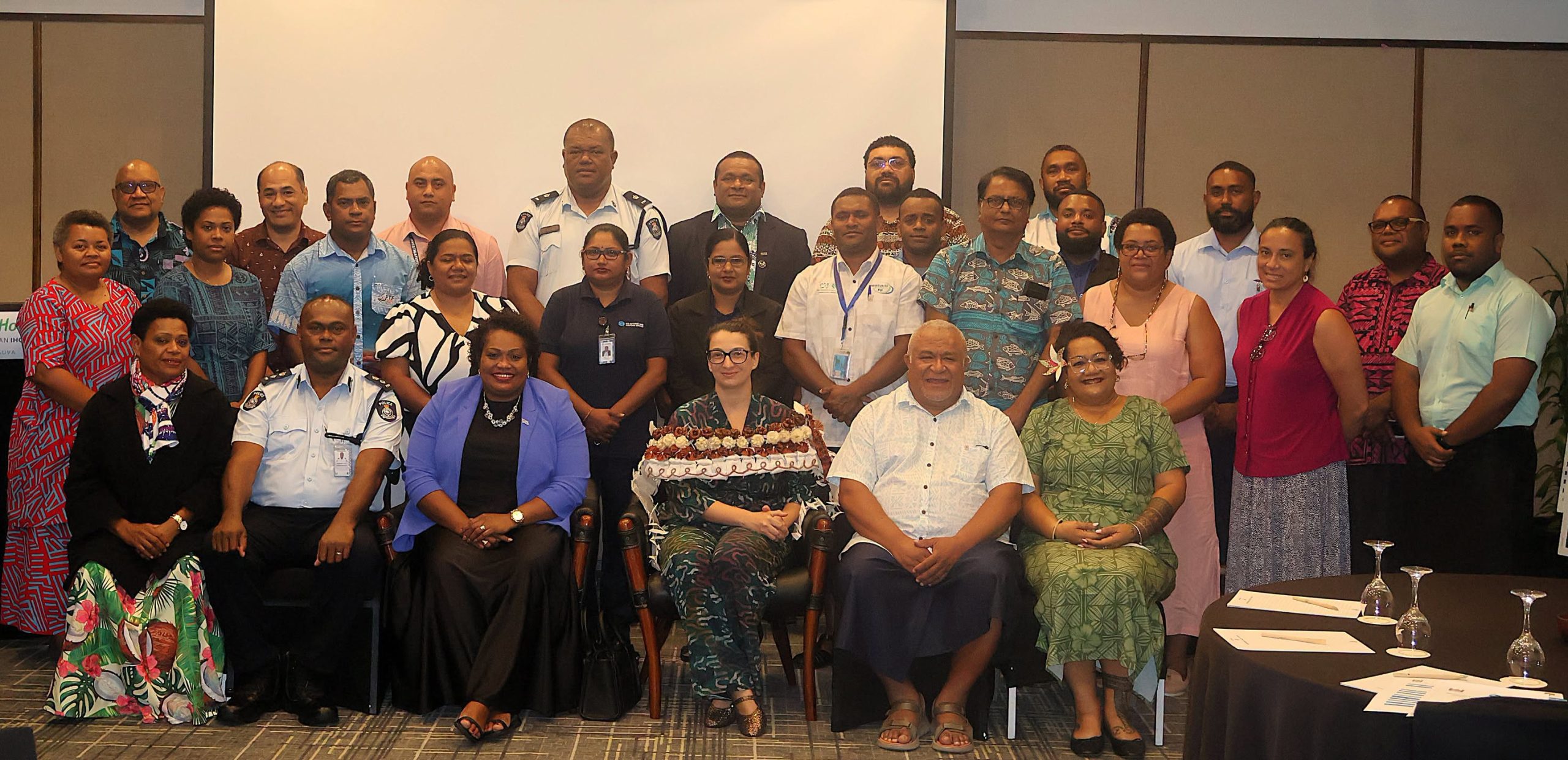
Bainivalu made the announcement while opening Fiji’s first national workshop on the Fisheries Transparency Initiative (FiTI) in Suva on Wednesday.
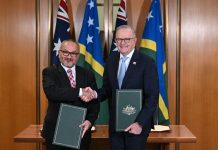
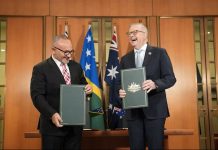
Fiji became the first Pacific Island country to join FiTI following the signing of a Memorandum of Understanding between Bainivalu and FiTI Executive Director Sven Biermann earlier this year, on the sidelines of the 37th Session of the United Nations Food and Agriculture Organisation Committee on Fisheries in Rome.
Bainivalu said the signing was more than an administrative milestone and represented a commitment to improving how the country’s ocean resources are managed.
“This is an achievement of which we should be proud. But more importantly, it is a commitment that we must now collectively work towards delivering,” she said.
Fiji’s Exclusive Economic Zone covers 1.29 million square kilometres, with marine fisheries supporting livelihoods, food security, export earnings and coastal communities.
The Ministry of Fisheries will work with the FiTI International Secretariat to introduce a Fisheries Information System (FIS), designed to provide a central public platform for fisheries information.
The system is expected to include fisheries legislation, vessel registrations, fishing authorisations, marine resource assessments and fisheries revenue.
“Making information publicly available is important, but making it easy to find, understand and use is equally important,” Bainivalu said.
She acknowledged that making all fisheries information publicly accessible would take time, but said the Government was committed to progressive improvements.
Bainivalu said greater transparency would help Government assess marine resources, make informed management decisions and strengthen efforts to combat illegal, unreported and unregulated fishing.
It would also allow fishing communities and the public to better understand how fisheries resources are managed and how benefits are distributed.
For the commercial fishing industry, investors and international partners, improved access to information would provide greater certainty and strengthen confidence in Fiji’s fisheries sector.
She said transparency would also support Fiji in meeting its international obligations, including commitments under the World Trade Organisation Agreement on Fisheries Subsidies.
“For me, however, fisheries transparency is ultimately about trust,” she said.
“Our people should have confidence in how their marine resources are being managed. Our fishers should have confidence that decisions affecting their livelihoods are informed by sound evidence.”
A key next step will be establishing a National Multi-Stakeholder Group involving Government, the fishing industry and civil society as equal partners in the transparency process.
Bainivalu called on fishing industry representatives to contribute their operational experience, while civil society organisations, academics and community representatives would help ensure information responds to the needs of coastal communities and traditional fishing grounds, known as *i qoliqoli*.
She also stressed that fisheries transparency required cooperation across government ministries, departments and agencies.
The workshop brought together representatives from Government, commercial and small-scale fishing industries, civil society, academia and non-governmental organisations to identify what fisheries information should be made available and how access could be improved.
Bainivalu said Fiji’s membership of FiTI provided an opportunity to translate its international ocean leadership into practical improvements in fisheries governance and set an example for other Pacific countries.